🌿 What is a Brazilian Vervain? Complete Guide
Verbena brasiliensis
By the Greg Editorial Team
Jan 23, 2025•12 min read
This article was created with the help of AI so we can cover more plants for you. May contain errors. See one? Report it here.
- 🌞 Brazilian Vervain needs 6-8 hours of sunlight daily for optimal growth.
- 🌱 Plant in well-drained, fertile soil with a pH of 6.0 to 7.0.
- 🌼 Regular watering and light feeding support healthy growth and vibrant blooms.
How to Grow
Choosing a Location 🌞
Brazilian Vervain thrives in full sun, requiring at least 6-8 hours of direct sunlight daily. When deciding between outdoor and container growing, consider the space available and the plant's sunlight needs.
Soil Preparation 🌱
For optimal growth, Brazilian Vervain prefers well-drained, fertile soil. Aim for a soil pH that is slightly acidic to neutral, ideally between 6.0 and 7.0, to promote healthy development.
Planting Techniques 🌼
The best time to plant Brazilian Vervain is in the spring, right after the last frost. When planting outdoors, ensure to space the plants 12-18 inches apart to allow for adequate growth.
Watering Requirements 🚰
Initially, regular watering is crucial until the plants are established. After that, moderate watering is sufficient; watch for signs of overwatering, such as yellowing leaves, or underwatering, indicated by wilting.
Fertilizing Schedule 🍽️
During the growing season, provide light feeding with a balanced fertilizer. This will help support the plant's growth without overwhelming it with nutrients.
Pruning and Ongoing Care ✂️
Pruning is essential for maintaining the health of Brazilian Vervain. Deadheading spent flowers and cutting back the plant in the fall can encourage new growth and prevent disease.
Outdoor vs. Container Growing 🏡
Growing Brazilian Vervain in containers requires different care than outdoor planting. Ensure pots are at least 12 inches deep with good drainage to prevent root rot and promote healthy growth.
Propagation
🌱 Seed Propagation
To propagate Brazilian Vervain from seeds, start by sowing them at a depth of 1/4 inch. Expect germination to take between 7 to 14 days, so be patient as those little sprouts emerge.
✂️ Cutting Propagation
Another effective method is through cuttings. Select healthy stems that are 4-6 inches long and place them in a moist potting mix to encourage rooting.
🌿 Division Propagation
Division is best done in early spring or fall when the plant is actively growing. After dividing, ensure you space the new plants 12-18 inches apart to give them room to thrive.
This propagation guide provides you with various methods to expand your Brazilian Vervain collection. Whether you choose seeds, cuttings, or division, each method offers a unique way to enjoy this beautiful plant in your garden.
Lifecycle
Lifecycle Stages 🌱
Brazilian Vervain exhibits different lifecycles depending on the climate. In cooler regions, it behaves as an annual, while in warmer areas, it thrives as a perennial.
Germination Process 🌡️
For optimal germination, maintain a temperature of around 70°F (21°C). This warmth encourages the seeds to sprout effectively.
Seedling Stage 🌿
Once germinated, the seedling stage lasts about 4-6 weeks. During this time, the young plants develop their initial roots and leaves, preparing for transplanting.
Vegetative Growth 🌳
Following the seedling phase, Brazilian Vervain enters vegetative growth, which typically lasts 6-8 weeks. This stage is crucial for building a robust structure before the plant flowers.
Flowering and Seed Production 🌼
Expect flowering to occur from late summer to early fall. After the blooms fade, the plant produces seeds, usually in late fall, ensuring the cycle continues.
Lifespan and Growth Rate ⏳
In optimal conditions, Brazilian Vervain can live for 2-3 years. Its growth rate is moderate, with plants reaching maturity in about 3-4 months, ready to showcase their vibrant blooms.
This lifecycle understanding is essential for successful cultivation. Next, let’s explore the size of Brazilian Vervain and how it can fit into your garden design.
Size
Mature Height and Spread 🌱
Brazilian Vervain typically reaches a mature height of 3 to 4 feet, making it a striking addition to any garden. Its spread ranges from 2 to 3 feet, allowing it to fill space without overwhelming neighboring plants.
Growth Rate and Size Variability 📈
This plant exhibits a moderate growth rate, which can vary based on environmental conditions. Factors such as sunlight, soil quality, and water availability play significant roles in how quickly it thrives.
Factors Affecting Size 📏
The size of Brazilian Vervain is influenced by several key factors:
- Soil Quality: Fertile, well-drained soil promotes robust growth.
- Sunlight: Full sun exposure (6-8 hours daily) encourages optimal height and spread.
- Water Availability: Consistent watering during establishment leads to healthier plants.
Understanding these factors can help you cultivate Brazilian Vervain to its full potential, ensuring a vibrant and lush display in your garden.
As you consider growing this beautiful plant, remember that the right conditions can make all the difference in achieving its ideal size and health. Next, let’s explore the roots of Brazilian Vervain and how they contribute to its overall growth and stability.
Roots
🌱 Root System Characteristics
Brazilian Vervain features a fibrous root system that is typically shallow. This structure allows the roots to spread horizontally, making it efficient in nutrient absorption.
📏 Root Depth and Spread
On average, the roots extend to a depth of 12-18 inches. However, they can spread outwards up to 2 feet, providing stability and access to moisture.
⚠️ Common Root-Related Issues
One of the most common issues with Brazilian Vervain is root rot, which occurs due to overwatering. Signs of unhealthy roots include dark, mushy textures that indicate a problem.
👀 Identifying Healthy vs. Unhealthy Roots
Healthy roots are firm and exhibit a white or light tan color. In contrast, unhealthy roots will appear soft and may show brown or black coloration.
🌿 Recognizing Rootbound Plants
If you notice roots growing out of the drainage holes, your plant may be rootbound. The solution is simple: repot into a larger container or divide the plant to encourage healthy growth.
Understanding the root system of Brazilian Vervain is crucial for its overall health. Proper care can prevent issues and promote a thriving plant, setting the stage for the next section on the benefits of this beautiful species.
Benefits
Brazilian Vervain offers a multitude of benefits that make it a fantastic addition to any garden. Here are the top five reasons to consider growing this vibrant plant.
🌼 Attracts Pollinators
One of the standout features of Brazilian Vervain is its ability to attract pollinators. Bees, butterflies, and other beneficial insects flock to its blooms, enhancing garden biodiversity and supporting local ecosystems.
💧 Drought-Tolerant
Once established, Brazilian Vervain is remarkably drought-tolerant. This means you can enjoy a beautiful garden while conserving water, making it an eco-friendly choice for sustainable gardening.
🌸 Long Blooming Period
This plant boasts a long blooming period, providing stunning color from summer to fall. Its vibrant flowers not only brighten your garden but also create a lively atmosphere that can be enjoyed for months.
🌿 Versatile in Garden Design
Brazilian Vervain is incredibly versatile in garden design. Whether you’re looking to create borders, fill containers, or add texture to a mixed garden bed, this plant fits seamlessly into various landscaping styles.
🌱 Medicinal Uses
In addition to its aesthetic appeal, Brazilian Vervain has traditional medicinal uses. It has been valued for its potential health benefits, promoting wellness and providing a natural remedy for various ailments.
These benefits make Brazilian Vervain a worthwhile addition to your garden. As you explore its many advantages, you’ll find that it not only enhances your outdoor space but also contributes positively to the environment.
Next, let’s delve into the concept of companion planting and discover which plants thrive alongside Brazilian Vervain.
Companion Plants
Concept of Companion Planting 🌱
Companion planting is a gardening strategy that pairs plants together for mutual benefits. This approach can enhance pest management, improve growth, and increase overall garden diversity.
Best Companion Plants 🌼
When considering companions for Brazilian Vervain, look to plants like lavender and Echinacea. These selections thrive under similar conditions and can deter pests, creating a harmonious garden environment.
Plants to Avoid 🚫
Be cautious with heavy feeders, as they may compete for nutrients with your Brazilian Vervain. Avoid planting them nearby to ensure your vervain can flourish without competition for resources.
By thoughtfully selecting companion plants, you can create a thriving ecosystem that supports the health and beauty of your Brazilian Vervain. Next, let’s explore the potential toxicity of this plant to humans, dogs, and cats.
Toxicity to Humans
Brazilian Vervain is generally considered safe and is not listed as toxic by major poison control centers. However, it's important to note that minor issues can arise from excessive contact or ingestion.
⚠️ Potential Reactions
Some individuals may experience mild skin irritation or digestive discomfort if they come into contact with or consume the plant in large amounts.
🧐 Caution is Key
As with any plant, it's wise to exercise caution. If you notice any unusual symptoms after handling or consuming Brazilian Vervain, seeking medical advice is recommended.
This plant can be a wonderful addition to your garden, but being informed helps ensure a safe and enjoyable experience. Now, let’s explore how Brazilian Vervain interacts with our furry friends!
Toxicity to Dogs
Brazilian Vervain is generally safe for dogs, as it is not listed as toxic by major pet poison control centers. This means you can enjoy this beautiful plant in your garden without worrying too much about your furry friends.
However, it's important to note that minor issues might arise if dogs consume excessive amounts of the plant. This could lead to mild gastrointestinal upset, which is usually not serious but can be uncomfortable for your pet.
To keep your dog safe, consider the placement of Brazilian Vervain in your garden. Monitor their behavior around new plants, especially if they tend to nibble on greenery.
By taking these precautions, you can enjoy the beauty of Brazilian Vervain while ensuring your dog remains healthy and happy.
Next, let's explore how Brazilian Vervain interacts with our feline friends.
Toxicity to Cats
Brazilian Vervain is not considered toxic to cats according to major pet poison control centers. This means you can enjoy this beautiful plant without worrying about your feline friends getting harmed.
However, it's important to note that excessive consumption might lead to mild gastrointestinal upset. If your cat decides to nibble on the leaves, keep an eye out for any unusual behavior.
🐱 Monitoring Your Cat
Proper placement of Brazilian Vervain is key. Position it in areas where your cat can't easily reach, especially if they are prone to munching on houseplants.
Regularly monitor your cat's behavior around new plants. This way, you can ensure they are safe and healthy while enjoying your garden's beauty.
Problems
🌱 Common Problems
Growing Brazilian Vervain can be rewarding, but it’s not without its challenges. Here are some common issues you might encounter:
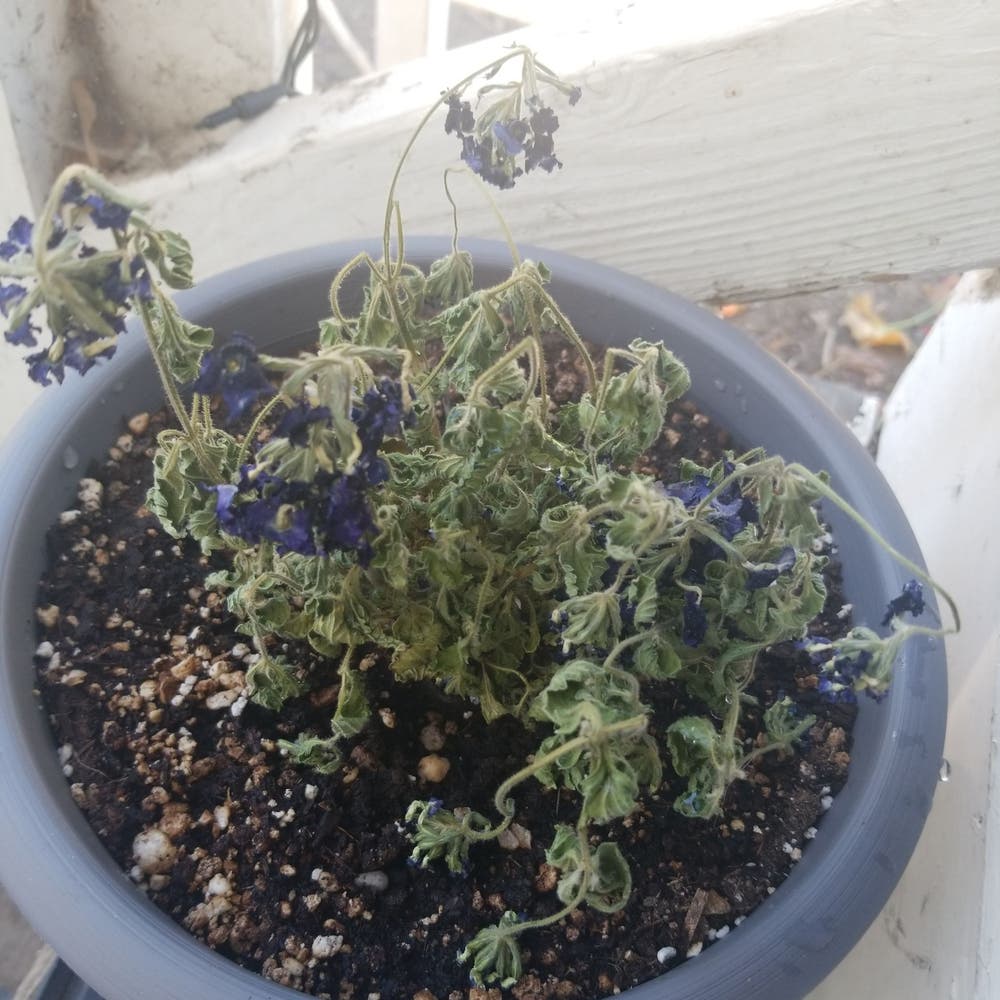
Incorrect Watering: Overwatering can lead to root rot, while underwatering can stress the plant. Look for signs like wilting or yellowing leaves to gauge your watering habits.
Incorrect Light Conditions: Brazilian Vervain thrives in full sun. If your plant shows signs of stretching or leaning, it may not be getting enough light.
Incorrect Temperature: Extreme temperatures can hinder growth. Watch for signs of heat stress, like scorched leaves, or cold damage, such as wilting.
🔍 Identifying Symptoms and Causes
Recognizing symptoms early can save your Brazilian Vervain from serious issues. Here’s what to look for:
Leaf Issues: Scorched leaves may indicate too much sun or heat, while yellowing can suggest overwatering or nutrient deficiencies. Fuzzy growth could point to fungal infections.
Growth Problems: Leaning or leggy growth often means your plant is stretching for light. Etiolated growth, where stems become long and weak, is another sign of insufficient light.
🛠️ Solutions for Common Issues
Addressing these problems promptly can help your Brazilian Vervain thrive. Here are some effective solutions:
Adjusting Watering Practices: Ensure your watering schedule matches the plant's needs. Allow the soil to dry slightly between waterings to prevent overwatering.
Relocating to a Sunnier Spot: If your plant is leaning, consider moving it to a location with more direct sunlight. Aim for at least 6-8 hours of sun daily.
Providing Shade During Extreme Heat: On particularly hot days, offering some shade can protect your plant from heat stress. Use shade cloth or move potted plants to a cooler area.
By keeping an eye on these common problems and their solutions, you can ensure your Brazilian Vervain remains healthy and vibrant. Next, let’s explore the fascinating world of pests that might threaten your plant’s well-being.
Bugs
🐛 Potential Pest Issues
Brazilian Vervain is generally resilient, but it can still face pest challenges. Understanding its susceptibility helps you stay ahead of potential infestations.
🔍 Identification and Damage
Spider Mites
Look for fine webbing on leaves and stippled damage. These tiny pests can quickly multiply, leading to significant harm.
Aphids
These small, soft-bodied insects leave a sticky residue and cause leaves to curl. Their presence can indicate a larger problem in your garden.
🛠️ Effective Treatment Options
Organic Methods
Using neem oil or insecticidal soap can effectively manage pest populations without harming beneficial insects. These treatments are gentle yet effective.
Cultural Practices
Encouraging beneficial insects, like ladybugs, can naturally control pests. Creating a balanced ecosystem in your garden is key to long-term health.
By staying vigilant and proactive, you can protect your Brazilian Vervain from pests and ensure it thrives. Next, let’s explore what animals might be interested in munching on your plants.
What Eats Brazilian Vervain
🦌 Common Animals
Brazilian Vervain can attract a variety of hungry critters. Common visitors include deer, rabbits, squirrels, and rodents, all of which may find this plant quite appetizing.
🕵️♂️ Signs of Animal Presence
If you suspect that animals are munching on your Brazilian Vervain, look for specific signs. Browsing on leaves, broken stems, and animal droppings around the plant can indicate their presence.
🚫 Deterrent Methods
To protect your Brazilian Vervain from these foragers, consider a few effective deterrent methods.
Chemical Repellents
Commercial deer repellents can be a quick fix to keep larger animals at bay. These products often contain scents that are unappealing to deer and other herbivores.
Organic Methods
For a more natural approach, try planting deterrent species nearby or using physical barriers. Companion planting with strong-smelling herbs can confuse or repel pests, while fences or netting can physically block access to your plants.
By being proactive, you can enjoy the beauty of Brazilian Vervain without the worry of it becoming a snack for local wildlife. Now that you know how to protect your plants, let’s explore some common problems that may arise in your garden.
⚠️ Safety First
This content is for general information and may contain errors, omissions, or outdated details. It is not medical, veterinary advice, or an endorsement of therapeutic claims.
Always consult a qualified healthcare professional before using any plant as food, medicine, or supplement.
Never eat any plant (or feed one to pets) without confirming its identity with at least two trusted sources.
If you suspect poisoning, call Poison Control (800) 222-1222, the Pet Poison Helpline (800) 213-6680, or your local emergency service immediately.
Spotted an error? Please report it here.
Cultivate a thriving garden 🌼 by understanding Brazilian Vervain's needs, and let Greg guide you with personalized care reminders to ensure your plants get the perfect sunlight, watering, and nutrients for success!