What Is A Good Temperature Range For My Brazilian Verbena?
Verbena brasiliensis
By the Greg Editorial Team
Jun 14, 2024•3 min read
This article was created with the help of AI so we can cover more plants for you. May contain errors. See one? Report it here.
- 65° – 75°F day / 60° – 65°F night ideal for Brazilian Verbena.
- Watch for leaf scorch or discoloration to spot temperature stress.
- Shade, hydration, and relocation help mitigate extreme temperatures.
Dialing in the Perfect Heat
🔥 The Sweet Spot: Ideal Temperature Range for Brazilian Verbena
Brazilian Verbena thrives in warmth. For robust growth, aim for daytime temperatures between 65° – 75°F (18° – 24°C), and slightly cooler nights at 60° – 65°F (15° – 18°C). These conditions mimic the plant's native subtropical climate, fostering vigorous flowering and lush foliage.
Seasonal shifts are crucial. As summer progresses, Brazilian Verbena can handle the heat, but ensure it doesn't swelter. In winter, avoid cold drafts and maintain a consistent warmth, especially during the night, to prevent stress and potential dormancy.
❄️ When It Gets Too Hot or Too Cold
Brazilian Verbena's tolerance has limits. Temperatures above 85°F (29°C) can lead to heat stress, while below 40°F (4°C) may trigger dormancy or even damage. For indoor plants, regulate temperatures using air conditioning, fans, or heaters, but avoid sudden temperature changes to keep your Verbena happy.
Spotting the Signs of a Temperature Tantrum
🌡️ Visual Cues: Recognizing Heat Stress
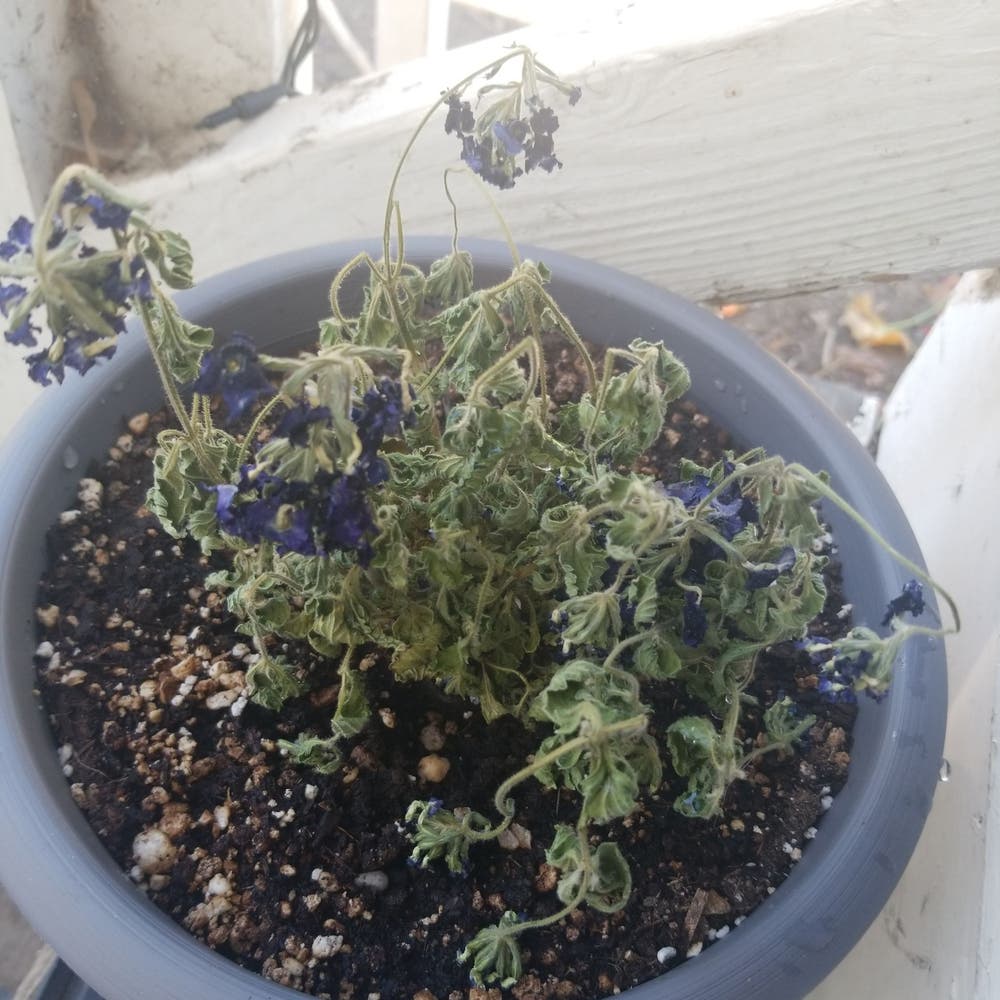
Leaf scorch and drooping are the telltale signs that your Brazilian Verbena is throwing a heat tantrum. The leaves may appear crispy as if they've had a bit too much sunbathing, or they might curl inward, resembling tiny green canoes. This is your plant's version of waving a white flag in the scorching heat.
🥶 Chilly Plant Blues: Cold Stress Signals
When the temperature drops, Brazilian Verbena shows its discontent through leaf discoloration and a general sense of limpness. The leaves might take on a darker hue, looking bruised from the cold, or become soft and mushy, as if they've been left out in a frost overnight. It's as if your plant is subtly hinting that it prefers a tropical getaway over a winter wonderland.
Turning Down the Heat: Mitigating High Temperature Stress
🌞 Shifting Shade and Sunlight Exposure
Brazilian Verbena thrives in warmth but wilts under scorching heat. To prevent heat stress, provide shade during peak sunlight hours. This can be as simple as positioning a sheer curtain to diffuse direct sun or moving the plant to a naturally shaded area.
🚨 Emergency Cool-Down Strategies
When temperatures spike unexpectedly, quick action is essential. Hydrate your Brazilian Verbena to combat the effects of intense heat. If outdoors, a temporary umbrella or shade cloth can offer a swift shield. Indoors, relocating the plant away from sun-baked windowsills and into cooler areas of the home can help. Remember, the goal is to reduce heat exposure without shocking the plant with drastic changes.
Cozying Up: Protecting Against the Cold
🧣 Insulation and Heat Sources
When the mercury dips, Brazilian Verbena needs a warm embrace. Insulation is like a plant's winter coat, crucial for those not-so-tropical nights. Wrap them up in frost cloth or bubble wrap, but don't forget, plants need to breathe too. Positioning near heat-retaining surfaces like brick walls can also give them a subtle, steady warmth.
🌴 Bringing the Tropics Indoors
As temperatures plummet, it's time to play musical chairs with your plants. Indoor relocation during cold snaps is a smart move. But here's the kicker: do it gradually. A sudden shift from cold to cozy can stress them out more than a teen on exam day. If you can't bring them in, consider a plant cover or a snug spot near the house. Remember, it's not just about survival; it's about keeping that tropical vibe alive, even when the weather outside is frightful.
⚠️ Safety First
This content is for general information and may contain errors, omissions, or outdated details. It is not medical, veterinary advice, or an endorsement of therapeutic claims.
Always consult a qualified healthcare professional before using any plant as food, medicine, or supplement.
Never eat any plant (or feed one to pets) without confirming its identity with at least two trusted sources.
If you suspect poisoning, call Poison Control (800) 222-1222, the Pet Poison Helpline (800) 213-6680, or your local emergency service immediately.
Spotted an error? Please report it here.
Keep your Brazilian Verbena thriving in its ideal climate 🌡 with Greg's personalized environment tracking, ensuring your tropical beauty never misses a beat.