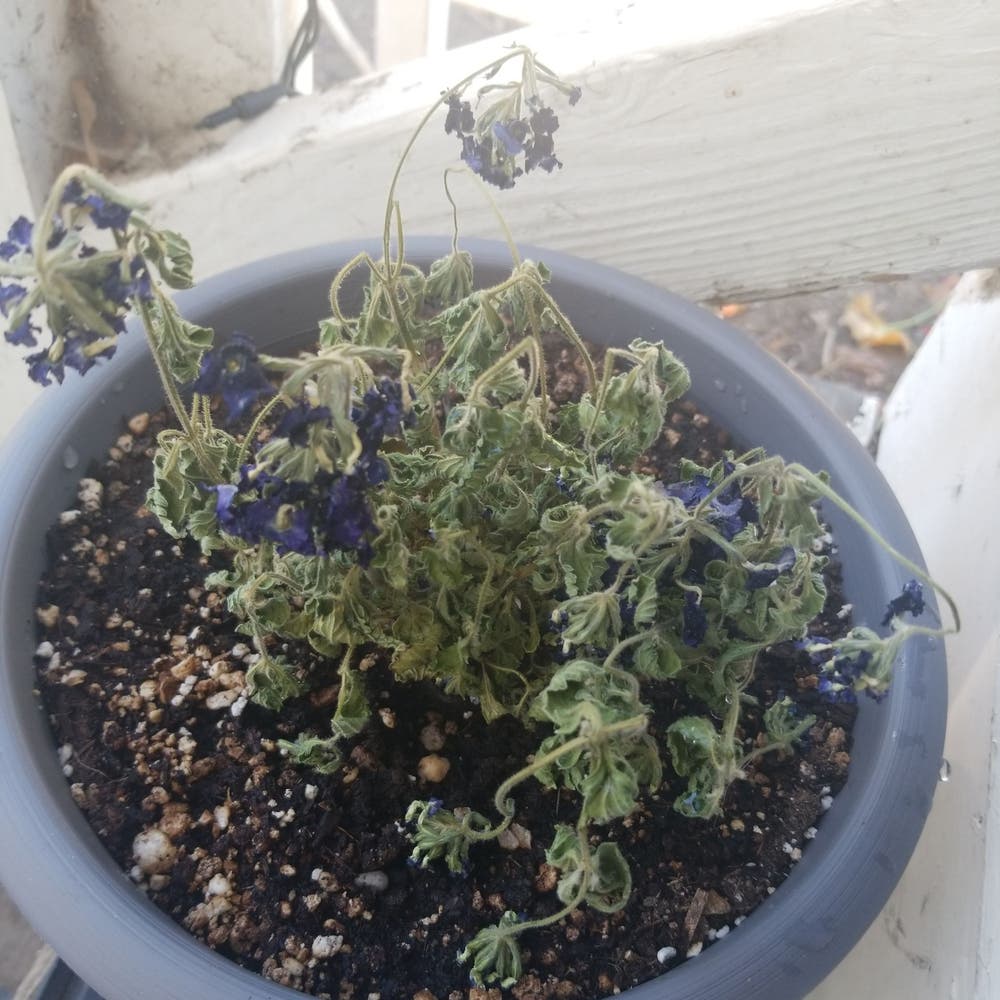
💧 Why Are My Brazilian Verbena Leaves Droopy?
Verbena brasiliensis
By the Greg Editorial Team
Jun 14, 2024•5 min read
This article was created with the help of AI so we can cover more plants for you. May contain errors. See one? Report it here.
- Droopy leaves signal distress, often with discoloration and stunted growth.
- 🌡️ Keep 60-80°F and bright, indirect light for healthy Verbena.
- Consistent care prevents droopiness: water wisely, rotate, and fertilize.
Spotting the Signs of Droopy Leaves
🍂 Visual cues: What droopy leaves on Brazilian Verbena look like
When your Brazilian Verbena starts to look more like a weeping willow, take note. Droopy leaves are your plant's way of saying, "Hey, I'm not okay!" The once vibrant and upright foliage may begin to hang low, feeling less firm and looking downright sad. This isn't just a bad leaf day; it's a cry for help.
🍁 Beyond the droop: Other symptoms to watch for
But wait, there's more. Droopy leaves often don't travel alone; they bring friends like discoloration and leaf curling. If your Verbena's leaves are starting to resemble a pale imitation of their former selves, or if they're curling up like they're trying to hide from you, it's time to spring into action. Keep an eye out for other party crashers too, like stunted growth or leaves that fall off at the slightest touch. These are all signs that your Verbena is more than just droopy—it's distressed.
The Thirst Quandary: Water Issues
💦 Too Much Love: The Perils of Overwatering
Overwatering is like a helicopter parent; it's smothering. Your Brazilian Verbena isn't asking for a daily pool party. Signs of overindulgence include yellowing leaves and a swampy soil feel. If the pot's heavier than your last grocery bag, it's likely waterlogged.
🏜️ When Thirst Strikes: Recognizing Underwatering Distress
Conversely, underwatering turns your Verbena into a botanical drama queen, with leaves drooping more than a teenager's shoulders. The soil should feel dry, but not like you've brought the Sahara home. If the leaves perk up after watering, you've hit the hydration sweet spot.
🚰 Fixing the Flow: Adjusting Your Watering Habits
To adjust, think of watering like a coffee routine—regular, but adaptable. Deep watering ensures the roots get their share, not just the surface. Before you pour, do the finger test; if the top inch is dry, it's time to water. Remember, your plant prefers sips over swims, so let the soil dry out a bit between waterings.
When the Environment Gets Tough
🌡️ Heat Waves and Chills: Temperature's Role in Leaf Droopiness
Temperature swings are the drama queens of the plant world, causing Brazilian Verbena leaves to droop like overworked employees on a Monday. Consistency is your plant's best friend; aim for a steady 60-80°F (16-27°C) to keep the leaves perky.
💡 Let There Be (the Right Amount of) Light: Balancing Light Exposure
Brazilian Verbena craves bright, indirect light—think of it as the plant's ideal spa setting. Too much direct sunlight, and you'll have leaves curling up from sunburn. Not enough light, and your Verbena will stretch out like a cat on a windowsill, leading to weak growth. Rotate your plant to ensure even light distribution and prevent the botanical equivalent of a lopsided tan.
🍽️ Feeding Your Green Friend: Tackling Nutrient Deficiencies
Nutrient deficiencies can leave your Verbena looking as sad as a salad bar at a barbecue. Use a balanced fertilizer but don't go overboard—over-fertilization is like stuffing your plant with junk food. It's all about giving your green buddy a well-rounded diet to avoid the droop.
Unwanted Guests: Pests and Diseases
🐛 Bug Battles: Identifying Pests that Bring the Droop
Pests are the uninvited guests at the leafy soiree of your Brazilian Verbena. Aphids, spider mites, and whiteflies are the usual suspects, leaving behind a trail of sticky residue or fine webbing. Vigilance is key. Inspect regularly, especially under leaves and near buds. Spotting these critters early can save your plant from a world of droop.
🦠 Sickly Symptoms: Diseases that Lead to Limp Leaves
Diseases are more like silent gatecrashers, often going unnoticed until it's almost too late. Root rot and stem blight are the common party poopers, with symptoms like black or brown spots on leaves. If you find your plant's leaves looking like they've seen better days, it's time to act fast. Isolate the patient, remove affected foliage, and improve air circulation.
💉 Winning the War: Effective Treatments for Pests and Diseases
When it comes to treatment, it's all about precision. Neem oil and insecticidal soap are your go-to bouncers, showing pests the door. Apply with care, focusing on the underbelly of leaves, and be consistent with reapplication. For diseases, consider copper fungicides or Mycostop, but always with a nod to eco-friendliness. Remember, prevention is better than cure; keep the environment clean and dry to discourage future freeloaders.
Bouncing Back: Revival and Prevention Strategies
💧 Water Wisdom: Perfecting Your Watering Technique
Consistency is key when it comes to watering your Brazilian Verbena. Ensure the soil is moist but not soggy by checking the top inch for dryness before giving it a drink. Overwatering can be just as harmful as underwatering, so find that sweet spot where the soil feels like a wrung-out sponge, not a drenched towel.
🏡 Creating the Ideal Home: Environmental Tweaks for Happy Leaves
Your Verbena's environment can make or break its spirit. Keep it in a spot with ample light but shield it from the harsh midday sun. Temperature fluctuations are a no-go; think stable, like your ideal vacation weather—comfortable, not extreme. And remember, good drainage is non-negotiable; your plant's roots need to breathe, not swim.
🍽️ Nutrient Know-How: Ensuring Your Verbena Gets What It Needs
A balanced diet is as crucial for your Verbena as it is for you. Use a fertilizer that's like a multivitamin for your plant, providing all the necessary nutrients without overdoing it. Keep an eye out for new growth—it should be vibrant and robust, a sign that your plant is getting its groove back.
⚠️ Safety First
This content is for general information and may contain errors, omissions, or outdated details. It is not medical, veterinary advice, or an endorsement of therapeutic claims.
Always consult a qualified healthcare professional before using any plant as food, medicine, or supplement.
Never eat any plant (or feed one to pets) without confirming its identity with at least two trusted sources.
If you suspect poisoning, call Poison Control (800) 222-1222, the Pet Poison Helpline (800) 213-6680, or your local emergency service immediately.
Spotted an error? Please report it here.
Ensure your Brazilian Verbena thrives with perky leaves 🍃 by leveraging Greg's custom watering plans and environmental tips to combat droopiness.