Why Are My Blue Star Davana Fern Leaves Dropping?
Phlebodium aureum 'Davana'
By the Greg Editorial Team
Jun 18, 2024•4 min read
This article was created with the help of AI so we can cover more plants for you. May contain errors. See one? Report it here.
Prevent your Blue Star Davana Fern from shedding its beauty 🍂 with these essential care tips.
- Overwatering and underwatering both lead to leaf drop; aim for moist, not soggy soil.
- Bright, indirect sunlight is ideal; too much or too little light can harm leaves.
- Stable temperatures (65-75°F) and humidity are crucial for Blue Star Davana Fern health.
Pinpointing the Culprits Behind Leaf Drop
💧 Overwatering Woes
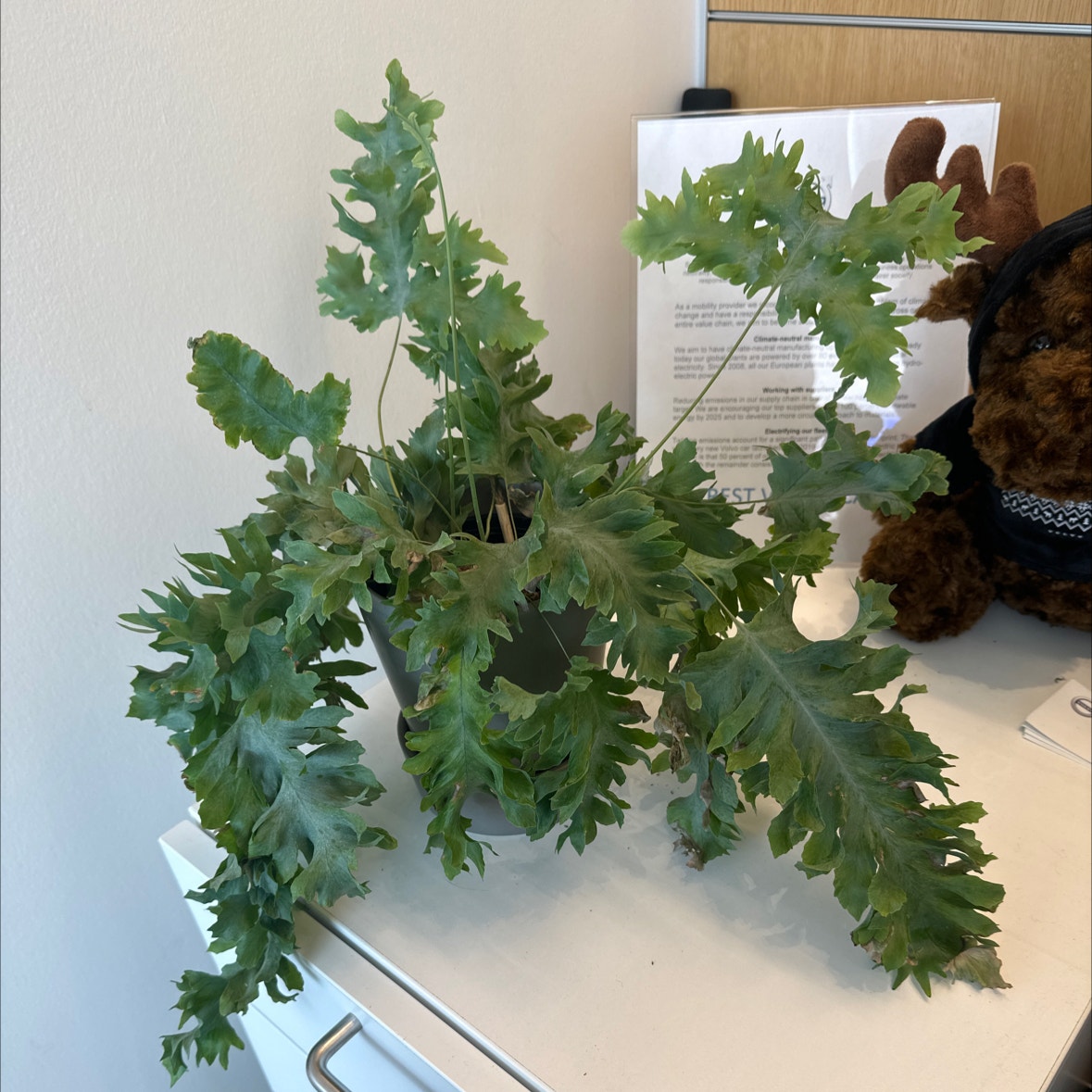
Soggy soil is a telltale sign of overwatering your Blue Star Davana Fern. Leaves may turn a lackluster yellow or adopt the texture of a wet paper towel.
To adjust your watering routine, wait until the top inch of soil feels dry to the touch. Consider the heft of the pot; a heavy pot could indicate excess water below the surface.
🏜️ The Thirsty Fern
Underwatering symptoms include crispy leaves and soil that recoils from the pot like it's been personally offended.
For the watering sweet spot, ensure the soil feels like a wrung-out sponge—moist but not drenched.
🌞 Light: Finding the Balance
Too much light will have your fern's leaves looking sunburnt, while too little light leads to a wilted demeanor.
The best lighting for Blue Star Davana Fern is bright, indirect sunlight. A north-facing window or a spot behind sheer curtains can be ideal.
🌡️ Temperature and Humidity: The Comfort Zone
Dramatic temperature fluctuations can cause your fern to shed leaves in silent protest.
Create a stable environment by keeping your fern away from drafts and maintaining a consistent temperature that mimics its natural, tropical habitat.
🍽️ Feeding Your Fern Right
Nutrient deficiencies manifest as yellowing leaves or stunted growth.
Fertilize with a balanced, water-soluble fertilizer, but remember—less is more. Over-fertilization can cause as much damage as neglect.
Turning Things Around: Remedies for Each Cause
💧 Fine-Tuning Watering Habits
Overwatering is like giving your fern a bath when it just needs a shower. Cut back on the H2O if the soil feels more swamp than damp. Here's how to dial it back:
- Check the soil moisture before watering; if it's wet, wait it out.
- Water only when the top inch of soil is dry to the touch.
- Use pots with drainage holes to avoid the dreaded "wet feet" scenario.
🌿 Light Adjustments for Lush Leaves
Too much sun and your fern will fry; too little, and it'll pine for light. Balance is key. Achieve this by:
- Moving your fern to a spot with bright, indirect sunlight.
- If leaves are bleaching, pull back from the window.
- No direct sunbathing, please—fern fronds aren't fans of tanning.
🌡️ Temperature and Humidity Control
Your fern's not fussy, but it does like its comfort. Keep the thermostat steady and the air moist. Implement these strategies:
- Maintain room temperatures between 65-75°F (18-24°C).
- Use a humidifier or pebble tray to boost humidity levels.
- Avoid placing your fern near drafts or heating vents.
🌱 Nutrient Boost: Reviving Your Fern
Feeding your fern should be like a gourmet meal—nutritious but not overdone. Revitalize with care:
- Use a balanced, water-soluble fertilizer monthly during the growing season.
- Consider foliar feeding if the soil's nutrient uptake is compromised.
- If you spot fertilizer buildup, flush the soil and give it a break before the next feed.
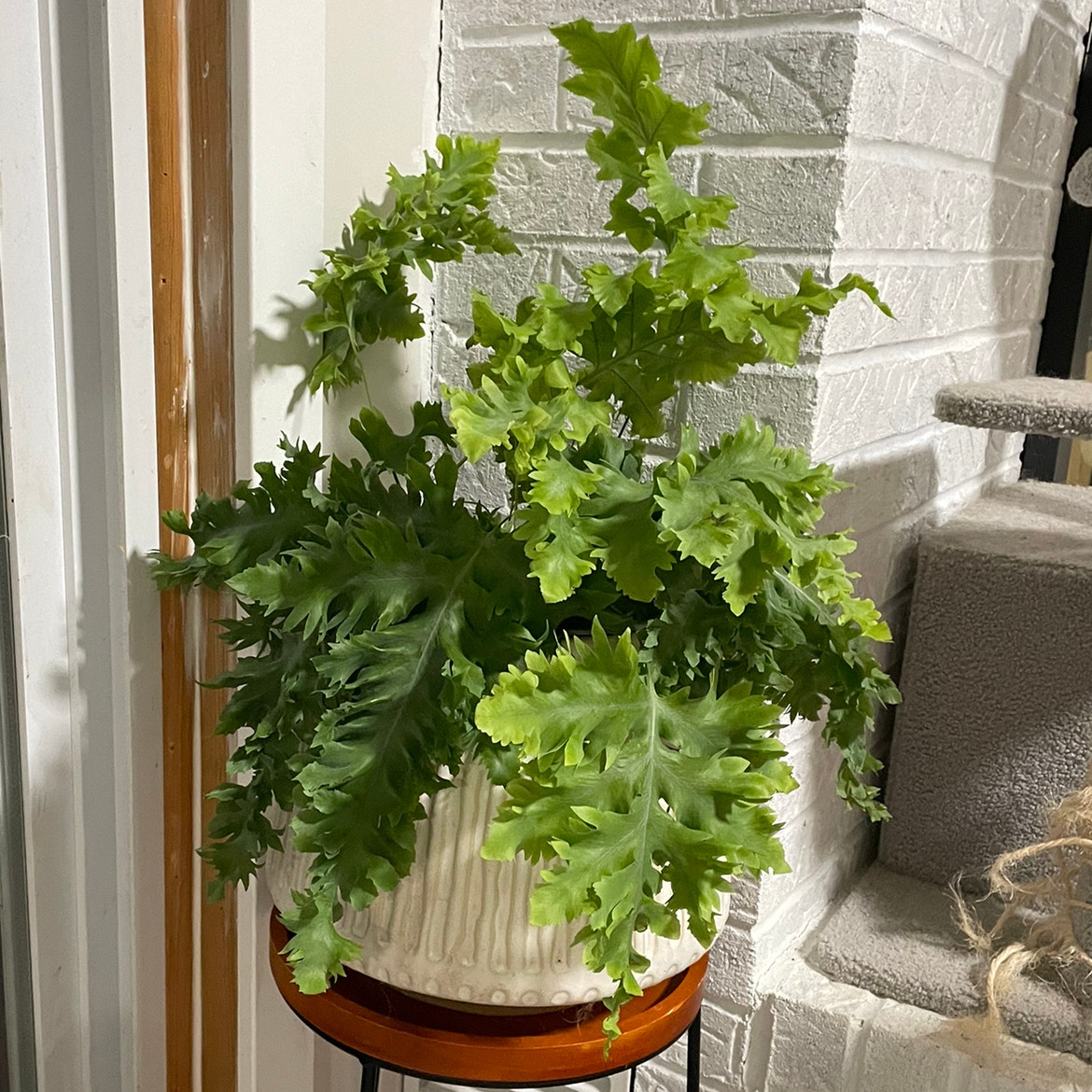
Proactive Care: Keeping Your Fern Happy
💧 Consistent Watering Schedule
Tools like soil moisture meters take the guesswork out of watering. Feel the soil; if it's dry to the touch, it's time for a drink. Techniques include watering less frequently but thoroughly, ensuring even moisture without waterlogging the roots.
🌿 Ideal Lighting Setup
Light meters help you measure and provide the right amount of indirect sunlight. Positioning your fern in a spot that mimics its natural, dappled-light habitat is key to avoiding the crispy-leaf syndrome.
🌡️ Climate Control in Your Home
Humidifiers can be a fern's best pal in dry homes, while thermometers ensure you're not turning your fern into a popsicle or a wilted salad. Aim for that tropical middle ground.
🌱 Regular Nutrient Checks
Testing soil for nutrient levels isn't just for the pros. Simple test kits can tell you when it's time to feed your fern a balanced fertilizer, avoiding the dreaded nutrient deficiency blues.

⚠️ Safety First
This content is for general information and may contain errors, omissions, or outdated details. It is not medical, veterinary advice, or an endorsement of therapeutic claims.
Always consult a qualified healthcare professional before using any plant as food, medicine, or supplement.
Never eat any plant (or feed one to pets) without confirming its identity with at least two trusted sources.
If you suspect poisoning, call Poison Control (800) 222-1222, the Pet Poison Helpline (800) 213-6680, or your local emergency service immediately.
Spotted an error? Please report it here.
Keep your Blue Star Davana Fern thriving and leaf-drop free 🍃 by using Greg to balance your watering, lighting, and feeding routines with precision and ease.


