What Does It Mean When Aglaonema 'Tricolor' Blooms?
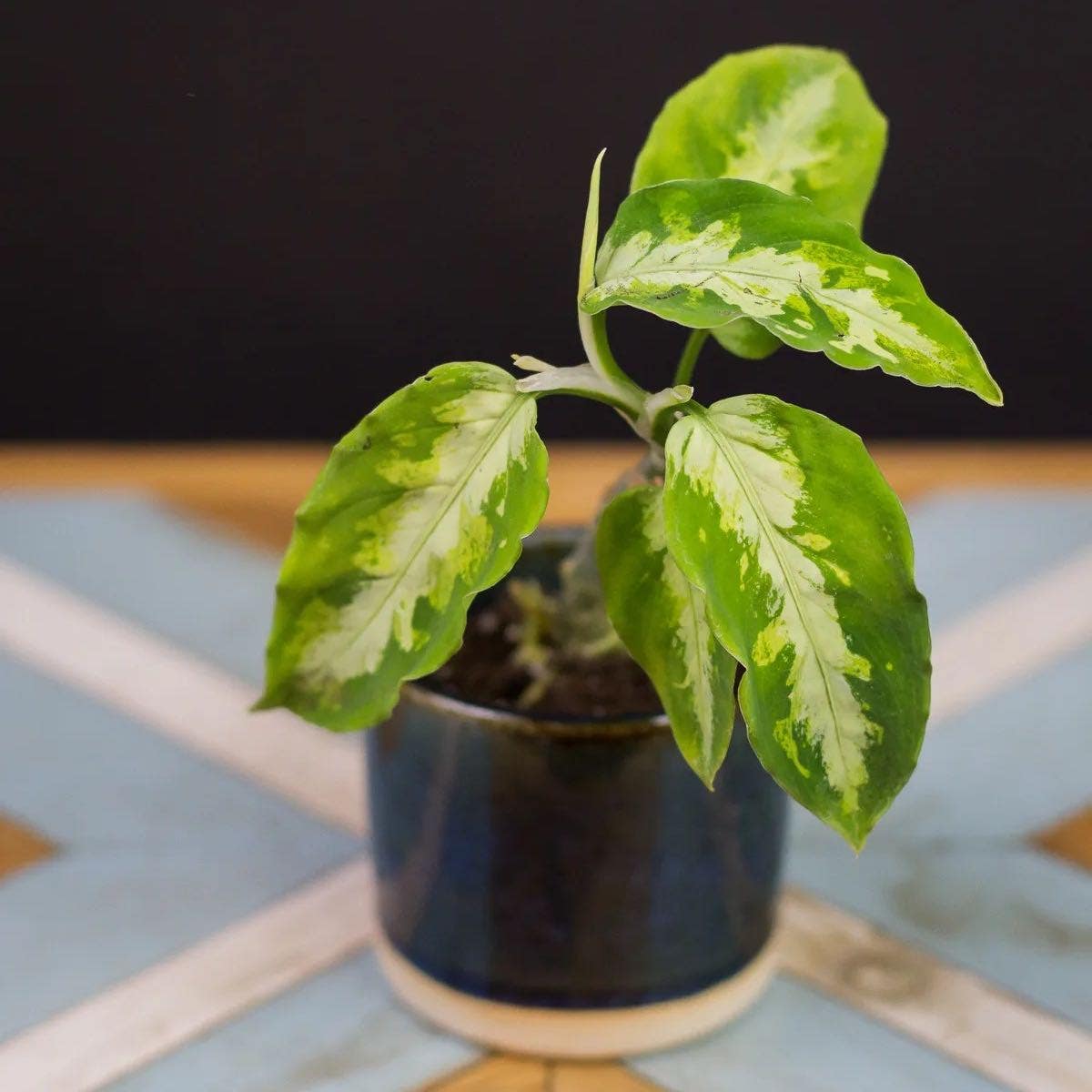
Aglaonema pictum 'Tricolor'
By the Greg Editorial Team
Jun 18, 2024•4 min read
This article was created with the help of AI so we can cover more plants for you. May contain errors. See one? Report it here.
Witness the rare bloom of Aglaonema 'Tricolor' 🌸—a sign of your green thumb success!
- Blooms signal plant health and are a rarity indoors.
- Bright, indirect light and 60% humidity are key to flowering.
- High-phosphorus fertilizer and pruning encourage continuous blooms.
When Your Aglaonema 'Tricolor' Decides to Bloom
🌸 What Blooms Mean for Your Plant's Health
When your Aglaonema 'Tricolor' flaunts flowers, it's not just for show. Flowering is a telltale sign of maturity and a thumbs-up to your plant parenting skills. It's like your green buddy saying, "You've got this!" But keep in mind, while blooms often mean the plant is thriving, they're not the be-all and end-all of plant health.
🌟 The Rarity of Indoor Blooms
Spotting blooms on your indoor Aglaonema 'Tricolor' is like catching a glimpse of a shooting star—rare and special. These plants don't toss flowers around lightly; it's their way of saying the stars have aligned in their care. So, if you see a spadix peeking out, pat yourself on the back. You've cracked the indoor jungle code.

Setting the Stage for Flowers
💡 The Right Light to Spark a Bloom
Light intensity and duration are crucial for coaxing your Aglaonema 'Tricolor' into bloom. These plants need a Goldilocks zone of brightness—too much sun can scorch, too little can stunt growth. Aim for bright, indirect light that mimics the dappled sunlight of their native tropics.
If natural light is playing hard to get, consider grow lights. LEDs that emit blue and red wavelengths can be particularly effective. Position them about 10-12 inches from the plant, and keep them on for 10-12 hours a day to simulate a natural photoperiod.
🌡️ Warmth and Moisture: Mimicking the Tropics
Your Aglaonema 'Tricolor' is a tropical soul at heart. To encourage flowering, maintain a consistent temperature between 65°F and 75°F—avoid drafts and sudden temperature swings like you'd avoid a cold pool in winter.
Humidity is another piece of the puzzle. These plants thrive at around 60% humidity, so consider using a humidifier or a pebble tray to up the ante. Just make sure there's air circulation to prevent any fungal soap operas—a gentle fan can work wonders. Keep the soil moist but not soggy; overwatering is the quickest way to drown your blooming hopes.

Feeding Your Plant for Flowers
💐 Nutrients That Nudge Towards Blooming
To get your Aglaonema 'Tricolor' to bloom, phosphorus is your secret weapon. Think of it as the plant's version of a pep talk. A fertilizer with a high phosphorus content (the middle number in the N-P-K ratio) is crucial. But remember, balance is key; too much phosphorus and you'll get a foliage party with no guests of honor.
🕰 Timing and Frequency of Fertilization
Consistency is your friend when it comes to fertilization. Start a monthly fertilizing regimen as spring rolls around, when your plant is raring to grow. But once the blooms wave goodbye, dial it back. A balanced feed keeps your Aglaonema 'Tricolor' fit and ready for its next performance. Remember, overzealous fertilizing is like an all-you-can-eat buffet—it sounds great but leaves you sluggish and bloated, or in this case, all leaves and no blooms.
After the Bloom: Ensuring Continuous Flowers
🌸 Post-Bloom Care Tips
Once your Aglaonema 'Tricolor' has graced you with flowers, it's not time to rest on your laurels. Consistent care is key to coaxing out future blooms. Keep the light, water, and nutrient levels steady, as any drastic changes can send your plant into a sulk. Rotate your plant periodically to ensure all sides bask in that sweet, sweet indirect light. And don't forget to keep those leaves dust-free for maximum photosynthesis efficiency.
🌱 Pruning for Potency
After the flowers fade, it's time to play gardener-surgeon. Strategic pruning not only tidies up your plant but also redirects energy towards new growth and future flowers. Snip off spent flowers and yellowing leaves. Keep those shears clean and sharp to avoid any unnecessary plant stress. Remember, it's not just about making it look pretty; it's about setting the stage for the next blooming encore.
And hey, if you notice your plant looking a bit peaky after pruning or fertilizing, don't panic. Just flush the soil with water to remove any excess fertilizer and give it a chance to recover. Overfertilization is the plant equivalent of a hangover, and nobody wants that. Keep an eye out for new growth—it's a sign your Aglaonema is ready for its next big show.
⚠️ Safety First
This content is for general information and may contain errors, omissions, or outdated details. It is not medical, veterinary advice, or an endorsement of therapeutic claims.
Always consult a qualified healthcare professional before using any plant as food, medicine, or supplement.
Never eat any plant (or feed one to pets) without confirming its identity with at least two trusted sources.
If you suspect poisoning, call Poison Control (800) 222-1222, the Pet Poison Helpline (800) 213-6680, or your local emergency service immediately.
Spotted an error? Please report it here.
Nurture your Aglaonema 'Tricolor' to rare blooms by following Greg's 🌱 tailored reminders for light, humidity, and fertilizing, ensuring your plant care is as special as the flowers themselves!


