How to Fertilize Your Aglaonema 'Tricolor'
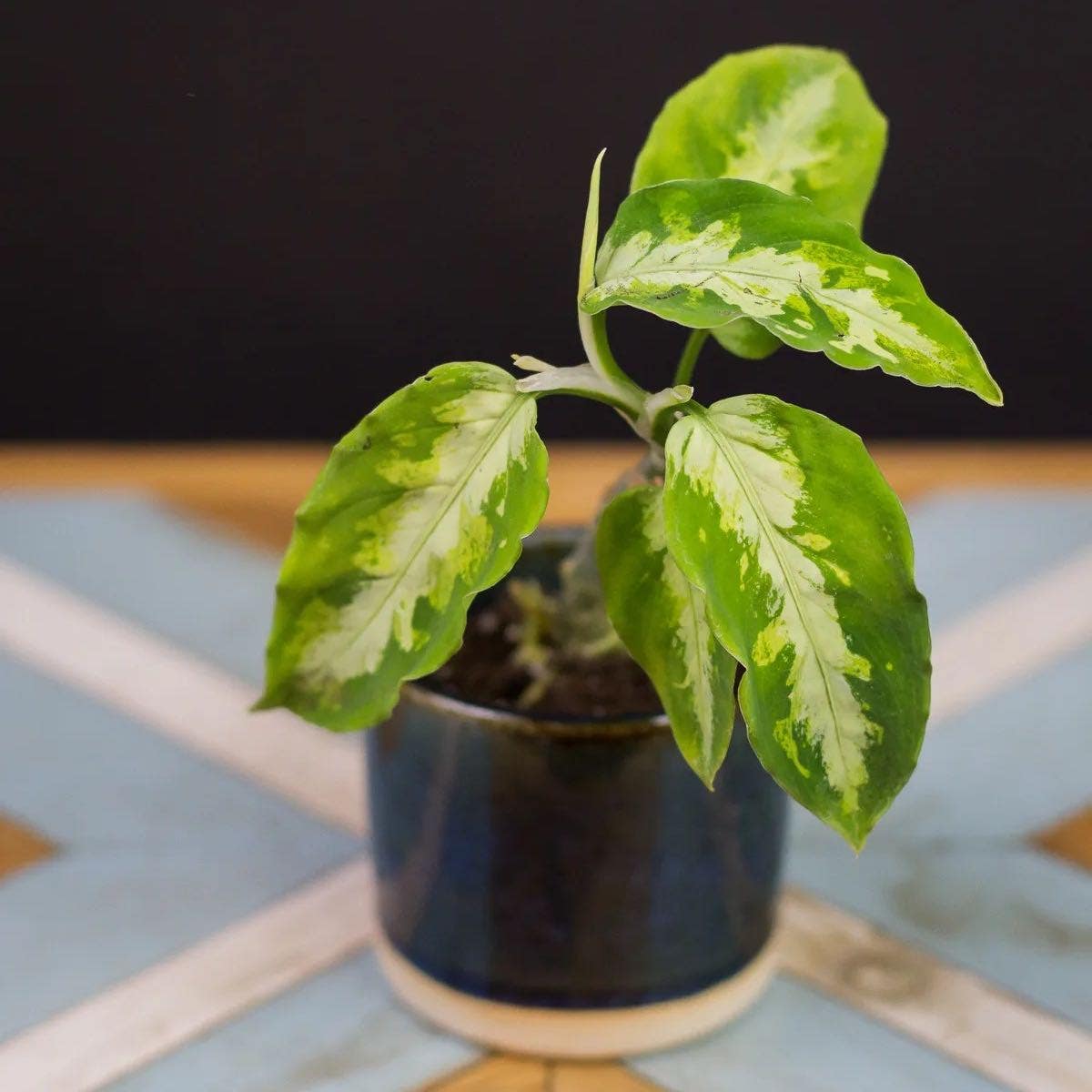
Aglaonema pictum 'Tricolor'
By the Greg Editorial Team
Jun 18, 2024•4 min read
This article was created with the help of AI so we can cover more plants for you. May contain errors. See one? Report it here.
Nourish your Aglaonema 'Tricolor' to lush perfection 🌿 with our tailored fertilizing secrets.
- 🌱 Balanced NPK fertilizer is ideal for Aglaonema 'Tricolor' health.
- Adjust fertilizing with seasons: more in spring/summer, less in fall/winter.
- Over-fertilization signs: yellow leaves, stunted growth. Flush soil if needed.
Picking the Perfect Fertilizer
🌱 Balanced Diet for Your Aglaonema
Nitrogen (N), Phosphorus (P), and Potassium (K) are the trifecta of plant health. Your Aglaonema 'Tricolor' craves a balanced diet to flaunt its vibrant foliage and potential blooms. A balanced fertilizer with equal NPK values is like hitting the jackpot for your plant.
Organic or synthetic? The choice can be daunting. Organic fertilizers release nutrients slowly, improving soil health over time. Synthetic options might give your 'Tricolor' a quicker boost but won't do much for soil texture or microbe life.
📖 Reading the Labels
Fertilizer labels can be a puzzle. The N-P-K ratio is your Rosetta Stone, decoding the nutrient content. For your Aglaonema, a balanced mix—think 10-10-10—is a safe bet.
Life stage matters. Young plants or those in their growth spurt might appreciate a bit more nitrogen. But stick to the recommended dosage; it's a fine line between feeding and overfeeding.
Remember, labels are there to guide you. Adjust your fertilizing strategy as your 'Tricolor' grows, and always keep an eye out for how it responds. Too much love in the form of fertilizer can lead to a nutrient overdose.

Timing is Everything: When to Fertilize
🌱 Growing Season Guidelines
Spring and summer are prime time for your Aglaonema 'Tricolor'. This is when it's all systems go for growth, so fertilizing every two weeks to once a month is your sweet spot. As the seasons shift to fall and winter, ease off the gas. Growth takes a backseat, and your plant won't need the extra nutrients.
Signs Your Aglaonema is Hungry
Look out for lackluster leaves or a slowdown in new growth—these are your plant's way of saying, "Feed me!" If your 'Tricolor' isn't sprouting new, shiny leaves during its growing season, it's time to break out the fertilizer. But remember, it's not a cure-all; if your plant is struggling, consider other factors like lighting or water first.
Fertilizing Step-by-Step
💧 The Right Amount
Getting the right amount of fertilizer for your Aglaonema 'Tricolor' is like hitting the bullseye in darts—it requires precision. Overzealousness with fertilizer can lead to a nutrient overdose, so let's keep it in the green zone.
- Measure meticulously. Use a syringe or a measuring spoon to ensure you're not going over the recommended dose. Think of it as following a recipe for the world's most delicate soufflé—accuracy is key.
- Mix thoroughly. If you're using a liquid fertilizer, dilute it as directed. This isn't a cocktail; stronger isn't better. It's more like diluting a potent espresso shot to the perfect Americano balance.
🌱 Application Techniques
Now, for the main event: applying the fertilizer. You're not just feeding your plant; you're curating its diet.
- Water first. Ensure your Aglaonema is hydrated before fertilizing. It's like wetting your whistle before a meal.
- Apply evenly. If you're using granular fertilizer, sprinkle it around the base, not directly on the plant. Imagine you're seasoning a gourmet dish—distribution is everything.
- Avoid the leaves. When using liquid fertilizer, target the soil to prevent leaf burn. It's like applying sunscreen; you want coverage, but you don't want it in your eyes.
- Less is more. Stick to the recommended dosage. Overdoing it can lead to a sad, droopy 'Tricolor' rather than a vibrant, perky one.
- Fertigation can be your friend. Combine watering and fertilizing for efficiency, but remember, moderation is the mantra.
- Repeat with restraint. Only fertilize as often as necessary. Your 'Tricolor' doesn't need a constant buffet, just regular meals.

Dealing with Too Much Love: Over-Fertilization
🚨 Spotting Trouble
Recognizing the signs of over-fertilization is crucial. Your Aglaonema 'Tricolor' might display yellowing leaves, stunted growth, or even a white, crusty buildup of fertilizer salts on the soil surface. These symptoms mimic other issues, so ensure over-fertilization is the true culprit before taking action.
🛠️ The Recovery Plan
If you've been a bit too generous with the nutrients, it's time to dial it back. Stop fertilizing immediately and give your plant a chance to recover. Begin the rescue mission by flushing the soil with water to leach out excess fertilizer. This may need to be repeated several times. In severe cases, consider repotting in fresh soil to give your plant a clean slate. Moving forward, stick to the recommended dosage and frequency, and remember: when it comes to plant food, more isn't always better.
⚠️ Safety First
This content is for general information and may contain errors, omissions, or outdated details. It is not medical, veterinary advice, or an endorsement of therapeutic claims.
Always consult a qualified healthcare professional before using any plant as food, medicine, or supplement.
Never eat any plant (or feed one to pets) without confirming its identity with at least two trusted sources.
If you suspect poisoning, call Poison Control (800) 222-1222, the Pet Poison Helpline (800) 213-6680, or your local emergency service immediately.
Spotted an error? Please report it here.
Nurture your Aglaonema 'Tricolor' to peak lushness 🌿 with Greg's tailored fertilizing schedule that adapts to your plant's growth and home conditions.


