How to Prune Aglaonema 'Tricolor'
Aglaonema pictum 'Tricolor'
By the Greg Editorial Team
Jun 18, 2024•3 min read
This article was created with the help of AI so we can cover more plants for you. May contain errors. See one? Report it here.
Revitalize your Aglaonema 'Tricolor' with smart pruning for lush growth and vivid colors this spring! 🌿✂️
- 🌱 Spring pruning optimizes growth, just above a leaf node for balance.
- ✂️ Use sharp, clean tools to prevent damage and disease.
- 🍂 Remove unhealthy leaves to boost health and aesthetics.
Best Times to Get Snippy with Your Aglaonema
🌱 Spotting the Right Moment
Spring is prime time for pruning your Aglaonema 'Tricolor'. This is when it's all systems go for growth, and your plant will bounce back like a champ. Watch for yellow or burnt leaves throughout the year—they're your cue to grab the shears outside of spring.
🛠️ Pruning Prep: Getting Your Tools Together
Sharp tools are non-negotiable. Think clean, precise cuts that promote healing, not jagged tears that scream 'botched job'. Sterilize with alcohol or bleach solution to nix any pathogens. Remember, pruning is surgery, and you're the doc—keep it clean.
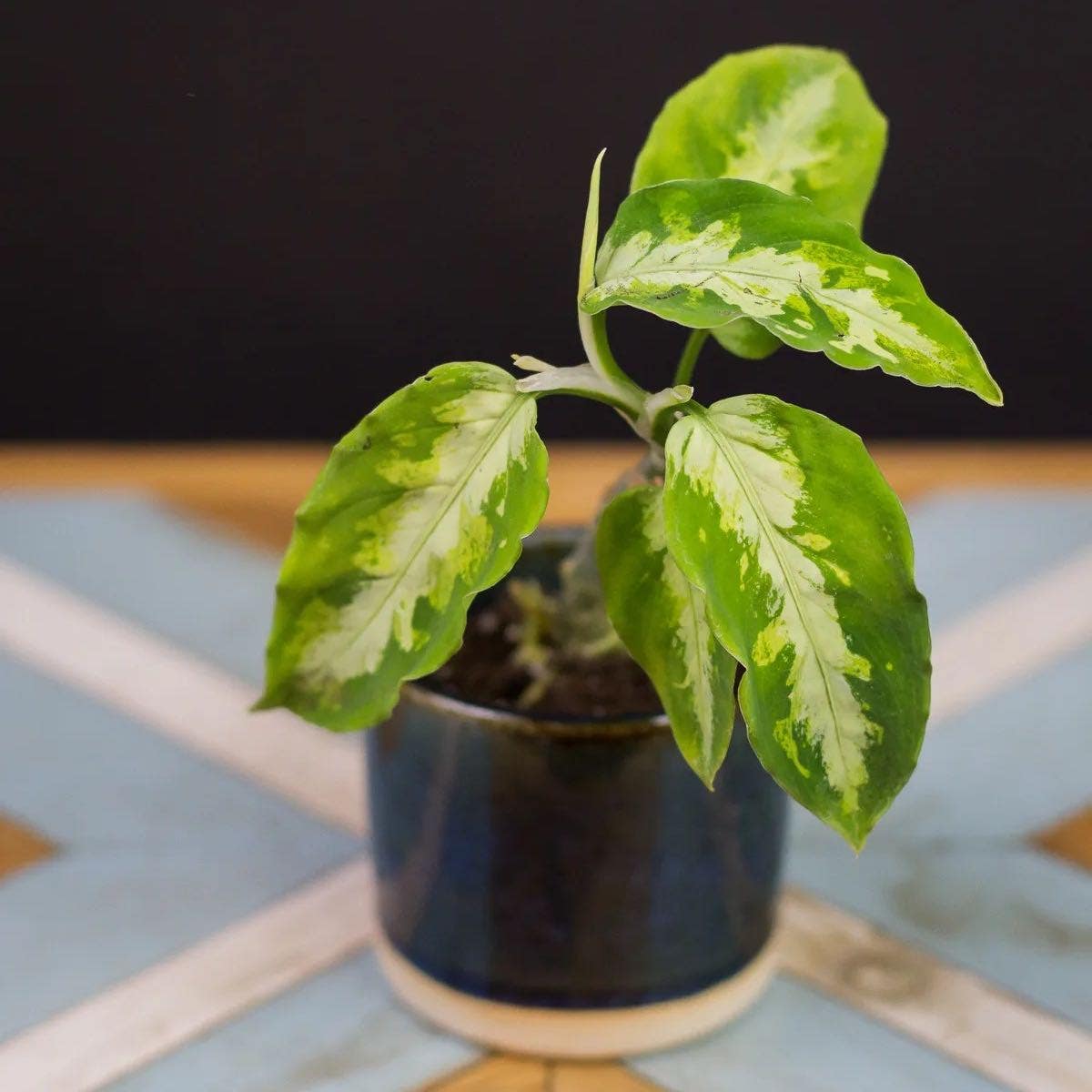
Making the Cut: Pruning for Beauty
🌿 Shaping Up
To sculpt your Aglaonema 'Tricolor' into a living masterpiece, follow this guide. First, assess the plant's overall shape. Look for lopsided growth or stems that disrupt the plant's symmetry. Using clean, sharp pruning shears, snip these offenders just above a leaf node, where new growth will sprout. Aim for a balanced form, but don't get snip-happy; less is often more.
🎨 Color Correction
Next, address any discolored or damaged leaves that mar the tricolor display. These blemishes can detract from the plant's vibrancy. Carefully remove these leaves at their base, ensuring you don't damage nearby healthy foliage. This not only improves appearance but also redirects energy to the healthier parts of the plant, promoting vigorous growth.

Pruning for a Happy Plant
🌿 Out with the Old
Spotting the culprits is key. Look for leaves that are yellow, brown, or have a sad, life-has-left-me look. Snip them off at the base to prevent disease spread and to give your Aglaonema 'Tricolor' a clean bill of health.
Thinning out isn't just for hair. It's crucial for plants too. Remove crowded leaves to boost air flow and light exposure. Your plant's interior will thank you with better growth and fewer issues with pests and diseases.
🌱 Encouraging New Growth
Strategic cuts can be like a caffeine shot for your plant. Trim just above a leaf node, and watch as your Aglaonema pushes out new life with gusto. It's like telling your plant, "Hey, wake up and grow some more!"
Balance is everything. Don't go Edward Scissorhands on your plant. Prune enough to stimulate growth, but leave it with plenty of foliage to photosynthesize and stay healthy. It's all about that lush, full look without tipping into the realm of plant baldness.

Troubleshooting Your Pruning Process
🌿 Common Pruning Pitfalls
Pruning your Aglaonema 'Tricolor' is like walking a tightrope – balance is key. Over-pruning can leave your plant looking like a plucked chicken, while under-pruning might as well be not pruning at all. If your plant looks wilted or growth halts after pruning, you've likely gone too far. To avoid this, never remove more than one-third of the plant at a time. Keep an eye out for yellowing leaves or stunted growth, as these can signal over-pruning or pruning at the wrong time.
🛠 Quick Fixes for Pruning Oopsies
So you've turned your Aglaonema into a botanical buzzcut? First, don't panic. Focus on providing optimal care: water appropriately, ensure it has enough light, and maybe whisper an apology. If you've cut too much, resist the urge to overwater; soggy soil will only add insult to injury. Instead, let the soil dry out between waterings. When new leaves start to emerge, it's like getting a nod of forgiveness from your plant. Remember, patience is your new best friend – it's the secret sauce for your Aglaonema's comeback.
⚠️ Safety First
This content is for general information and may contain errors, omissions, or outdated details. It is not medical, veterinary advice, or an endorsement of therapeutic claims.
Always consult a qualified healthcare professional before using any plant as food, medicine, or supplement.
Never eat any plant (or feed one to pets) without confirming its identity with at least two trusted sources.
If you suspect poisoning, call Poison Control (800) 222-1222, the Pet Poison Helpline (800) 213-6680, or your local emergency service immediately.
Spotted an error? Please report it here.
Ensure your Aglaonema 'Tricolor' is pruned to perfection 🌿 with Greg's timely reminders and care tips for that springtime symmetry and health.


