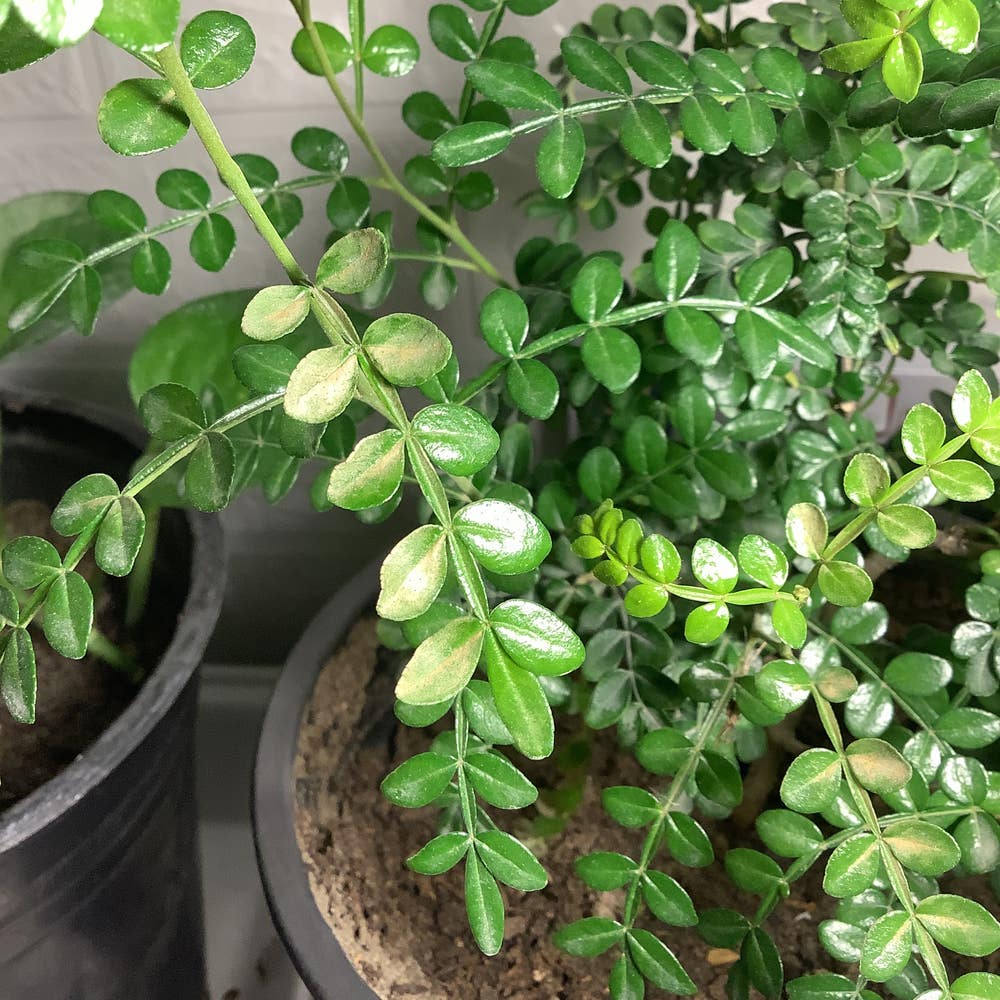
🌴 Overview of Zanthoxylum hawaiiense
Zanthoxylum hawaiiense
By the Greg Editorial Team
Jan 10, 2025•11 min read
This article was created with the help of AI so we can cover more plants for you. May contain errors. See one? Report it here.
- 🌞 Zanthoxylum hawaiiense thrives in 6-8 hours of sunlight; adjust light for optimal growth.
- 🌱 Well-drained, slightly acidic soil is essential for healthy growth and root development.
- 🐾 Caution advised: can cause skin irritation and gastrointestinal upset in pets.
How to Grow
Choosing a Location 🌞
Zanthoxylum hawaiiense thrives in full sun to partial shade, requiring 6-8 hours of sunlight daily. Ensure you provide enough space for its thorny branches and mature size, allowing it to grow comfortably without crowding.
Soil Preparation 🌱
For optimal growth, this plant prefers well-drained, fertile soil. Aim for a slightly acidic to neutral pH, ideally between 6.0 and 7.0, and always ensure good drainage to prevent root rot.
Planting Techniques 🌿
When planting seeds or seedlings, aim for a depth of 1-2 inches. Space your plants 3-5 feet apart to promote healthy growth and airflow.
Watering Needs 💧
Water your Zanthoxylum hawaiiense regularly, allowing the top inch of soil to dry out between waterings. Consider using drip irrigation or soaker hoses to maintain consistent moisture without over-saturating the roots.
Fertilizing Schedule 🌼
A balanced NPK fertilizer, such as 10-10-10, works best for this plant. Fertilize every 4-6 weeks during the growing season to support robust growth.
Pruning Practices ✂️
Prune your plant in late winter or early spring, just before new growth begins. Focus on removing dead or damaged branches and shaping the plant to encourage a healthy structure.
Ongoing Care 🔍
Regularly monitor your Zanthoxylum hawaiiense for signs of stress or disease. Adjust your watering and fertilizing practices based on seasonal changes to keep your plant thriving.
With these guidelines, you can cultivate a healthy and vibrant Zanthoxylum hawaiiense that will enhance your garden. Next, let’s explore how to propagate this fascinating plant!
Propagation
🌱 Seed Propagation
To start your journey with Zanthoxylum hawaiiense, begin with seed propagation. Soak the seeds in water for 24 hours before planting to kickstart the germination process.
For optimal growth, maintain warm temperatures between 70-80°F and ensure consistent moisture. This environment will help your seeds thrive and sprout effectively.
✂️ Cutting Propagation
Another effective method is cutting propagation. Select healthy stems that are 4-6 inches long for the best results.
Once you've chosen your cuttings, use a rooting hormone to encourage root development. Place them in a well-draining medium to provide the right conditions for growth.
🌿 Layering Techniques
Air layering is a fantastic technique to propagate Zanthoxylum hawaiiense. Start by wounding a branch and then cover it with moist sphagnum moss.
This method encourages root growth while still attached to the parent plant. It's a reliable way to produce new plants without the need for seeds or cuttings.
With these propagation techniques, you can expand your collection of Zanthoxylum hawaiiense and enjoy the beauty and benefits of this unique plant. Next, let’s explore its lifecycle stages and what to expect as it matures.
Lifecycle
Lifecycle Stages 🌱
Zanthoxylum hawaiiense is a perennial plant, meaning it lives for several years and continues to grow season after season. This resilience allows it to thrive in various environments, making it a valuable addition to gardens.
Seeds of Zanthoxylum hawaiiense typically germinate within 2-4 weeks under optimal conditions. This quick turnaround is a great incentive for gardeners eager to see their efforts pay off.
Growth Rate 📈
During the warm months, this plant experiences rapid growth, reaching maturity in about 3-5 years. With the right care, you can witness its transformation from a tiny seedling to a robust, mature plant in just a few seasons.
Understanding the lifecycle of Zanthoxylum hawaiiense helps you appreciate its growth patterns and care needs. This knowledge empowers you to provide the best environment for your plant, ensuring it flourishes beautifully.
As you delve deeper into the care of Zanthoxylum hawaiiense, the next crucial aspect to explore is its size and growth characteristics.
Size
Mature Height and Spread 🌳
Zanthoxylum hawaiiense is a striking plant that typically reaches heights of 10 to 20 feet. With a spread of 5 to 10 feet, it can create a lush, inviting presence in your garden.
Growth Rate and Factors Affecting Size 📈
This plant has a moderate growth rate, thriving best under optimal conditions. Factors such as sunlight, soil quality, and water availability play crucial roles in its overall size and health.
By ensuring your Zanthoxylum hawaiiense receives adequate sunlight and proper care, you can enjoy its impressive stature in your landscape. As you nurture this plant, keep an eye on these growth factors to maximize its potential.
Next, let's explore the fascinating root system of Zanthoxylum hawaiiense and how it supports the plant's growth.
Roots
Root System Characteristics 🌱
Zanthoxylum hawaiiense features a fibrous root system that provides stability and nutrient absorption. These roots typically extend 2-3 feet deep in well-drained soil, allowing the plant to thrive in various conditions.
Common Root-Related Issues ⚠️
One common issue is root rot, which occurs due to overwatering. To prevent this, ensure proper drainage in your planting area.
Another problem is becoming rootbound, which happens when roots grow out of drainage holes. If you notice this, it's time to repot your plant to give it more space to grow.
Understanding these root characteristics and issues can help you maintain a healthy Zanthoxylum hawaiiense. With proper care, your plant will flourish and contribute to your garden's beauty.
Next, we’ll explore the benefits of this remarkable plant and how it can enhance your landscape.
Benefits
Top 5 Benefits 🌟
Zanthoxylum hawaiiense offers a range of benefits that make it a valuable addition to any garden or landscape.
Culinary Uses
The fruits of Zanthoxylum hawaiiense are not just visually appealing; they serve as a spice in traditional Hawaiian dishes. Their unique flavor adds depth to culinary creations, making them a sought-after ingredient.
Medicinal Properties
This plant has a rich history in traditional Hawaiian medicine. It is used for various ailments, showcasing its importance in holistic health practices.
Aesthetic Appeal
With its attractive foliage and distinctive growth habit, Zanthoxylum hawaiiense enhances the beauty of landscapes. Its presence can transform an ordinary garden into a vibrant oasis.
Wildlife Habitat
Beyond aesthetics, this plant provides essential shelter and food for native birds and insects. It plays a crucial role in supporting local ecosystems.
Cultural Significance
Zanthoxylum hawaiiense is integral to Hawaiian traditions and practices. Its cultural relevance adds another layer of appreciation for this remarkable plant.
These benefits highlight why Zanthoxylum hawaiiense is more than just a plant; it's a multifaceted asset to both gardens and communities. As we explore further, we'll delve into companion planting and how to maximize your garden's potential.
Companion Plants
Companion Planting Benefits 🌱
Companion planting is a fantastic way to boost your garden's health and productivity. By pairing plants that support each other, you can enhance biodiversity and improve pest management.
Compatible Companion Plants 🌿
When growing Zanthoxylum hawaiiense, consider planting herbs like basil and mint nearby. These companions thrive under similar care conditions and can help deter pests while enriching the soil.
Plants to Avoid 🚫
It's wise to steer clear of plants that require excessive moisture or shade. These can compete for resources, potentially stunting the growth of your Zanthoxylum hawaiiense.
By choosing the right companions, you can create a thriving garden ecosystem that benefits all your plants. Next, let’s explore the potential toxicity of Zanthoxylum hawaiiense to humans and pets.
Toxicity to Humans
Potential Irritation 🌿
Zanthoxylum hawaiiense can cause irritation through its leaves, fruit, and sap. Symptoms may include skin rashes, itching, mild gastrointestinal upset, or eye irritation.
Seeking Care 🩺
If you experience any of these symptoms, it's wise to seek medical attention if they persist or worsen. Fortunately, most irritations are self-limiting and resolve on their own with proper care.
Staying Informed 📚
Understanding the potential toxicity of this plant is crucial for safe handling. Always wash your hands after contact and keep it out of reach of children and pets to avoid any unwanted reactions.
Conclusion 📝
Being aware of these irritants allows you to enjoy the beauty of Zanthoxylum hawaiiense while minimizing risks. Next, let’s explore how this plant interacts with our furry friends, particularly dogs.
Toxicity to Dogs
Potential Irritation 🐶
Zanthoxylum hawaiiense can pose some risks to our furry friends. The leaves and sap of this plant may cause irritation if ingested or contacted.
Symptoms to Watch For 👀
If your dog has been exposed, keep an eye out for symptoms like drooling, pawing at the mouth, mild vomiting, or skin irritation. These signs can be concerning, but they are typically self-limiting.
Guidance for Pet Owners 🩺
If you notice any of these symptoms persisting or worsening, it's best to seek veterinary care. Most cases resolve on their own, but it's always better to be safe and consult a professional if you're unsure.
Keeping Your Dog Safe 🏡
To prevent any issues, consider placing Zanthoxylum hawaiiense in areas that are inaccessible to your pets. Awareness and precaution can help ensure a harmonious garden space for both plants and pets.
Next, let’s explore how Zanthoxylum hawaiiense can affect our feline friends.
Toxicity to Cats
⚠️ Potential Irritation
Zanthoxylum hawaiiense can pose some risks to our feline friends. The leaves and sap of this plant may cause irritation if ingested or contacted.
👀 Symptoms to Watch For
If your cat has been in contact with the plant, keep an eye out for drooling, pawing at the mouth, mild vomiting, or skin irritation. These symptoms can be concerning but are typically self-limiting.
🐾 Guidance for Pet Owners
If you notice any of these symptoms persisting or worsening, it’s wise to seek veterinary care. Most cases resolve without intervention, but it's always better to err on the side of caution when it comes to your pet's health.
By being aware of these potential irritations, you can enjoy your Zanthoxylum hawaiiense while keeping your furry companions safe. Now that you know about the toxicity to cats, let’s explore how to prevent common problems that may arise with this plant.
Problems
Common Problems with Zanthoxylum hawaiiense 🌱
Growing Zanthoxylum hawaiiense can be rewarding, but it’s not without its challenges. Understanding these common problems can help you maintain a healthy plant.
Incorrect Watering 🚰
Watering is crucial for your plant's health. Overwatering can lead to root rot, while underwatering will cause wilting and stress.
Incorrect Light Conditions 💡
Light plays a significant role in growth. Insufficient light can result in leggy growth, making the plant weak and less appealing.
Diseases 🦠
Fungal diseases can also pose a threat. Watch out for issues like powdery mildew, rust, black rot, and blight, which can affect the overall vitality of your plant.
By keeping an eye on these potential problems, you can ensure your Zanthoxylum hawaiiense thrives. Next, let’s explore the pests that might invade your garden and how to manage them effectively.
Bugs
Potential Pest Issues 🐜
Zanthoxylum hawaiiense is generally pest-resistant, making it a robust choice for gardens. However, it can still fall victim to certain pests that may affect its health.
Common Pests 🐞
- Spider Mites: These tiny pests thrive in dry conditions and can cause significant damage by sucking the sap from leaves.
- Scale Insects: Often appearing as small bumps on stems and leaves, they can weaken the plant by feeding on its fluids.
- Mealybugs: These cotton-like pests can cluster on stems and leaves, leading to sticky residue and potential mold growth.
- Aphids: Known for their rapid reproduction, aphids can cause curling leaves and transmit diseases.
Management Strategies 🛠️
To keep your Zanthoxylum hawaiiense thriving, monitor for these pests regularly. If you spot any, consider using insecticidal soap or neem oil for effective control.
Conclusion 📜
By staying vigilant and employing simple pest management techniques, you can ensure your Zanthoxylum hawaiiense remains healthy and vibrant. Next, let’s explore what animals might be interested in munching on this resilient plant.
What Eats
🦌 Common Animals
Zanthoxylum hawaiiense can attract a variety of wildlife, which may pose a challenge for gardeners.
- Deer: These graceful creatures often browse on the leaves and stems, leaving behind telltale signs of their munching habits.
- Rabbits: If you notice chewed leaves and stems, rabbits might be the culprits, nibbling away at your plants.
🚫 Methods for Deterring
To protect your Zanthoxylum hawaiiense from these hungry visitors, consider implementing a few deterrent strategies:
- Commercial repellents: These can be effective in keeping deer and rabbits at bay.
- Homemade solutions: Simple mixtures like garlic or hot pepper sprays can deter these animals naturally.
- Fencing or netting: Installing barriers around your plants can provide a physical defense against larger animals.
By taking these steps, you can help ensure your Zanthoxylum hawaiiense thrives without unwanted visitors. Next, let’s explore the potential pest issues that may affect this resilient plant.
⚠️ Safety First
This content is for general information and may contain errors, omissions, or outdated details. It is not medical, veterinary advice, or an endorsement of therapeutic claims.
Always consult a qualified healthcare professional before using any plant as food, medicine, or supplement.
Never eat any plant (or feed one to pets) without confirming its identity with at least two trusted sources.
If you suspect poisoning, call Poison Control (800) 222-1222, the Pet Poison Helpline (800) 213-6680, or your local emergency service immediately.
Spotted an error? Please report it here.
Unlock the full potential of your Zanthoxylum hawaiiense 🌿 with Greg's tailored watering alerts and expert care tips to keep your plant thriving and beautiful!