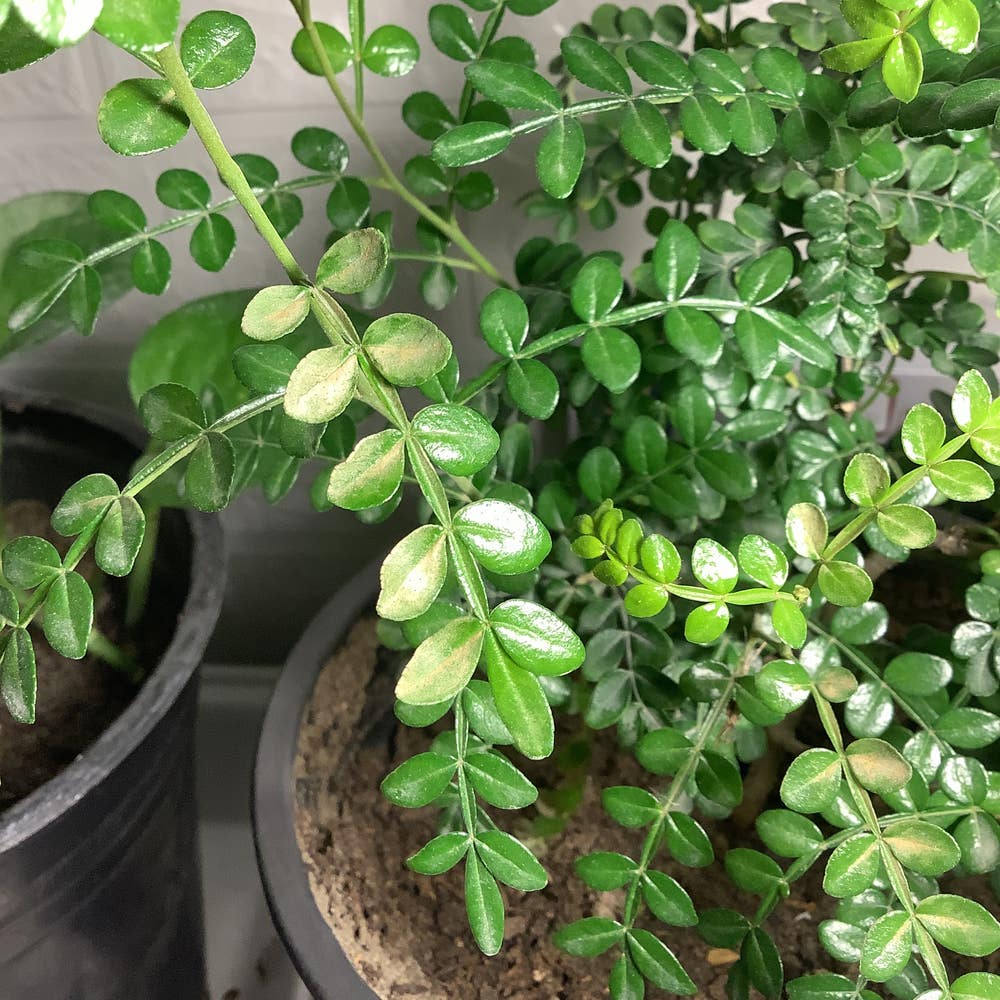
🌺 Overview of Hawaiian Prickly Ash
Zanthoxylum hawaiiense
By the Greg Editorial Team
Feb 16, 2025•11 min read
This article was created with the help of AI so we can cover more plants for you. May contain errors. See one? Report it here.
- 🌞 Hawaiian prickly ash thrives in full sun to partial shade; choose the right location.
- 🌱 Ideal soil is well-drained sandy loam with a pH of 6.0 to 7.0.
- 🐾 Handle with care; it can cause skin irritation in humans and pets.
How to Grow
Choosing a Location 🌞
Hawaiian prickly ash thrives in full sun to partial shade. When deciding between outdoor planting and container growth, consider drainage, available space, and sunlight exposure.
Soil Preparation 🌱
For optimal growth, aim for well-drained sandy loam soil. The ideal soil pH ranges from slightly acidic to neutral, between 6.0 and 7.0, so be sure to amend with organic matter to boost fertility and drainage.
Planting Techniques 🌿
When planting, dig a hole that is 1-2 inches deeper than the root ball. Space your plants 5-10 feet apart if planting outdoors to allow for their mature size.
Watering Requirements 🚰
After planting, give your prickly ash a deep watering to establish roots. Moving forward, water when the top inch of soil feels dry to the touch.
Fertilizing Schedule 🍽️
Use a balanced NPK fertilizer to nourish your plants. Apply it every 4-6 weeks during the growing season to keep them healthy and thriving.
Pruning Methods ✂️
Prune your Hawaiian prickly ash in late winter or early spring before new growth begins. Focus on removing dead or crossing branches to enhance airflow and promote a healthier plant.
Ongoing Care 🛠️
For container-grown plants, ensure proper drainage and keep an eye on moisture levels. If planted outdoors, consider mulching to retain moisture and suppress weed growth.
With these essential growing tips, your Hawaiian prickly ash will flourish beautifully, setting the stage for a vibrant garden. Next, let’s explore how to propagate this remarkable plant!
Propagation
🌱 Seed Propagation Steps
Propagation of Hawaiian Prickly Ash can begin with seeds. Start by collecting seeds from mature fruits, ensuring they are ripe for the best germination rates.
Next, soak the seeds in water for 24 hours. This helps to soften the seed coat and encourages sprouting.
Once soaked, plant the seeds about 1/4 inch deep in well-draining soil. Keep the soil consistently moist until germination occurs, which typically takes 2 to 4 weeks.
✂️ Cutting Propagation Techniques
Another effective method is cutting propagation. Begin by selecting healthy stems that are 4 to 6 inches long.
Remove the lower leaves from the stems and dip the cut end in rooting hormone. This encourages root development.
Then, plant the cuttings in a mixture of peat and perlite. Maintain moisture and place them in indirect light until roots develop, which usually takes about 4 to 6 weeks.
This propagation method is a great way to expand your collection of Hawaiian Prickly Ash, allowing you to enjoy its benefits in multiple locations.
Next, let’s explore the lifecycle of this fascinating plant and how it grows over time.
Lifecycle
Lifecycle Stages 🌱
The lifecycle of Hawaiian prickly ash is a fascinating journey that begins with germination. Seeds typically sprout within 2-4 weeks after planting, marking the start of their growth.
Once germination occurs, the plant enters the seedling stage, lasting 4-8 weeks. During this time, it develops true leaves, setting the foundation for future growth.
Next comes the vegetative growth phase, which spans 3-6 months. This is when the plant establishes its roots and foliage, preparing for the next critical stage.
Flowering usually happens in the second year, showcasing the plant's maturity. After flowering, seeds mature in late summer, completing the cycle and allowing for propagation.
Lifespan and Growth Timeline ⏳
Hawaiian prickly ash can live for an impressive 10-20 years under optimal conditions. This longevity is a testament to its resilience and adaptability.
The time to reach full maturity is approximately 2-3 years. During this period, the plant develops its characteristic height and spread, becoming a vibrant part of the landscape.
Understanding these lifecycle stages helps gardeners appreciate the growth process and plan for the care needed at each phase. With the right attention, your Hawaiian prickly ash can thrive and contribute to your garden for many years to come.
As we explore the next section, we'll delve into the size of this remarkable plant and what to expect as it grows.
Size
Mature Height and Spread 🌳
Hawaiian Prickly Ash can reach impressive heights, typically growing between 10 to 20 feet tall. Its spread is equally notable, ranging from 5 to 10 feet, making it a striking addition to any garden.
Growth Rate and Size Variability 📈
This plant exhibits a moderate growth rate, which can be influenced by various environmental factors. Size variability is common, as growth can differ based on soil quality, water availability, and sunlight exposure.
Understanding these aspects can help you plan your garden layout effectively. With the right conditions, your Hawaiian Prickly Ash will thrive and become a beautiful focal point in your landscape.
As we explore further, let’s dive into the fascinating lifecycle of this resilient plant.
Roots
Characteristics of the Root System 🌱
Hawaiian prickly ash features a fibrous root system that is typically shallow yet spreads extensively. This structure allows the plant to efficiently absorb moisture and nutrients from the surrounding soil.
Common Root-Related Issues and Solutions ⚠️
One common issue is root rot, often caused by overwatering. To combat this, improving drainage is essential.
Another concern is squishy roots, which indicate poor health. Adjusting your watering practices can help restore vitality.
Identifying Healthy vs. Unhealthy Roots 🔍
Healthy roots are firm, white, and spread evenly throughout the soil. In contrast, unhealthy roots appear dark, mushy, or may emit a foul smell.
Recognizing and Addressing Rootbound Conditions 🪴
If you notice roots growing out of the drainage holes, your plant may be rootbound. The solution is simple: repot into a larger container or amend the soil to provide more space for growth.
Understanding the root system of Hawaiian prickly ash is crucial for its overall health. With proper care, you can ensure your plant thrives and flourishes.
Next, let’s explore the numerous benefits this unique plant offers.
Benefits
List of 5 Benefits 🌱
Hawaiian Prickly Ash offers a variety of benefits that make it a valuable addition to any garden.
- Aromatic Leaves: The fragrant leaves enhance the overall scent of your garden, creating a delightful atmosphere.
- Attracts Pollinators: This plant draws in beneficial pollinators, such as bees and butterflies, which are essential for a thriving ecosystem.
- Cultural Significance: In Hawaiian culture, Prickly Ash holds medicinal importance, often used in traditional healing practices.
- Edible Uses: The leaves and bark can be incorporated into traditional Hawaiian cuisine, adding unique flavors to dishes.
- Wildlife Habitat: It provides shelter and food for local wildlife, contributing to biodiversity in your garden.
Cultural Significance and Symbolism 🌺
Beyond its practical uses, Hawaiian Prickly Ash is steeped in cultural significance.
It plays a role in traditional Hawaiian practices and rituals, symbolizing resilience and adaptability within local ecosystems. This connection to culture adds a deeper layer of meaning to the plant, making it not just a garden feature but a living piece of history.
Incorporating Hawaiian Prickly Ash into your garden not only enhances its beauty but also enriches your understanding of Hawaiian heritage. As you nurture this plant, you participate in a tradition that honors the land and its stories.
Companion Plants
Explanation of Companion Planting 🌱
Companion planting is a gardening technique that enhances biodiversity and promotes healthy plant growth. By pairing compatible plants, you can improve pest management and create symbiotic relationships that benefit your garden.
List of Beneficial Companion Plants 🌿
When growing Hawaiian prickly ash, consider companions like basil and rosemary. These herbs not only share similar care needs but also add visual appeal with their vibrant foliage and flowers.
Plants to Avoid 🚫
Be cautious of plants that require excessive moisture or compete for nutrients. Such plants can hinder the growth of your Hawaiian prickly ash and lead to poor overall health.
By selecting the right companions, you can create a thriving garden ecosystem that supports your Hawaiian prickly ash and enhances its beauty. Next, let’s explore the potential toxicity of Hawaiian prickly ash to humans, dogs, and cats.
Toxicity to Humans
Potential for Irritation 🌿
Hawaiian prickly ash can cause skin irritation, particularly from its leaves and sap. Symptoms may include skin rashes, itching, and mild gastrointestinal upset, which can occur through skin contact or ingestion.
When to Seek Medical Care 🚑
If you experience persistent or worsening symptoms, it's wise to seek medical attention. Better safe than sorry when it comes to skin reactions!
Tips for Safe Handling 🧤
To avoid irritation, always wear gloves when handling the plant. After contact, make sure to wash your hands thoroughly to remove any residual sap or oils.
By taking these precautions, you can enjoy the beauty and benefits of Hawaiian prickly ash while minimizing any risks. Now that you know how to handle it safely, let’s explore its effects on our furry friends!
Toxicity to Dogs
⚠️ Potential for Irritation
Hawaiian prickly ash can cause discomfort in dogs, particularly from its leaves and sap. Symptoms may include drooling, pawing at the mouth, and mild vomiting.
🩺 When to Seek Veterinary Care
If your dog shows persistent or worsening symptoms, it's wise to consult a veterinarian. Fortunately, Hawaiian prickly ash is not considered severely toxic to dogs, so most cases can be managed with care.
Toxicity to Cats
Potential for Irritation 🐾
Hawaiian prickly ash can cause discomfort in cats, particularly from its leaves and sap. Symptoms may include drooling, pawing at the mouth, and mild vomiting.
When to Seek Veterinary Care 🚑
If your cat shows persistent or worsening symptoms, it's wise to consult a veterinarian. Fortunately, this plant is not considered severely toxic to cats, so immediate panic is unnecessary.
By being aware of these potential issues, you can enjoy your Hawaiian prickly ash while keeping your feline friends safe. Always monitor their behavior around new plants to ensure their well-being.
Problems
Common Problems Faced 🌱
Growing Hawaiian prickly ash can come with its challenges.
Incorrect Watering: Overwatering or underwatering can lead to wilting or yellowing leaves.
Incorrect Light Conditions: Too much or too little light can stunt growth or cause leaf burn.
Diseases: Fungal issues like powdery mildew and blight can affect the plant's health.
Solutions for Top 5 Common Problems 💡
Overwatering: If you notice yellow leaves or a soggy root ball, adjust your watering schedule.
Light Issues: If your plant is struggling, consider relocating it to a spot with more or less sunlight.
Temperature: Provide shade during extreme heat or protection from cold drafts to keep your plant thriving.
By staying vigilant and addressing these common issues, you can ensure your Hawaiian prickly ash flourishes beautifully. Next, let’s explore the fascinating world of pests that might challenge your gardening efforts.
Bugs
Potential Pest Issues 🐜
While Hawaiian prickly ash is generally resilient, it can still attract certain pests. Keeping an eye out for these unwelcome visitors is crucial for maintaining plant health.
Identification and Damage Caused by Pests 🔍
Spider Mites: Look for fine webbing and stippling on leaves. These tiny pests can quickly damage your plant if not addressed.
Mealybugs: Identified by their white, cotton-like masses on stems, mealybugs can sap the vitality from your prickly ash.
Effective Treatment Options 💊
Neem Oil: This natural pesticide is a fantastic option for pest control. It disrupts the life cycle of pests without harming beneficial insects.
Insecticidal Soap: Effective against soft-bodied insects, insecticidal soap can help eliminate mealybugs and spider mites. Just spray it on the affected areas for best results.
By staying vigilant and employing these treatment options, you can keep your Hawaiian prickly ash thriving and pest-free. Next, let’s explore what animals might be munching on your plant and how to deter them effectively.
What Eats
Common Animals That May Damage 🦌
Hawaiian prickly ash can attract a few hungry visitors. Deer often browse on the leaves and stems, while rabbits may nibble on the lower branches.
Signs of Animal Presence and Damage 🐾
Keep an eye out for signs of these critters. Tracks or droppings near your plants can indicate their presence, and chewed leaves or stems are clear evidence of their dining habits.
Deterrent Methods 🚫
To protect your prickly ash, consider using deterrents. Chemical repellents are available commercially, but you can also explore organic methods, such as planting deterrent species or using physical barriers to keep these animals at bay.
By being proactive, you can enjoy the beauty of your Hawaiian prickly ash without the worry of unwanted munchers.
⚠️ Safety First
This content is for general information and may contain errors, omissions, or outdated details. It is not medical, veterinary advice, or an endorsement of therapeutic claims.
Always consult a qualified healthcare professional before using any plant as food, medicine, or supplement.
Never eat any plant (or feed one to pets) without confirming its identity with at least two trusted sources.
If you suspect poisoning, call Poison Control (800) 222-1222, the Pet Poison Helpline (800) 213-6680, or your local emergency service immediately.
Spotted an error? Please report it here.
Cultivate a thriving Hawaiian prickly ash 🌿 by using Greg's tailored care reminders and expert tips to ensure it flourishes beautifully in your garden!