🌳 When to Plant Your Orient Pear Tree
Pyrus communis 'Orient'
By the Greg Editorial Team
Oct 09, 2024•7 min read
This article was created with the help of AI so we can cover more plants for you. May contain errors. See one? Report it here.
Unlock a bountiful harvest by mastering frost dates and planting timing for your Orient pear tree! 🌱
- 🌱 Know local frost dates to protect your Orient pear tree from damage.
- 🌡️ Ideal soil temperature for planting is 50°F to 70°F for healthy growth.
- 📅 Planting months vary by region; check local guidelines for best results.
Importance of Frost Dates
🌨️ Impact of Frost on Planting
Understanding frost dates is crucial when planting your Orient pear tree. Planting too early can expose young trees to frost, leading to significant damage.
Frost can cause wilting leaves and blackened buds, both clear signs that your tree has suffered. These symptoms not only affect the tree's health but can also delay its growth and fruiting.
To avoid these risks, always check your local frost dates before planting. This simple step can save you from potential heartache and ensure a thriving tree.
By timing your planting correctly, you set your Orient pear tree up for success. Next, let’s explore how soil temperature plays a vital role in your planting strategy.
Understanding Soil Temperature
Ideal Soil Temperature for Planting 🌱
When planting your Orient Pear Tree, soil temperature is crucial. The optimal range for planting is between 50°F to 70°F (10°C to 21°C).
To check soil temperature, you can use a soil thermometer for accuracy. Alternatively, the touch test—feeling the soil with your hand—can give you a rough idea, but it's less precise.
Timing Considerations Based on Soil Temperature ⏰
Cold soil can significantly affect seed germination and root development. If the soil is too cold, seeds may struggle to sprout, and young roots can become stunted.
Understanding these temperature dynamics helps ensure your tree gets the best start possible. With the right conditions, your Orient Pear Tree can thrive and produce delicious fruit for years to come.
As you prepare for planting, keep an eye on the weather and soil conditions to maximize your success. Next, let’s explore how day length impacts the growth of your pear tree.
Role of Day Length in Planting
🌱 Impact on Growth
Day length plays a crucial role in the growth cycle of your Orient Pear Tree. It influences flowering and fruiting, determining when your tree will bloom and produce fruit.
⏰ Ideal Day Length Conditions for Successful Planting
For optimal growth, aim for a day length of at least 12 to 14 hours. This duration encourages vigorous growth and enhances fruit set, ensuring a bountiful harvest.
Understanding the interplay between day length and your tree's development can significantly impact your planting success. As you plan your planting schedule, keep these conditions in mind to maximize your yield.
Next, let’s explore regional planting considerations to ensure your Orient Pear Tree thrives in its specific environment.
Regional Planting Considerations
Ideal Planting Months 🌱
Choosing the right time to plant your Orient Pear Tree is crucial for its success. Here’s a quick guide to the ideal planting months based on your region:
Florida
In Florida, the best time to plant is from February to March. This window allows young trees to establish before the heat sets in.
California
For California, aim for March to April. The mild spring weather provides an excellent environment for growth.
Texas
Texas also benefits from planting between March and April. This timing helps avoid the intense summer heat that can stress young trees.
New York
In New York, the ideal months are April to May. This period ensures that the risk of frost has passed, giving your tree a strong start.
Colorado
For Colorado, wait until May to June. The later planting helps dodge late spring frosts that can damage new growth.
Ohio
In Ohio, the recommended months are April to May. This timing aligns with the warming soil temperatures that promote healthy root development.
Understanding these regional planting considerations can significantly enhance your success with Orient Pear Trees. By aligning your planting schedule with local conditions, you set the stage for a fruitful harvest.
Next, let’s explore seed starting techniques to further boost your gardening success.
Seed Starting Techniques
Indoor vs. Direct Sowing 🌱
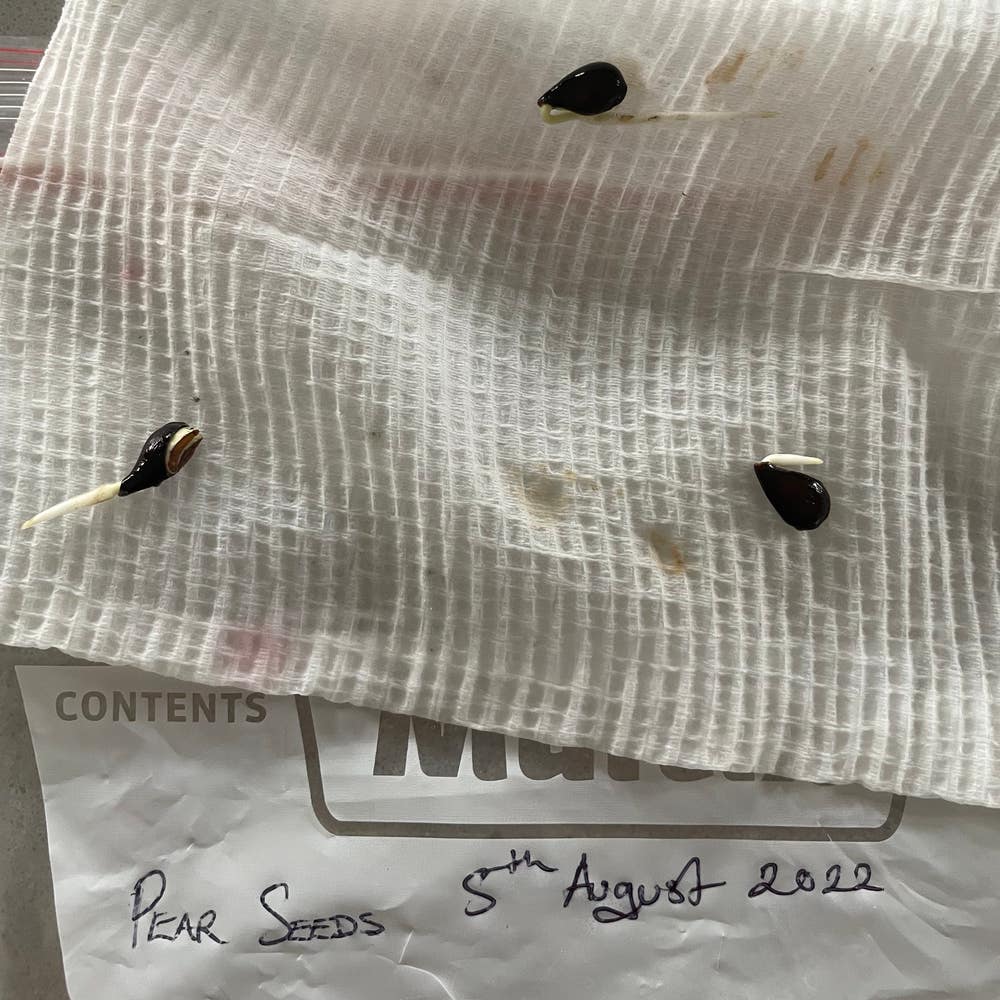
Starting seeds indoors offers a controlled environment that can lead to earlier growth. This method allows you to manage temperature, light, and moisture, giving your Orient Pear Trees a head start.
On the other hand, direct sowing is all about simplicity and natural acclimatization. By planting seeds directly in the soil, you let nature take its course, which can be less stressful for the plants.
Timing Considerations for Starting Seeds ⏰
For the best results, start your seeds indoors about 6-8 weeks before the last frost date. This timing ensures that your seedlings are ready to thrive when it's time to transplant.
Don't forget the importance of hardening off your seedlings before moving them outside. Gradually exposing them to outdoor conditions helps them adjust and reduces transplant shock, setting them up for success in their new environment.
With these techniques in mind, you're well on your way to nurturing healthy Orient Pear Trees. Next, let’s explore the factors that can affect your planting success.
Factors Affecting Planting Success
🌍 Climate Zones and Their Impact
Understanding USDA hardiness zones is crucial for successfully planting your Orient Pear Tree. These zones categorize regions based on their minimum winter temperatures, helping you determine the best planting times and methods.
For instance, if you live in a warmer zone, you can plant earlier in the season. Conversely, colder zones require waiting until the risk of frost has passed.
☁️ Local Weather Patterns
Local weather trends play a significant role in your planting success. Factors like rainfall and temperature fluctuations can impact soil conditions and tree health.
Stay informed about upcoming weather forecasts to adjust your planting schedule accordingly. A little flexibility can go a long way in ensuring your Orient Pear Tree thrives.
By considering both climate zones and local weather patterns, you can make informed decisions that enhance your planting success. This knowledge sets the stage for a fruitful growing season ahead.
Comprehensive Planting Guide
Planting Calendar for All States 🌱
When it comes to planting your Orient Pear Tree, timing is everything. Below is a handy guide for the best months to plant across all 52 states.
| State | Recommended Planting Months |
|---|---|
| Florida | February to March |
| California | March to April |
| Texas | March to April |
| New York | April to May |
| Colorado | May to June |
| Ohio | April to May |
Key Factors Influencing Planting Times 🌤️
Understanding your local climate is crucial for successful planting. Here are some key factors to consider:
- Frost Dates: Always check your local frost dates to avoid planting too early.
- Soil Temperature: Aim for soil temperatures between 50°F and 70°F for optimal growth.
- Day Length: Longer days can enhance flowering and fruiting, so consider this when planning.
By keeping these factors in mind, you can ensure your Orient Pear Tree gets the best start possible.
Next, let’s dive into seed starting techniques that can further enhance your planting success!
⚠️ Safety First
This content is for general information and may contain errors, omissions, or outdated details. It is not medical, veterinary advice, or an endorsement of therapeutic claims.
Always consult a qualified healthcare professional before using any plant as food, medicine, or supplement.
Never eat any plant (or feed one to pets) without confirming its identity with at least two trusted sources.
If you suspect poisoning, call Poison Control (800) 222-1222, the Pet Poison Helpline (800) 213-6680, or your local emergency service immediately.
Spotted an error? Please report it here.
Plant your Orient pear tree at the perfect time 🌱 with Greg's personalized planting calendar and frost date reminders, ensuring a fruitful harvest and vibrant growth!