Ultimate Guide to Propagating Orient Pear Tree 🍐
Pyrus communis 'Orient'
By the Greg Editorial Team
Oct 09, 2024•6 min read
This article was created with the help of AI so we can cover more plants for you. May contain errors. See one? Report it here.
Grow thriving Orient pear trees 🌳 with expert grafting and propagation tips for a bountiful garden!
- 🌱 Grafting is essential for Orient Pear propagation; use specific tools for success.
- 🌿 Optimal grafting time is late winter to early spring, at 50°F to 70°F.
- 🌳 Air layering and cuttings are effective methods; ensure proper care for best results.
Grafting
🛠️ Tools Needed for Grafting
To successfully graft an Orient Pear tree, you'll need a few essential tools. A grafting knife is crucial; it should be sharp and clean for precise cuts.
Additionally, grafting tape or parafilm is necessary to secure the grafts. Pruning shears will help you prepare the rootstock, while a sterilizing solution is vital to prevent disease transmission during the process.
📋 Step-by-Step Grafting Process
Grafting may seem daunting, but breaking it down makes it manageable.
- Select rootstock: Choose a compatible variety like 'Shanxi Li' or 'Korean Giant.'
- Prepare scion wood: Cut healthy, dormant wood about 6-8 inches long.
- Make the graft: Use techniques like whip-and-tongue or cleft grafting.
- Secure the graft: Wrap it tightly with grafting tape or parafilm.
- Seal the cut: Apply grafting wax to prevent moisture loss.
⏰ Best Time for Grafting
Timing is everything in grafting. The optimal period is late winter to early spring, just before bud break.
Aim for mild temperatures between 50°F to 70°F (10°C to 21°C) for the best results.
🌱 Aftercare for Grafted Trees
Once you've grafted your tree, proper aftercare is essential for success.
- Watering: Keep the soil consistently moist, but avoid waterlogging.
- Monitoring: Regularly check for signs of graft failure or disease.
- Support: If necessary, stake young grafts to prevent movement.
With these steps, you'll be well on your way to successfully grafting your Orient Pear tree. Next, let's explore how to propagate from cuttings for even more options in expanding your pear tree collection.
Propagating from Cuttings
🌱 Selecting Healthy Cuttings
Choosing the right cuttings is crucial for successful propagation. Aim for cuttings that are 6-8 inches long, taken during late spring to early summer.
Healthy cuttings should be firm, disease-free, and sourced from vigorous growth. This ensures a better chance of rooting and thriving.
✂️ Preparing Cuttings for Rooting
Preparation is key to successful rooting. Start by removing the lower leaves, leaving just 2-3 at the top.
Cut the bottom of the cutting at an angle. This increases the surface area, promoting better root development.
🌿 Using Rooting Hormone
Rooting hormone can significantly enhance your success rate. It encourages faster and more robust root growth.
To apply, simply dip the cut end of your cutting into the rooting hormone powder. This small step can make a big difference.
📋 Step-by-Step Cutting Propagation Process
- Fill pots with a well-draining soil mix, such as peat and perlite.
- Insert cuttings into the soil, ensuring they have good contact.
- Water lightly to settle the soil around the cuttings.
- Cover with a plastic bag or dome to maintain humidity.
Following these steps will create a nurturing environment for your cuttings.
🌡️ Ideal Conditions for Rooting
Creating the right environment is essential for rooting success. Maintain a temperature range of 70°F to 75°F (21°C to 24°C).
Provide bright, indirect sunlight to encourage growth. Aim for humidity levels between 70-80% for optimal rooting conditions.
With these guidelines, you’ll be well on your way to propagating healthy Orient pear trees from cuttings. Next, let’s explore the layering technique, another effective method for propagation.
Layering Technique
Explanation of Air Layering 🌱
Air layering is a propagation method that allows you to root a stem while it's still attached to the parent plant. This technique boasts a higher success rate compared to traditional cuttings, making it a favorite among gardeners.
Step-by-Step Air Layering Process 🛠️
- Select a healthy branch: Look for a branch that is 1-2 years old and flexible.
- Make a ring cut: Carefully remove a strip of bark about 1 inch wide.
- Apply rooting hormone: Coat the exposed area with rooting hormone to encourage root growth.
- Wrap with moist sphagnum moss: Secure the moss around the cut area, ensuring it stays damp.
- Seal ends: Use tape to seal the ends, preventing moisture loss.
Timing and Conditions for Successful Layering ⏰
The best time to perform air layering is during late spring to early summer. Ensure the environmental conditions are warm and humid for optimal results.
With these steps, you can successfully propagate your Orient Pear tree using air layering. This method not only increases your chances of success but also allows you to enjoy the process of nurturing new growth. Next, let’s explore seed propagation and its unique challenges.
Seed Propagation
🌱 Collecting Seeds
Timing is crucial when collecting seeds from your Orient pear tree. Harvest them only after the fruit has fully ripened for the best results.
To extract seeds, cut open the fruit and clean them thoroughly. This step ensures that no pulp or residue remains, which can hinder germination.
🧊 Preparing Seeds for Germination
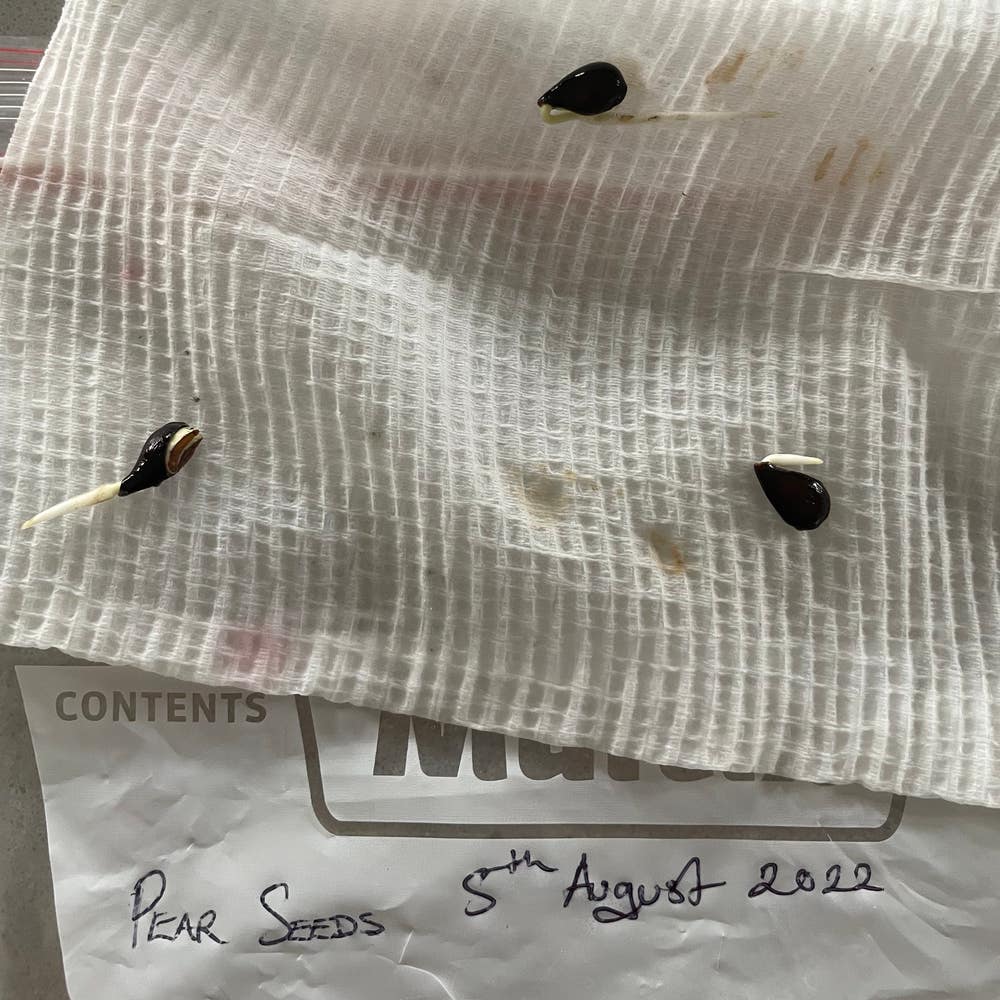
Stratification is an essential process for enhancing germination. Subject the seeds to cold treatment for 30-60 days to mimic natural conditions.
Additionally, soaking the seeds in water for 24 hours before planting can significantly boost their chances of sprouting.
📋 Step-by-Step Seed Propagation Process
- Start by filling seed trays with a well-draining soil mix.
- Sow the seeds about 1/2 inch deep in the soil.
- Water the seeds gently to settle the soil around them.
- Cover the trays with plastic to maintain humidity and place them in a warm location, ideally between 70°F to 75°F (21°C to 24°C).
⚠️ Challenges of Seed Propagation
One of the main challenges with seed propagation is genetic variability. Seeds may not produce true-to-type plants, leading to unexpected results.
Moreover, be prepared for a longer wait time for fruiting. Typically, seed-grown trees take about 3-5 years to bear fruit, so patience is key.
As you embark on your seed propagation journey, remember that each step is a learning experience. With the right techniques and a bit of care, you can cultivate your own Orient pear trees from seeds, adding a personal touch to your garden.
Next, we'll explore common challenges you might face during propagation and how to overcome them.
Common Challenges and Solutions
Troubleshooting Low Success Rates 🌱
Low success rates in propagating Orient pear trees can be frustrating. Common culprits include poor soil quality, inadequate moisture, and incorrect timing.
To combat these issues, ensure you’re using well-draining soil and maintaining consistent moisture levels. Timing is crucial; follow the recommended schedules for each propagation method to maximize your chances of success.
Addressing Pests and Diseases in Propagation 🐛
Pests can wreak havoc on your propagation efforts. Watch out for common pests like aphids, spider mites, and scale insects.
Regular monitoring is key. Implement organic pest control methods to keep these nuisances at bay and protect your young plants.
Tips for Improving Propagation Success 🌟
Improving your propagation success starts with using high-quality tools and materials. Invest in sharp, clean tools to make precise cuts and avoid introducing diseases.
Maintaining optimal environmental conditions is essential. Ensure your propagation area has the right temperature and humidity levels to encourage healthy growth.
Lastly, avoid overcrowding in your propagation containers. This allows each plant enough space to thrive without competing for resources.
With these strategies in mind, you can enhance your propagation efforts and enjoy a bountiful harvest from your Orient pear trees. Next, let’s explore the exciting world of seed propagation!
⚠️ Safety First
This content is for general information and may contain errors, omissions, or outdated details. It is not medical, veterinary advice, or an endorsement of therapeutic claims.
Always consult a qualified healthcare professional before using any plant as food, medicine, or supplement.
Never eat any plant (or feed one to pets) without confirming its identity with at least two trusted sources.
If you suspect poisoning, call Poison Control (800) 222-1222, the Pet Poison Helpline (800) 213-6680, or your local emergency service immediately.
Spotted an error? Please report it here.
Grow your Orient Pear trees effortlessly 🌳 with Greg's personalized care tips and reminders, ensuring your grafts and cuttings flourish every step of the way!