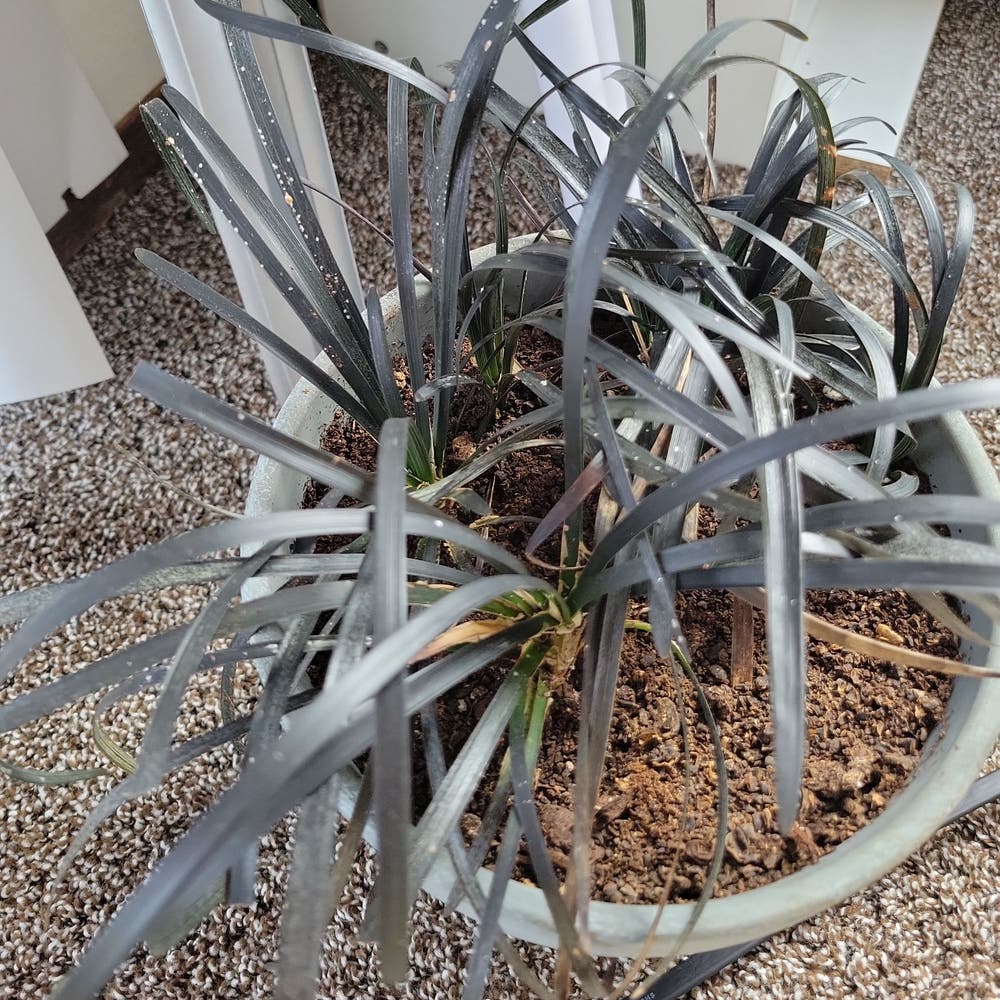
Determining What Might Be Eating Your Black Mondo Grass 🐞
Ophiopogon japonicus 'Nigrescens'
By the Greg Editorial Team
Oct 15, 2024•6 min read
This article was created with the help of AI so we can cover more plants for you. May contain errors. See one? Report it here.
Safeguard your Black Mondo Grass from herbivores while inviting beneficial wildlife for a flourishing garden! 🌿
- 🌱 Black Mondo Grass attracts herbivores like deer and rabbits due to its tender shoots.
- 🦌 Signs of herbivore damage include hoof prints and clean cuts on grass.
- 🛡️ Deterrents like netting and barriers can protect your Black Mondo Grass effectively.
Description and Appeal
Appearance and Features 🌿
Black Mondo Grass is a striking addition to any garden. Its dark green to nearly black foliage creates a dramatic contrast, while small, bell-shaped flowers add a delicate touch.
This low-growing perennial thrives as ground cover, making it an excellent choice for filling in spaces and adding texture. Its unique appearance not only enhances aesthetics but also invites curiosity.
Most Appealing Parts to Animals 🐾
Young shoots are particularly appealing to herbivores, as they are tender and nutritious. The soft texture and moisture content of the foliage further attract various animals, making it a tempting snack.
Understanding what draws animals to Black Mondo Grass can help you protect it effectively. By recognizing these appealing features, you can take proactive steps to safeguard your garden.
As we explore the common herbivores that might be munching on your plants, you'll gain insights into how to keep your Black Mondo Grass thriving.
Common Herbivores
🦌 Deer
Signs of Presence
Look for distinct hoof prints in the soil, which indicate deer activity. You may also find dark, pellet-like droppings scattered near your Black Mondo Grass.
Type of Damage
Deer are notorious for browsing, stripping leaves from the plant. Their heavy feeding can even tear at the root system, causing significant harm.
Interaction Type
Generally harmful, deer can decimate populations of Black Mondo Grass if left unchecked.
Deterrent Methods
To keep deer at bay, consider installing 8-foot tall fencing around your garden. Alternatively, use commercial deer repellents or homemade solutions like garlic spray for a more natural approach.
🐇 Rabbits
Signs of Presence
Rabbits leave behind clean cuts on the grass, indicating chewed stems. You might also spot small, round pellets scattered around your plants.
Type of Damage
These little grazers nibble down leaves and young shoots to the ground. They often focus on the edges of leaves, leading to significant plant damage.
Interaction Type
Rabbits are generally harmful and can cause considerable damage to your Black Mondo Grass.
Deterrent Methods
Cover your plants with mesh netting to prevent rabbit access. You can also use strong scents, like mint, as natural repellents.
🐿️ Squirrels
Signs of Presence
Squirrels often disturb the soil around the base of the grass, leaving signs of digging. Look for evidence of uprooted plants or scattered debris.
Type of Damage
These critters may uproot young plants and nibble on leaves and shoots, disrupting growth.
Interaction Type
Squirrels are generally harmful, as their activities can hinder the development of your plants.
Deterrent Methods
Employ scare tactics, such as reflective objects or noise-making devices, to deter squirrels. Physical barriers around the plants can also be effective.
🐦 Birds
Signs of Presence
You might find feathers near the grass or visible peck marks on shoots and leaves. These signs indicate bird activity in your garden.
Type of Damage
While foraging, birds may peck at young shoots, causing damage.
Interaction Type
Birds have a generally neutral impact; some may even help control pests in your garden.
Deterrent Methods
Use predator decoys to scare birds away or hang shiny materials to deter them effectively.
🐭 Rodents
Signs of Presence
Look for small burrows or pathways in the soil, along with dark pellets near the grass. These signs indicate rodent activity.
Type of Damage
Rodents can gnaw on roots and stems, causing severe damage. Their burrowing disrupts the plant's root system.
Interaction Type
Rodents are generally harmful and can lead to significant plant damage.
Deterrent Methods
Set traps to catch rodents or encourage natural predators like owls or hawks to help manage their population.
🦡 Groundhogs
Signs of Presence
Groundhogs leave large burrows and evidence of extensive grazing on your plants. Look for chewed plants as a clear sign.
Type of Damage
These animals may uproot entire plants and cause significant loss of foliage through extensive grazing.
Interaction Type
Groundhogs are generally harmful and can devastate garden areas if not managed.
Deterrent Methods
Install strong barriers to prevent access and consider using strong scents or commercial repellents to deter them.
Understanding these common herbivores and their behaviors can help you protect your Black Mondo Grass effectively. Next, we’ll explore the beneficial animals that can positively impact your garden ecosystem.
Beneficial Animals
Positive Impacts 🐾
While Black Mondo Grass faces threats from various herbivores, it also attracts beneficial animals that play crucial roles in the garden ecosystem.
Pollinators
Bees and butterflies are drawn to the small, bell-shaped flowers of Black Mondo Grass. Their presence not only enhances the beauty of your garden but also promotes pollination, which is vital for plant reproduction.
Natural Pest Controllers
Predatory insects, such as ladybugs and lacewings, often frequent areas with Black Mondo Grass. These beneficial creatures help manage pest populations, reducing the need for chemical interventions and fostering a healthier garden environment.
By encouraging these positive interactions, you can create a balanced ecosystem that supports both your plants and the wildlife around them. This harmony not only enhances the beauty of your garden but also contributes to its overall health and sustainability.
As you consider the various animals that might impact your Black Mondo Grass, remember the importance of these beneficial species. They can significantly improve your garden's resilience against pests and enhance its ecological balance.
Next, let’s explore effective protection strategies to safeguard your plants from potential threats while nurturing these helpful visitors.
Protection Strategies
🛡️ Preventive Measures
To safeguard your Black Mondo Grass, start with strategic plant placement. Position your grass away from known herbivore pathways to minimize encounters.
Companion planting is another effective tactic. Surround your Black Mondo Grass with plants that naturally deter herbivores, creating a protective barrier.
⚔️ Reactive Solutions
Regular monitoring is crucial for early detection of animal activity. Keep an eye out for signs like tracks or droppings to address issues promptly.
Implementing integrated pest management can also enhance your protection strategy. This approach combines various methods, ensuring a comprehensive defense against potential threats.
🌱 Seasonal Variations
Be aware that herbivore activity tends to spike in spring and summer. Adjust your strategies accordingly to stay one step ahead of these hungry visitors.
By adapting your protection measures based on seasonal behavior changes, you can maintain a thriving garden. This proactive mindset will help ensure your Black Mondo Grass remains healthy and vibrant.
With these strategies in place, you can enjoy the beauty of your garden while minimizing damage from herbivores. Next, let’s explore the toxicity and safety aspects of Black Mondo Grass.
Toxicity and Safety
Toxic Effects 🐾
Black Mondo Grass has limited toxicity effects on herbivores. While some animals might nibble on it, many tend to avoid the plant due to its taste or mild toxicity.
Ecological Balance 🌍
It's essential to recognize the role of Black Mondo Grass in maintaining a healthy ecosystem. While managing plant damage is crucial, understanding its place in the food web can help foster a balanced environment.
By being mindful of these factors, you can enjoy your garden while ensuring that both plants and animals coexist harmoniously.
As we move forward, let's explore effective protection strategies to safeguard your Black Mondo Grass from potential threats.
⚠️ Safety First
This content is for general information and may contain errors, omissions, or outdated details. It is not medical, veterinary advice, or an endorsement of therapeutic claims.
Always consult a qualified healthcare professional before using any plant as food, medicine, or supplement.
Never eat any plant (or feed one to pets) without confirming its identity with at least two trusted sources.
If you suspect poisoning, call Poison Control (800) 222-1222, the Pet Poison Helpline (800) 213-6680, or your local emergency service immediately.
Spotted an error? Please report it here.
Protect your Black Mondo Grass from herbivores with strategic planting and Greg's tailored care tips, ensuring your garden flourishes while attracting beneficial wildlife! 🌿