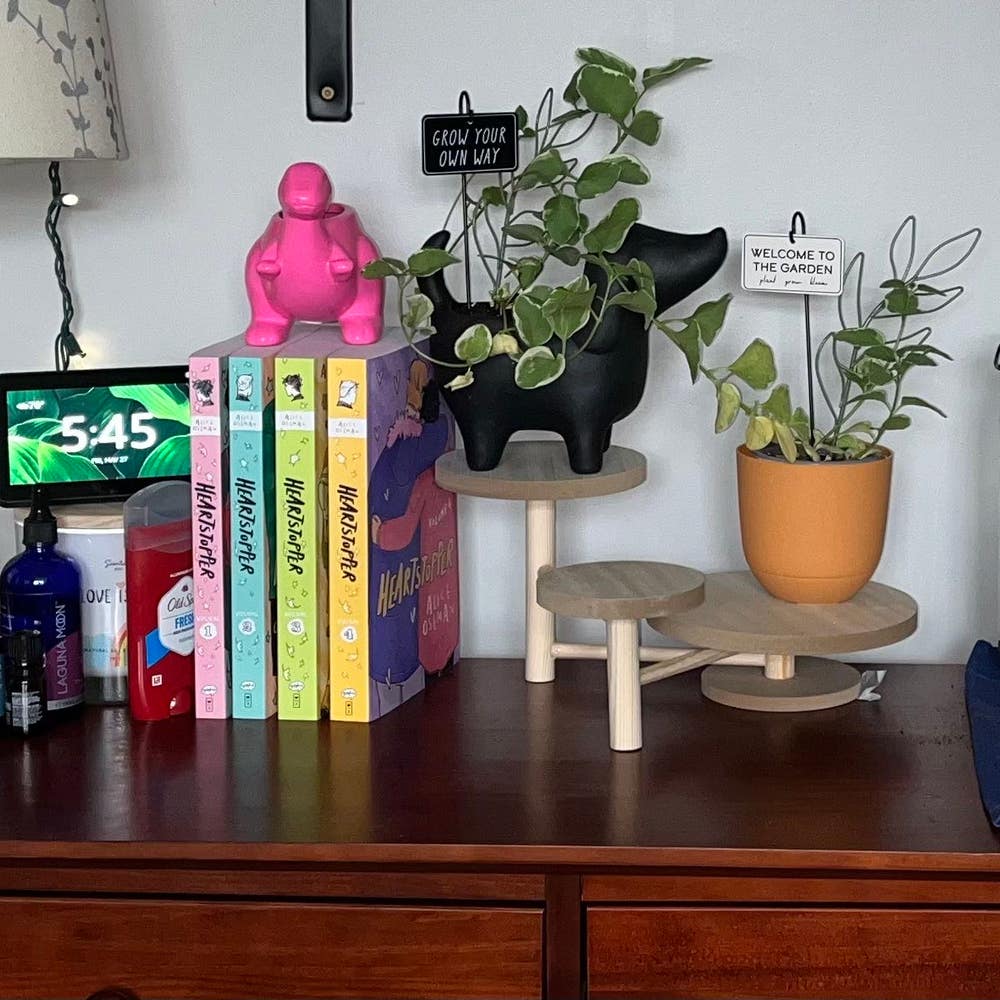
Your Variegated Vinca Vine's Light Needs
Vinca major 'Variegata'
By the Greg Editorial Team
Jun 18, 2024•3 min read
This article was created with the help of AI so we can cover more plants for you. May contain errors. See one? Report it here.
- 🌤️ Sun and shade balance is crucial for outdoor Variegated Vinca Vines.
- 💡 Bright, indirect light indoors keeps the vine healthy.
- 🌱 Seasonal light adjustments prevent stress and encourage blooms.
Soaking Up the Sun: Outdoor Light Preferences
🌞 Finding the Sweet Spot
The ideal balance for your Variegated Vinca Vine outdoors is a blend of sun and shade. Aim for a location that basks in the morning sunlight but slips into the shade as the afternoon heat intensifies.
🛡️ Protecting the Variegation
Variegation thrives in the right light. Too little, and the leaves lose their vibrant patterns; too much, and they might fade. Strike a balance to keep those distinctive leaf patterns sharp and clear.
🌞 When the Sun's Too Strong
In scorching climates, your vine needs a shield from the midday sun. Consider using a shade cloth or positioning the plant where it's naturally protected during the peak hours to prevent a crispy, sunburned disaster.

Thriving Indoors: Nailing the Light Inside
🕶️ Bright but Not Direct
Bright, indirect light—that's the mantra for the Variegated Vinca Vine indoors. It's like putting on sunglasses; your vine gets the light without the harsh glare. East-facing windows are gold, bathing your plant in gentle morning rays. No direct afternoon sun, though; that's just asking for leaf burn.
Signs You're Getting It Right (or Wrong)
Leaves don't lie. If they're a vibrant green with clear variegation, you're acing Indoor Lighting 101. But if you spot fading or crispy edges, it's time for a lighting intervention. Too much direct sun can lead to a stressed vine, while too little can leave it languishing.
Flower Power
Blooms on a Variegated Vinca Vine are like a solar eclipse—rare and spectacular. Adequate light can coax out flowers, but it's not a sure bet. Still, aim for that bright spot where the sunbeams dance just out of reach, and you might just witness this indoor floral marvel.

Grow Lights: Giving Your Vine a Boost
💡 Why Consider Grow Lights?
Grow lights are your Variegated Vinca Vine's ticket to consistent growth. They're a must-have when sunlight is more of a luxury than a given. These artificial suns keep your vine's photosynthesis in check, ensuring it doesn't miss a beat—or a leaf.
💡 Choosing the Right Grow Light
Selecting a grow light is less about flipping a switch and more about matching your plant's needs. LEDs are the go-to for their cool operation and energy efficiency. Look for full-spectrum lights to mimic the sun's range, and consider intensity—too dim and you're wasting time, too bright and you're hosting a plant barbecue. Adjustable output is a plus, letting you dial in the right amount of lumens. Remember, your vine's variegation depends on this balance.

Seasonal Shifts: Adjusting Light with the Seasons
🌞 Summer Strategies
In the summer, your Variegated Vinca Vine faces the full force of the sun. To prevent a crispy plant situation, moderate the exposure. Position it where the sun is filtered, like under a tree or on a covered porch. This way, it gets the light without the side of sunburn.
❄️ Winter Woes
Come winter, the sun's slacking off, and your vine might start to sulk. Counter the gloom by moving it closer to the brightest window you've got. If it still looks like it's pining for the fjords, a grow light can be a game-changer. Set it up to mimic a sunnier clime, and watch your vine perk up. Remember, it's about giving your plant a consistent light cue, not a light shock. Rotate it regularly for even growth, and keep an eye out for those tell-tale signs of light deprivation—stretched stems and faded leaves.
⚠️ Safety First
This content is for general information and may contain errors, omissions, or outdated details. It is not medical, veterinary advice, or an endorsement of therapeutic claims.
Always consult a qualified healthcare professional before using any plant as food, medicine, or supplement.
Never eat any plant (or feed one to pets) without confirming its identity with at least two trusted sources.
If you suspect poisoning, call Poison Control (800) 222-1222, the Pet Poison Helpline (800) 213-6680, or your local emergency service immediately.
Spotted an error? Please report it here.
Ensure your Variegated Vinca Vine flourishes 🌞 with Greg's PlantVision, guiding you to perfect light conditions for those rare and spectacular blooms.