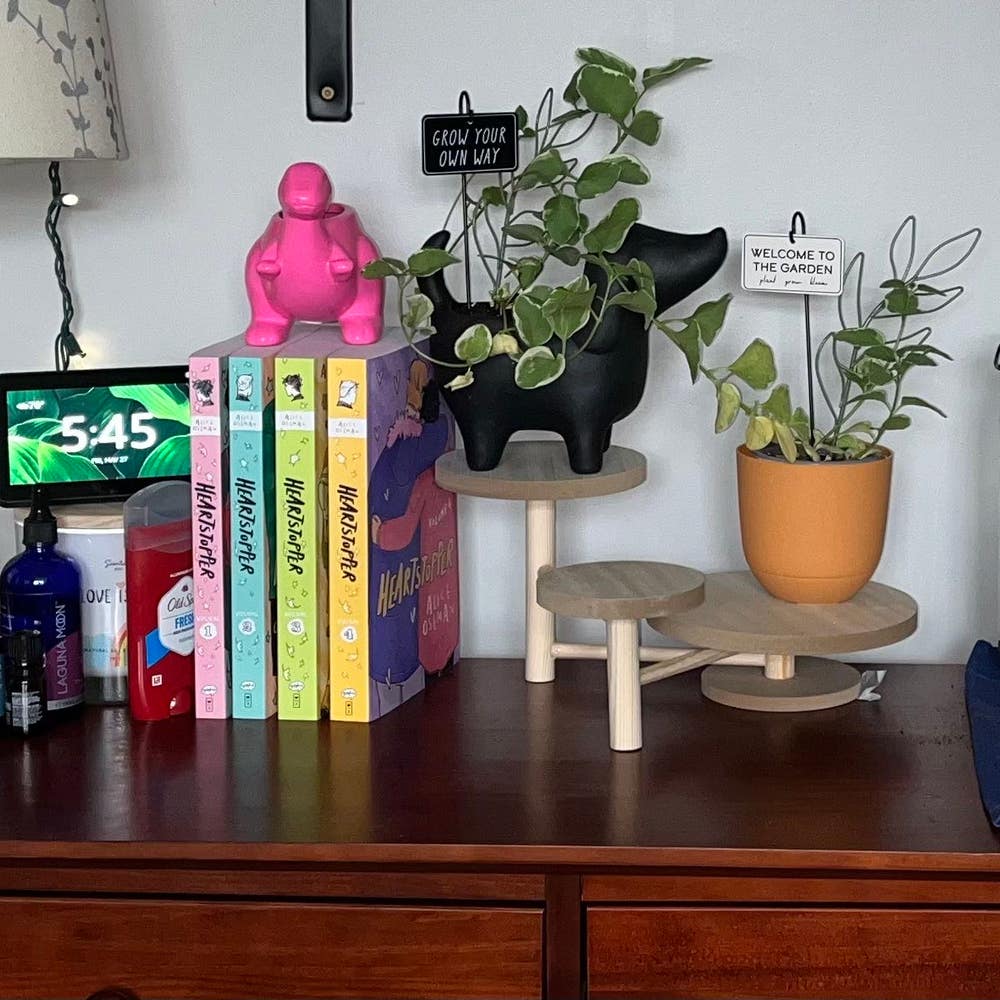
Variegated Vinca Vine - Ultimate Guide to Fertilizing
Vinca major 'Variegata'
By the Greg Editorial Team
Jun 18, 2024•4 min read
This article was created with the help of AI so we can cover more plants for you. May contain errors. See one? Report it here.
- Balanced 10-10-10 NPK ratio recommended for healthy variegation and growth.
- 🌱 Liquid for quick uptake, granular for sustained feed - choose based on vine needs.
- Monitor plant signs to adjust fertilization; over-fertilization requires immediate action.
Best Fertilizers to Feed Your Variegated Vinca Vine
💡 Choosing the Right NPK Ratio
Variegated Vinca Vines thrive with a balanced diet of nutrients. Nitrogen (N) is crucial for leaf growth, phosphorus (P) for root development, and potassium (K) for overall health and bloom support. A 10-10-10 NPK ratio is often recommended for its balanced approach, ensuring that your vine receives an equal share of these essential nutrients.
💧 Liquid vs. Granular: Pros and Cons
When it comes to application, liquid fertilizers are the quick-fix, offering rapid nutrient uptake. They're easy to apply, but their effects can be short-lived, necessitating more frequent applications. On the flip side, granular fertilizers are the slow burners. They release nutrients gradually, providing a sustained feed but requiring patience and precision in application. Avoid direct contact with foliage to prevent burn, and water thoroughly post-application to kickstart nutrient absorption.

Timing is Everything: When to Fertilize
🌱 Growing Season Guidelines
The growing season is prime time for fertilizing your Variegated Vinca Vine. Typically, this means spring to early fall, aligning with the plant's natural zest for life. During this period, the vine is in its element, pushing out new growth and flaunting its variegation like it's on the runway at Paris Fashion Week.
Reading the Signs: Plant Growth and Environmental Cues
Your vine's health and the world around it drop hints like a detective novel. Yellowing leaves? Ease up on the fertilizer, Sherlock. A burst of growth? Your vine might be saying, "More, please." Keep an eye on the calendar, sure, but trust your instincts and the plant's performance to guide your hand. Remember, it's about being attentive, not just punctual.

Fertilizing Techniques for a Happy Variegated Vinca Vine
🌱 Step-by-Step Fertilizer Application
Applying fertilizer to your Variegated Vinca Vine is like a covert ops mission: precise, calculated, and no room for error. First, ensure you're using a balanced 10-10-10 fertilizer, the plant equivalent of a well-rounded diet. Second, don your gardening gloves and mask because safety is no joke when handling chemicals. Third, sprinkle the granules around the plant's base, avoiding a direct hit on foliage—think of it as avoiding friendly fire. Fourth, water the area well, helping the soil embrace the nutrients like a long-lost friend. Do this monthly during the growing season, and remember, the morning is your ally, beating the heat that could turn your fertilizer into a leaf-scorching nemesis.
🌿 Adjusting Fertilization Based on Plant Response
Keep a hawk-eye on your vine post-fertilization. Signs of a plant basking in nutrient nirvana include lush growth and enthusiastic blooming. But watch out for SOS signals like yellowing leaves or growth hitting the brakes. If your plant starts throwing these red flags, it's time to play plant detective—reassess your fertilization game. Dial back if you've been heavy-handed, or consider a soil test to ensure your plant isn't swimming in a nutrient imbalance. Remember, your vine's variegation is the canary in the coal mine; too much fertilizer might just tip the scales towards more green than variegated glory.

Dealing with Too Much Love: Over-Fertilization and Its Fixes
🚨 Spotting Trouble: Symptoms of Over-Fertilization
Variegated Vinca Vines are hardy, but they can suffer from our overzealous care. Leaf burn or halted growth are tell-tale signs of over-fertilization. You might see a crust of fertilizer on the soil or notice that the leaves are turning yellow, brown at the tips, or even falling off. Roots may appear brown or blackened, and despite moist soil, your plant could still wilt. It's a classic case of too much of a good thing.
🚑 Emergency Care: Correcting Over-Fertilization
Caught in a cycle of over-fertilization? Stop all fertilizer applications immediately. It's like hitting the brakes when you realize you've missed your exit. Next, remove any visible fertilizer from the soil's surface. Think of it as clearing away the evidence of your overeagerness. Then, flush the soil with water—several times if necessary—to leach out the excess nutrients. It's a detox for your plant's roots. Prune away any damaged foliage to help the plant focus on recovery. Going forward, remember that when it comes to plant food, moderation is key.
⚠️ Safety First
This content is for general information and may contain errors, omissions, or outdated details. It is not medical, veterinary advice, or an endorsement of therapeutic claims.
Always consult a qualified healthcare professional before using any plant as food, medicine, or supplement.
Never eat any plant (or feed one to pets) without confirming its identity with at least two trusted sources.
If you suspect poisoning, call Poison Control (800) 222-1222, the Pet Poison Helpline (800) 213-6680, or your local emergency service immediately.
Spotted an error? Please report it here.
Achieve lush growth for your variegated vinca vines with the right 10-10-10 NPK mix and avoid the pitfalls of over-fertilization, while Greg's tailored reminders keep your plant care on track 🛤.