Everything You Need to Know About Twisted Rib Cactus 🌵
Thelocactus hexaedrophorus
By the Greg Editorial Team
Jan 23, 2025•12 min read
This article was created with the help of AI so we can cover more plants for you. May contain errors. See one? Report it here.
Elevate your garden with the stunning Twisted Rib Cactus 🌵, a low-maintenance marvel that thrives on neglect!
- 🌞 Twisted Rib Cactus needs 6-8 hours of sunlight daily for optimal growth.
- 💧 Water every 2-4 weeks during growing season to prevent root rot.
- 🌵 Drought-tolerant and low-maintenance, perfect for low-water gardens and xeriscaping.
How to Grow
Choosing the Right Location 🌞
To thrive, the Twisted Rib Cactus needs full sun exposure, ideally basking in 6-8 hours of sunlight daily. It flourishes in warm conditions, with temperatures ranging from 70°F to 100°F (21°C to 38°C) being optimal.
Soil Preparation 🏜️
Selecting the right soil is crucial for your cactus's health. A well-draining cactus mix or sandy loam is ideal, with pH levels between 6.0 to 7.0, ensuring a slightly acidic to neutral environment.
Planting Techniques 🌱
When planting, ensure you place the cactus at the same depth as it was in the nursery pot. Space each cactus 12-18 inches apart to promote optimal air circulation and growth.
Watering Guidelines 🚰
Watering is key to cactus care. During the growing season, water every 2-4 weeks, but reduce frequency in winter. Always water thoroughly until it drains from the bottom, avoiding any standing water.
Fertilizing Recommendations 🍽️
For healthy growth, use a diluted cactus fertilizer with an NPK ratio of 10-10-10. Fertilize every 4-6 weeks during the growing season to provide essential nutrients.
Pruning and Ongoing Care ✂️
Regular maintenance is essential for a thriving cactus. Trim off any dead or damaged ribs to encourage healthy growth, and monitor your plant for signs of stress or disease to catch issues early.
This foundational knowledge sets you up for success in growing your Twisted Rib Cactus. Next, let’s explore how to propagate this unique plant for even more greenery in your space.
Propagation
🌱 Methods of Propagation
Propagation of the Twisted Rib Cactus can be achieved through two primary methods: seeds and cuttings. Both methods are effective, but they require different approaches.
- Seeds: You can collect seeds from mature fruits or purchase them from a nursery.
- Cuttings: Healthy stem cuttings, about 4-6 inches long, work well for propagation.
📋 Step-by-Step Instructions for Each Method
🌱 Seeds (Difficulty: Moderate)
- Soak seeds in water for 24 hours to enhance germination.
- Plant them in a well-draining soil mix, covering them lightly.
- Maintain humidity until germination occurs, which typically takes 2-4 weeks.
✂️ Cuttings (Difficulty: Easy)
- Allow cuttings to dry for 1-2 days to form a callus, preventing rot.
- Plant the cuttings in a cactus mix and water lightly.
- Keep them in bright, indirect light until roots develop, usually within 2-3 weeks.
🌞 Ideal Conditions for Successful Propagation
For successful propagation, aim for warm temperatures between 70°F to 85°F (21°C to 29°C).
Additionally, ensure the cuttings and seeds receive bright, indirect sunlight to promote healthy growth.
With the right conditions and care, you’ll be well on your way to growing new Twisted Rib Cacti!
Lifecycle
Overview of Lifecycle Stages 🌱
The lifecycle of the Twisted Rib Cactus begins with germination, where seeds sprout within 2-4 weeks under optimal conditions. Following germination, the plant enters the seedling stage, developing its first true leaves and roots.
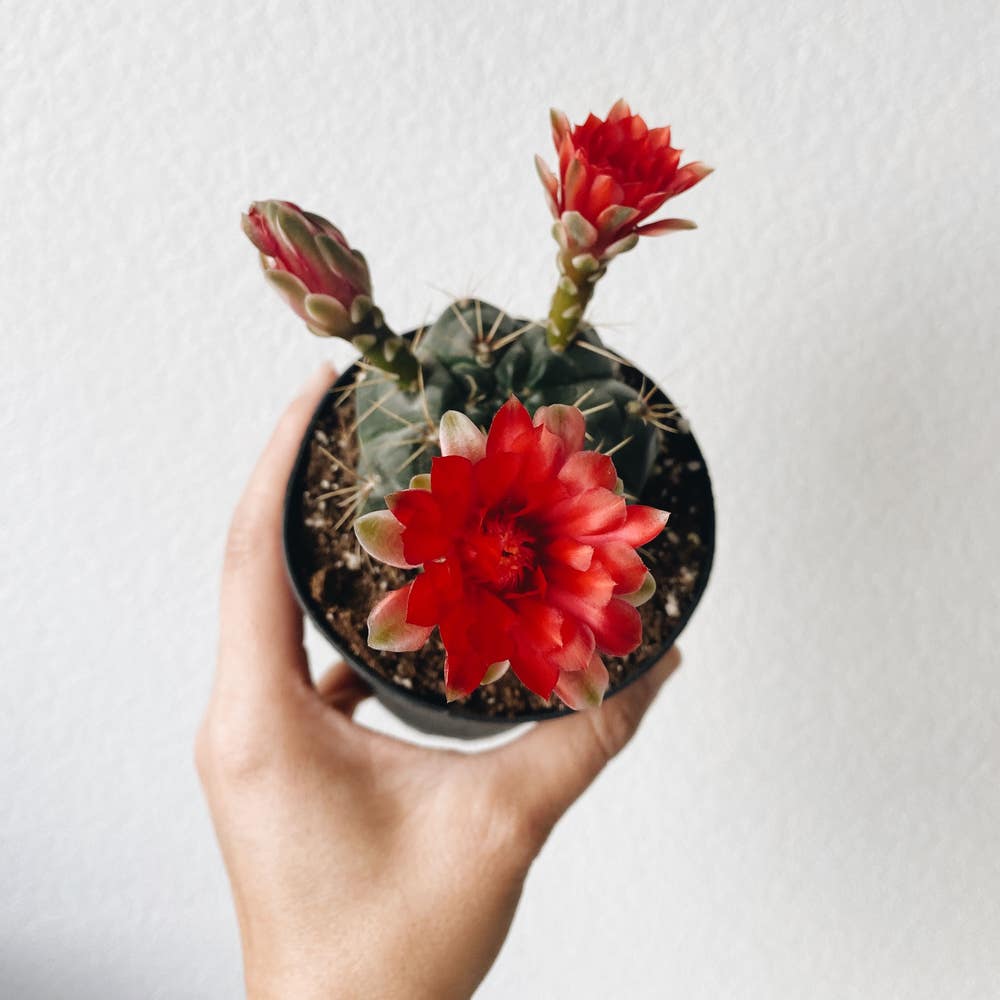
In the vegetative growth phase, which typically lasts 1-2 years, the cactus experiences rapid growth. Flowering occurs in late spring to summer, depending on environmental conditions, and after this period, seeds can be collected for propagation.
Lifespan and Growth Timeline ⏳
With proper care, the Twisted Rib Cactus can live for several decades. It takes approximately 3-5 years to reach full size, showcasing a moderate growth rate of about 1-2 inches per year under ideal conditions.
Understanding these lifecycle stages can help you provide the best care for your cactus, ensuring it thrives and flourishes. Next, let’s explore the size of this unique plant and what to expect as it matures.
Size
Mature Height and Spread 🌵
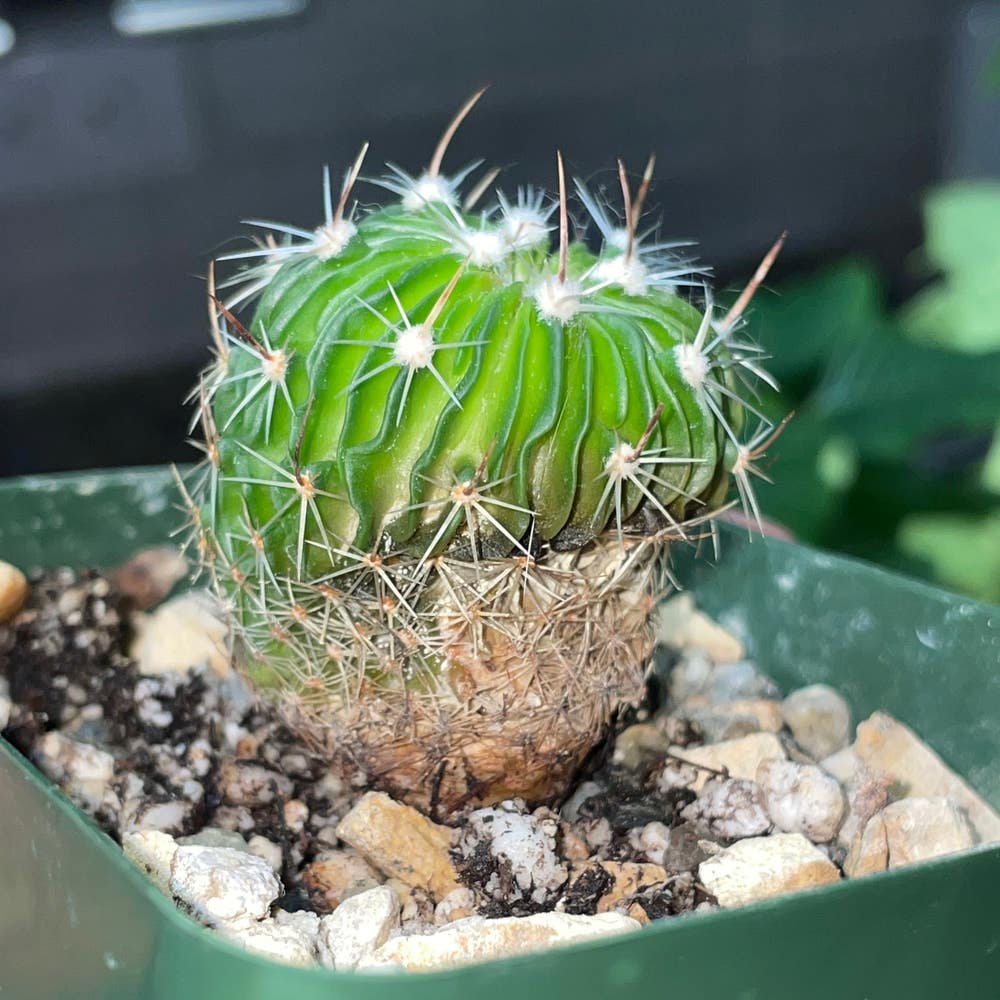
The Twisted Rib Cactus typically reaches a mature height of 1 to 3 feet (30 to 90 cm). It can also expand to a spread of 1 to 2 feet (30 to 60 cm) in diameter, making it a striking addition to any garden.
Growth Rate and Factors Affecting Size 📈
This cactus has a moderate growth rate, which can be influenced by several factors. Light, water, and soil quality play crucial roles in determining how quickly it grows and how large it ultimately becomes.
Size Variability 📏
The size of the Twisted Rib Cactus can vary significantly based on its growing conditions. For instance, cacti grown indoors may not reach the same dimensions as those cultivated outdoors, where they can fully benefit from natural sunlight and space.
Understanding these size characteristics can help you plan your garden layout effectively. With the right conditions, this unique cactus can thrive and become a focal point in your landscape.
As we explore further, let’s dive into the fascinating lifecycle of the Twisted Rib Cactus.
Roots
🧬 Characteristics of the Root System
The Twisted Rib Cactus features a fibrous root system that is essential for its survival. These roots can extend several feet deep, allowing the plant to efficiently search for moisture.
🌍 Spread and Stability
In addition to depth, the roots spread widely to stabilize the plant. This characteristic is crucial for supporting the cactus, especially in windy conditions.
⚠️ Common Root-Related Issues
Root rot is a significant concern for cactus owners. It typically arises from overwatering, leading to symptoms like mushy roots and yellowing.
🔄 Recognizing Rootbound Conditions
Another issue is becoming rootbound, which occurs when the roots fill the pot. Signs of this condition include stunted growth and circling roots, indicating that the plant needs repotting.
👀 Visual Cues for Healthy vs. Unhealthy Roots
Healthy roots are firm and exhibit a white or light tan color. In contrast, unhealthy roots appear dark, mushy, or may even emit a foul smell.
Understanding these root characteristics and issues is vital for maintaining a healthy Twisted Rib Cactus. Proper care will ensure your cactus thrives and continues to be a stunning addition to your collection.
Next, let's explore the benefits of growing this unique cactus.
Benefits
Top 5 Benefits of Growing Twisted Rib Cactus 🌵
1. Drought Tolerance
Twisted rib cactus is a champion when it comes to water conservation. It thrives on minimal moisture, making it perfect for xeriscaping and low-water gardens.
2. Unique Aesthetic
With its striking twisted ribs, this cactus adds a distinctive flair to any garden or indoor space. Its unusual shape can serve as a conversation starter and a focal point in your decor.
3. Low Maintenance
Once established, the twisted rib cactus requires very little care. This makes it an excellent choice for busy individuals or those new to gardening.
4. Air Purification
Not only does this cactus look good, but it also helps improve indoor air quality. It can filter out toxins, making your living space healthier.
5. Cultural Significance
Historically, twisted rib cactus has been valued in indigenous cultures for its ornamental and medicinal properties. Growing it connects you to a rich heritage and tradition.
These benefits make the twisted rib cactus a fantastic addition to your plant collection. Whether you're looking for a low-maintenance plant or a unique aesthetic, this cactus has you covered.
Companion Plants
Explanation of Companion Planting and Its Benefits 🌱
Companion planting is a gardening strategy that pairs plants with similar care needs to enhance garden diversity and improve pest management. This approach not only maximizes space but also creates a healthier ecosystem for your plants.
List of Compatible Companion Plants 🌼
When growing Twisted Rib Cactus, consider these compatible companions:
- Agave: Shares drought tolerance and offers a striking visual appeal.
- Sedum: Thrives in similar soil and light conditions, making it a perfect partner.
- Aloe Vera: Both plants enjoy bright light and help deter pests.
Plants to Avoid Planting Near 🚫
While some plants thrive alongside your cactus, others can hinder its growth. Avoid planting near:
- Heavy feeders like tomatoes: They compete for nutrients and water, which can stress your cactus.
- Plants requiring high humidity: These can lead to fungal issues that may harm your cactus.
By choosing the right companions and avoiding problematic plants, you can create a thriving environment for your Twisted Rib Cactus. This not only enhances its growth but also adds beauty to your garden. Next, let’s explore the potential toxicity of the Twisted Rib Cactus to humans and pets.
Toxicity to Humans
Safety Around Humans 🌵
The Twisted Rib Cactus is generally safe for humans. It’s not listed as toxic by major poison control centers, making it a great choice for indoor or outdoor spaces.
However, handling the cactus can lead to mild skin irritation due to its spines. Ingesting small amounts is usually fine, but larger quantities may cause minor digestive discomfort.
Cautionary Measures ⚠️
Always exercise caution when dealing with any plant. If you experience unusual symptoms after contact or ingestion, seek medical advice promptly.
Being informed helps you enjoy your cactus without worry, allowing you to appreciate its unique beauty in your home or garden.
Toxicity to Dogs
🐶 Safety Around Dogs
The Twisted Rib Cactus is not listed as toxic by major pet poison control centers. This means it's generally safe for dogs, presenting minimal risk of toxicity.
⚠️ Potential Minor Issues
While the cactus poses little danger, consuming large quantities could lead to mild gastrointestinal upset. It's always wise to keep an eye on your furry friends around new plants.
🏡 Tips for Dog Owners
To ensure safety, place the cactus out of reach of dogs. Additionally, monitor your dog's behavior around the plant to catch any unusual interest early on.
With these precautions, you can enjoy your cactus without worry, knowing your canine companion is safe.
Toxicity to Cats
🐱 Safety Around Cats
The Twisted Rib Cactus is generally safe for cats, as it is not listed as toxic by major pet poison control centers. This means you can enjoy its unique beauty without worrying too much about your feline friends.
⚠️ Potential Minor Issues
While the cactus poses minimal risk, there can be some minor issues if a cat consumes large quantities. This may lead to mild gastrointestinal upset, but it's usually nothing serious.
🏡 Tips for Cat Owners
To ensure a safe environment, keep the cactus in an area that is inaccessible to cats. It's also a good idea to monitor your cat's behavior around new plants to catch any unusual interest early on.
✅ Conclusion
With proper placement and a little vigilance, you can enjoy the aesthetic appeal of the Twisted Rib Cactus while keeping your cats safe. This cactus not only enhances your space but also allows you to share your love for plants without compromising your pets' well-being.
Problems
Common Problems Faced 🌵
Growing a Twisted Rib Cactus can be rewarding, but it comes with its share of challenges. Understanding these common problems will help you keep your cactus thriving.
Incorrect Watering
Watering is crucial for cactus health.
- Overwatered: Look for yellowing and mushy roots, which signal too much moisture.
- Underwatered: If you notice shriveling and browning, it’s time to increase your watering frequency.
Incorrect Light Conditions
Light is another vital factor.
- Symptoms: Etiolated growth and leaning towards light indicate your cactus isn’t getting enough sun.
Incorrect Temperature
Temperature extremes can stress your cactus.
- Symptoms: Stunted growth or leaf drop often occurs in conditions that are too hot or too cold.
Diseases
Cacti can fall prey to diseases that affect their health.
- Powdery mildew: Look for white powdery spots on ribs.
- Root rot: Dark, mushy roots are a clear sign of this issue.
Leaf Issues
Leaf problems can also arise from environmental stressors.
- Scorching: Brown tips are a sign of too much direct sunlight.
- Yellowing: This often indicates overwatering or a nutrient deficiency.
By keeping an eye out for these signs, you can address issues before they escalate. Next, let’s explore the pests that might threaten your Twisted Rib Cactus.
Bugs
🐜 Potential Pest Issues
Caring for your Twisted Rib Cactus means keeping an eye out for pests that can cause trouble. The most common culprits include:
- Spider mites: Look for fine webbing and stippled leaves.
- Scale insects: These pests leave sticky residue and cause yellowing leaves.
- Mealybugs: Identified by cotton-like masses on stems and ribs.
🔍 Identification and Damage Caused by Pests
Recognizing the signs of these pests early can save your cactus from serious damage.
- Spider mites: Check for small, red or brown spots on leaves.
- Scale insects: Look for hard, shell-like bumps on stems.
- Mealybugs: Spot white, fluffy clusters on plant surfaces.
🛠️ Effective Treatment Options
If you notice any of these pests, don’t panic! There are effective treatment options available:
- Neem oil: This natural remedy works well against a variety of pests.
- Insecticidal soap: Safe for cacti, it can help eliminate unwanted visitors.
- Manual removal: Wipe pests off with a damp cloth for a quick fix.
By staying vigilant and addressing pest issues promptly, you can keep your Twisted Rib Cactus healthy and thriving. Next, let’s explore what animals might be lurking around, looking to snack on your cactus!
What Eats
🦌 Common Animals That May Damage
When it comes to the twisted rib cactus, a few common culprits may take a bite out of your plant. Deer are notorious for leaving chewed ribs and missing sections, while rabbits often leave behind clipped edges on the ribs. Squirrels can also be a nuisance, digging around the base and disturbing the roots.
🕵️♂️ Signs of Animal Presence and Types of Damage
Identifying animal activity is crucial for protecting your cactus. Look for chewed or missing ribs, which indicate that something has been snacking on your plant. Additionally, droppings near the plant can signal the presence of herbivores, alerting you to potential threats.
🚫 Methods for Deterring or Managing
To keep these hungry animals at bay, consider a few effective strategies. Fencing is a solid option; installing barriers can help keep larger animals away. You can also use repellents, whether commercial or homemade, like garlic spray, to deter unwanted visitors. For smaller animals such as squirrels and rabbits, humane traps can be an effective way to manage their presence without harm.
By taking these precautions, you can enjoy your twisted rib cactus without the worry of it becoming a snack for local wildlife. Next, let’s explore the potential pest issues that can also threaten your cactus's health.
⚠️ Safety First
This content is for general information and may contain errors, omissions, or outdated details. It is not medical, veterinary advice, or an endorsement of therapeutic claims.
Always consult a qualified healthcare professional before using any plant as food, medicine, or supplement.
Never eat any plant (or feed one to pets) without confirming its identity with at least two trusted sources.
If you suspect poisoning, call Poison Control (800) 222-1222, the Pet Poison Helpline (800) 213-6680, or your local emergency service immediately.
Spotted an error? Please report it here.
Grow your Twisted Rib Cactus like a pro 🌵 with Greg's tailored watering reminders and expert tips to keep it thriving for years to come!