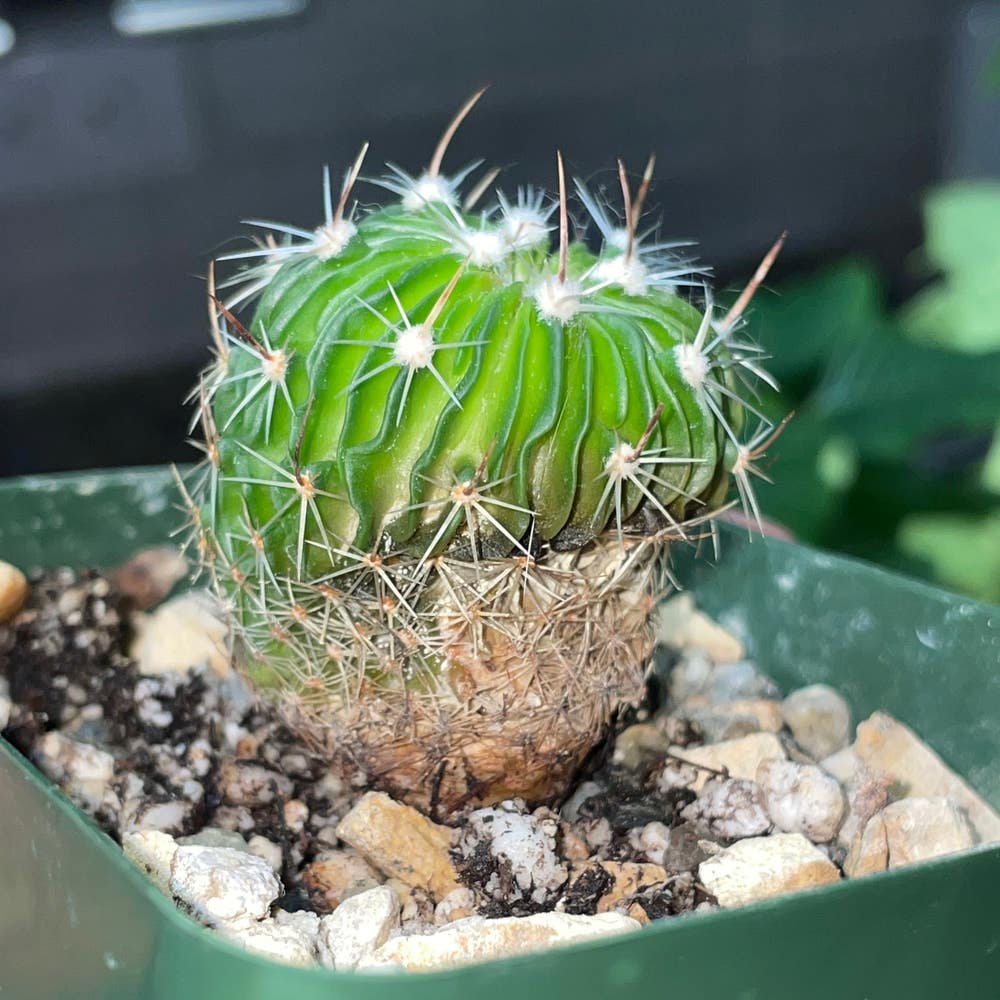
Thelocactus hexaedrophorus

4.6 out of 5 (5 experiences)
 Survivor
 Easy to propagate
Taxonomy

Thelocactus hexaedrophorus
Thelocactus
Cactaceae
Caryophyllales

How to care for Thelocactus hexaedrophorus
How often to water your Thelocactus hexaedrophorus

every 12
Thelocactus hexaedrophorus needs 0.5 cups of water every 12 when it doesn’t get direct sunlight and is potted in a 5" pot.
Use our water calculator to personalize watering recommendations to your environment or download Greg for more advanced recommendations for all of your plants.

Water 0.5 cups every
12
Finding light for None in your home

a window
Thelocactus hexaedrophorus love being close to bright, sunny windows 😎.
Place it less than 1ft from a south-facing window to maximize the potential for growth.
Thelocactus hexaedrophorus does not tolerate low-light 🚫.
Select your region to see how the current weather in your area affects the placement of Thelocactus hexaedrophorus in your home 🏡.
How to fertilize Thelocactus hexaedrophorus

Most potting soils come with ample nutrients which plants use to produce new growth.
By the time your plant has depleted the nutrients in its soil it’s likely grown enough to need a larger pot anyway.
To replenish this plant's nutrients, repot your Thelocactus hexaedrophorus after it doubles in size or once a year—whichever comes first.
-
Probably dumb question… How do I know if my cactus is dead? It hasn’t done much of anything in 6 months, and I’m just curious if I’m proudly displaying a dead plant in my house? 😂 #CactusClique #Cacti #Thelocactus #NotSoHappyPlants
-
What this plants name #GhostPlant
-
What's this plants name #GhostPlant
-
Is my baby dying? 😩🥲 helppp pls 💚
-
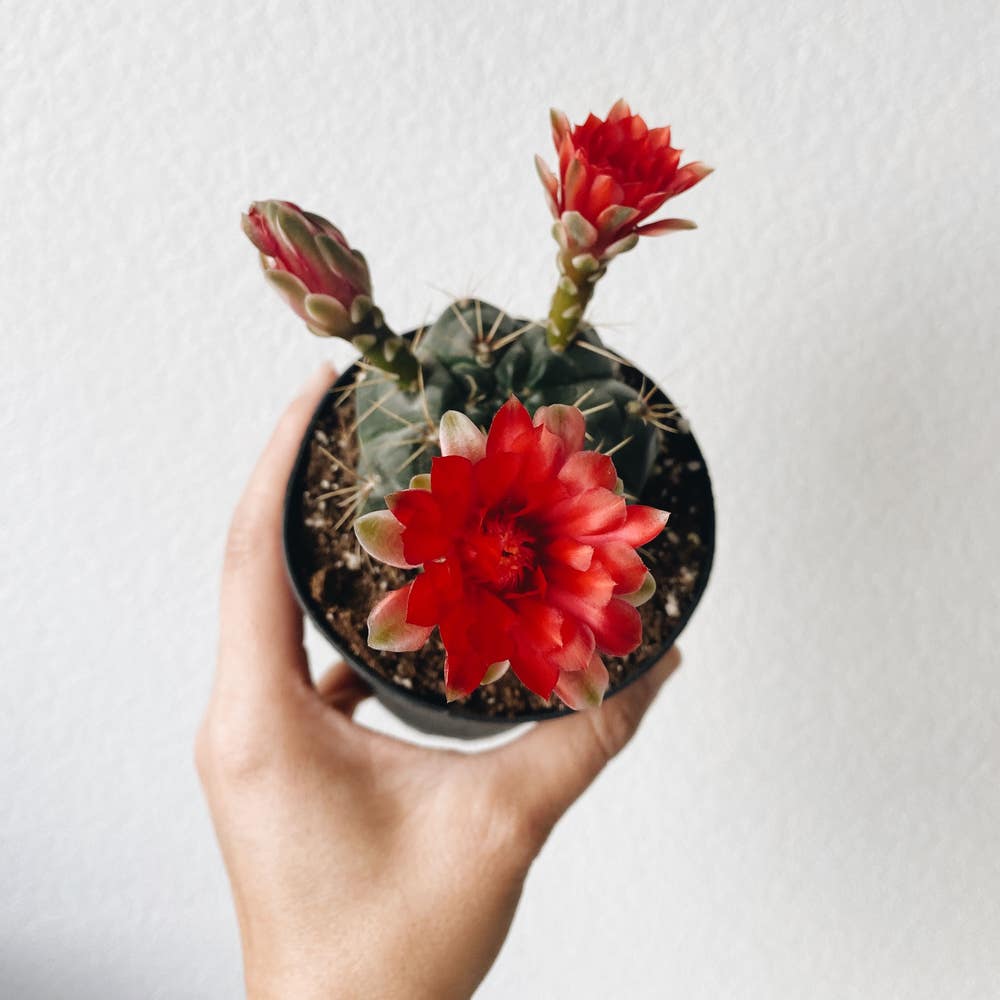
I’ve not been super interested in cacti. But these flowers might be slowly changing my mind. #CactusClique #CactusFlowers #PlantsMakePeopleHappy
-
I.D #whatthesuccwednesday can I get him identified please x
-
What's this I got this Cactus but I don't know what he Is called x
-
Hooked cactus turning white I’m not sure what’s happening here. My other #HookedCactus are doing fine in the same environment

Care Summary for Thelocactus hexaedrophorus

Thelocactus hexaedrophorus
 Greg recommends:
 Water
Water
0.5 cups every 12 days
 Placement
< 1ft from a window
 Nutrients
Repot after 2x growth
Based on the 4” pot your plant is in, and that it doesn’t get direct sunlight.
What other plant parents say
Survivor 4
Easy to propagate 1
 Blooms easily 1


 09/12/2021
Super cute and very difficult to kill 😂 perfect for all the people like me out there worried about committing cactucide 😂
Survivor
Easy to propagate


 09/05/2021
Hes my first plant :)
Survivor

 09/04/2021
Nearly got a flower only had 2 week .
Blooms easily
Survivor

 Trending in your area

















 Similar to Thelocactus hexaedrophorus

✨ Discover rare plants

Lithops

Bonsai Crassula

Variegated Arrowhead …

Echeveria Arrow

Sedum 'White Diamond'

Christmas Candle

Stomatium acutifolium

Scindapsus pictus 'Si…

Burro's Tail

Dinteranthus microspe…

Hoya 'Millie'

Begonia hydrocotylifo…

Aglaonema 'Green Bowl'

Aeonium 'Blushing Bea…

Picasso's Paintbrush