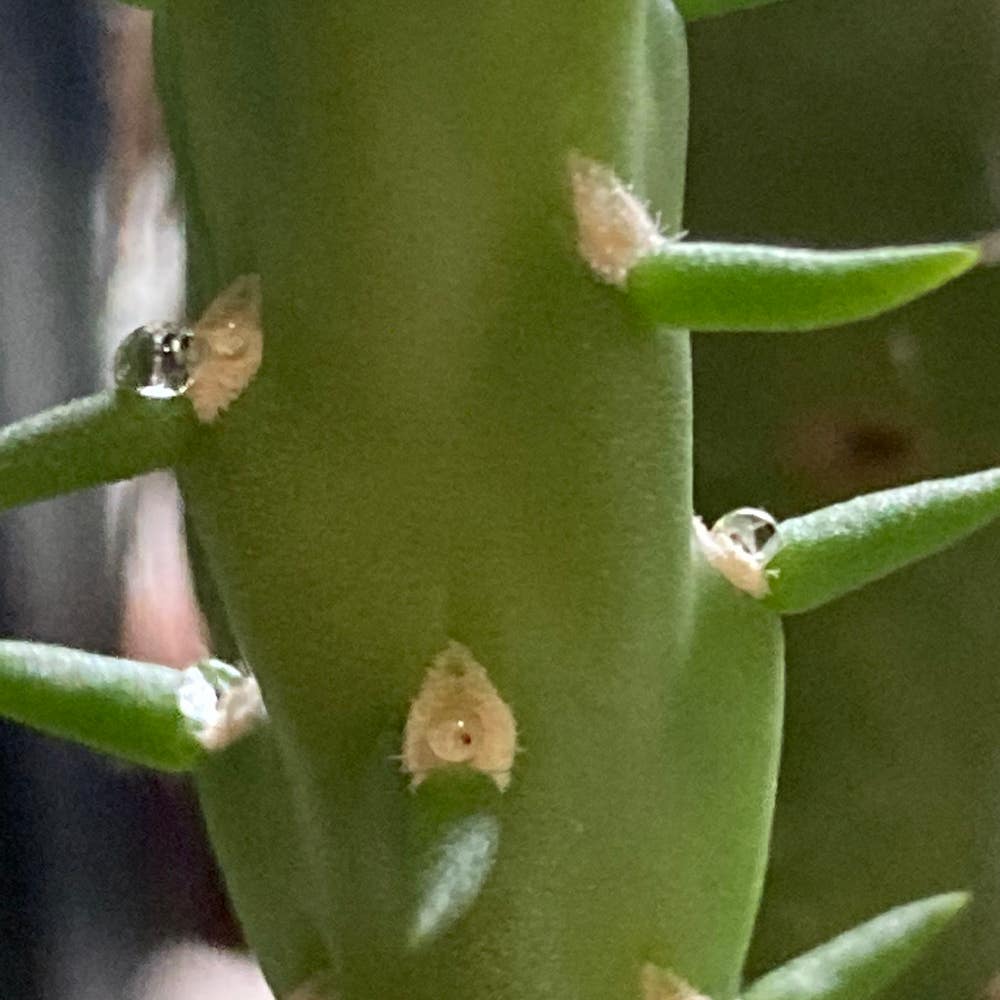
Thistle Cholla: A Comprehensive Overview 🌵
Cylindropuntia tunicata
By the Greg Editorial Team
Jan 23, 2025•11 min read
This article was created with the help of AI so we can cover more plants for you. May contain errors. See one? Report it here.
Elevate your garden with Thistle Cholla 🌵, a stunning, low-maintenance cactus that thrives in dry conditions and attracts wildlife!
- 🌞 Thistle Cholla needs at least six hours of sunlight daily for optimal growth.
- 🌵 Use well-draining soil to prevent root rot and ensure healthy growth.
- 💧 Water every 2-4 weeks during growing season; reduce in winter to avoid overwatering.
How to Grow
🌞 Choosing a Location
To thrive, Thistle Cholla needs full sun exposure, ideally basking in at least six hours of sunlight daily. When deciding between outdoor and container growing, consider airflow and space; both are crucial for healthy growth.
🏜️ Soil Preparation
For optimal growth, use a well-draining soil mix, such as cactus mix or sandy loam. Aim for a soil pH between 6.0 and 7.0 to keep your Thistle Cholla happy and healthy, as proper drainage is vital to prevent root rot.
🌱 Planting Techniques
When planting seeds or cuttings, ensure they are placed 2-3 inches deep in the soil. For outdoor planting, maintain a spacing of 3-4 feet apart, and the best time to plant is in spring, right after the last frost.
🚰 Watering Requirements
After planting, give your Thistle Cholla a light watering to help it settle in. During the growing season, water every 2-4 weeks, but reduce this frequency in winter; watch for signs of overwatering or underwatering to keep your plant thriving.
🍽️ Fertilizing Guidelines
Fertilize your Thistle Cholla once in early spring with a balanced cactus fertilizer. Opt for low-nitrogen, slow-release options to provide steady nutrients without overwhelming the plant.
✂️ Pruning Methods
Late winter or early spring is the best time to prune your Thistle Cholla. Use clean, sharp tools to remove any dead or damaged pads, which helps prevent disease and promotes healthy growth.
🔍 Ongoing Care
Regularly monitor your Thistle Cholla for pests and diseases, adjusting care based on seasonal changes. If you're growing in a container, remember to repot every 2-3 years to ensure your plant has enough room to grow.
With these guidelines, you’re well on your way to cultivating a thriving Thistle Cholla. Next, let’s explore how to propagate this resilient plant for even more growth opportunities.
Propagation
🌱 Seed Propagation
To start propagating Thistle Cholla from seeds, begin by soaking the seeds for 24 hours. This process helps to soften the seed coat, promoting better germination.
For optimal germination, use warm, well-draining soil and keep it moist but not soggy. Expect germination to take about 2-4 weeks, depending on conditions.
✂️ Cutting Propagation
When propagating via cuttings, select healthy pads that are 4-6 inches long. This ensures that the cuttings have enough energy to establish roots.
After cutting, allow the ends to dry and callus for 1-2 days before planting. This step is crucial to prevent rot when placed in soil.
Plant the cuttings 1-2 inches deep in well-draining soil. With proper care, these cuttings will thrive and develop into new plants.
Propagation is a rewarding way to expand your Thistle Cholla collection, so give it a try!
Lifecycle
Lifecycle Stages 🌱
The Thistle Cholla is a resilient perennial plant that thrives in arid environments. Its lifecycle consists of several distinct stages: germination, seedling, vegetative growth, flowering, and seed production.
During germination, seeds require warm, well-draining soil to sprout. This initial phase is crucial, as it sets the foundation for the plant's future growth.
As seedlings emerge, they enter a phase of vegetative growth. Here, they develop their characteristic pads and roots, establishing themselves in their environment.
The flowering stage is a highlight of the Thistle Cholla's lifecycle. Vibrant blooms attract pollinators, contributing to the plant's reproductive success.
Finally, the plant produces seeds, ensuring its continuation. With a lifespan of 10-20 years, the Thistle Cholla reaches full size in just 3-5 years, making it a rewarding addition to any garden.
This lifecycle not only showcases the plant's adaptability but also highlights its role in the ecosystem. Understanding these stages can help gardeners provide the best care for their Thistle Cholla, ensuring it thrives for years to come.
Next, we will explore the mature dimensions of this fascinating plant.
Size
Mature Dimensions 🌵
The Thistle Cholla can reach a mature height of 2 to 4 feet, making it a striking addition to any landscape. Its spread typically ranges from 3 to 5 feet wide, allowing it to create a visually appealing presence.
Growth Rate Factors 📈
This cactus has a moderate growth rate, influenced by several key factors. Soil quality, water availability, and sunlight exposure all play crucial roles in determining how quickly your Thistle Cholla will thrive.
Maximizing Growth Potential 🚀
To ensure your Thistle Cholla reaches its full potential, provide optimal conditions. Focus on well-draining soil, regular but not excessive watering, and plenty of sunlight to encourage robust growth.
Conclusion 📚
Understanding the size and growth characteristics of the Thistle Cholla helps you plan its placement in your garden effectively. Next, let’s explore the fascinating lifecycle of this resilient plant.
Roots
🌱 Root System Characteristics
Thistle Cholla features a unique root system composed of fibrous roots complemented by a deep taproot. This combination allows the plant to access moisture and nutrients efficiently, with roots typically reaching depths of up to 2 feet.
🌍 Spread and Depth
The root spread generally matches the plant's width, ensuring stability and support. This characteristic is crucial for the plant's overall health and resilience, especially in arid environments.
⚠️ Common Issues
Despite its robust nature, Thistle Cholla can face root-related challenges. Root rot is a common issue, often caused by overwatering or poor drainage, leading to unhealthy roots that can jeopardize the plant's survival.
🔍 Recognizing Root Problems
Signs of unhealthy roots include yellowing pads and stunted growth. Additionally, if the plant becomes rootbound, it may struggle to thrive, necessitating repotting or careful root pruning to encourage healthy development.
Understanding the root system of Thistle Cholla is essential for successful cultivation. By monitoring root health and addressing issues promptly, you can ensure your plant remains vibrant and flourishing.
Next, let’s explore the numerous benefits of growing Thistle Cholla in your garden.
Benefits
🌵 Top 5 Benefits of Thistle Cholla
1. Drought Tolerance
Thistle Cholla is a champion when it comes to drought tolerance. It requires minimal water, making it an excellent choice for xeriscaping and water-wise gardens.
2. Low Maintenance
This cactus thrives in poor soil conditions with little care. Once established, it demands very little attention, allowing you to enjoy its beauty without the hassle.
3. Aesthetic Appeal
With its unique cylindrical stems and vibrant flowers, Thistle Cholla adds a striking visual element to any landscape. Its distinct appearance can elevate the overall aesthetic of your garden.
4. Wildlife Habitat
Thistle Cholla serves as a vital habitat for desert wildlife. It provides shelter and food for various species, contributing to the biodiversity of your garden.
5. Edible Pads and Fruits
Not only is Thistle Cholla visually appealing, but it also offers edible pads and fruits. These can be harvested for culinary uses, adding a unique twist to your meals.
Incorporating Thistle Cholla into your garden not only enhances its beauty but also supports the environment and offers practical benefits. Next, let's explore the best companion plants that thrive alongside this resilient cactus.
Companion Plants
Best Companions 🌱
Companion planting is a fantastic way to boost your garden's diversity and health. By pairing plants that support each other, you can enhance pest management and create a thriving ecosystem.
Ideal Partners 🌼
When it comes to Thistle Cholla, consider planting it alongside drought-tolerant species like Agave and desert marigold. These companions not only share similar water needs but also complement the aesthetic appeal of your garden.
Plants to Avoid 🚫
On the flip side, steer clear of high-water-demand plants. These can compete for resources, potentially stressing your Thistle Cholla and hindering its growth.
By choosing the right companions, you can create a harmonious garden that showcases the beauty of Thistle Cholla while ensuring its health and vitality. This thoughtful approach to planting will lead to a more resilient and vibrant landscape.
Next, let’s explore the fascinating topic of Thistle Cholla's toxicity to humans, dogs, and cats.
Toxicity to Humans
Safety Overview 🌿
Thistle Cholla is not listed as toxic by major poison control centers, making it a safe choice for gardens and landscapes. You can handle and even consume its pads in small amounts without worry.
General Safety ⚠️
While it's generally safe, it's wise to exercise caution. If you experience any unusual symptoms after contact or consumption, seeking medical advice is always a good idea.
Final Thoughts 💭
Understanding the safety of Thistle Cholla can enhance your gardening experience. Enjoy its beauty and benefits while keeping a watchful eye on your health.
Toxicity to Dogs
Safety Overview 🐶
Thistle Cholla is not listed as toxic by major pet poison control centers, making it a relatively safe choice for dog owners. Your furry friends can interact with this plant without significant risk, and small amounts of consumption are generally considered safe.
Monitoring Your Pets 👀
While Thistle Cholla poses minimal toxicity, it's always wise to keep an eye on your pets around plants. If you notice any unusual symptoms after they’ve been near or nibbled on the plant, consult your veterinarian for peace of mind.
General Safety Tips ⚠️
Encouraging safe interactions with plants can enhance your pet's environment. Just remember, moderation is key, and a little caution goes a long way in ensuring your dog's health and happiness.
As we explore the next section, let's dive into the safety overview regarding Thistle Cholla and its effects on cats.
Toxicity to Cats
Safety Overview 🐱
Thistle Cholla is not listed as toxic by major pet poison control centers, making it a relatively safe choice for homes with cats. You can feel at ease knowing that your feline friends can interact with this plant without significant risk.
General Safety 🛡️
While Thistle Cholla is generally safe for cats, it's wise to monitor their behavior around the plant. If your cat shows any unusual symptoms after contact or consumption, consult a veterinarian for peace of mind.
Cautionary Measures ⚠️
Even though the plant is deemed safe, it's always best to keep an eye on your pets. Cats are curious creatures, and their interactions with plants can sometimes lead to unexpected reactions.
In summary, Thistle Cholla poses minimal risk to cats, but staying vigilant is key to ensuring their health and safety. Now, let's explore some common issues that can arise with this fascinating plant.
Problems
🌵 Common Issues with Thistle Cholla
Growing Thistle Cholla can be rewarding, but it’s essential to be aware of potential problems that may arise. Here’s a breakdown of common issues and how to identify them.
💧 Incorrect Watering
Watering is crucial for Thistle Cholla health. Overwatering can lead to root rot, characterized by mushy roots and yellowing pads. Conversely, underwatering results in shriveled pads and a general lack of vigor.
☀️ Incorrect Light Conditions
Light is another critical factor. If your Thistle Cholla is stretching towards the light, it may be experiencing etiolation, which indicates insufficient sunlight. Aim for at least six hours of full sun daily to keep your plant thriving.
🦠 Diseases
Fungal diseases can pose a significant threat. Watch for signs of powdery mildew, rust, black rot, and blight. These issues often manifest as discoloration or spots on the pads, requiring prompt attention to prevent spread.
🌱 Root Problems
Healthy roots are vital for your plant's overall health. Root rot can occur from poor drainage, leading to dark, mushy roots. Signs of unhealthy roots include stunted growth and yellowing pads, indicating it’s time to reassess your watering practices.
🍃 Leaf Issues
Leaf problems can also arise. Scorching, which appears as browning edges, often results from excessive sunlight or heat. Yellowing leaves may indicate nutrient deficiencies or improper watering, both of which need addressing for optimal growth.
By staying vigilant and addressing these common issues, you can ensure your Thistle Cholla remains healthy and vibrant. Next, let’s explore the pest issues that can affect your plant.
Bugs
🐜 Pest Issues
Thistle Cholla is generally a tough plant, boasting impressive pest resistance. However, it can still fall victim to a few pesky invaders.
🔍 Identifying Pests
The most common culprits include spider mites, scale insects, and mealybugs. Keep an eye out for webbing, sticky residue, or white cottony masses on your plants.
💊 Treatment Options
When it comes to treatment, you have options. Organic methods like neem oil or insecticidal soap can effectively manage infestations without harming the environment.
For more severe cases, chemical control methods may be necessary. Always follow the instructions carefully to protect your Thistle Cholla and surrounding plants.
🚫 Prevention Tips
To minimize pest problems, ensure your plants have good airflow and avoid overcrowding. Regularly inspect your plants for early signs of pests, allowing you to act swiftly.
By staying vigilant and proactive, you can keep your Thistle Cholla thriving and pest-free. Next, let’s explore what animals might be interested in snacking on your beautiful cactus.
What Eats
Common Animals 🦌
Thistle Cholla is a favorite snack for various wildlife, including deer, rabbits, squirrels, and rodents. These animals are drawn to the plant's succulent pads, which provide hydration and nourishment.
Signs of Animal Presence 🐾
Identifying animal visitors is straightforward. Look for tracks, droppings, and chewed pads around your Thistle Cholla. These signs indicate that your plant has attracted some hungry guests.
Deterrent Methods 🚫
To protect your Thistle Cholla, consider using deterrent methods. Chemical repellents can be effective, but organic options, like planting strong-smelling herbs, can also keep animals at bay.
Maintaining a balance between nurturing your plants and managing wildlife can enhance your gardening experience. With the right strategies, you can enjoy the beauty of Thistle Cholla while minimizing unwanted nibbling.
⚠️ Safety First
This content is for general information and may contain errors, omissions, or outdated details. It is not medical, veterinary advice, or an endorsement of therapeutic claims.
Always consult a qualified healthcare professional before using any plant as food, medicine, or supplement.
Never eat any plant (or feed one to pets) without confirming its identity with at least two trusted sources.
If you suspect poisoning, call Poison Control (800) 222-1222, the Pet Poison Helpline (800) 213-6680, or your local emergency service immediately.
Spotted an error? Please report it here.
Transform your garden with a thriving Thistle Cholla 🌵 by using Greg's personalized care tips and watering reminders to unlock its full potential!