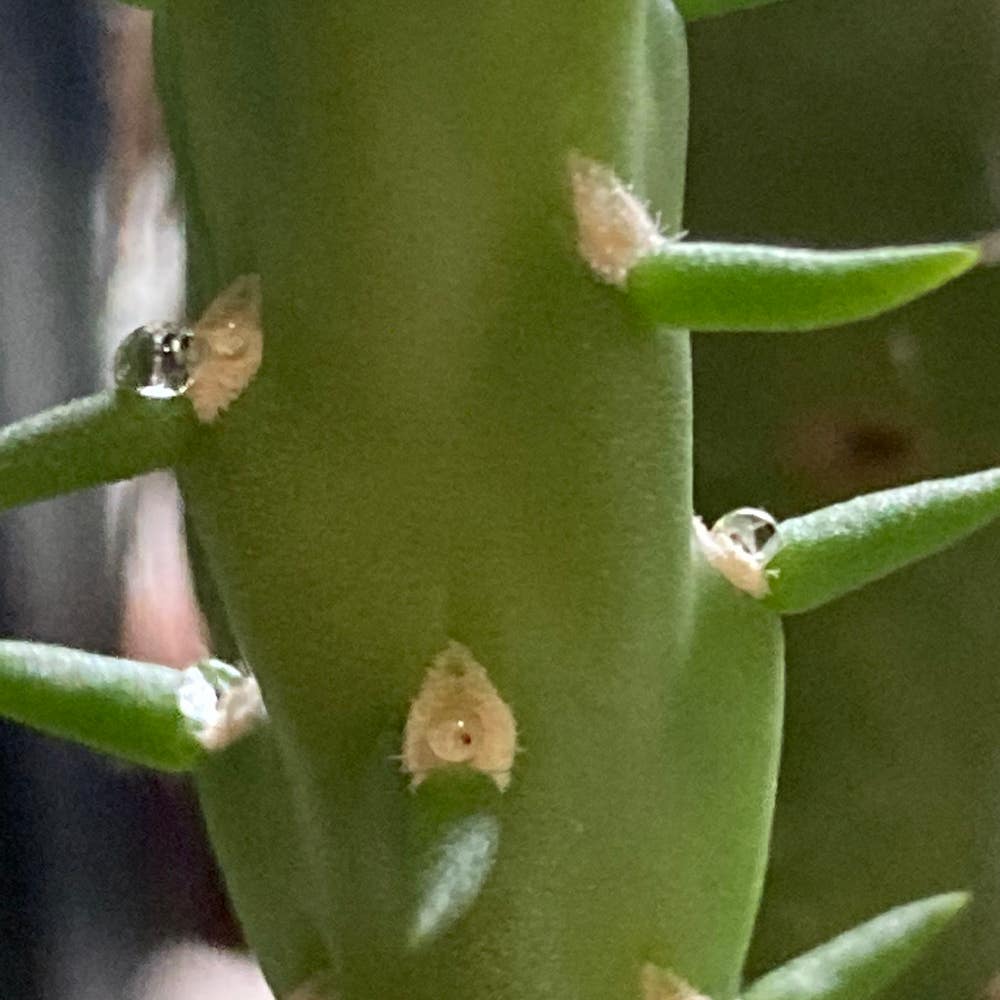
Understanding Hudson Pear: The Basics 🍐
Cylindropuntia tunicata
By the Greg Editorial Team
Jan 28, 2025•11 min read
This article was created with the help of AI so we can cover more plants for you. May contain errors. See one? Report it here.
Cultivate beauty and bounty in your garden with Hudson Pears—delicious fruit and vibrant ecosystems await! 🌳🍐
- 🌞 Hudson Pears need 6-8 hours of sunlight daily for optimal growth.
- 🌱 Well-draining soil with pH 6.0-7.5 is ideal for Hudson Pear cultivation.
- 🍐 Mature plants take 3-5 years to fruit, offering edible benefits and ornamental value.
How to Grow
Choosing a Location 🌞
To thrive, Hudson Pears need full sun exposure, ideally basking in 6-8 hours of sunlight daily. When selecting a spot, consider their mature dimensions to ensure they have enough space to grow without crowding.
Soil Preparation 🌱
These plants prefer well-draining, fertile loam for optimal growth. Aim for a soil pH between 6.0 and 7.5 to create the best environment for your Hudson Pear.
Planting Techniques 🌿
When planting, ensure the root crown is level with the soil surface for healthy growth. Space your plants 15-20 feet apart to allow for adequate air circulation and prevent disease.
Watering Requirements 💧
Regular watering is crucial, especially during dry spells. However, be cautious to avoid waterlogging, which can harm the roots.
Fertilizing Schedule 🌼
In early spring, apply a balanced NPK fertilizer to give your Hudson Pear a nutrient boost. This will support vigorous growth and fruit production throughout the season.
Pruning Methods ✂️
Prune your Hudson Pear in late winter or early spring, just before new growth begins. Focus on removing dead or crossing branches to enhance airflow and light penetration.
Ongoing Care 🪴
For container-grown Hudson Pears, ensure they have adequate drainage and monitor moisture levels closely. In outdoor settings, mulching is beneficial for retaining soil moisture and suppressing weeds, promoting a healthier plant environment.
With these essential growing tips, you'll be well on your way to cultivating a thriving Hudson Pear. Next, let’s explore the fascinating world of propagation techniques to expand your garden even further.
Propagation
🌱 Seed Propagation
To start with seed propagation, collect seeds from ripe Hudson Pear fruit. Make sure to clean and dry the seeds thoroughly before planting them, as this helps improve germination rates.
Germination typically takes about 2-4 weeks under optimal conditions. Keep the seeds in a warm, moist environment to encourage sprouting.
✂️ Cutting Propagation
For cutting propagation, select healthy stems that are 6-8 inches long. These cuttings should be taken from vigorous plants to ensure a higher success rate.
Use a rooting medium that combines peat and perlite for the best results. This mix provides excellent drainage and aeration, which are crucial for root development.
🌿 Layering Techniques
Air layering is another effective method for propagating Hudson Pear. To do this, wound a branch and cover the area with moist sphagnum moss.
This technique encourages root growth while the branch remains attached to the parent plant. Once roots develop, you can cut the branch and transplant it into soil.
With these propagation methods, you can easily expand your Hudson Pear collection and enjoy the fruits of your labor. Next, let’s explore the lifecycle of this remarkable plant.
Lifecycle
Stages of Growth 🌱
The Hudson Pear follows a distinct annual growth cycle. It remains dormant during the winter months, then springs to life with active growth in spring and summer.
Germination Process 🌡️
For successful seed germination, maintaining an optimal temperature of 70°F (21°C) is crucial. This warmth encourages seeds to sprout efficiently.
Seedling Stage 🌿
Once germinated, the seedlings typically take 6-12 weeks to develop fully. This period is essential for building a strong foundation before transplanting.
Vegetative Growth 🌳
The vegetative growth phase generally lasts from spring to late summer. During this time, the plant focuses on developing leaves and stems, setting the stage for future flowering.
Flowering and Seed Production 🌸
Flowering occurs in late spring, marking a vital transition in the plant's lifecycle. Successful pollination during this period leads to the development of fruit.
Lifespan and Growth Timeline ⏳
Hudson Pears can live for several decades, showcasing their resilience. They usually take about 3-5 years to reach maturity and begin fruiting, with a moderate growth rate of 12-24 inches annually.
Understanding the lifecycle of the Hudson Pear not only helps in its cultivation but also enhances appreciation for its journey from seed to fruit-bearing tree. Next, we will explore the size of this remarkable plant and how it can fit into your garden space.
Size
Mature Height and Spread 🌳
Hudson Pears can grow impressively, reaching an average mature height of 15 to 30 feet. Their spread typically ranges from 10 to 20 feet, making them a substantial presence in any garden.
Growth Rate and Time to Full Size ⏳
These trees are not in a hurry; they usually reach their full size in about 10 to 15 years. Patience is key, but the wait is worth it for the beauty and fruit they provide.
Size Variability 📏
Several factors can influence the size of Hudson Pears. Soil quality, water availability, and sunlight exposure all play crucial roles in determining how large these trees will grow.
Understanding these elements can help you create the ideal environment for your Hudson Pear, ensuring it thrives and reaches its full potential.
As you plan your garden, consider how these size factors will impact your overall landscape design. Next, let’s explore the roots of the Hudson Pear and how they contribute to its growth and stability.
Roots
🌱 Type of Root System
The Hudson Pear features a predominantly fibrous root system complemented by a deep taproot. This combination allows the plant to access nutrients and water efficiently while providing stability.
📏 Root Depth and Spread
Roots can extend 2-3 feet deep, anchoring the plant securely in the soil. Additionally, they spread outward beyond the canopy, which helps in nutrient absorption and soil aeration.
⚠️ Common Root-Related Issues
One of the most common problems is root rot, typically caused by overwatering. Symptoms include wilting leaves and yellowing, signaling that the roots are struggling to breathe.
🌿 Recognizing Rootbound Plants
If you notice roots growing out of drainage holes or stunted growth, your plant may be rootbound. To remedy this, consider repotting or performing root pruning to encourage healthy growth.
This understanding of the root system is crucial for maintaining the health of your Hudson Pear. Next, let’s explore the benefits this remarkable plant offers to your garden and the environment.
Benefits
Top 5 Benefits 🌟
Edible Fruit
Hudson Pears produce delicious fruit that can be used in a variety of culinary dishes. From fresh eating to baking, their versatility makes them a favorite in many kitchens.Ornamental Value
With their attractive flowers and vibrant fall foliage, Hudson Pears enhance the beauty of any garden. They provide a stunning visual display throughout the seasons.Wildlife Attraction
These trees offer food and habitat for birds and beneficial insects. By planting Hudson Pears, you can create a thriving ecosystem in your backyard.Soil Improvement
The deep roots of Hudson Pears aerate and enrich the soil. This natural process improves soil health, benefiting other plants in the vicinity.Cultural Significance
In various cultures, Hudson Pears symbolize prosperity and abundance. Their presence in your garden can evoke a sense of richness and connection to nature.
These benefits make Hudson Pears not just a practical choice for gardeners but also a meaningful addition to any landscape. Whether you're looking to enjoy their fruit or enhance your garden's aesthetic, Hudson Pears deliver on multiple fronts.
As we explore the next section, consider how these benefits can influence your gardening choices and the overall health of your outdoor space.
Companion Plants
🌱 Concept of Companion Planting
Companion planting is all about creating a harmonious garden ecosystem. By pairing plants that benefit each other, you can enhance garden diversity, improve pest management, and boost overall plant health.
🌼 Best Companion Plants
When it comes to Hudson Pear, certain herbs shine as excellent companions. Consider planting basil and marigolds nearby; they not only repel pests but also attract beneficial insects that help keep your garden thriving.
🚫 Plants to Avoid
However, not all plants play well together. It's best to avoid nightshades, like tomatoes, as they can compete for nutrients and hinder the growth of your Hudson Pear.
By choosing the right companions, you can create a flourishing garden that supports your Hudson Pear's growth while minimizing pest issues. Next, let's explore the potential toxicity of Hudson Pear to pets and humans.
Toxicity to Humans
Hudson Pear is generally safe for humans, as it is not listed as toxic by major poison control centers. However, it's wise to be cautious; consuming large quantities may lead to mild skin irritation or digestive discomfort.
Always exercise care with any plant. If you experience unusual symptoms after contact or consumption, seek medical advice promptly. Staying informed helps ensure a safe and enjoyable experience with your Hudson Pear.
As you explore the benefits of this plant, remember that knowledge is power. Understanding its characteristics not only enhances your gardening skills but also enriches your appreciation for nature.
Next, let’s delve into how Hudson Pear interacts with our furry friends—specifically, its toxicity to dogs.
Toxicity to Dogs
When it comes to Hudson Pear, good news for dog owners: this plant is not listed as toxic by major pet poison control centers.
However, moderation is key. If your furry friend indulges in excessive amounts, they might experience mild gastrointestinal upset.
🐶 Proper Placement
To keep your dog safe, it's wise to place the Hudson Pear out of reach.
Always keep an eye on your pet's behavior around the plant to ensure they aren't getting into trouble.
This way, you can enjoy the beauty of your Hudson Pear while keeping your canine companion happy and healthy.
As we move forward, let’s explore how Hudson Pear interacts with our feline friends.
Toxicity to Cats
Hudson Pear is not listed as toxic by major pet poison control centers, making it a safer choice for homes with feline companions. However, it's important to note that excessive consumption may lead to mild gastrointestinal upset in cats.
To ensure your cat's safety, place the plant out of reach and keep an eye on their behavior around it. If you notice any unusual symptoms, don't hesitate to consult your veterinarian for advice.
By taking these precautions, you can enjoy the beauty of Hudson Pear while keeping your furry friends safe and sound.
Problems
Common Problems 🌱
Growing Hudson Pear can be rewarding, but it comes with its share of challenges. Understanding these common problems can help you maintain a healthy plant.
Incorrect Watering 💧
Watering is crucial for Hudson Pear health. Overwatering leads to wilting and root rot, while underwatering causes dry, crispy leaves.
Incorrect Light Conditions ☀️
Light exposure is another vital factor. Too much sun can scorch leaves, while insufficient light results in leggy growth as the plant stretches for more light.
Diseases 🦠
Fungal diseases can plague Hudson Pears. Watch for powdery mildew, which appears as a white coating, and black rot, which can cause fruit to decay.
Root Problems 🌿
Root issues often stem from improper watering. Root rot manifests as squishy roots, indicating that the plant is sitting in waterlogged soil.
Leaf Issues 🍃
Leaf health is a good indicator of overall plant condition. Yellowing leaves may signal nutrient deficiencies or pests, while fuzzy growth can indicate a pest infestation or disease.
Conclusion 📝
By recognizing these common problems early, you can take proactive steps to ensure your Hudson Pear thrives. Next, let’s explore the potential pests that might threaten your plant’s health.
Bugs
Potential Pest Issues 🐜
While Hudson Pears are known for their moderate pest resistance, they can still fall victim to specific pests. Being aware of these potential issues is key to maintaining a healthy plant.
Identification and Damage 🔍
- Spider Mites: Look for fine webbing and stippled leaves, which indicate these tiny pests are at work.
- Scale Insects: These pests leave behind a sticky residue and cause yellowing leaves, signaling their presence.
- Mealybugs: Identified by cotton-like masses on stems and leaves, mealybugs can weaken your plant if not addressed.
Effective Treatment Options 💪
To combat these pests, consider using neem oil or insecticidal soap, both of which are effective and eco-friendly. Additionally, introducing beneficial insects can help keep pest populations in check naturally.
By staying vigilant and employing these treatment options, you can ensure your Hudson Pear thrives despite any pest challenges. Next, let’s explore what animals might be interested in your Hudson Pear and how to deter them effectively.
What Eats
🦌 Common Animals
When it comes to the Hudson Pear, several animals might find it a tasty treat.
- Deer are notorious for munching on the leaves, leaving behind chewed remnants and broken branches.
- Rabbits can also be a nuisance, often gnawing on stems and foliage, which can hinder the plant's growth.
- Squirrels may cause damage to both the fruit and bark, making them another potential threat to your Hudson Pear.
🐾 Signs of Animal Presence
Identifying animal visitors is crucial for protecting your plants.
Look for tracks and droppings around the base of the tree.
Visible damage, such as chewed leaves or broken branches, can also indicate that wildlife is enjoying your Hudson Pear a bit too much.
🚫 Deterrent Methods
Preventing these animals from feasting on your Hudson Pear can be achieved through various methods.
- Fencing is one of the most effective ways to keep larger animals like deer at bay.
- Repellents can deter smaller critters, while companion planting can create a more diverse garden that naturally repels pests.
By employing these strategies, you can help ensure your Hudson Pear thrives without unwanted visitors.
⚠️ Safety First
This content is for general information and may contain errors, omissions, or outdated details. It is not medical, veterinary advice, or an endorsement of therapeutic claims.
Always consult a qualified healthcare professional before using any plant as food, medicine, or supplement.
Never eat any plant (or feed one to pets) without confirming its identity with at least two trusted sources.
If you suspect poisoning, call Poison Control (800) 222-1222, the Pet Poison Helpline (800) 213-6680, or your local emergency service immediately.
Spotted an error? Please report it here.
Unlock the full potential of your Hudson Pears 🍐 with Greg's tailored care reminders and expert tips to ensure they thrive and bear delicious fruit!