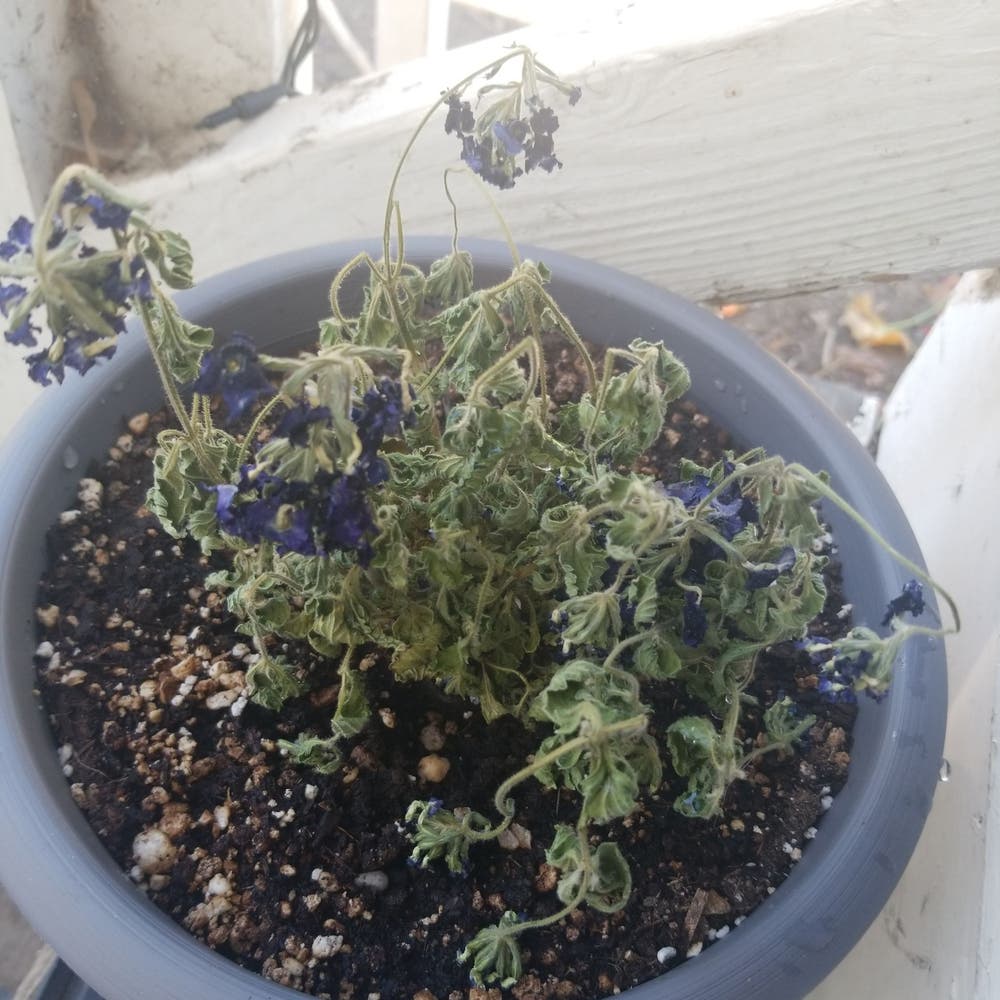
Why Are My Texas Vervain Leaves Curling?
Verbena halei
By the Greg Editorial Team
Mar 20, 2024•4 min read
This article was created with the help of AI so we can cover more plants for you. May contain errors. See one? Report it here.
Unravel the mystery of curling Texas Vervain leaves and revive your garden's charm! 🌿🔍
- Curling leaves signal distress, watch for discoloration and multiple affected leaves.
- 🌡️💧 Temperature and watering are key factors; adjust to prevent curling.
- Windbreaks and pest control help maintain flat, healthy Texas Vervain leaves.
Spotting the Signs of Leaf Curling
🍃 Visual Symptoms
Curling leaves on Texas Vervain are a visual alarm. When leaves mimic tight rolls rather than their natural flat state, it's time to pay attention. Look for edges that seem crispy or leaves that roll inward, resembling a gymnast's ribbon rather than a plant's foliage.
🚩 When to Be Concerned
Not all leaf curling spells doom. Some variation in leaf shape is normal. However, when curling is accompanied by discoloration or affects multiple leaves, it's a sign of distress. Leaves that look more like crumpled paper than vibrant greenery are crying out for help.
Unraveling the Causes of Leaf Curling
🚰 Thirsty or Drowning Roots?
Improper watering is like a seesaw; it's all about balance. Too little water and your Texas Vervain's roots are gasping for moisture, leading to leaves curling upwards in a silent plea for hydration. On the flip side, overwatering creates a root-soaking mess, causing leaves to curl downwards as they struggle in soggy despair. Check the soil before watering—aim for damp, not drenched.
🌞 Feeling the Heat (or the Chill)
Temperature swings turn Texas Vervain leaves into unwilling acrobats, curling in response to the stress. Scorching heat can cause leaves to curl up, trying to reduce exposure and conserve water. Conversely, cold snaps can make leaves curl inwards, as if huddling for warmth. Protect your plants with mulch for insulation and shade cloth to deflect intense sun rays.
💨 The Wind's Role
Wind can be a sneaky adversary, twisting leaves into contorted shapes. It's not just about the rustling; persistent wind can lead to leaves curling as they attempt to reduce surface area and water loss. Provide a windbreak or move your plants to a more sheltered spot to prevent them from performing an unwanted leafy ballet.
Battling Leaf Curling: Remedies and Treatments
💧 Adjusting Your Watering Technique
Watering is crucial. Texas Vervain doesn't like to play guessing games with its hydration. Aim for soil that's consistently moist, not a swamp or a desert. If the leaves curl downwards, you're drowning them; upwards, they're parched. Get a moisture meter if you must, or learn to read the soil like an old book—when it's dry an inch down, it's time to water.
🌿 Creating a Leaf-Friendly Microclimate
Your Texas Vervain isn't asking for a greenhouse, but it wouldn't say no to a bit of pampering. Shade cloths can defend against the summer sun's onslaught, while windbreaks act like loyal guardians against the chill. Think of it as creating a VIP lounge for your plant—exclusive, comfortable, and protected from the elements.
🐜 Dealing with Unwelcome Guests
Pests are party crashers. They'll turn leaves into their personal buffets and leave them curled in despair. Regularly check the undersides of leaves for these freeloaders. If you spot them, show them the door with a spritz of neem oil or insecticidal soap—think of it as bouncer duty for plant health. And remember, good garden hygiene is like good handwashing; it prevents a lot of problems before they start.
Keeping Leaves Flat: Prevention Tips
💧 Consistency is Key in Watering
Watering your Texas Vervain should be as regular as your morning coffee. Establish a routine that aligns with the plant's needs, adjusting for seasonal changes. Over-watering can be just as harmful as neglect, so keep the soil moist but not soggy.
🛡️ Shielding from Stress
Environmental stressors like extreme temperatures and fluctuations in humidity can wreak havoc on your plant's leaves. Consider a pebble tray for consistent humidity, and position your plant where it's protected from temperature swings. This is like giving your plant its own personal bubble against the harsh world.
👀 Vigilance Against Pests
Regularly inspect your Texas Vervain for pests; these uninvited guests love to cause leaf curling. If you spot trouble, don't delay—treat it immediately with safe, effective methods. Think of it as being a bouncer for your plant, keeping the riff-raff out.
⚠️ Safety First
This content is for general information and may contain errors, omissions, or outdated details. It is not medical, veterinary advice, or an endorsement of therapeutic claims.
Always consult a qualified healthcare professional before using any plant as food, medicine, or supplement.
Never eat any plant (or feed one to pets) without confirming its identity with at least two trusted sources.
If you suspect poisoning, call Poison Control (800) 222-1222, the Pet Poison Helpline (800) 213-6680, or your local emergency service immediately.
Spotted an error? Please report it here.
Keep your Texas Vervain thriving and curl-free 🍃 with Greg's personalized care reminders that effortlessly prevent environmental stressors from cramping your plant's style.