🌸 Ultimate Guide to Table Mountain Eulophia
Eulophia tabularis
By the Greg Editorial Team
Feb 27, 2025•11 min read
This article was created with the help of AI so we can cover more plants for you. May contain errors. See one? Report it here.
Elevate your garden's beauty and biodiversity with the resilient Table Mountain Eulophia, a pollinator magnet! 🌱
- 🌞 Table Mountain Eulophia thrives in full sun and well-drained soil to prevent root rot.
- 🌱 Weekly watering during growth and balanced fertilizer every 4-6 weeks ensure healthy plants.
- 🐛 Watch for pests and diseases; manage them to maintain vibrant growth and aesthetics.
How to Grow
Choosing a Location 🌞
To thrive, Table Mountain Eulophia prefers full sun to partial shade. It's crucial to select a spot with well-drained soil to prevent root rot, which can be detrimental to your plant's health.
Soil Preparation 🏜️
For optimal growth, sandy or loamy soil is recommended, as it provides excellent drainage. Aim for a soil pH between 6.0 and 7.0, which is slightly acidic to neutral, ensuring your plants flourish.
Planting Techniques 🌱
When planting bulbs, dig a hole that is 2-3 inches deep. Space the bulbs 12-18 inches apart to give them room to grow and spread.
Watering Requirements 🚰
During the growing season, water your plants weekly, but reduce frequency during dormancy. Be on the lookout for signs of overwatering, such as yellowing leaves and mushy bulbs, which indicate that adjustments are needed.
Fertilizing Schedule 🍽️
Use a balanced fertilizer, like NPK 10-10-10, to nourish your plants. Apply it every 4-6 weeks during their active growth phase for the best results.
Pruning Methods ✂️
Prune your Table Mountain Eulophia after flowering to promote new growth. Focus on removing any dead or damaged leaves to keep the plant healthy and vibrant.
Ongoing Care for Outdoor and Container Growing 🏡
For container plants, ensure that pots have drainage holes to prevent water accumulation. If growing outdoors, consider mulching to retain moisture and suppress weeds, creating a healthier environment for your plants.
With these guidelines, you're well on your way to successfully growing Table Mountain Eulophia. Next, let's explore how to propagate this beautiful plant for even more blooms in your garden!
Propagation
🌱 Seed Propagation
To propagate Table Mountain Eulophia from seeds, wait until the flowering period is over. Allow the seed pods to mature fully before collecting them.
Once you have the seeds, sow them about 1/4 inch deep in well-draining soil. This depth helps ensure proper germination and growth.
✂️ Division of Rhizomes
Dividing rhizomes is another effective propagation method. The best time to do this is in early spring or fall when the plant is not actively growing.
Carefully separate the rhizomes and replant them in suitable locations. This method not only increases your plant count but also rejuvenates the parent plant.
🌿 Offsets and Cuttings
Offsets are small bulbs that can be taken from the base of the parent plant. Gently remove these offsets to propagate new plants.
For cuttings, use healthy stems and allow them to callous before planting. This step is crucial for preventing rot and encouraging successful growth.
With these propagation techniques, you can easily expand your Table Mountain Eulophia collection and share the beauty of these unique plants with others. Next, let’s explore the lifecycle of this fascinating species.
Lifecycle
Understanding the Perennial Lifecycle 🌱
Table Mountain Eulophia is a perennial plant, meaning it thrives for multiple years and returns each growing season. This resilience allows gardeners to enjoy its beauty year after year.
Germination and Early Growth 🌱
Germination typically takes 2-4 weeks under optimal conditions. After germination, it takes about 4-6 weeks for the plant to develop true leaves, marking a significant growth milestone.
Growth Period 🌿
The growth period occurs from late spring to summer, during which the plant focuses on leaf development. This phase is crucial for establishing a strong foundation for future flowering.
Flowering Time 🌸
Flowering happens in late summer to early fall, showcasing the plant's stunning blooms. This vibrant display attracts pollinators and adds visual interest to any garden.
Maturity and Growth Rate 🌳
Full maturity is reached in approximately 2-3 years, with a moderate growth rate influenced by seasonal variations. Factors like light, soil quality, and care practices can affect how quickly the plant grows.
Summary of Lifecycle Stages 📊
- Germination: 2-4 weeks
- True Leaves Development: 4-6 weeks
- Growth Period: Late spring to summer
- Flowering Time: Late summer to early fall
- Full Maturity: 2-3 years
Understanding the lifecycle of Table Mountain Eulophia helps gardeners provide the right care at each stage, ensuring a thriving plant. Next, we’ll explore how to determine the ideal size for your Eulophia, which is essential for its overall health and aesthetics.
Size
Mature Height and Spread 🌱
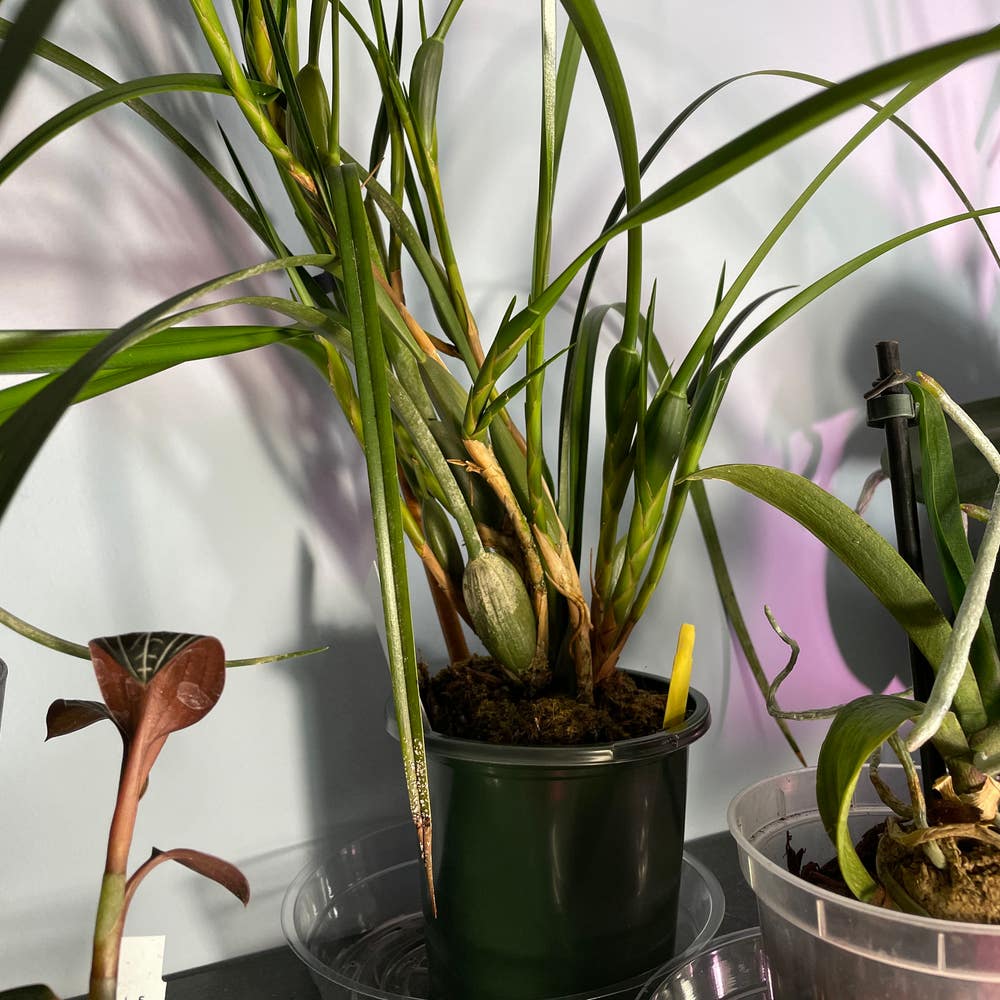
Table Mountain Eulophia typically reaches an average height of 12 to 24 inches. Its spread usually ranges from 12 to 18 inches, making it a compact yet striking addition to any garden.
Growth Rate and Size Variability 📈
This plant exhibits a moderate growth rate, which can fluctuate based on environmental conditions. Factors such as soil quality and care practices significantly influence its overall size.
Factors Affecting Size ☀️
Light exposure plays a crucial role in determining the size of your Eulophia. More sunlight generally leads to larger plants, while nutrient-rich soil promotes better growth and vitality.
In summary, understanding the size characteristics of Table Mountain Eulophia helps in planning your garden layout effectively. With the right conditions, you can enjoy a flourishing display of these beautiful plants.
Roots
Characteristics of the Root System 🌱
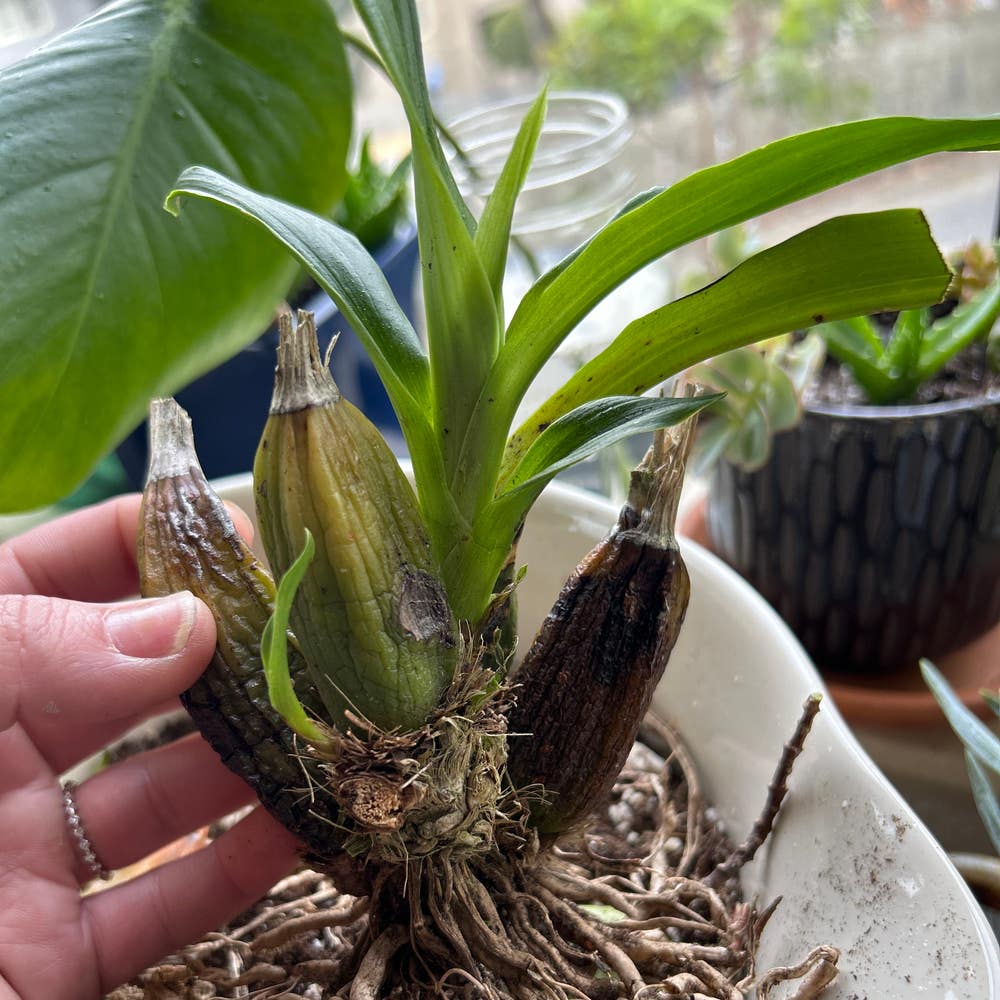
The Table Mountain Eulophia features a bulbous root system that excels at storing water. Typically, these roots grow to a depth of 6-12 inches and can spread laterally, depending on the soil conditions.
Common Root-Related Issues ⚠️
One of the most common issues faced by Eulophia is root rot, which occurs due to overwatering or poor drainage. Signs of unhealthy roots include a dark, mushy appearance, while healthy roots should be firm and exhibit a white or light tan color.
If you notice soft, brown, or black roots, it's a clear indication of trouble. Additionally, a rootbound plant has roots that circle the pot, limiting its growth potential.
To remedy this, consider repotting the plant into a larger container or dividing it to promote healthier growth.
Understanding the root system and its needs is crucial for maintaining the overall health of your Table Mountain Eulophia. With proper care, these plants can thrive and bring beauty to your garden.
Next, let’s explore the benefits of growing this unique plant.
Benefits
Top 5 Benefits 🌟
1. Attracts Pollinators
Table Mountain Eulophia is a magnet for pollinators, playing a vital role in garden biodiversity. By inviting bees and butterflies, it supports the ecosystem and enhances the beauty of your outdoor space.
2. Unique Aesthetic
With its striking flowers, this plant adds a unique touch to any garden. Its vibrant blooms not only catch the eye but also create a stunning focal point.
3. Drought-Tolerant
Once established, Table Mountain Eulophia is remarkably drought-tolerant. This means less frequent watering, making it an excellent choice for low-maintenance gardens.
4. Medicinal Uses
In many local cultures, Table Mountain Eulophia has traditional medicinal applications. Its historical significance adds depth to its appeal, making it more than just a pretty plant.
5. Erosion Control
This plant helps stabilize soil in rocky areas, preventing erosion. Its robust root system anchors the soil, contributing to a healthier landscape.
These benefits make Table Mountain Eulophia a worthwhile addition to any garden. Whether you're looking to attract wildlife or enhance your garden's aesthetic, this plant delivers on multiple fronts.
Next, let’s explore the concept of companion planting and discover which plants thrive alongside Table Mountain Eulophia.
Companion Plants
🌱 Concept of Companion Planting
Companion planting is a gardening strategy that enhances biodiversity and pest management. By pairing plants with complementary needs, you can create a thriving ecosystem in your garden.
🌼 Best Companion Plants
When growing Table Mountain Eulophia, consider pairing it with other drought-tolerant plants like succulents and native grasses. These companions share similar care requirements and can enhance the overall aesthetic of your garden.
🚫 Plants to Avoid
Be cautious of heavy feeders, as they may compete for nutrients with your Eulophia. Avoid planting them nearby to ensure your flowers receive the resources they need to flourish.
Incorporating the right companions can elevate your gardening experience. Next, let’s explore common problems that may arise while caring for your Table Mountain Eulophia.
Problems
Common Problems 🌱
1. Incorrect Watering
Watering is crucial for the health of your Table Mountain Eulophia. If you notice wilting or yellowing leaves, it’s a sign you may be over or under-watering.
To fix this, adjust your watering schedule based on the moisture level of the soil. Always check the soil before watering to ensure it’s not too dry or soggy.
2. Incorrect Light Conditions
Light plays a vital role in plant growth. If your Eulophia is exhibiting leggy growth or scorched leaves, it’s likely not receiving the right amount of light.
Consider relocating your plant to a spot that provides the appropriate light conditions. Aim for a balance between full sun and partial shade.
3. Incorrect Temperature
Temperature fluctuations can stress your plant. Symptoms like stunted growth or leaf drop indicate that your Eulophia might be experiencing unsuitable temperatures.
To remedy this, ensure that the plant is kept within its optimal temperature range. Consistency is key for healthy growth.
4. Diseases
Fungal diseases can pose a significant threat to your Eulophia. Common issues include powdery mildew, rust, and black rot, which can weaken your plant.
To combat these diseases, improve air circulation around the plant and apply fungicides as needed. Keeping the environment dry can also help prevent fungal growth.
5. Leaf and Growth Problems
If you notice yellowing leaves, fuzzy growth, or a lack of flowering, your plant may be facing care-related issues. These symptoms often signal that something is off in your care routine.
Take a moment to assess your care practices and make necessary adjustments. Sometimes, a small change can lead to significant improvements in plant health.
Conclusion 🌼
By being aware of these common problems and their solutions, you can ensure your Table Mountain Eulophia thrives. With the right care, your plant can flourish, leading to a vibrant and healthy garden. Next, let’s explore potential pest issues that could affect your Eulophia.
Bugs
🐞 Potential Pest Issues
Table Mountain Eulophia can encounter various pest challenges, but don't worry—most can be managed effectively. Staying vigilant and proactive is key to keeping your plants healthy and thriving.
🔍 Identification of Common Pests
Identifying pests early can save your plants from significant damage. Here are some common culprits:
Spider Mites
Look for fine webbing on leaves, which is a telltale sign of spider mites. These tiny pests can quickly multiply and cause stress to your plants.
Scale Insects
Scale insects leave behind a sticky residue and can cause yellowing leaves. They often blend in with the plant, making them tricky to spot.
Mealybugs
Mealybugs appear as white, cotton-like masses on stems. Their presence can indicate a larger infestation, so act quickly if you see them.
⚠️ Damage Caused by Pests
Pests can weaken your Table Mountain Eulophia, reducing its vigor and overall health. This can lead to stunted growth and fewer blooms, diminishing the plant's beauty and resilience.
🛠️ Effective Treatment Options
When it comes to pest control, you have options. Here’s how to tackle these issues:
Organic Methods
Consider using neem oil or insecticidal soap for a gentle yet effective approach. These organic solutions can help manage pests without harming beneficial insects.
Chemical Methods
For severe infestations, targeted pesticides may be necessary. Always follow the manufacturer's instructions to ensure safe and effective application.
By staying informed and proactive, you can protect your Table Mountain Eulophia from pests and enjoy its beauty for years to come. Next, let’s explore what animals might be lurking around, looking to nibble on your plants.
What Eats
Common Animals That May Damage 🦌
Table Mountain Eulophia can attract a variety of hungry critters. Deer love to browse on its leaves and flowers, while rabbits gnaw on the stems and foliage. Squirrels, on the other hand, may dig around the base of the plant, causing further disturbance.
Signs of Animal Presence 🐾
To identify if animals are causing trouble, look for tracks, droppings, or chewed plant parts. These signs can help you determine which pests are frequenting your garden.
Types of Damage Caused ⚠️
The damage from these animals can be quite significant. Leaf stripping can leave your plants bare, while stunted growth may occur if the roots are disturbed.
Deterrent Methods 🚫
To protect your plants, consider various deterrent methods. Chemical repellents can be effective, but you might also want to try organic solutions like homemade garlic spray or planting herbs that deter these animals.
By being proactive, you can keep your Table Mountain Eulophia thriving and beautiful.
⚠️ Safety First
This content is for general information and may contain errors, omissions, or outdated details. It is not medical, veterinary advice, or an endorsement of therapeutic claims.
Always consult a qualified healthcare professional before using any plant as food, medicine, or supplement.
Never eat any plant (or feed one to pets) without confirming its identity with at least two trusted sources.
If you suspect poisoning, call Poison Control (800) 222-1222, the Pet Poison Helpline (800) 213-6680, or your local emergency service immediately.
Spotted an error? Please report it here.
Unlock the secret to a thriving Table Mountain Eulophia 🌼 with Greg's custom watering alerts and expert care tips that will keep your garden vibrant and healthy!