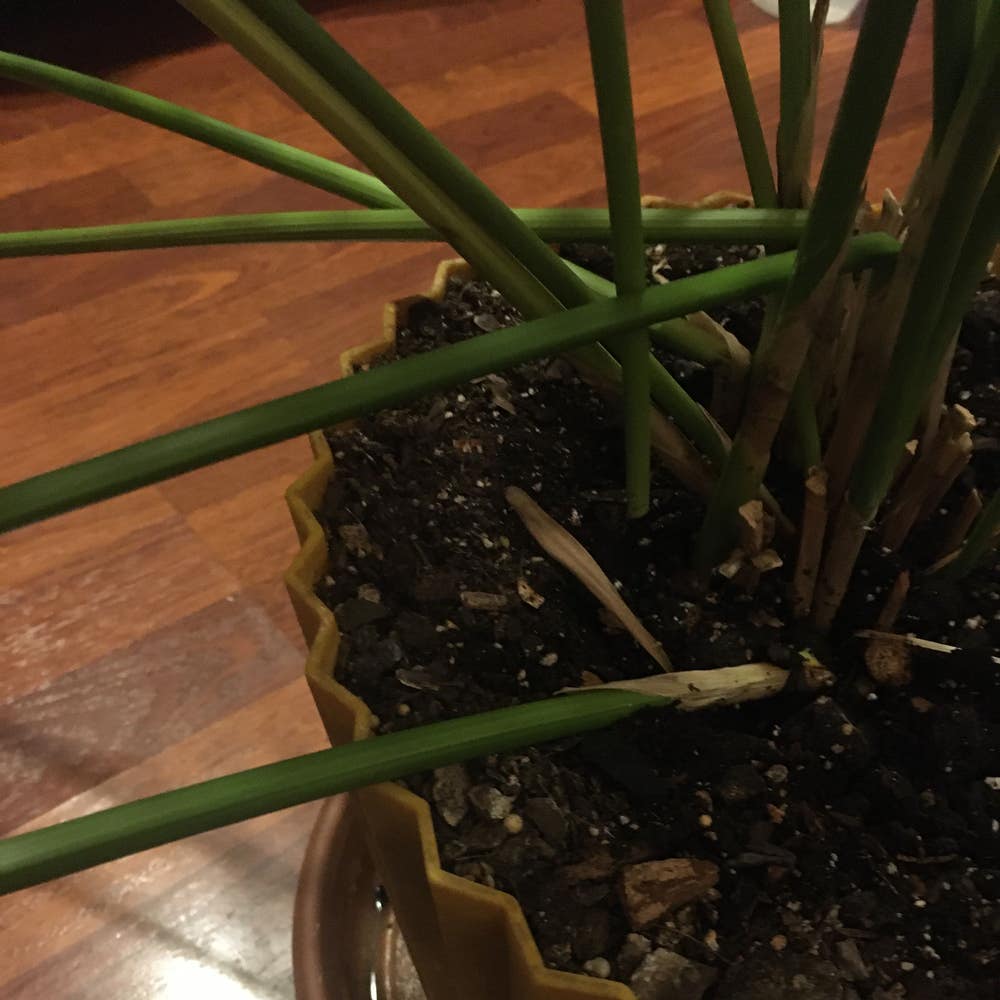
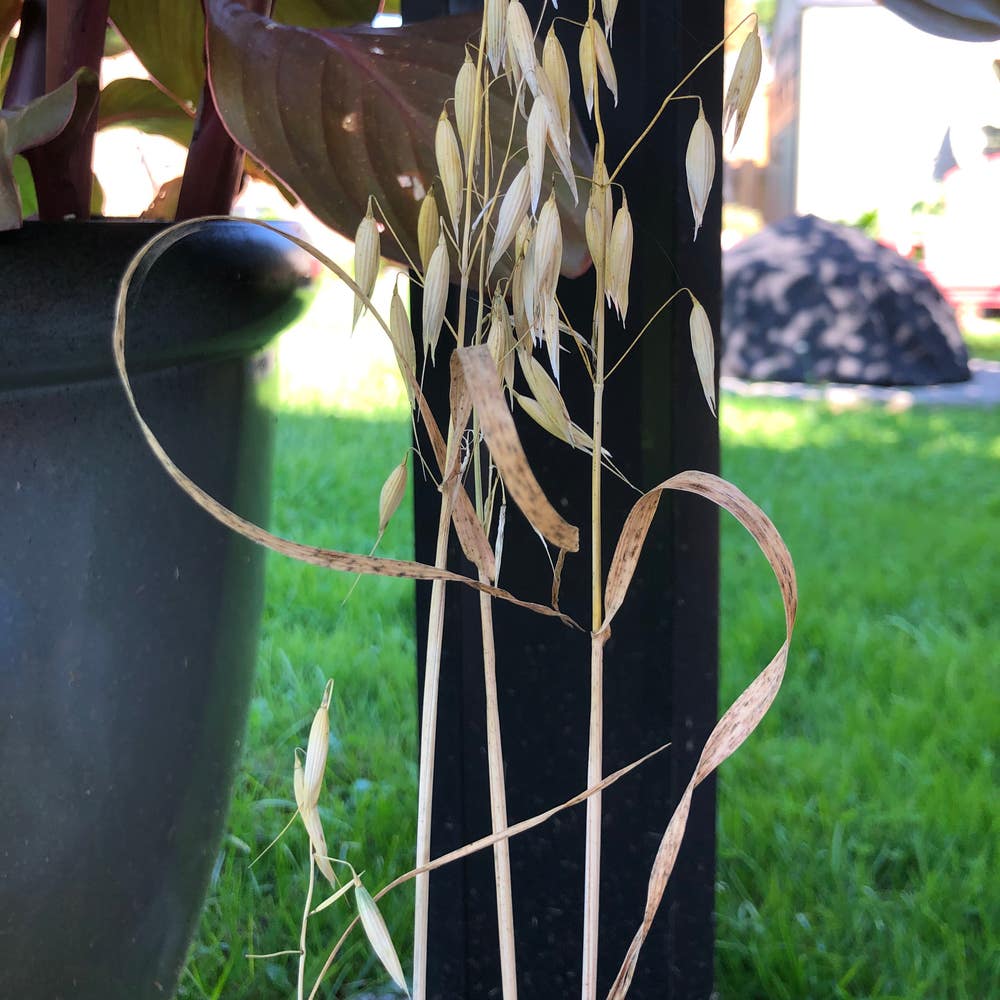
Everything You Need to Know About Sweet Galingale 🧂
Cyperus longus
By the Greg Editorial Team
Jan 10, 2025•12 min read
This article was created with the help of AI so we can cover more plants for you. May contain errors. See one? Report it here.
Elevate your garden and kitchen with sweet galingale 🌱, a plant that enriches flavors and attracts pollinators!
- 🌱 Sweet galingale thrives in shade and prefers rich, well-drained soil for growth.
- 🌿 Maintain moist soil without waterlogging to prevent yellowing leaves and wilting.
- 🍽️ Enjoy culinary and medicinal uses while attracting pollinators to enhance garden biodiversity.
How to Grow
Choosing a Location 🌳
Sweet galingale thrives in partial to full shade, making it perfect for those shadier spots in your garden. Humidity and warmth are crucial for its growth, so aim for a location that maintains these conditions.
Soil Preparation 🏞️
For optimal growth, plant sweet galingale in well-drained, rich soil. Enhance your soil with organic matter and compost to ensure it has the nutrients needed for robust development.
Planting Techniques 🌱
When planting rhizomes, dig a hole about 2-3 inches deep. Space them 2-3 feet apart to allow for healthy growth and airflow.
Watering Requirements 💧
Keep the soil consistently moist but avoid waterlogging. Watch for signs of overwatering, like yellowing leaves, or underwatering, which can cause wilting.
Fertilizing Schedule 🌼
Use a balanced NPK fertilizer to nourish your plants. Fertilize every 4-6 weeks during the growing season for best results.
Pruning Methods ✂️
Prune sweet galingale after flowering to encourage new growth. Focus on removing any dead or damaged leaves to keep the plant healthy.
Ongoing Care Tips 🛠️
If you're growing sweet galingale in containers, ensure they have adequate drainage and are the right size. For outdoor plants, regularly monitor for pests and diseases to maintain their health.
With these tips, you'll be well on your way to cultivating a thriving sweet galingale garden. Next, let's explore how to propagate this delightful plant!
Propagation
Methods of Propagation 🌱
Sweet galingale can be propagated in three effective ways: through seeds, division, and cuttings. Each method has its unique benefits and can lead to a thriving new plant.
Seeds
Collecting and sowing seeds is a straightforward method. It allows you to grow new plants from scratch, giving you the chance to cultivate a variety of galingale.
Division
Dividing rhizomes is another popular technique. This method not only helps in creating new plants but also rejuvenates older ones.
Cuttings
Taking stem cuttings is a quick way to propagate sweet galingale. It’s ideal for those who want to expand their garden without waiting for seeds to germinate.
Step-by-Step Instructions 📋
Seed Propagation: Start by soaking the seeds for 24 hours. Then, plant them in a seed-starting mix to encourage germination.
Division: Carefully separate the rhizomes, ensuring each piece has a healthy bud. Replant them immediately to minimize stress.
Cuttings: Select healthy stems and cut them just below a node. Place the cuttings in moist soil and wait for roots to develop.
With these methods, you can easily propagate sweet galingale and enjoy its unique benefits in your garden. Next, let’s explore the lifecycle of this fascinating plant.
Lifecycle
Overview of Lifecycle Stages 🌱
Sweet galingale goes through several distinct stages in its lifecycle.
Germination is the first step, typically taking 2-3 weeks under warm, moist conditions. This is when seeds sprout and begin their journey.
Next is the Seedling Stage, where young plants require careful attention. Providing adequate light and moisture is crucial for their development.
During the Vegetative Growth phase, the plant focuses on expanding its leaves and roots. This stage is vital for establishing a strong foundation.
As the plant matures, it enters the Flowering stage, which usually occurs in late summer. Conditions such as temperature and light play significant roles in this process.
Finally, the plant produces seeds during the Seed Production phase. This typically happens in late summer to early fall, allowing for the next generation.
Lifespan and Growth Timeline ⏳
Sweet galingale has a typical lifespan of 3-5 years when grown under optimal conditions.
It takes about 1-2 years to reach maturity, depending on environmental factors.
The growth rate is considered moderate, making it a manageable plant for gardeners. With the right care, you can enjoy its benefits for several years.
Understanding these lifecycle stages helps you provide the best care for sweet galingale, ensuring it thrives in your garden.
Next, we will explore the size of sweet galingale and what to expect as it grows.
Size
🌱 Mature Height and Spread
Sweet galingale typically reaches a height of 3 to 4 feet, making it a striking addition to any garden. Its spread usually extends to about 2 to 3 feet, allowing it to fill space without overwhelming nearby plants.
🚀 Growth Rate and Size Variability
Several factors influence the growth rate of sweet galingale. Soil quality, light exposure, and water availability play crucial roles in determining how quickly your plants will thrive.
📏 Factors Affecting Size
The size of sweet galingale can vary significantly depending on whether it’s planted in a container or directly in the ground. Container plants may remain smaller due to limited root space, while those in the ground often grow larger and more robust.
Climate and care practices also impact growth. Adequate sunlight, proper watering, and nutrient-rich soil can lead to healthier, larger plants.
Understanding these factors can help you optimize your sweet galingale's growth and ensure it reaches its full potential. As you plan your garden, consider these elements to create an environment where your plants can flourish.
Next, we’ll explore the fascinating root system of sweet galingale and how it contributes to its overall health and growth.
Roots
Root System Characteristics 🌱
Sweet galingale features a rhizomatous root system, which means it grows through underground stems called rhizomes. This type of root system is typically shallow but extensive, allowing the plant to spread and establish itself effectively.
Common Root-Related Issues 🚫
One of the most common problems with sweet galingale is root rot, often caused by overwatering or poorly drained soil. To prevent this, ensure your plant has well-drained soil and monitor watering habits closely.
Identifying healthy roots is crucial for plant health. Healthy roots are firm and white, while unhealthy roots appear brown and mushy, indicating rot.
Recognizing Rootbound Plants 🔗
If you notice roots growing out of the drainage holes of your pot, your sweet galingale may be rootbound. This condition can stunt growth and lead to other issues.
To remedy rootbound plants, consider repotting them into a larger container or dividing the rhizomes to promote healthier growth. This simple step can rejuvenate your plant and encourage new development.
Benefits
Top 5 Benefits 🌟
Sweet galingale is more than just a pretty plant; it offers a variety of benefits that can enhance your culinary and gardening experiences.
Culinary Uses: This aromatic herb is a staple in many Asian dishes, adding a unique flavor that elevates your cooking. Whether in soups or stir-fries, sweet galingale brings a delightful zest to your meals.
Medicinal Properties: Traditionally, sweet galingale has been used in herbal medicine for its potential health benefits. It's known for aiding digestion and may have anti-inflammatory properties, making it a valuable addition to your herbal remedies.
Aromatic Qualities: The plant's fragrant leaves can enhance the scents in your garden. Its pleasant aroma not only attracts you but also creates a welcoming environment for visitors.
Pollinator Attraction: Sweet galingale plays a role in supporting local ecosystems by attracting pollinators. Bees and butterflies are drawn to its flowers, helping to maintain biodiversity in your garden.
Aesthetic Appeal: With its unique foliage and flowers, sweet galingale adds visual interest to any garden. Its lush green leaves and striking blooms make it a standout choice for gardeners looking to create a vibrant landscape.
Incorporating sweet galingale into your garden or kitchen can be a rewarding experience. Its multifaceted benefits make it a plant worth considering for both novice and experienced gardeners alike.
As we explore the next section, let's dive into the fascinating world of companion plants that thrive alongside sweet galingale.
Companion Plants
🌱 Concept of Companion Planting
Companion planting is all about creating a harmonious garden ecosystem. By pairing plants that benefit each other, you can enhance pest management, boost growth, and increase overall garden diversity.
🌼 Best Companion Plants
When it comes to sweet galingale, consider planting it alongside ginger and turmeric. These shade-loving plants thrive in similar conditions and can help create a lush, vibrant garden.
🚫 Plants to Avoid
Be cautious of plants that compete for nutrients and space. Avoid planting sweet galingale near aggressive growers that may overshadow or outcompete it for resources.
Incorporating companion plants can lead to a healthier garden environment, so choose wisely! Next, let’s explore the potential toxicity of sweet galingale to humans and pets.
Toxicity to Humans
Safety Overview 🌿
Sweet galingale is generally considered safe for human consumption. Major poison control centers do not list it as toxic, which is great news for culinary enthusiasts.
Potential Minor Issues ⚠️
While it’s safe, consuming large quantities may lead to mild skin irritation or digestive discomfort. Always exercise caution and seek medical advice if you experience unusual symptoms after consumption.
Final Thoughts 💭
Enjoying sweet galingale in your dishes can be a delightful experience, but moderation is key. Stay informed and listen to your body to ensure a positive experience with this unique plant.
As we explore the benefits of sweet galingale, let’s dive into its culinary uses and medicinal properties next!
Toxicity to Dogs
Safety Overview 🐶
Sweet galingale is not considered toxic by major pet poison control centers. This means your furry friends can safely roam around your garden without the risk of serious harm.
Potential Minor Issues 🤢
However, it's worth noting that excessive consumption might lead to mild gastrointestinal upset. If your dog indulges a bit too much, keep an eye out for any signs of discomfort.
Tips for Introducing to Homes with Dogs 🏡
When introducing sweet galingale into your home, consider proper placement. Ensure the plant is out of reach to prevent any curious munching.
Monitoring your dog's behavior around the plant is also crucial. This way, you can quickly address any potential issues before they escalate.
In summary, sweet galingale can be a delightful addition to your garden without posing significant risks to your canine companions. Just keep an eye on them, and you’ll both enjoy the beauty of this unique plant!
Toxicity to Cats
Safety Overview 🐱
Sweet galingale is not listed as toxic by major pet poison control centers, making it a relatively safe choice for homes with cats. However, it's wise to be cautious, as excessive consumption can lead to mild gastrointestinal upset.
Introducing Sweet Galingale to Your Home 🏡
When bringing sweet galingale into a cat-friendly environment, consider its placement carefully. Keep it out of reach to prevent any curious nibbling, and monitor your cat's behavior around the plant.
Observing Your Cat 👀
If you notice any unusual symptoms after introducing sweet galingale, such as vomiting or diarrhea, consult your veterinarian. It's always better to err on the side of caution when it comes to your furry friends.
Conclusion 📜
In summary, sweet galingale poses minimal risk to cats, but responsible pet ownership involves vigilance. By ensuring proper placement and observing your cat's interactions with the plant, you can enjoy the beauty of sweet galingale without worry.
Next, let’s explore the common problems that can arise when growing sweet galingale.
Problems
Common Problems 🌱
Growing sweet galingale can be rewarding, but it’s not without its challenges. Here are some common issues you might encounter:
- Incorrect Watering: Overwatering can lead to yellowing leaves, while underwatering results in wilting.
- Incorrect Light Conditions: Insufficient light can cause stunted growth and pale foliage.
- Incorrect Temperature: Extreme temperatures can stress the plant, affecting its overall health.
- Diseases: Fungal issues, like powdery mildew, can appear if conditions are too humid or crowded.
- Root Problems: Root rot manifests as mushy roots, indicating poor drainage or excessive moisture.
Identification and Solutions 🔍
Identifying problems early is key to maintaining healthy plants. Here’s how to troubleshoot common issues:
- Overwatering: Look for yellowing leaves. Adjust your watering schedule to allow the soil to dry out slightly between waterings.
- Underwatering: If leaves are wilting, it’s time to increase your watering frequency. Ensure the soil remains consistently moist.
- Fungal Diseases: White spots on leaves signal fungal issues. Improve air circulation around the plant to prevent these problems.
- Leaf Issues: Scorched or yellowing leaves may indicate too much sun. Adjust the light exposure to provide partial shade.
- Growth Problems: If your plant is leggy, it’s likely not getting enough light. Ensure it receives adequate sunlight to promote healthy growth.
By staying vigilant and addressing these issues promptly, you can enjoy a thriving sweet galingale plant. Next, let’s explore the fascinating world of pests that might threaten your garden.
Bugs
Potential Pest Issues 🐜
Sweet galingale can face a variety of pest challenges. Understanding its resistance and susceptibility to pests is crucial for maintaining a healthy plant.
Identification and Treatment 🕵️♂️
Spider Mites
Spider mites are tiny pests that can wreak havoc on your sweet galingale. Look for fine webbing and yellowing leaves; treatment includes increasing humidity and using insecticidal soap.
Scale Insects
Scale insects appear as small, brownish bumps on stems and leaves. To control them, wipe the affected areas with a cotton ball dipped in alcohol or apply a horticultural oil.
Fungus Gnats
Fungus gnats thrive in moist soil and can be a nuisance. Prevent them by allowing the top inch of soil to dry out between waterings and using yellow sticky traps to catch adults.
Mealybugs
Mealybugs look like small cottony masses on the plant. Remove them by hand or treat with insecticidal soap to keep your galingale healthy.
Aphids
Aphids are small, green insects that can cluster on new growth. They can cause leaf curling and stunted growth; control them with a strong spray of water or neem oil.
By staying vigilant and addressing these pest issues promptly, you can ensure your sweet galingale thrives. Next, let’s explore what animals might be interested in munching on your plants.
What Eats
🦌 Common Animals
Sweet galingale can attract a variety of herbivores. Common culprits include deer, rabbits, and rodents, all of which may find the plant's tender leaves and rhizomes irresistible.
🔍 Signs of Damage
Identifying signs of damage is crucial for protecting your plants. Look for chewed leaves, missing stems, or droppings nearby, which can indicate the presence of these hungry visitors.
🚫 Deterrent Methods
To safeguard your sweet galingale, consider both chemical and organic control methods. Chemical repellents can be effective, but many gardeners prefer organic options like planting strong-smelling herbs or using barriers to keep pests at bay.
By being proactive, you can enjoy the beauty and benefits of sweet galingale without the worry of unwanted munchers. Next, let’s explore the potential problems that can arise while growing this unique plant.
⚠️ Safety First
This content is for general information and may contain errors, omissions, or outdated details. It is not medical, veterinary advice, or an endorsement of therapeutic claims.
Always consult a qualified healthcare professional before using any plant as food, medicine, or supplement.
Never eat any plant (or feed one to pets) without confirming its identity with at least two trusted sources.
If you suspect poisoning, call Poison Control (800) 222-1222, the Pet Poison Helpline (800) 213-6680, or your local emergency service immediately.
Spotted an error? Please report it here.
Unlock the full potential of your sweet galingale garden 🌿 by using Greg's tailored care reminders and expert advice to keep your plants thriving and healthy!