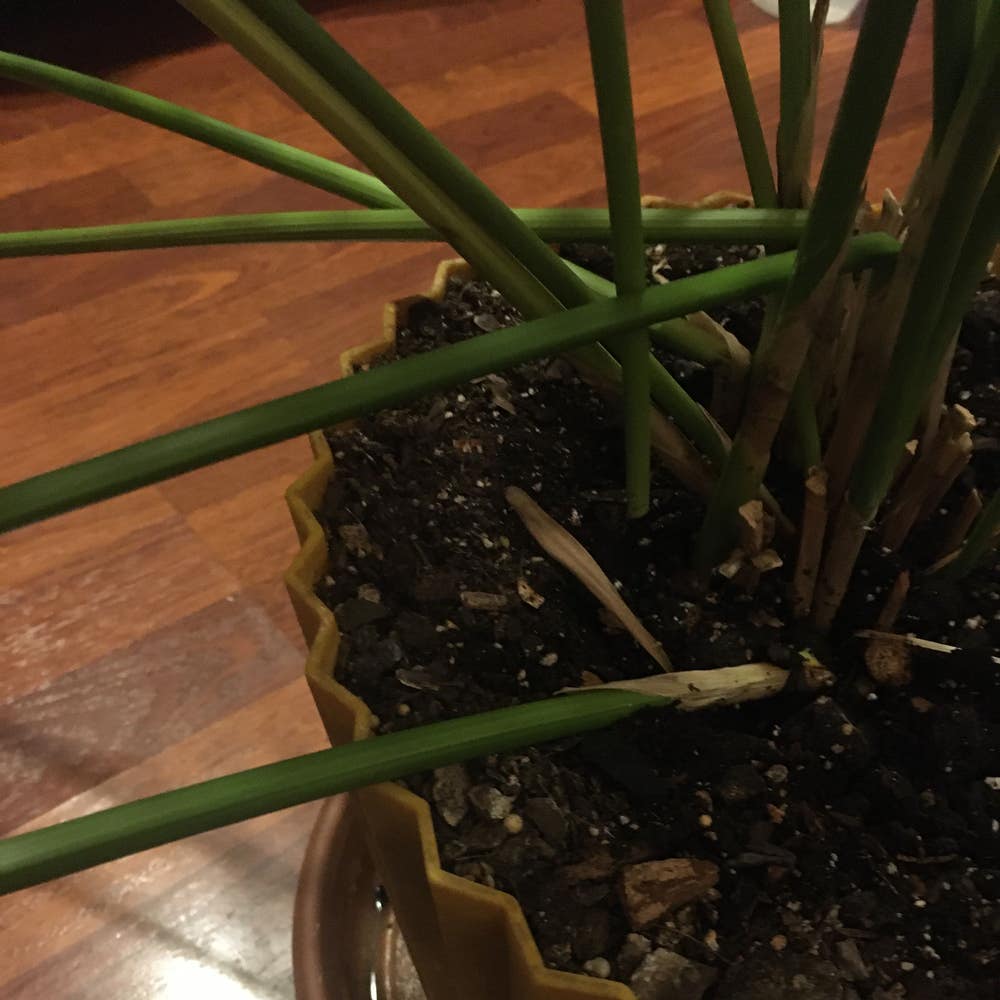
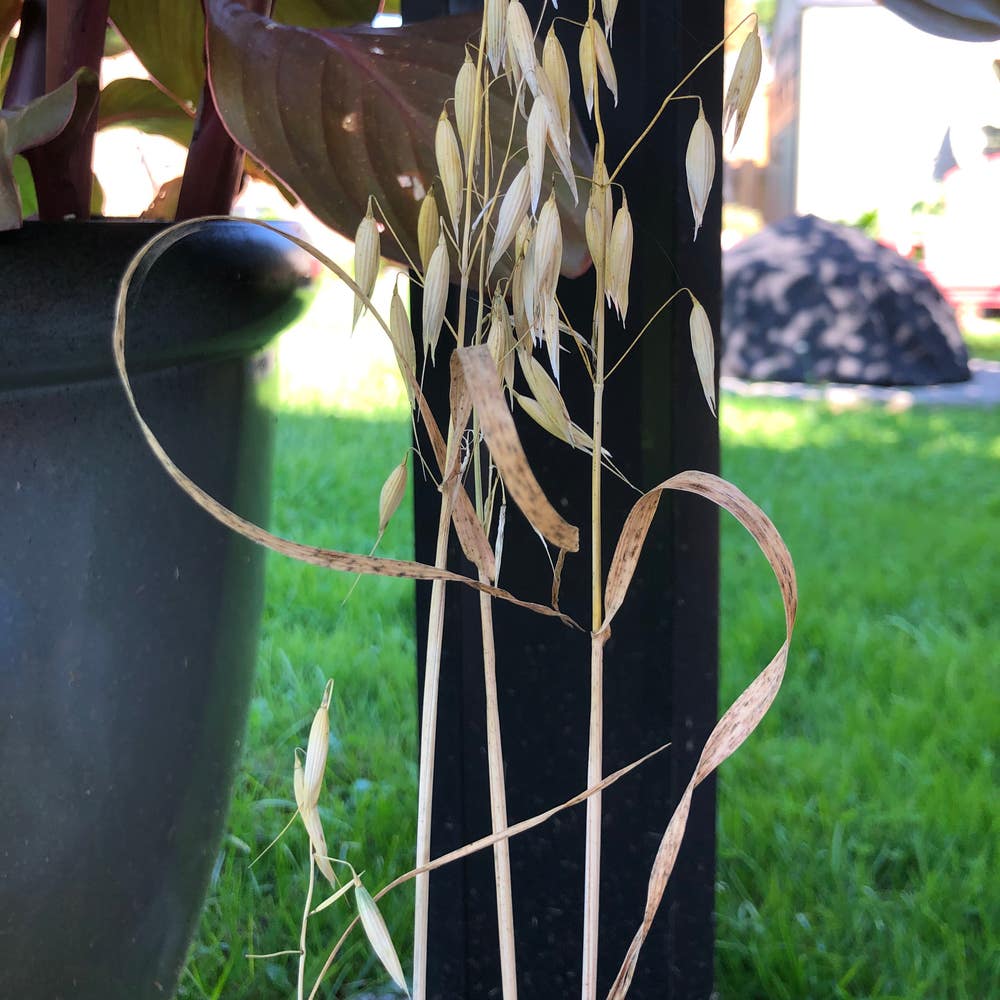
All About Galingale: Essential Facts 🧂
Cyperus longus
By the Greg Editorial Team
Jan 24, 2025•11 min read
This article was created with the help of AI so we can cover more plants for you. May contain errors. See one? Report it here.
Elevate your garden and culinary creations with Galingale, a versatile plant that thrives in diverse conditions! 🌱✨
- 🌞💧 Galingale thrives in full sun and moist soil for optimal growth.
- 🌱 Fertilize every 4-6 weeks with balanced NPK for healthy development.
- 🐾 Generally safe for pets, but large quantities may cause mild upset.
How to Grow
🌞 Choosing a location
Galingale thrives in full sun to partial shade, making it versatile for various garden settings. It prefers consistently moist to wet soil, so choose a spot that retains moisture well.
🏗️ Soil preparation
For optimal growth, use well-draining soil rich in organic matter. Aim for a pH level between 6.0 and 7.0, which is slightly acidic to neutral.
🌱 Planting techniques
When planting, dig a hole 1-2 inches deep to accommodate the rhizomes. Space plants 12-18 inches apart to ensure they have room to grow.
💧 Watering requirements
Keep the soil consistently moist, especially during dry spells. Regular watering helps maintain healthy growth and prevents stress on the plants.
🌿 Fertilizing
Fertilize every 4-6 weeks during the growing season to support robust growth. A balanced NPK fertilizer is recommended to provide essential nutrients.
✂️ Pruning
Prune in early spring before new growth begins. Remove any dead or damaged stems to encourage fresh growth and maintain plant health.
🔍 Ongoing care
Regularly monitor your plants for pests and diseases to catch any issues early. Mulching around the base can help retain soil moisture and suppress weeds.
🪴 Outdoor vs. container growing
For container growing, select large pots with drainage holes to prevent waterlogging. If growing outdoors, ensure there’s adequate space for the rhizomes to spread out comfortably.
Transitioning to propagation, understanding how to multiply your Galingale plants can enhance your garden's diversity and yield.
Propagation
🪴 Methods
Galingale can be propagated through two primary methods: division of rhizomes and seed propagation. Both methods are effective, but division is often preferred for quicker results.
📋 Step-by-step instructions
1. Division
- Select healthy rhizomes: Look for robust rhizomes with visible roots.
- Cut into sections: Ensure each piece has at least one bud for successful growth.
- Replant sections: Place the cut sections in prepared soil, covering them lightly.
2. Seed propagation
- Sow seeds in a seed tray: Use a quality seed-starting mix for best results.
- Cover lightly with soil: Just a thin layer will do; keep the seeds moist.
- Transplant seedlings: Once they develop a few true leaves, move them to larger pots or the garden.
Propagation of Galingale is straightforward and rewarding. Whether you choose to divide rhizomes or start from seeds, you'll soon enjoy the benefits of this versatile plant.
Next, let's explore the lifecycle of Galingale to understand its growth stages and care needs.
Lifecycle
🌱 Overview
Galingale thrives as a perennial, showcasing a growth cycle that spans multiple years. This resilience allows it to flourish season after season, making it a valuable addition to any garden.
📈 Stages of Growth
The lifecycle of Galingale unfolds in distinct stages, each crucial for its development.
🌱 Germination Time
Germination typically takes between 14 to 30 days. During this period, patience is key as seeds begin to sprout.
🌿 Seedling Care
Once germinated, seedlings require consistent moisture and indirect light. This nurturing phase is vital for establishing strong roots.
🌳 Vegetative Growth
In warm, moist conditions, Galingale experiences rapid vegetative growth. This stage is marked by lush foliage and vigorous expansion.
🌸 Flowering Period
The flowering period occurs from late summer to early fall. This is when Galingale showcases its beautiful blooms, adding aesthetic value to your garden.
⏳ Lifespan
Under optimal conditions, Galingale can live for 3 to 5 years. This longevity makes it a reliable choice for gardeners seeking lasting plants.
📏 Time to Maturity
It takes approximately 1 to 2 years for Galingale to reach its full size. During this time, it develops a robust structure and vibrant foliage.
Understanding the lifecycle of Galingale not only enhances your gardening skills but also deepens your appreciation for this remarkable plant. Next, let's explore the size of Galingale and what to expect as it matures.
Size
Mature dimensions 🌱
Galingale can reach impressive heights of 3 to 5 feet, making it a striking addition to any garden. Its spread typically ranges from 2 to 3 feet wide, allowing it to fill space without overwhelming neighboring plants.
Growth rate 🚀
The growth rate of Galingale varies from moderate to fast, largely depending on the conditions in which it’s grown. With the right care, you can witness rapid development, especially during warm, moist periods.
Size variability 📏
Several factors influence the size of Galingale, particularly water availability and sunlight exposure. Adequate moisture and sunlight can lead to lush, robust plants, while insufficient conditions may stunt their growth.
As you consider growing Galingale, keep these size factors in mind to ensure your plants thrive. Next, let’s explore the fascinating lifecycle of this resilient perennial.
Roots
Characteristics 🌱
Galingale features a rhizomatous root system, which means it grows horizontally underground. This type of root structure allows the plant to spread effectively while typically remaining shallow.
Common Issues ⚠️
One of the most common problems with Galingale roots is root rot, often caused by overwatering or poor drainage. Healthy roots should be firm, white, and well-distributed, while unhealthy roots appear dark, mushy, or emit a foul smell.
Recognizing Rootbound Plants 🔍
If you notice roots growing out of the drainage holes of your pot, your Galingale may be rootbound. The solution is simple: repot the plant into a larger container or divide it to promote healthy growth.
Understanding the root system of Galingale is crucial for its overall health and productivity. With proper care, you can ensure your plant thrives and continues to flourish.
Benefits
Galingale is more than just a pretty plant; it offers a variety of benefits that can enhance your culinary experiences and garden aesthetics.
🍽️ Culinary Uses
One of the standout features of galingale is its culinary versatility. This aromatic herb adds a unique flavor to dishes and beverages, making it a favorite among chefs and home cooks alike.
💊 Medicinal Properties
Traditionally, galingale has been valued for its medicinal properties. It's often used to support digestive health, offering a natural remedy for various gastrointestinal issues.
🌸 Aromatic Qualities
The pleasant scent of galingale's rhizomes can elevate any garden space. Its fragrance not only delights the senses but also attracts beneficial insects.
🌱 Erosion Control
Galingale plays a crucial role in soil stabilization. Its robust root system helps control erosion, particularly in wet areas, making it a practical choice for gardeners concerned about soil health.
🌼 Aesthetic Appeal
Beyond its functional benefits, galingale boasts unique foliage and flower structures. This adds visual interest to gardens, enhancing their overall beauty.
Incorporating galingale into your garden not only enriches your culinary adventures but also contributes to a healthier ecosystem. Next, let’s explore the concept of companion planting and how galingale can thrive alongside other plants.
Companion Plants
🌱 Concept
Companion planting is a fantastic way to enhance your garden's ecosystem. By choosing the right plants, you can boost growth, manage pests, and increase overall garden diversity.
🤝 Best companions
When growing Galingale, consider pairing it with water-loving plants like cattails and marsh marigold. These companions thrive in similar conditions and can help create a lush, vibrant garden.
Additionally, pest-repellent plants such as basil and mint can deter unwanted insects. Their aromatic qualities not only enhance your garden's scent but also protect your Galingale from pests.
🚫 Plants to avoid
However, not all plants are suitable neighbors for Galingale. Heavy feeders like corn and tomatoes can compete for nutrients, potentially stunting Galingale's growth. It's best to keep these plants at a distance to ensure your Galingale thrives.
By carefully selecting companion plants, you can create a harmonious garden that supports the health and vitality of your Galingale. This thoughtful approach not only enhances your gardening experience but also promotes a thriving ecosystem.
Next, let's explore the fascinating topic of Galingale's toxicity to humans, dogs, and cats.
Toxicity to Humans
Safety Overview 🌿
Galingale is generally safe for humans and is not listed as toxic by major poison control centers. However, it's wise to be cautious; consuming it in large quantities may lead to mild skin irritation or digestive discomfort.
Cautionary Measures ⚠️
Always exercise caution with any plant. If you experience unusual symptoms after consumption, seek medical advice promptly. It's better to be safe than sorry when it comes to plant interactions!
This knowledge about Galingale's safety helps you appreciate its culinary and medicinal uses without unnecessary worry. Now that you know it's safe, let’s explore how to enjoy its benefits in your garden!
Toxicity to Dogs
Safety 🐶
Galingale is not listed as toxic by major pet poison control centers, making it a relatively safe choice for dog owners. However, if your furry friend decides to munch on it, there could be minor issues like mild gastrointestinal upset from consuming large quantities.
Tips for Dog Owners 🐾
To ensure a harmonious garden, consider proper placement of Galingale away from your dog's usual roaming areas. It's also wise to monitor your dog's behavior around new plants, just to be on the safe side.
With a little attention, you can enjoy the beauty of Galingale without worrying about your canine companion's health. Now, let's explore how Galingale interacts with our feline friends.
Toxicity to Cats
Safety 🐱
Galingale is not listed as toxic by major pet poison control centers. This means your feline friends can safely roam around it without serious risk.
Potential Issues ⚠️
However, if consumed in large quantities, cats may experience mild gastrointestinal upset. It's always wise to keep an eye on your pets and their interactions with any new plants.
Tips for Care 🌿
To ensure a safe environment, consider the placement of Galingale in your home or garden. Monitor your cat's behavior around the plant, especially if they show curiosity.
Conclusion 🐾
With proper care and attention, Galingale can coexist peacefully with your cats. Enjoy the beauty of this plant while keeping your furry companions safe!
Problems
Common Issues 🌱
Galingale can face several common problems that affect its growth and health.
- Incorrect Watering: Overwatering can lead to root rot, while underwatering may cause wilting and stress.
- Incorrect Light Conditions: Insufficient light can result in leggy growth and poor foliage development.
- Diseases: Fungal issues like powdery mildew and blight can plague Galingale, especially in humid conditions.
Identifying Symptoms 🔍
Recognizing signs of distress in Galingale is crucial for timely intervention.
- Watering Issues: Yellowing leaves or wilting indicate either too much or too little water.
- Light Problems: Stunted growth or pale leaves often suggest inadequate light exposure.
- Diseases: Look for white powdery spots on leaves or dark patches that signal fungal infections.
Solutions 🛠️
Addressing these problems requires a proactive approach.
- Adjust Watering Practices: Ensure the soil remains consistently moist but not soggy. Use well-draining soil to prevent waterlogging.
- Modify Light Exposure: If your Galingale is not thriving, consider relocating it to a spot with better light conditions, ideally full sun to partial shade.
- Implement Disease Management Strategies: Regularly inspect your plants and apply organic fungicides if necessary. Maintaining good air circulation can also help prevent fungal issues.
By staying vigilant and responsive to these common problems, you can ensure your Galingale thrives beautifully. Next, let’s explore the fascinating world of pests that might also affect your plant's health.
Bugs
🐞 Potential Pest Issues
Galingale is generally resilient, but it can still face pest challenges. Understanding its susceptibility helps in maintaining a healthy plant.
🔍 Identifying Pests
Common pests that may target Galingale include spider mites, aphids, and mealybugs. Each of these pests can cause significant stress to your plants if not managed promptly.
⚠️ Damage Caused
Infestations can lead to various symptoms, such as yellowing leaves, stunted growth, and webbing on the foliage. Identifying these signs early can save your Galingale from severe damage.
🛠️ Treatment Options
For pest control, you have both organic and chemical methods at your disposal. Organic options include insecticidal soap and neem oil, while chemical treatments may involve targeted pesticides.
Regular monitoring and prompt action are key to keeping your Galingale thriving. With the right approach, you can enjoy the benefits of this unique plant without the worry of pests.
What Eats Galingale
🦌 Common Animals
Galingale can attract a variety of hungry critters. The most common culprits include deer, rabbits, squirrels, and rodents, all of which may find the plant's tender shoots and rhizomes irresistible.
🔍 Signs of Damage
To identify if your Galingale is under attack, look for clear signs of damage. Evidence such as nibbling on leaves, tracks in the soil, or droppings nearby can indicate that these animals have been feasting on your plants.
🚫 Deterrent Methods
Protecting your Galingale from these pests can be achieved through several methods. Consider using chemical repellents designed for garden use, or opt for organic control methods like planting deterrent herbs or using physical barriers to keep the animals at bay.
By staying vigilant and employing these strategies, you can help ensure your Galingale thrives without unwanted visitors. Next, let’s explore the common problems that can affect its growth.
⚠️ Safety First
This content is for general information and may contain errors, omissions, or outdated details. It is not medical, veterinary advice, or an endorsement of therapeutic claims.
Always consult a qualified healthcare professional before using any plant as food, medicine, or supplement.
Never eat any plant (or feed one to pets) without confirming its identity with at least two trusted sources.
If you suspect poisoning, call Poison Control (800) 222-1222, the Pet Poison Helpline (800) 213-6680, or your local emergency service immediately.
Spotted an error? Please report it here.
Unlock the full potential of your Galingale 🌱 with Greg's tailored watering reminders and expert care tips to keep it thriving and flavorful in your garden!