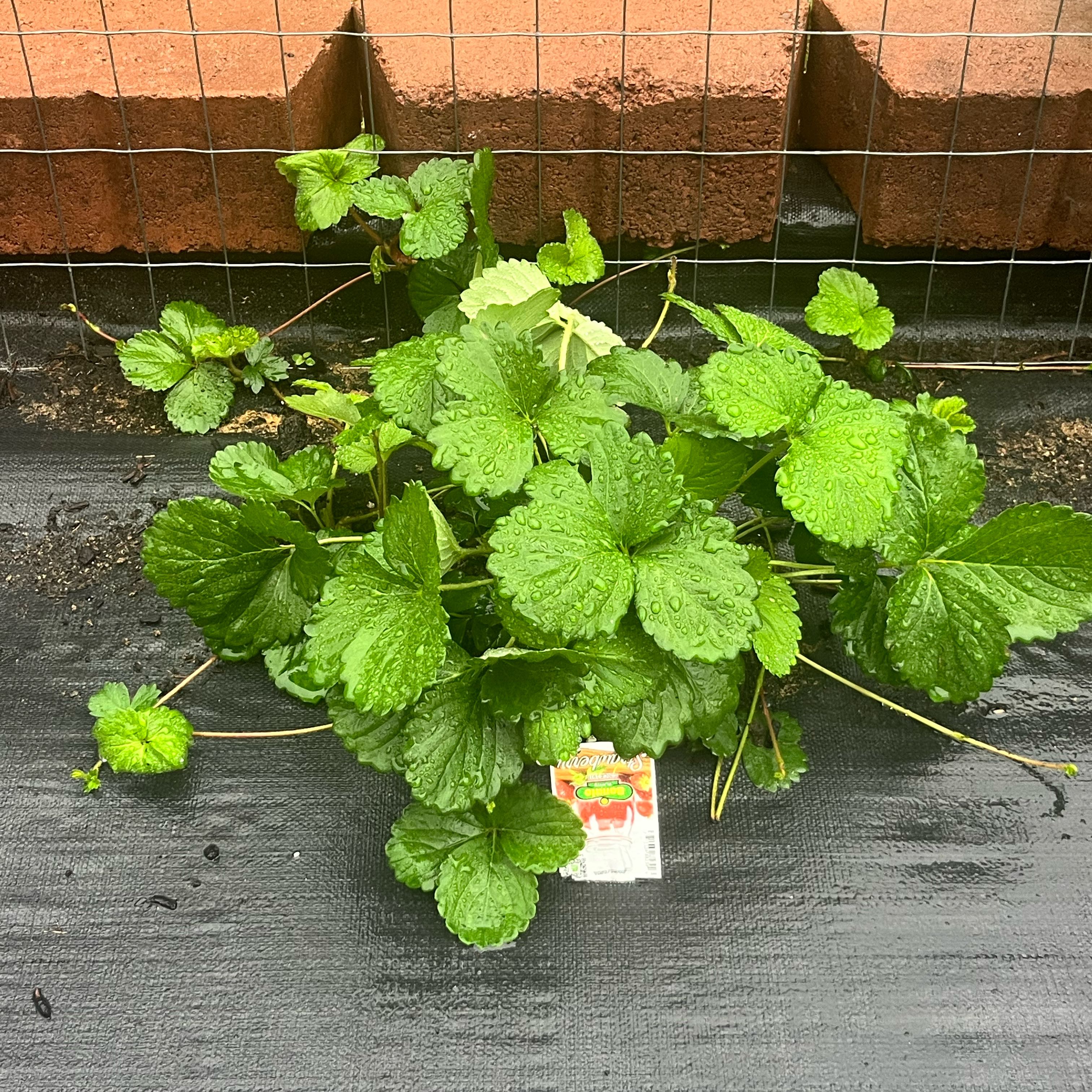
Ultimate Guide to Soil for Strawberry Plant πŸ“

Fragaria x ananassa

By the Greg Editorial Team

Oct 09, 20244 min read

This article was created with the help of AI so we can cover more plants for you. May contain errors. See one? Report it here.

Grow luscious strawberries πŸ“ by mastering the perfect soil mix and health for your garden's success!

  1. 🌱 Ideal strawberry soil is loamy, well-draining: 40% sand, 40% silt, 20% clay.
  2. πŸ”¬ Maintain pH between 5.5-6.5 for optimal nutrient absorption and plant health.
  3. 🏑 Improve drainage with raised beds or perlite to prevent root rot and mold.

Soil Composition for Strawberries

Ideal Soil Composition πŸ“

For growing strawberries, the ideal soil is well-draining and loamy, packed with organic matter. Aim for a texture that consists of 40% sand, 40% silt, and 20% clay to create a balanced environment for your plants.

Organic matter plays a crucial role in enhancing nutrient retention and improving soil structure. This rich foundation supports healthy strawberry growth and maximizes yield.

Soil Drainage and Health 🚰

Proper drainage is vital for root health. When water pools or absorption is slow, it can signal poor drainage, which may lead to root rot and other issues.

To combat drainage problems, consider solutions like raised beds or adding perlite and sand to your soil mix. These adjustments can significantly improve water flow and overall soil health.

By ensuring your soil composition and drainage are on point, you're setting the stage for thriving strawberry plants. Next, let’s explore the importance of soil pH and how it affects nutrient availability.

Soil pH and Nutrient Needs

🌱 Ideal pH Range

Maintaining the right soil pH is crucial for strawberry plants. The optimal pH range is between 5.5 and 6.5, which is slightly acidic.

This pH level significantly impacts nutrient availability. Specifically, it affects the absorption of essential nutrients like iron, magnesium, and calcium, which are vital for healthy plant growth.

πŸ”¬ Testing and Adjusting Soil pH

To ensure your soil is within the ideal pH range, testing is essential. You can use pH test kits or send samples to soil testing services for accurate results.

If your soil is too acidic, you can raise the pH by adding lime or wood ash. Conversely, to lower the pH, consider incorporating sulfur or peat moss into your soil mix.

Understanding and managing soil pH not only enhances nutrient uptake but also promotes overall plant health. With the right adjustments, your strawberries will thrive, setting the stage for a bountiful harvest.

Next, let’s explore how to identify and resolve unhealthy soil conditions to keep your strawberry plants in top shape.

Identifying and Resolving Unhealthy Soil

Signs of Unhealthy Soil 🌱

Recognizing unhealthy soil is crucial for the success of your strawberry plants. Look for visual indicators such as discoloration, poor growth, and the presence of mold.

Texture changes can also signal problems. Compacted soil or overly dry conditions can hinder root development and nutrient absorption.

Solutions for Unhealthy Soil Conditions πŸ› οΈ

If you notice moldy soil, improving drainage is essential. Consider reducing your watering frequency to prevent excess moisture.

For root rot management, start by removing affected roots. Enhancing aeration and using fungicides can also help restore soil health.

By addressing these issues promptly, you can create a thriving environment for your strawberries. Next, let’s explore how to create a homemade soil mix that supports healthy growth.

Creating a Homemade Soil Mix

Step-by-Step Guide 🌱

Creating the perfect soil mix for your strawberry plants is essential for their growth. Start by gathering your materials: peat moss, compost, perlite, and sand.

Next, follow this mixing ratio: use 2 parts peat moss, 1 part compost, 1 part perlite, and 1 part sand. This combination ensures your soil is well-draining and rich in nutrients.

Once you have your ingredients, combine them thoroughly. This step is crucial for achieving an even distribution of nutrients and texture throughout the mix.

Tips for Maintaining Soil Health 🌿

To keep your homemade soil mix thriving, regularly add organic matter. Composting every growing season enriches the soil and supports healthy plant growth.

Monitoring moisture levels is also vital. Consider using moisture meters for accuracy, ensuring your strawberries receive just the right amount of water.

Lastly, rotate your crops to prevent nutrient depletion. This practice not only maintains soil health but also promotes a more robust growing environment for your strawberries.

With these steps and tips, you’ll be well on your way to creating a thriving soil mix for your strawberry plants. Next, let’s explore how to identify and resolve unhealthy soil conditions to keep your garden flourishing.

⚠️ Safety First

This content is for general information and may contain errors, omissions, or outdated details. It is not medical, veterinary advice, or an endorsement of therapeutic claims.

Always consult a qualified healthcare professional before using any plant as food, medicine, or supplement.

Never eat any plant (or feed one to pets) without confirming its identity with at least two trusted sources.

If you suspect poisoning, call Poison Control (800) 222-1222, the Pet Poison Helpline (800) 213-6680, or your local emergency service immediately.

Spotted an error? Please report it here.

Grow juicy strawberries πŸ“ with Greg's personalized soil tips and moisture monitoring to ensure your plants thrive and produce a bountiful harvest!


#Strawberry

52 posts on Greg
Browse #Strawberry