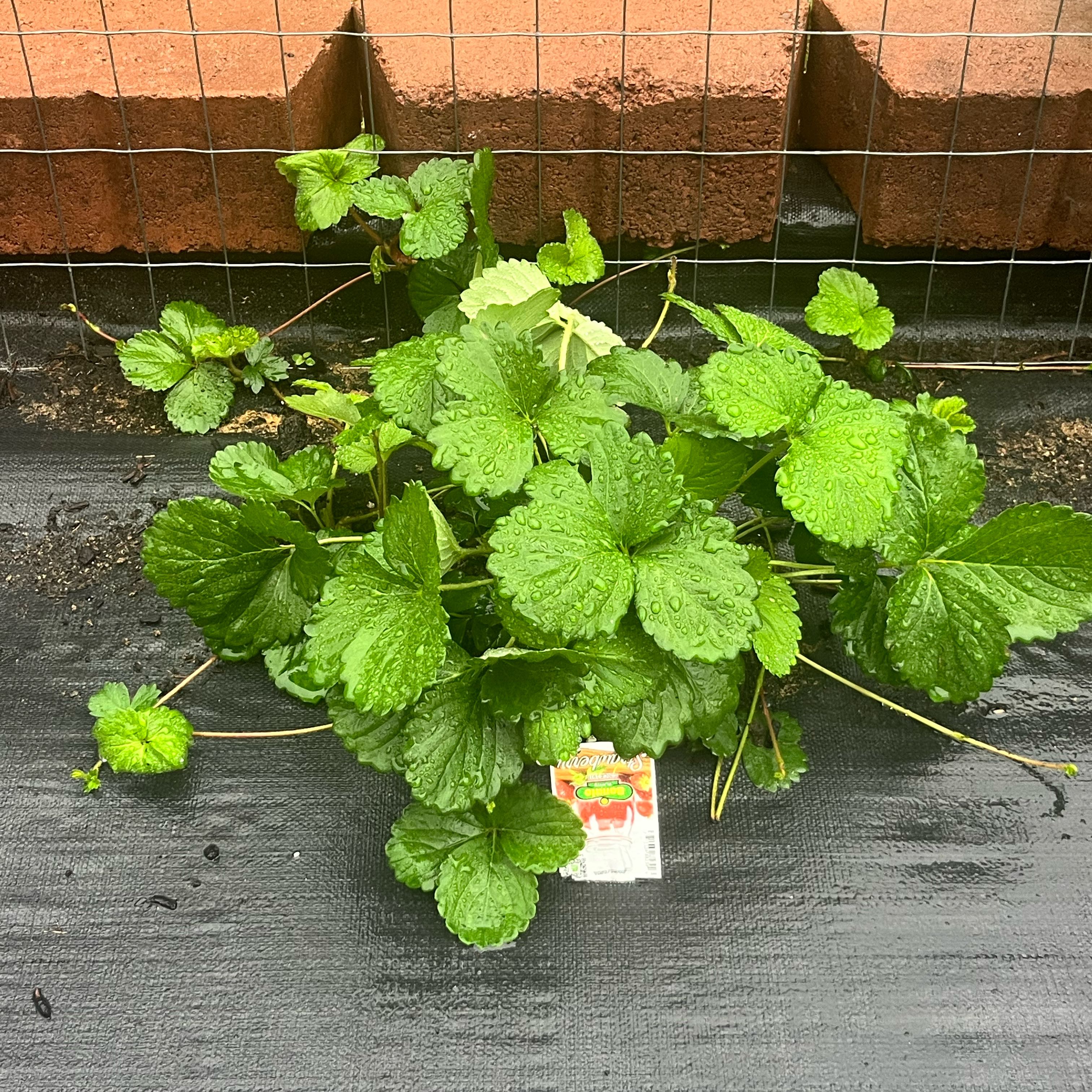
π How to Know When to Repot a Strawberry?
Fragaria x ananassa
By the Greg Editorial Team
Jun 17, 2024•7 min read
This article was created with the help of AI so we can cover more plants for you. May contain errors. See one? Report it here.
Boost your berry yield π by spotting the perfect time to repot for lusher strawberry growth!
- Overcrowded roots signal repotting time for healthier strawberry growth.
- π± Repot in spring or late summer to align with strawberry dormancy and fruiting.
- Choose pots wisely for stability, airflow, and root temperature management.
Recognizing the Need for Repotting Strawberry Plants
Identifying overcrowded roots and other physical signs of a pot-bound strawberry plant can be like playing detective with your greenery. When roots make a break for it out of the drainage holes, it's not a prison escape; it's a cry for help. Rapidly drying soil or water that zips through the pot without a pause are telltale signs your strawberry plant's living quarters are too snug.
π΅οΈββοΈ Physical Signs of Distress
Keep an eye out for roots that are more exposed than a celebrity's private life. They might be circling the bottom of the pot like sharks, indicating they've run out of room to grow. If your plant's still squatting in its nursery pot, it's time to upgrade its real estate.
π Growth Symptoms
Stunted growth is your plant's way of saying it's hit a glass ceiling. If your strawberries are putting out the vibe of a teenager in a toddler's bed, it's repotting time. Don't ignore leaves that resemble a sad salad; they're likely not just thirsty, they're suffocating.
Remember, strawberries are not fans of the "if it fits, I sits" philosophy. They need space to thrive, not just survive.
Best Season for Repotting Strawberries
Determining the optimal time for repotting strawberries is crucial for their health and fruit production.
π± When to Repot
Spring is the prime season for repotting strawberries, especially in regions where winters are harsh. This timing allows plants to establish themselves before the onset of cold weather. For those in warmer climates, late summer repotting is also viable, ensuring plants are settled before winter dormancy.
π Understanding Strawberry Cycles
Strawberries have a distinct dormancy and fruiting cycle that should guide repotting. June-bearing varieties concentrate their fruiting in a short period, often in early summer, while day-neutral types produce fruit throughout the growing season. After fruiting, many strawberry plants enter a rest period in late summer, making this a secondary window for repotting.
π€ Dormancy Considerations
Repotting during dormancy minimizes stress on the plants, as their growth and metabolic activities slow down. In regions with mild winters, repotting can extend into early fall, but always complete the process well before the first frost to avoid damaging new root growth.
π¦ Seasonal Tips
Regardless of the season, always repot on an overcast day or in the evening to reduce transplant shock. Ensure that the plants are well-watered before and after repotting to help them recover from the move.
Selecting a Suitable Pot for Strawberries
When it comes to pot selection for strawberries, think 'real estate': location, location, location. The pot is your strawberry's home, and size does matter. Go too big, and you risk drowning your berry buddies in soil that stays wet longer than a rain-soaked weekend. Too small, and they'll be cramped, like sardines in a tin, stifling growth. Aim for a pot that's just right, about 1β-2β larger than the last one.
πΊ Material Matters
Let's talk materials. Plastic pots might make your wallet happy, but they're like featherweights in a gusty garden β they'll topple over faster than a house of cards. Clay pots? They breathe better than a yogi, offering superior airflow, but they're thirsty, demanding more frequent watering. And if you forget, your strawberries will throw a dry spell tantrum. Ceramic pots are the tanks of the container world, sturdy and durable, but good luck moving them without throwing your back out.
π° Drainage: Non-Negotiable
Drainage holes are the unsung heroes in the pot world. Without them, you're signing up for a root rot saga, and nobody wants that. If you're using a terra cotta pot, throw in some shards or a screen over the holes to keep the drainage from being a runaway train.
π¨ Color and Insulation
Consider a light-colored pot to keep the roots cooler than the other side of the pillow during those scorching summer days. And when Jack Frost comes knocking, a bit of insulation with straw or sawdust can keep your strawberries snug as a bug.
π Location, Location, Location
Finally, remember that strawberries love the sun like a cat loves a warm lap. Place them where they'll bask in full sun to part shade, depending on your local climate's mood swings. If you're short on space, no sweat β hanging baskets are like high-rise apartments for strawberries, and they love the view.
Preparing for Repotting
π± Choosing the Right Soil Mix
Strawberries thrive in well-draining, fertile soil rich in organic matter. Avoid heavy garden soils; they can suffocate roots and harbor diseases. Instead, opt for a lightweight potting mix specifically designed for container plants. You can enhance a store-bought mix by adding compost or well-rotted manure for extra nutrients. A sprinkle of perlite or vermiculite will improve drainage, ensuring your strawberries don't sit in soggy conditions.
πΊ Preparing the New Pot and Workspace
Select a pot that's 1β-2β larger than the current one to give your strawberry plant room to grow without drowning in excess soil. Ensure it has ample drainage holes to prevent waterlogging. Clean the new pot with soap and water to eliminate any lingering pathogens. Lay out your tools and potting mix on a flat surface covered with newspaper or a tarp to catch spills. This setup facilitates a smooth transition for your strawberry plant into its new home.
The Repotting Procedure
π§ Safely Removing the Strawberry Plant
Water the strawberry plant to moisten the soil, making it easier to remove from the pot. Gently loosen the pot from around the root ball. If the pot clings stubbornly, use a knife to carefully cut the soil away from the edges. Avoid yanking the plant by its stems or leaves.
π Root Inspection and Pruning
Once the plant is free, inspect the roots. Prune any that are dead or rotting. If the roots are healthy, handle them minimally to prevent stress. For thick, coiled roots, either untangle them gently with your fingers or snip them off. When reusing the same pot, trim about 25% of the roots to keep the plant thriving in its familiar home.
π± Preparing the New Pot
Ensure the new pot is clean to avoid introducing diseases. A thorough wash with soap and a good rinse should do the trick. When adding soil to the pot, leave enough room so the root ball sits a few inches below the rim to prevent overflow during watering.
πΏ Repotting the Plant
Center the strawberry plant in the new pot and add soil around it. Firm the soil gently with your fingers, but donβt plant deeper than it was previously. Water the plant until it drains from the bottom, unless it was recently watered. After settling, you may need to add more soil to cover the roots adequately.
Remember, strawberries dislike drought and cramped quarters. A pot only 1β-2β larger than the last ensures enough space without risking waterlogged soil. Keep it real β your strawberry plantβs health depends on your attention to these details.
Post-Repotting Care
After the strategic shuffle of repotting, strawberry plants need TLC to bounce back. Here's how to pamper your green pals post-op.
π¦ Immediate Aftercare
Water judiciouslyβsoak the soil to help roots settle, but avoid waterlogging. Think of it as a soothing bath, not a flood. Place your strawberry plant back in its favorite spot to avoid an environmental shock on top of the transplant trauma.
π Monitoring and Maintenance
Keep an eye out for drama queensβdrooping leaves can signal distress. Resist the urge to fertilize; your plant isn't ready for a buffet just yet. It's healing time, not growing time. Give it a few weeks before introducing any nutrients.
π Troubleshooting Common Issues
If your strawberry plant throws a fitβyellowing leaves, for instanceβdon't panic. Trim the drama, but only the dead or dying bits. And if the plant seems sluggish, remember, patience is a virtue, especially in the plant world. Roots need time to explore their new digs.
π¦ Root Rot: The Sneaky Saboteur
Beware of root rot lurking in damp soil. If your plant's roots look more like soggy spaghetti than firm tendrils, you might need to reassess your watering game. Keep the soil moist but not soggy; think damp sponge, not a soaked towel.
π° The Waiting Game
Finally, give your plant some space. Strawberry plants don't like to be hovered over. Check in, but don't be clingy. With a bit of time and your attentive care, your plant will be strutting its stuff with new growth before you know it.
β οΈ Safety First
This content is for general information and may contain errors, omissions, or outdated details. It is not medical, veterinary advice, or an endorsement of therapeutic claims.
Always consult a qualified healthcare professional before using any plant as food, medicine, or supplement.
Never eat any plant (or feed one to pets) without confirming its identity with at least two trusted sources.
If you suspect poisoning, call Poison Control (800) 222-1222, the Pet Poison Helpline (800) 213-6680, or your local emergency service immediately.
Spotted an error? Please report it here.