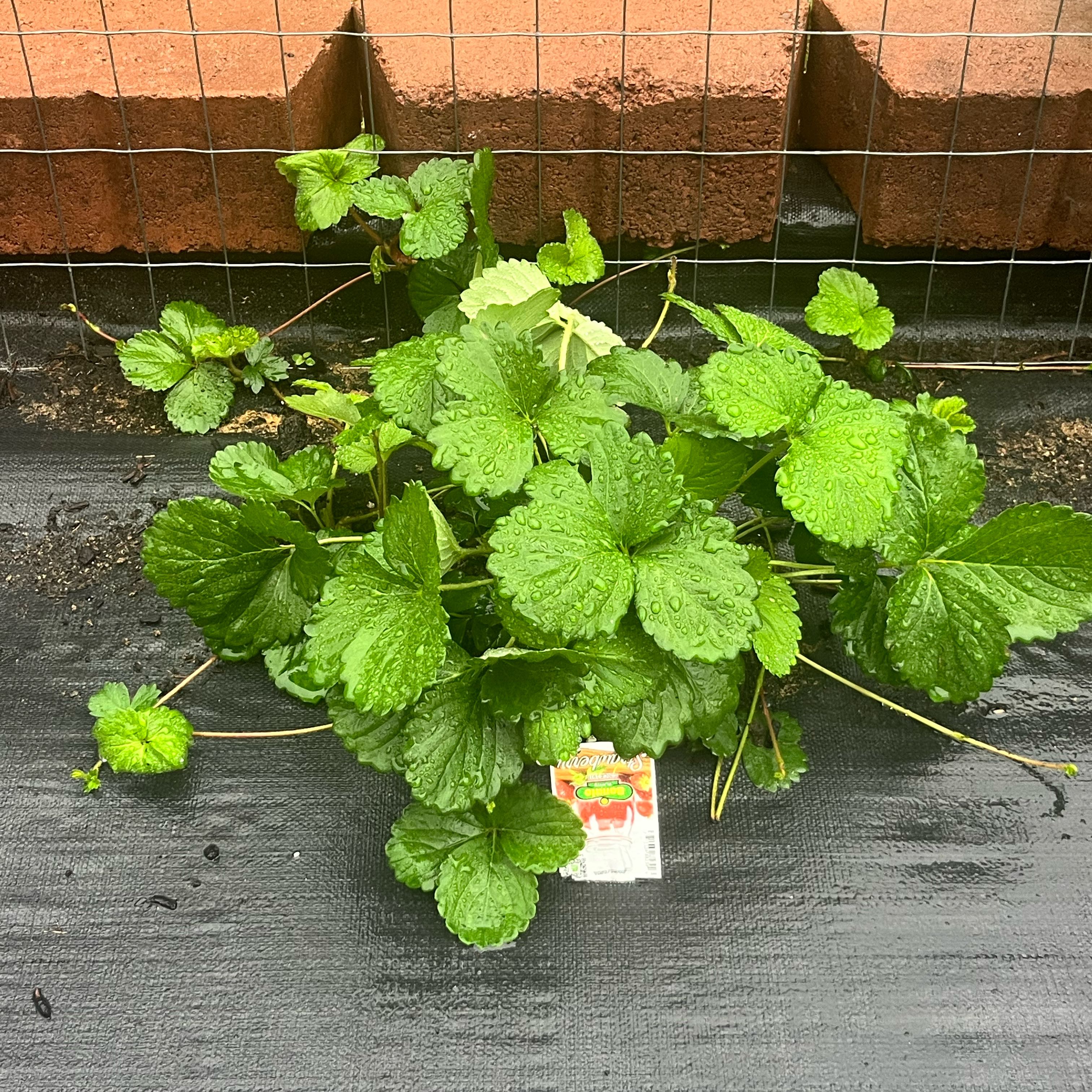
πŸ“ Step-by-Step Guide to Fertilizing Strawberry Plant

Fragaria x ananassa

By the Greg Editorial Team

Oct 09, 20245 min read

This article was created with the help of AI so we can cover more plants for you. May contain errors. See one? Report it here.

Boost your strawberry harvest πŸ“ with essential fertilization techniques for vibrant, healthy plants!

  1. 🌱 Choose between organic or synthetic fertilizers for optimal strawberry plant health.
  2. πŸ•’ Fertilize in early spring and late fall for robust growth and nutrient replenishment.
  3. πŸ’§ Use proper application methods to avoid over-fertilization and ensure nutrient absorption.

Fertilization Techniques

🌱 Types of Fertilizers

When it comes to fertilizing strawberry plants, choosing the right type of fertilizer is crucial. You generally have two main categories: organic and synthetic.

Organic vs. Synthetic

Organic fertilizers include options like compost, well-rotted manure, and fish emulsion. These natural choices enrich the soil and improve its structure, promoting a healthy ecosystem.

On the other hand, synthetic fertilizers are chemical formulations that provide specific N-P-K (Nitrogen, Phosphorus, Potassium) ratios. They offer targeted nutrient delivery, which can be beneficial for quick results.

⏳ Slow-Release vs. Quick-Release

Understanding the difference between slow-release and quick-release fertilizers can significantly impact your strawberry yield.

Slow-Release

Slow-release fertilizers gradually supply nutrients over time. This method is excellent for long-term nutrient management, ensuring your plants receive a steady supply without the risk of nutrient burn.

Quick-Release

Quick-release fertilizers, however, provide immediate nutrient availability. They are perfect for addressing urgent nutrient deficiencies but require careful timing to avoid over-fertilization.

By selecting the right type and release method of fertilizer, you can set your strawberry plants up for success. Next, let’s explore the best times to fertilize for optimal growth.

Timing of Fertilization

Best Times to Fertilize 🌱

Timing is crucial when it comes to fertilizing your strawberry plants. Here are the key moments to keep in mind:

Early Spring

Fertilize just before new growth begins in early spring. This sets your plants up for a robust growing season.

Late Fall

After harvest, but before the first frost, is another important time to fertilize. This helps replenish nutrients in the soil for the next growing cycle.

During the Growing Season

During active growth, aim to fertilize every 4-6 weeks. This consistent feeding supports healthy fruit development and overall plant vigor.

By following these timing guidelines, you can ensure your strawberry plants receive the nutrients they need at the right moments. This proactive approach will lead to a bountiful harvest and vibrant plants.

Next, let’s explore how to apply fertilizers effectively for optimal results.

Application Methods

How to Apply Fertilizers 🌱

Applying fertilizers correctly can make a significant difference in the health of your strawberry plants. Here’s a breakdown of the most effective methods.

Granular Fertilizers

  1. Measure: Start by measuring the appropriate amount of granular fertilizer based on your plant's needs.
  2. Distribute: Evenly distribute the fertilizer around the base of the plants, avoiding direct contact with the stems.
  3. Water Thoroughly: After application, water the area thoroughly to help the nutrients penetrate the soil.

Liquid Fertilizers

  1. Dilute: Mix the liquid fertilizer with water according to the manufacturer's instructions.
  2. Apply Evenly: Use a watering can or sprayer to apply the diluted solution evenly around the plants.
  3. Timing: For best results, apply during the cooler parts of the day to prevent evaporation and leaf burn.

Foliar Fertilizers

  1. Prepare: Dilute the liquid fertilizer as per the instructions.
  2. Spray: Use a spray bottle or garden sprayer to apply the solution directly onto the leaves.
  3. Coverage: Ensure even coverage for optimal absorption, especially on the undersides of the leaves.

By mastering these application methods, you can ensure your strawberry plants receive the nutrients they need to thrive. Proper application not only promotes healthy growth but also enhances fruit quality, making your gardening efforts even more rewarding.

Next, let’s explore the key nutrients essential for strawberry plants and how to identify any deficiencies.

Nutrient Management

Key Nutrients and Deficiencies 🌱

Understanding the essential nutrients for your strawberry plants is crucial for their health and productivity. Each nutrient plays a unique role, and recognizing deficiency signs can help you take timely action.

Nitrogen

Nitrogen is vital for promoting leafy growth. If you notice yellowing leaves, it’s a clear sign that your plants may be lacking this essential nutrient.

Phosphorus

Phosphorus supports robust root development, which is key for overall plant health. Look for dark green leaves with purple undertones as indicators of a phosphorus deficiency.

Potassium

Potassium enhances fruit quality, making your strawberries sweeter and more vibrant. If you see browning leaf edges, it’s time to assess your potassium levels.

By keeping an eye on these nutrients and their deficiency signs, you can ensure your strawberry plants thrive. Regular monitoring will help you maintain a healthy balance, leading to a bountiful harvest.

Next, let’s explore how to avoid over-fertilization and its potential pitfalls.

Avoiding Over-Fertilization

🌱 Symptoms of Over-Fertilization

Over-fertilization can wreak havoc on your strawberry plants. Common symptoms include leaf burn, where the edges turn brown and crispy, excessive foliage growth that overshadows fruit production, and increased soil salinity, which can hinder nutrient absorption.

🚨 Corrections for Over-Fertilization

If you suspect over-fertilization, take immediate action. Flushing the soil with water can help dilute excess nutrients, while closely monitoring plant health will guide your next steps. Adjusting your fertilization practices is crucial to prevent future issues.

πŸ“Š Best Practices for Nutrient Management

To maintain a healthy balance, regular soil testing is essential. This practice helps you understand nutrient levels and make informed decisions. Observing your plants’ responses to fertilization will also provide valuable insights into their needs.

By staying vigilant and proactive, you can ensure your strawberry plants thrive without the risks associated with over-fertilization. Next, let’s explore the key nutrients that your strawberries need for optimal growth.

⚠️ Safety First

This content is for general information and may contain errors, omissions, or outdated details. It is not medical, veterinary advice, or an endorsement of therapeutic claims.

Always consult a qualified healthcare professional before using any plant as food, medicine, or supplement.

Never eat any plant (or feed one to pets) without confirming its identity with at least two trusted sources.

If you suspect poisoning, call Poison Control (800) 222-1222, the Pet Poison Helpline (800) 213-6680, or your local emergency service immediately.

Spotted an error? Please report it here.

Elevate your strawberry harvest with smart fertilization techniques πŸ“ using Greg's tailored reminders and nutrient insights to ensure your plants thrive!


#Strawberry

52 posts on Greg
Browse #Strawberry