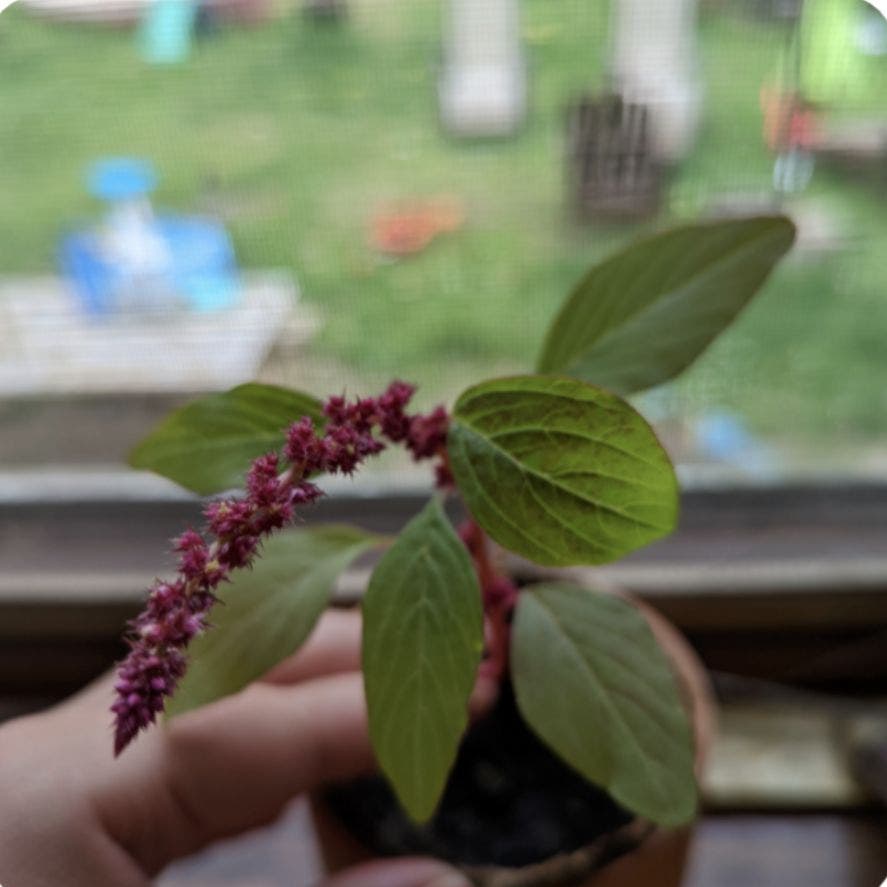
Slender Amaranth: A Comprehensive Overview
Amaranthus viridis
By the Greg Editorial Team
Jan 27, 2025•9 min read
This article was created with the help of AI so we can cover more plants for you. May contain errors. See one? Report it here.
- 🌞 Slender Amaranth needs 6-8 hours of sunlight daily for optimal growth.
- 🌱 Prepare well-draining, fertile soil with a pH of 6.0 to 7.5 before planting.
- 🌿 Regularly check for pests and diseases to maintain plant health and productivity.
How to Grow
Choosing a Location 🌞
To thrive, Slender Amaranth needs full sun, ideally receiving 6-8 hours of sunlight daily. If your area has a tropical or subtropical climate, this plant will flourish, but ensure it's accessible for easy maintenance and harvesting.
Soil Preparation 🌱
For optimal growth, aim for well-draining, fertile soil with a pH range of 6.0 to 7.5. Before planting, enrich the soil with organic matter and compost to boost fertility.
Planting Techniques 🌾
When planting, sow seeds at a depth of 1/4 inch and space them 12-18 inches apart. Timing is crucial; choose the best planting season based on your local climate for the best results.
Watering and Fertilizing 💧
Maintain consistent moisture without waterlogging the soil. During the growing season, fertilize monthly with a balanced NPK fertilizer to support healthy growth.
Pruning and Ongoing Care ✂️
To encourage bushier growth, use pinching techniques during pruning. Regular inspections for pests and diseases will help you catch any issues early, ensuring your plants remain healthy and vibrant.
This foundational knowledge sets you up for success in growing Slender Amaranth. Next, let’s explore how to propagate this versatile plant effectively.
Propagation
🌱 Seed Propagation
Growing Slender Amaranth from seeds is straightforward and rewarding. Sow seeds at a depth of 1/4 inch, spacing them 12-18 inches apart, just like you would when planting.
Under optimal conditions, expect germination within 7-14 days. This quick turnaround makes seed propagation an appealing option for many gardeners.
✂️ Cutting Propagation
If you prefer to propagate through cuttings, start by selecting healthy stems that are 4-6 inches long. These cuttings can be placed in a moist potting mix or even water to encourage root development.
Typically, rooting takes about 2-3 weeks. This method is perfect for those looking to expand their Slender Amaranth collection quickly and efficiently.
With these propagation techniques, you can easily multiply your plants and enjoy their vibrant presence in your garden. Next, let’s explore the size characteristics of Slender Amaranth to understand its growth potential.
Size
Mature Height and Spread 🌱
Slender Amaranth typically reaches a mature height of 2 to 4 feet, making it a versatile addition to any garden. Its average spread ranges from 1 to 2 feet, allowing for a compact yet impactful presence in your landscape.
Growth Rate and Size Variability 📈
Several factors influence the growth rate of Slender Amaranth, including soil quality, water availability, and sunlight exposure. Additionally, the size can vary significantly based on whether the plants are grown in containers or directly in the ground, with container plants often remaining smaller due to limited root space.
Understanding these characteristics can help you plan your garden layout effectively, ensuring that Slender Amaranth thrives in its designated spot. Next, let’s explore the fascinating world of its roots and their importance to plant health.
Roots
Root System Characteristics 🌱
Slender Amaranth features a fibrous root system that is both shallow and extensive. This structure allows the plant to efficiently absorb nutrients and water from the top layers of soil.
Common Root-Related Issues ⚠️
One of the most common problems is root rot, often caused by overwatering. Symptoms include wilting leaves and a foul smell from the soil, indicating that the roots are struggling.
To differentiate between healthy and unhealthy roots, look for color and firmness. Healthy roots are typically white and firm, while unhealthy roots may appear brown and mushy.
Recognizing and Addressing Rootbound Conditions 🔗
If you notice roots growing out of the drainage holes, your plant may be rootbound. This condition occurs when the roots have filled the pot and can no longer expand.
To remedy this, consider repotting the plant into a larger container or performing root pruning. Both methods will help rejuvenate your Slender Amaranth and promote healthier growth.
With a solid understanding of root systems and potential issues, you can ensure your Slender Amaranth thrives. Next, let’s explore the numerous benefits this remarkable plant offers.
Benefits
🍏 Nutritional Benefits
Slender Amaranth is a powerhouse of nutrition, packed with essential vitamins and minerals. It's particularly rich in vitamins A, C, and K, making it a fantastic addition to any diet.
🌍 Cultural Significance
This plant has deep roots in various cultures, often featured in traditional dishes. Its versatility in cooking showcases its importance across different cuisines.
🌺 Aesthetic Appeal in Gardens
With its vibrant foliage and striking flowers, Slender Amaranth adds visual interest to any garden. Its colorful presence can brighten up even the dullest spaces.
🌱 Soil Health Improvement
Growing Slender Amaranth contributes positively to soil health. It enhances soil structure and fertility, making it a beneficial choice for any gardener.
🐝 Attracting Beneficial Insects
This plant plays a crucial role in promoting biodiversity. By attracting beneficial insects, it helps create a balanced ecosystem in your garden.
Incorporating Slender Amaranth into your gardening practices not only enriches your meals but also enhances the beauty and health of your garden. Next, let's explore the concept of companion planting and how it can further benefit your gardening efforts.
Companion Plants
🌱 Concept of Companion Planting
Companion planting is a gardening technique that pairs plants together for mutual benefits. This practice can enhance growth and provide natural pest management, creating a healthier garden ecosystem.
🌼 Best Companion Plants
When growing Slender Amaranth, consider companions like basil, marigolds, and various herbs. These plants share similar care needs and can deter pests, making them ideal partners in your garden.
🚫 Plants to Avoid
Be cautious with certain nightshades, as they may compete for nutrients with Slender Amaranth. Keeping these plants at bay will help ensure your amaranth thrives without unnecessary competition.
Incorporating companion plants not only boosts the health of your Slender Amaranth but also enriches your garden's biodiversity. Next, let’s explore the potential toxicity of Slender Amaranth for humans and what you need to know.
Toxicity to Humans
Safety of Slender Amaranth for Humans 🌱
Slender Amaranth is generally considered safe for human consumption. Major health organizations do not list it as toxic, making it a reliable choice for your garden or plate.
Potential Minor Issues ⚠️
While it's safe, some individuals may experience minor issues. This could include mild skin irritation from contact or digestive discomfort if consumed in excessive amounts.
Monitoring for Symptoms 👀
It's wise to keep an eye out for any unusual symptoms after contact or ingestion. Being aware of how your body reacts can help ensure a positive experience with this nutritious plant.
As you explore the benefits of Slender Amaranth, remember that knowledge is key. Understanding its safety can enhance your gardening and culinary adventures, leading to a more enjoyable experience.
Next, let’s delve into the common problems you might encounter while growing this vibrant plant.
Problems
🕵️♂️ Identifying Symptoms and Causes
Growing Slender Amaranth can be rewarding, but it’s essential to watch for common health issues. Identifying symptoms early can save your plants and ensure a bountiful harvest.
🛠️ Solutions for Common Issues
Incorrect Watering
Watering is crucial, but too much or too little can lead to problems. Signs of overwatering include yellowing leaves and a mushy stem, while underwatering often results in wilting and dry soil.
💡 Incorrect Light Conditions
Light is another critical factor. If your plants are stretching towards the light or showing pale leaves, they may not be getting enough sunlight. Aim for full sun exposure for optimal growth.
🦠 Diseases
Fungal diseases can plague Slender Amaranth, especially in humid conditions. Look for signs like white powdery spots or wilting leaves, and treat with organic fungicides or remove affected parts to prevent spread.
🌱 Root Problems
Root rot is a common issue caused by overwatering. Healthy roots should be firm and white; if they appear brown and mushy, it’s time to act. Improve drainage and reduce watering frequency to help your plants recover.
🍃 Leaf Issues
Yellowing leaves can indicate nutrient deficiencies or stress. Scorched leaves, on the other hand, often result from excessive sunlight or heat. Adjust your watering and fertilization routine to keep your plants thriving.
By staying vigilant and addressing these issues promptly, you can ensure your Slender Amaranth remains healthy and vibrant. Next, let’s explore the fascinating world of pests that might threaten your plants.
Bugs
🐜 Potential Pest Issues
Slender Amaranth can attract a variety of pests, which may pose a threat to its health. Understanding pest resistance and susceptibility is crucial for effective management.
🔍 Identification and Damage Caused by Pests
Common pests that target Slender Amaranth include spider mites, aphids, and whiteflies. Infestations often manifest as leaf damage or stunted growth, signaling that action is needed.
💪 Effective Treatment Options
To combat these pests, both organic and chemical control methods are available. Organic options include insecticidal soaps and neem oil, while chemical treatments can provide a more immediate solution.
Regular monitoring and prompt action can help maintain the health of your Slender Amaranth. By staying vigilant, you can enjoy a thriving garden free from pest-related issues.
Next, let’s explore what animals might be munching on your Slender Amaranth and how to deter them effectively.
What Eats Slender Amaranth
🦌 Common Animals That May Damage
Slender Amaranth can attract a variety of herbivores that may cause damage to your plants. Common culprits include deer, rabbits, and birds, all of which find the tender leaves and vibrant stems quite appealing.
🕵️♂️ Signs of Animal Presence and Damage
Identifying signs of animal activity is crucial for protecting your plants. Look for chewed leaves, missing stems, and droppings around your garden, which indicate that herbivores are enjoying a feast on your Slender Amaranth.
🚫 Deterrent Methods
To safeguard your plants, consider both chemical and organic control methods. Chemical repellents can deter animals, but many gardeners prefer organic options like planting strong-smelling herbs or using barriers such as fences or netting to keep these hungry visitors at bay.
By staying vigilant and employing these strategies, you can enjoy the beauty of Slender Amaranth without the worry of unwanted munchers. Now, let’s explore how to tackle potential pest issues that may arise in your garden.
⚠️ Safety First
This content is for general information and may contain errors, omissions, or outdated details. It is not medical, veterinary advice, or an endorsement of therapeutic claims.
Always consult a qualified healthcare professional before using any plant as food, medicine, or supplement.
Never eat any plant (or feed one to pets) without confirming its identity with at least two trusted sources.
If you suspect poisoning, call Poison Control (800) 222-1222, the Pet Poison Helpline (800) 213-6680, or your local emergency service immediately.
Spotted an error? Please report it here.
Grow lush Slender Amaranth 🌱 effortlessly with Greg's tailored watering alerts and pest control tips, ensuring your garden thrives while you enjoy its nutritious benefits!