🦋 What is a Mantiqueira Bella? Complete Guide
Sinningia bullata
By the Greg Editorial Team
Feb 02, 2025•13 min read
This article was created with the help of AI so we can cover more plants for you. May contain errors. See one? Report it here.
- 🌞 Mantiqueira Bella thrives in full sun to partial shade; ensure good airflow and wind protection.
- 🌱 Optimal soil is well-draining and rich; maintain pH between 6.0 and 7.0 for best growth.
- 🐾 Not toxic to pets, but monitor for mild gastrointestinal upset from excessive consumption.
How to Grow
🌞 Choosing a Location
To thrive, the Mantiqueira Bella prefers full sun to partial shade. Ensuring good airflow and protection from strong winds is crucial for its health.
🌱 Soil Preparation
This plant flourishes in well-draining soil rich in organic matter. Aim for a pH level between 6.0 and 7.0 for optimal growth.
🌼 Planting Techniques
The best time to plant is early spring or fall. Space your plants 12-18 inches apart to give them room to grow.
💧 Watering Requirements
Regular watering is essential to maintain consistent moisture. Watch for signs of overwatering, like yellowing leaves, or underwatering, which may cause wilting.
🌿 Fertilizing Tips
Fertilize monthly during the growing season to support healthy growth. Balanced NPK or organic fertilizers are great options to consider.
✂️ Pruning Methods
Prune in late winter or early spring before new growth begins. This encourages bushier growth and helps shape the plant.
🪴 Ongoing Care
For container care, ensure proper drainage and choose an appropriate pot size. When growing outdoors, mulching and seasonal adjustments will keep your Mantiqueira Bella thriving.
With these growing tips, you’re well on your way to cultivating a healthy Mantiqueira Bella. Next, let’s explore how to propagate this beautiful plant!
Propagation
🌱 Seed Propagation
Sowing seeds for the Mantiqueira Bella is a straightforward process. Start by planting seeds at a depth of about 1/4 inch and space them 2-3 inches apart to give them room to grow.
For optimal germination, maintain a temperature between 70°F to 75°F and ensure the soil remains consistently moist but not soggy. This balance is crucial for encouraging healthy seedling development.
✂️ Cutting Propagation
When propagating through cuttings, select healthy stems that are 4-6 inches long. Look for cuttings with vibrant leaves and no signs of disease, as these indicators will help ensure successful rooting.
For the best results, use a well-draining rooting medium like a mix of perlite and peat moss. This combination promotes healthy root growth and minimizes the risk of rot.
By mastering these propagation techniques, you can expand your Mantiqueira Bella collection and enjoy its beauty in various settings. Next, let’s explore the lifecycle of this remarkable plant.
Lifecycle
Life Cycle Stages 🌱
The Mantiqueira Bella is classified as a perennial, meaning it lives for more than two years. This classification allows it to thrive and produce blooms year after year, making it a valuable addition to any garden.
Germination Process 🌱
When sowing seeds, expect a germination timeline of 7-14 days. This period is crucial as it sets the stage for healthy growth.
Seedling Stage 🌱
Healthy seedlings exhibit robust leaf development and a steady growth rate. Look for vibrant green leaves as a sign of vitality during this early stage.
Vegetative Growth 🌱
Typically, the vegetative growth phase lasts about 4-6 weeks before flowering begins. During this time, the plant focuses on building a strong foundation for future blooms.
Flowering and Seed Production 🌼
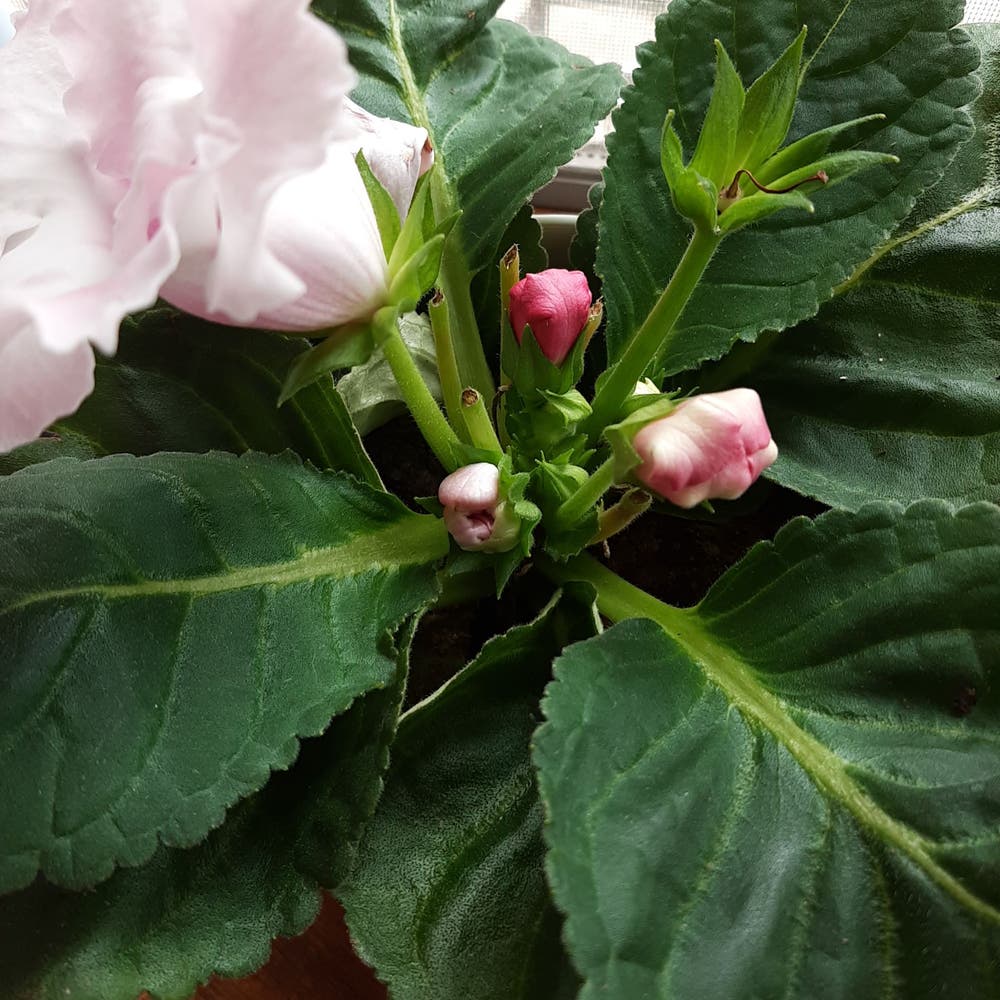
Flowering usually occurs in late summer, bringing a burst of color to your garden. After flowering, the Mantiqueira Bella produces seeds, completing its life cycle and ensuring future generations.
Growth Timeline and Speed ⏳
Expect the Mantiqueira Bella to reach full growth in approximately 1-2 years. Its growth rate is moderate, influenced by factors like soil quality, light, and water availability.
This lifecycle overview highlights the resilience and beauty of the Mantiqueira Bella, making it a rewarding choice for gardeners. Next, let’s explore the size of this remarkable plant and how it can fit into your landscape.
Size
Mature Height and Spread 🌱
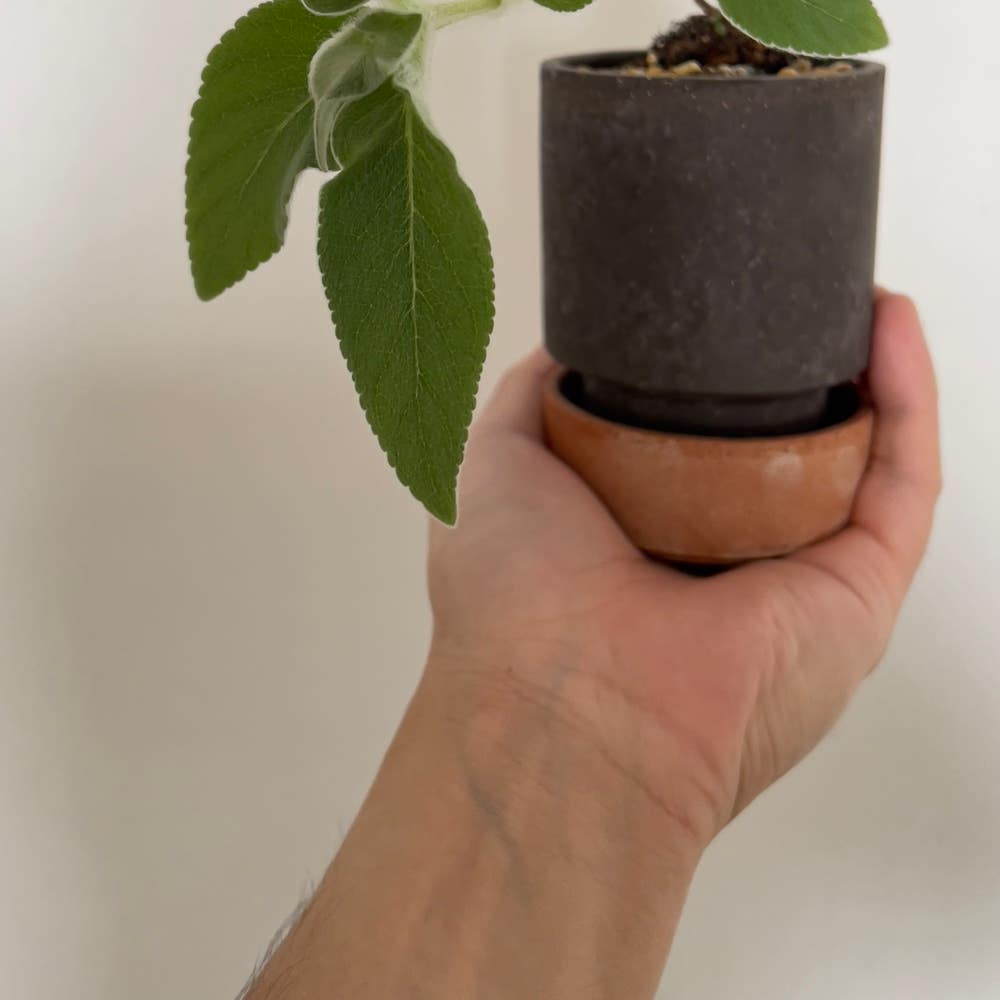
The Mantiqueira Bella typically reaches a mature height of 2 to 4 feet. Its spread can vary from 1 to 3 feet, largely influenced by the growing conditions it experiences.
Growth Rate and Size Variability 📈
Several factors play a role in the growth rate of Mantiqueira Bella. Soil quality, light exposure, and water availability are crucial elements that can either accelerate or hinder its growth.
Impact of Growing Conditions on Size 🌍
The environment significantly affects the size of Mantiqueira Bella. Indoor plants may grow differently compared to those planted outdoors, with outdoor specimens often achieving larger dimensions due to more favorable conditions.
Understanding these size dynamics can help you better plan your garden layout and care for your Mantiqueira Bella effectively. Next, let’s explore the roots of this fascinating plant and how they contribute to its overall health and stability.
Roots
🌱 Root System Characteristics
The Mantiqueira Bella features a fibrous root system, which is essential for its stability and nutrient absorption. This type of root structure allows the plant to efficiently gather water and nutrients from the soil.
📏 Depth and Spread of Roots
Typically, the roots extend to a depth of 12-18 inches. They can also spread beyond the plant's canopy, which helps in anchoring the plant and accessing a wider range of nutrients.
⚠️ Common Root-Related Issues
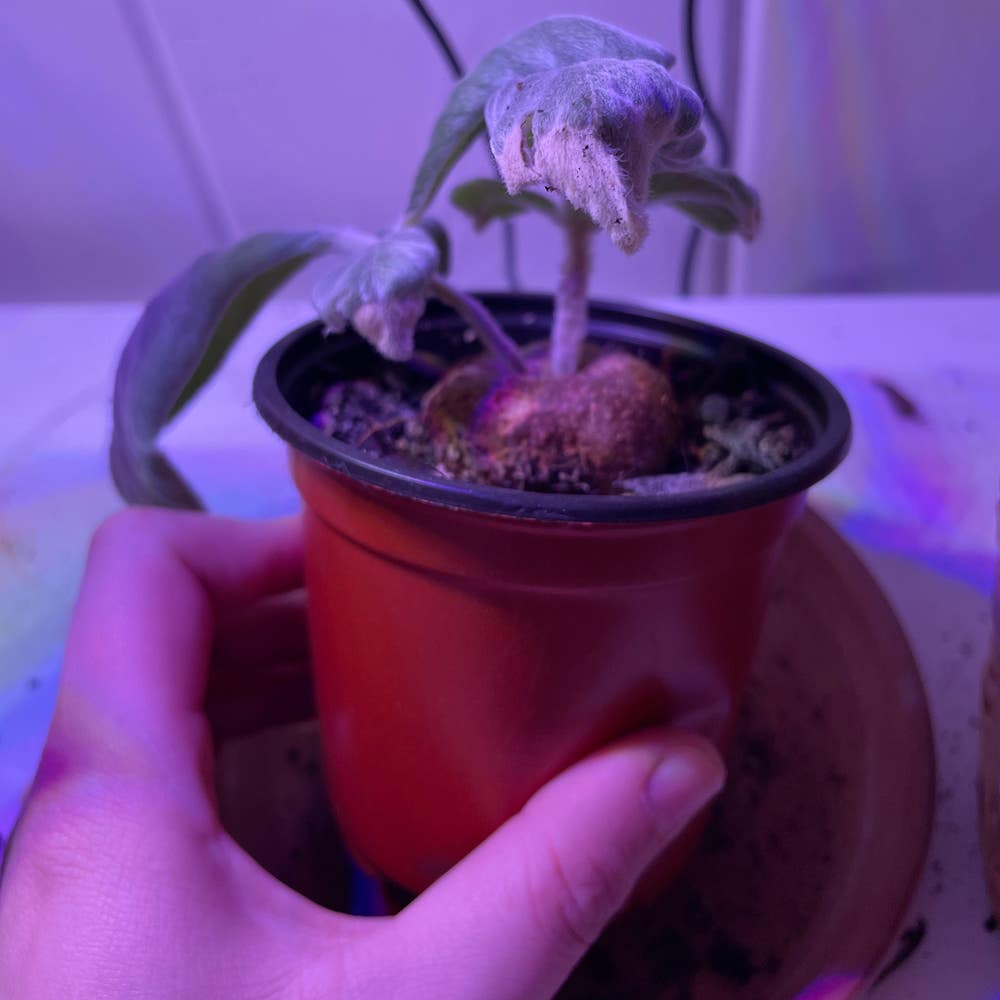
Root rot is a common problem that can affect the health of your Mantiqueira Bella. Look for signs such as wilting, yellowing leaves, or a foul smell from the soil, which indicate that the roots are suffering from excess moisture.
🌿 Healthy vs. Unhealthy Roots
Healthy roots should feel firm and have a light color, indicating vitality. In contrast, unhealthy roots may appear mushy or dark, signaling potential issues that need addressing.
🪴 Recognizing Rootbound Plants
If your plant shows stunted growth or seems to be outgrowing its pot, it may be rootbound. To remedy this, consider repotting the plant into a larger container, ideally during the growing season, to give it more room to thrive.
This understanding of root health is crucial for maintaining a flourishing Mantiqueira Bella. Next, we’ll explore the benefits of this beautiful plant and how it can enhance your garden.
Benefits
Top 5 Benefits 🌟
The Mantiqueira Bella is more than just a pretty plant; it offers a range of benefits that can enhance any garden. Here are the top five reasons to consider adding this beauty to your landscape.
Aesthetic Appeal
With its lush foliage and vibrant blooms, the Mantiqueira Bella adds a stunning visual element to gardens. Its unique appearance can serve as a focal point or complement other plants beautifully.Attracts Pollinators and Beneficial Insects
This plant is a magnet for pollinators like bees and butterflies. By planting it, you contribute to a healthier ecosystem and support local wildlife.Enhances Garden Diversity
Incorporating Mantiqueira Bella can increase the biodiversity of your garden. A diverse plant community promotes resilience against pests and diseases, creating a more sustainable environment.Cultural Significance in Local Traditions
In many cultures, the Mantiqueira Bella holds symbolic meaning and is often used in traditional practices. This connection to heritage adds depth to its presence in your garden.Potential Medicinal Properties
Some studies suggest that the Mantiqueira Bella may possess medicinal qualities. While research is ongoing, its potential uses in herbal remedies make it an intriguing addition to any garden enthusiast's collection.
Incorporating the Mantiqueira Bella into your garden not only beautifies your space but also supports the environment and enriches your gardening experience. Next, let’s explore how to propagate this remarkable plant for even more benefits.
Companion Plants
🌱 Concept of Companion Planting
Companion planting is all about creating a harmonious garden ecosystem. By strategically placing plants together, you can enhance growth and manage pests effectively.
🌼 Best Companion Plants
Certain plants thrive when grown alongside Mantiqueira Bella. Consider these companions:
- Herbs: Basil and oregano can repel pests while enhancing flavor.
- Flowers: Marigolds attract beneficial insects and deter harmful ones.
- Vegetables: Tomatoes and peppers can share nutrients and space efficiently.
🚫 Plants to Avoid
Not all plants play well together. Avoid pairing Mantiqueira Bella with:
- Heavy feeders: Plants like corn can compete for nutrients.
- Allelopathic plants: Species that release chemicals inhibiting growth, such as black walnut.
By choosing the right companions, you can create a thriving garden that benefits both your Mantiqueira Bella and its neighbors. Next, let’s explore the potential toxicity of this plant to humans and pets.
Toxicity to Humans
The Mantiqueira Bella is not listed as toxic by major poison control centers, making it a safe choice for gardens and landscapes. However, it's wise to be aware of potential minor issues, such as mild skin irritation or digestive discomfort if consumed in large quantities.
While enjoying this beautiful plant, it's essential to exercise caution. If you experience any unusual symptoms after contact or consumption, seeking medical advice is always a good idea. This proactive approach ensures your gardening experience remains positive and safe.
In summary, the Mantiqueira Bella offers aesthetic appeal without significant toxicity concerns. Embrace its beauty while keeping an eye on your health and well-being.
Toxicity to Dogs
When it comes to the Mantiqueira Bella, dog owners can breathe a sigh of relief. This plant is not listed as toxic by major pet poison control centers, making it a safe choice for homes with furry friends.
However, moderation is key. While the Mantiqueira Bella isn't harmful, excessive consumption could lead to mild gastrointestinal upset in dogs. It's always wise to keep an eye on your pet's behavior around new plants.
🐶 Tips for Introducing to Homes with Dogs
To ensure a smooth introduction of the Mantiqueira Bella into your home, consider these simple tips:
Proper Placement: Position the plant in areas that are less accessible to your dog. Elevated spots or hanging baskets can help keep it out of reach.
Monitoring: Keep an eye on your dog’s interactions with the plant, especially during the initial days. This will help you gauge their interest and prevent any potential nibbling.
By following these guidelines, you can enjoy the beauty of the Mantiqueira Bella while keeping your canine companion safe and sound.
Next, let’s explore how this plant interacts with our feline friends.
Toxicity to Cats
When it comes to the Mantiqueira Bella, cat owners can breathe a sigh of relief. This plant is not listed as toxic by major pet poison control centers, making it a safe choice for homes with feline friends.
However, moderation is key. While the Mantiqueira Bella poses no serious threat, excessive consumption could lead to mild gastrointestinal upset in cats.
🐱 Tips for Introducing to Homes with Cats
To ensure a harmonious coexistence, consider these simple strategies:
Proper Placement: Position the plant out of reach of curious paws. High shelves or hanging planters can work wonders.
Monitoring: Keep an eye on your cat's behavior around the plant. If they show excessive interest, it might be time to relocate it.
By following these tips, you can enjoy the beauty of the Mantiqueira Bella while keeping your feline companions safe and sound.
As we move forward, let’s explore the potential problems that can arise when caring for this lovely plant.
Problems
Common Problems 🌱
Growing Mantiqueira Bella can come with its share of challenges. Here are some common problems you might encounter:
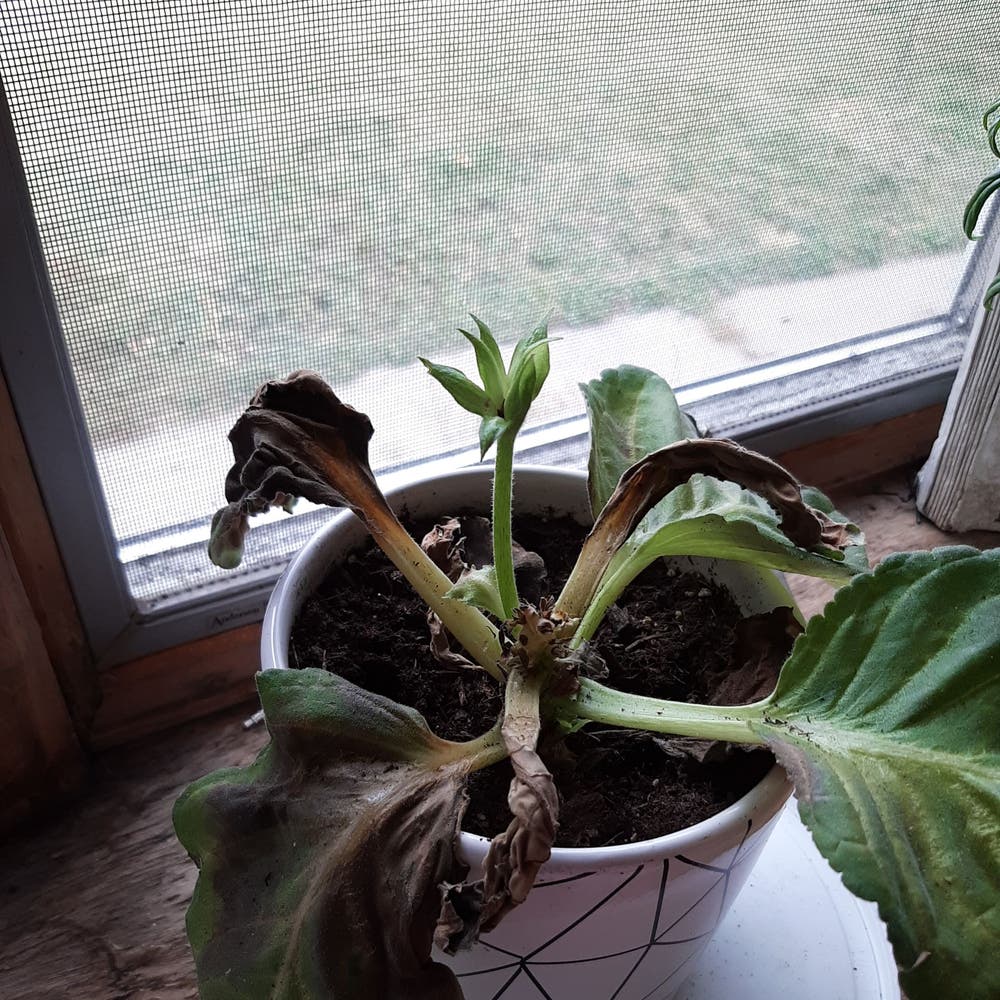
Incorrect Watering: Overwatering can lead to root rot, while underwatering causes wilting. Look for yellowing leaves as a sign of overwatering and crispy edges for underwatering.
Incorrect Light Conditions: Insufficient light can stunt growth, while too much can scorch the leaves. Watch for pale leaves or leggy growth as indicators of light issues.
Incorrect Temperature: Extreme temperatures can stress the plant. If you notice wilting during heat waves or stunted growth in cold snaps, temperature might be the culprit.
Diseases: Fungal issues like powdery mildew and blight are common. Keep an eye out for white, powdery spots or dark patches on leaves.
Leaf Issues: Scorching, yellowing, or fuzzy growth can signal problems. Healthy leaves should be vibrant and firm, so any deviations are worth investigating.
Identifying Symptoms and Causes 🔍
Recognizing the symptoms of these problems is crucial for effective management.
Overwatering Symptoms: Yellow leaves, mushy stems, and a sour smell from the soil indicate too much water.
Underwatering Symptoms: Leaves may curl or become crispy, and the soil will feel dry several inches down.
Light Issues: Pale or leggy plants suggest insufficient light, while burnt edges indicate too much direct sunlight.
Temperature Stress: Wilting in high heat or slow growth in cold can signal temperature-related stress.
Fungal Diseases: Look for unusual spots or a powdery film on leaves to identify fungal infections.
Solutions for Common Issues 🛠️
Addressing these problems early can save your Mantiqueira Bella from serious damage. Here are some straightforward solutions:
Watering: Adjust your watering schedule based on the plant's needs. Ensure the soil dries out slightly between waterings to prevent root rot.
Light Conditions: Move your plant to a location with optimal light. Aim for full sun to partial shade, depending on the season.
Temperature Control: Protect your plant from extreme temperatures by providing shade during heat waves and covering it during cold snaps.
Disease Management: Treat fungal issues with organic fungicides or remove affected leaves. Ensure good airflow around the plant to reduce humidity.
Leaf Care: Regularly inspect leaves for signs of distress. Prune any damaged foliage to encourage healthy growth.
By staying vigilant and addressing these common problems, you can ensure your Mantiqueira Bella thrives beautifully. Next, let’s explore the potential pests that might threaten its growth.
Bugs
Potential Pest Issues 🐛
Mantiqueira Bella plants can face various pest challenges. Understanding their resistance and susceptibility is key to maintaining healthy growth.
Identification and Damage 🔍
Common pests that may invade include spider mites, aphids, and whiteflies. Look out for symptoms like leaf discoloration, wilting, and stunted growth, which indicate pest damage.
Effective Treatment Options 💊
For pest control, both organic and chemical methods are available. Organic options include neem oil and insecticidal soap, while chemical treatments may involve targeted pesticides. Always follow application guidelines to protect your plants and the environment.
By staying vigilant and addressing pest issues promptly, you can ensure your Mantiqueira Bella thrives beautifully. Next, let’s explore what animals might be munching on your plants.
What Eats Mantiqueira Bella
🦌 Common Animals
Mantiqueira Bella plants can attract a variety of herbivores. Common culprits include deer, rabbits, and squirrels, all of which may find your plants a tasty treat.
🔍 Signs of Animal Presence and Damage
Identifying signs of animal activity is crucial for protecting your plants. Look for chewed leaves, missing stems, or droppings around the base of your Mantiqueira Bella.
🚫 Deterrent Methods
To safeguard your plants, consider both chemical and organic deterrent methods. Chemical repellents can be effective, but many gardeners prefer organic options like garlic spray or planting companion plants that deter herbivores.
By staying vigilant and employing these strategies, you can enjoy the beauty of your Mantiqueira Bella without the worry of unwanted nibblers.
⚠️ Safety First
This content is for general information and may contain errors, omissions, or outdated details. It is not medical, veterinary advice, or an endorsement of therapeutic claims.
Always consult a qualified healthcare professional before using any plant as food, medicine, or supplement.
Never eat any plant (or feed one to pets) without confirming its identity with at least two trusted sources.
If you suspect poisoning, call Poison Control (800) 222-1222, the Pet Poison Helpline (800) 213-6680, or your local emergency service immediately.
Spotted an error? Please report it here.
Nurture your Mantiqueira Bella 🌼 to thrive with Greg's custom watering alerts and fertilization tips, ensuring a vibrant and healthy garden!