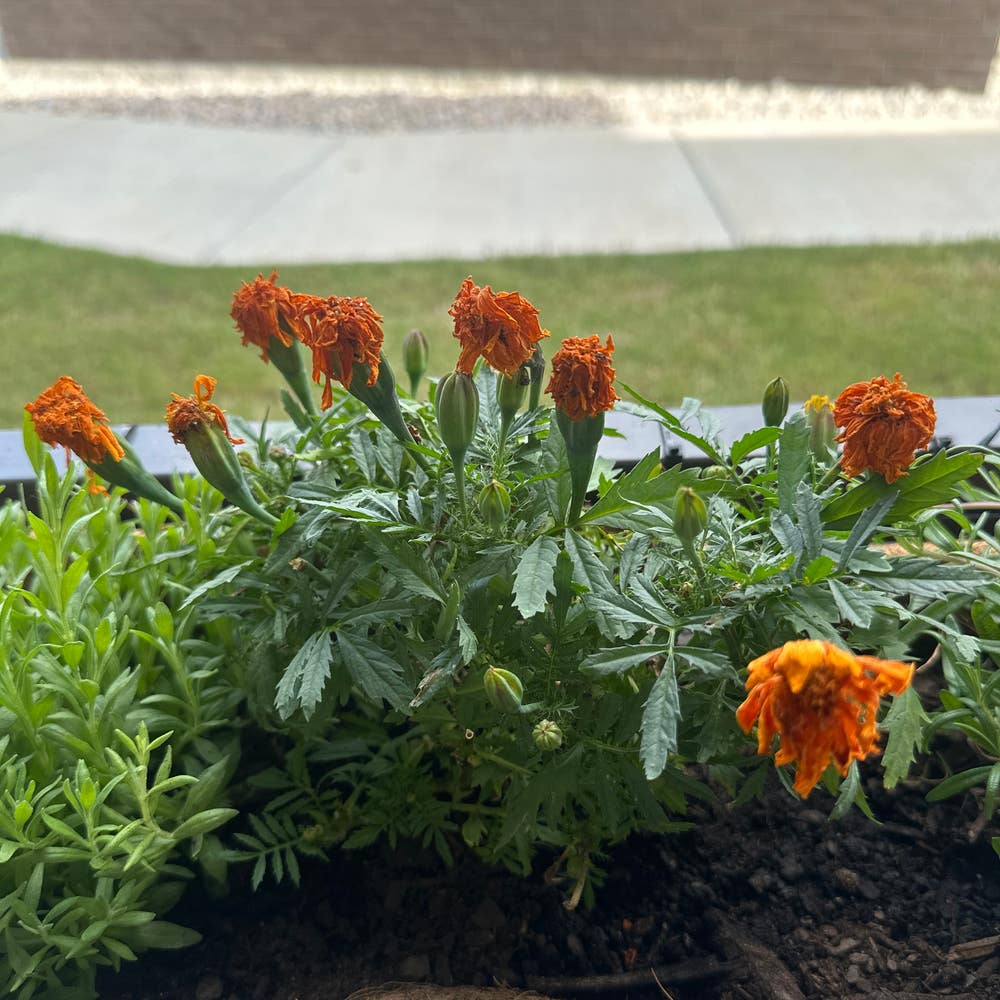
What You Should Know About Signet Marigold 🌼
Tagetes tenuifolia
By the Greg Editorial Team
Jan 24, 2025•13 min read
This article was created with the help of AI so we can cover more plants for you. May contain errors. See one? Report it here.
- 🌞 Signet Marigolds need 6-8 hours of sunlight daily for optimal growth.
- 🌱 Well-draining soil with pH 6.0-7.5 is essential for healthy plants.
- 🐞 These flowers repel pests and are safe for pets, enhancing your garden's health.
How to Grow
🌞 Choosing a Location
To thrive, Signet Marigolds need full sun exposure, ideally 6-8 hours daily. Whether you're planting outdoors or in containers, ensure the location receives ample sunlight for vibrant blooms.
🌱 Soil Preparation
These flowers prefer well-draining, fertile soil to support their growth. Aim for a soil pH between 6.0 and 7.5 to create the perfect environment for your marigolds.
🌼 Planting Techniques
When planting seeds, bury them about 1/4 inch deep. For outdoor planting, space the seeds 12-18 inches apart to allow for healthy growth and airflow.
💧 Watering Requirements
Regular watering is crucial to maintain consistent moisture without waterlogging the soil. Watch for signs of overwatering, like yellowing leaves, or underwatering, which can cause wilting.
🌿 Fertilizing Tips
Fertilize your marigolds monthly during the growing season to promote robust growth. A balanced NPK fertilizer works best to provide essential nutrients.
✂️ Pruning and Ongoing Care
Deadheading flowers is key to encouraging more blooms throughout the season. Keep an eye out for pests and diseases to ensure your marigolds remain healthy and vibrant.
With these tips, you'll be well on your way to cultivating beautiful Signet Marigolds that brighten up your garden. Next, let's explore how to propagate these lovely flowers for even more blooms!
Propagation
Seed Propagation 🌱
Growing Signet Marigolds from seeds is a rewarding process. Start by sowing seeds indoors about 6-8 weeks before the last frost date, or directly outdoors once the soil warms up.
For planting, place seeds about 1/4 inch deep and space them 12-18 inches apart. Under optimal conditions, expect germination in 7-14 days, which is quite quick for a flower!
Cutting Propagation ✂️
If you prefer to propagate through cuttings, select healthy stems that are 4-6 inches long. This method allows for faster growth and ensures you get the same vibrant characteristics of the parent plant.
Use a rooting medium made of equal parts peat moss and perlite to encourage strong root development. Typically, cuttings will root in about 2-3 weeks, giving you new plants to enjoy in no time.
With these propagation techniques, you can easily expand your garden and enjoy the beauty of Signet Marigolds. Next, let’s explore the lifecycle of these vibrant flowers!
Lifecycle
Annual Characteristics 🌼
Signet Marigold is typically grown as an annual, meaning it completes its life cycle within a single growing season. This characteristic makes it a popular choice for gardeners looking to add vibrant color to their spaces without the commitment of perennials.
Stages of Growth 🌱
Understanding the stages of growth can help you nurture your marigolds effectively:
Germination: This initial phase takes about 5-10 days. Seeds absorb moisture and begin to sprout.
Seedling Stage: After germination, seedlings develop true leaves, marking their transition to more robust growth.
Vegetative Growth: During this stage, leaf expansion and root development occur. Healthy foliage is crucial for photosynthesis.
Flowering: Expect blooms to appear 8-10 weeks after planting. This is when your marigolds truly shine.
Seed Production: After flowering, the plants produce seeds, completing their life cycle and allowing for future generations.
Growth Timeline and Speed ⏳
The time to maturity for Signet Marigold is approximately 10-12 weeks. With consistent care, you can expect moderate growth, making it a rewarding addition to your garden.
By understanding these lifecycle stages, you can better appreciate the journey of your marigolds from seed to bloom. Next, let’s explore how to maximize their growth potential through proper care and maintenance.
Size
Mature Height and Spread 🌱
Signet Marigolds typically reach an average mature height of 12 to 18 inches. Their spread usually ranges from 12 to 15 inches, making them a compact yet vibrant addition to any garden.
Growth Rate and Size Variability 📈
Several factors influence the size of Signet Marigolds. Soil quality, sunlight exposure, and watering practices all play crucial roles in determining how robust these plants will grow.
Impact of Growing Conditions on Size 🌍
Growing conditions can significantly affect the size of Signet Marigolds. For instance, plants grown in containers may be smaller due to limited space and resources compared to those thriving in garden beds with ample room to expand.
Understanding these size dynamics can help you plan your garden layout effectively. By considering the growth potential of Signet Marigolds, you can create a visually appealing and harmonious garden space.
Roots
🌱 Root System Characteristics
Signet Marigolds feature a fibrous root system that is both shallow and spreading. This structure allows them to efficiently absorb moisture and nutrients from the top layers of soil.
⚠️ Common Root-Related Issues
One of the most common problems is root rot, which can occur when the soil is too wet. Symptoms include yellowing leaves and a foul smell from the roots. To prevent this, ensure proper drainage and avoid overwatering.
Identifying healthy roots is crucial for plant health. Healthy roots are typically white or light tan and firm, while unhealthy roots may appear brown or black and feel mushy.
🔄 Recognizing and Addressing Rootbound Conditions
Rootbound plants exhibit signs such as roots circling the pot and stunted growth. This occurs when the roots have filled the container and have no room to expand.
To remedy this, consider repotting the plant into a larger container. Alternatively, root pruning can help by trimming back the circling roots, allowing for healthier growth.
Benefits
Top 5 Benefits 🌼
Signet Marigolds are not just pretty flowers; they offer a range of benefits that make them a fantastic addition to any garden.
1. Pest Deterrent
These vibrant blooms act as a natural repellent for harmful insects. Their strong scent can deter pests like aphids and nematodes, helping to protect your other plants.
2. Edible Flowers
Not only do they look good, but Signet Marigolds are also edible! Their petals can add a splash of color and a hint of flavor to salads and garnishes, making your dishes more appealing.
3. Aesthetic Appeal
With their bright colors, Signet Marigolds enhance the beauty of any garden. They can create a cheerful atmosphere, making your outdoor space more inviting.
4. Cultural Significance
These flowers have a rich history in traditional medicine and rituals. Many cultures use them for their healing properties and in celebrations, adding a layer of meaning to their presence in your garden.
5. Attracts Beneficial Insects
Signet Marigolds are excellent at attracting beneficial insects like pollinators and predatory insects. This not only helps your garden thrive but also supports local ecosystems.
Incorporating Signet Marigolds into your garden is a win-win situation. They bring beauty, utility, and ecological benefits, making them a must-have for any gardening enthusiast.
Next, let’s explore the concept of companion planting and how these flowers can work alongside other plants to create a thriving garden ecosystem.
Companion Plants
🌱 Concept of Companion Planting
Companion planting is all about creating a harmonious garden ecosystem. It enhances pest management, boosts growth, and adds diversity to your garden.
🌼 Best Companion Plants
When it comes to Signet Marigold, consider pairing it with basil, tomatoes, and peppers. These plants share similar care needs and can thrive together, creating a vibrant and productive garden.
- Basil: Helps repel pests like aphids and mosquitoes.
- Tomatoes: Benefit from marigolds' pest-repelling properties.
- Peppers: Thrive in similar soil and sunlight conditions.
🚫 Plants to Avoid
While some plants make great companions, others can hinder growth. Avoid planting rue and certain herbs, as they may compete for nutrients and space, ultimately stunting the growth of your marigolds.
Understanding companion planting can transform your garden into a thriving ecosystem. By choosing the right partners for your Signet Marigold, you can enhance both beauty and productivity. Next, let’s explore the fascinating benefits these flowers bring to your garden!
Toxicity to Humans
Safety Overview 🌼
Signet Marigold is generally safe for humans and is not listed as toxic by major poison control centers. However, consuming large quantities may lead to mild skin irritation or digestive discomfort.
Cautionary Notes ⚠️
While the risks are minimal, it's always wise to seek medical advice if you experience any unusual symptoms after handling or consuming the plant. Awareness is key to enjoying your gardening experience without worry.
Edible
Edible Parts 🌼
Signet Marigold offers delightful culinary options, with its flowers and young leaves being completely edible. However, it's best to avoid the stems, as they can be tough and less palatable.
Identification, Harvesting, and Preparation 🌱
When harvesting, aim for the flowers that are fully open for the best flavor. Gently pinch off the young leaves and flowers, ensuring you do so in the morning when they are most vibrant and flavorful.
Nutritional Value and Health Benefits 🥗
These vibrant blooms are not just pretty; they are packed with antioxidants and vitamins. Incorporating them into your diet can boost your overall health while adding a splash of color to your meals.
Cultural Uses 🌍
In various cultures, Signet Marigold has been used in traditional dishes, often celebrated for its unique flavor and vibrant appearance. From salads to garnishes, these flowers bring both beauty and taste to the table, making them a cherished ingredient in many culinary traditions.
With their edible appeal, Signet Marigolds can enhance your garden and your plate. Next, let’s explore their cultural significance and how they can be integrated into your cooking.
Toxicity to Dogs
Safety Overview 🐶
Signet Marigold is not considered toxic by major pet poison control centers. This means your furry friends can enjoy the garden without the risk of serious harm.
Potential Minor Issues 🤢
While generally safe, consuming large quantities of Signet Marigold may lead to mild gastrointestinal upset in dogs. It's always wise to monitor your pet's behavior after they’ve been around the plants.
Tips for Introducing to Homes with Dogs 🏡
When introducing Signet Marigold to your home, consider proper placement. Keep these flowers in areas that are less accessible to your dog to minimize any potential nibbling.
Additionally, observe your dog's interactions with the plants. This way, you can ensure they don’t develop any unwanted habits around your garden.
Conclusion 🌼
Overall, Signet Marigold can be a delightful addition to your garden without posing significant risks to dogs. Just keep an eye on your pet, and you’ll both enjoy the beauty of these vibrant flowers!
Next, let's explore the toxicity of Signet Marigold to cats.
Toxicity to Cats
🛡️ Safety Overview
Signet Marigolds are not listed as toxic by major pet poison control centers, making them a safe choice for cat owners. However, if your feline friend indulges a bit too much, they might experience mild gastrointestinal upset.
🏡 Introducing Signet Marigolds to Your Home
When bringing Signet Marigolds into a home with cats, consider their placement carefully. Keep the plants out of reach to minimize any temptation, and monitor your cat's behavior around them to ensure they don't nibble excessively.
🐾 Conclusion
Overall, Signet Marigolds can coexist peacefully with your cats, allowing you to enjoy their vibrant blooms without worry. Just keep an eye on your furry companions, and you'll both thrive in your shared space.
Problems
Common Problems 🌱
Growing Signet Marigolds can be rewarding, but it's not without its challenges. Here are the most common problems you might encounter:
- Incorrect Watering: Overwatering can lead to root rot, while underwatering causes wilting.
- Incorrect Light Conditions: Insufficient light results in leggy growth and fewer blooms.
- Diseases: Fungal issues like powdery mildew and blight can affect plant health.
- Root Problems: Root rot is a serious concern, often indicated by yellowing leaves.
- Leaf Issues: Yellowing and scorching leaves signal stress or nutrient deficiencies.
Identifying Symptoms and Causes 🔍
Understanding the symptoms of these problems is crucial for effective management.
- Incorrect Watering: Overwatered plants may have droopy leaves and a mushy stem, while underwatered ones will appear dry and crispy.
- Incorrect Light Conditions: Plants in low light may stretch towards the light source, resulting in weak stems.
- Diseases: Powdery mildew presents as a white, powdery coating on leaves, while blight causes dark spots and wilting.
- Root Problems: Root rot often shows up as a sudden decline in plant vigor and dark, mushy roots.
- Leaf Issues: Yellowing leaves can indicate nutrient deficiencies, while scorching often results from too much direct sunlight.
Solutions for Common Issues 🛠️
Addressing these problems early can save your plants. Here are some straightforward solutions:
- Incorrect Watering: Adjust your watering schedule. Ensure the soil dries out slightly between waterings to prevent root rot.
- Incorrect Light Conditions: Move your plants to a sunnier spot or supplement with grow lights if indoors.
- Diseases: Improve air circulation around your plants and apply fungicides if necessary.
- Root Problems: If you suspect root rot, gently remove the plant, trim away affected roots, and repot in fresh soil.
- Leaf Issues: Test your soil for nutrient levels and amend as needed. Ensure your plants receive adequate light and water.
By staying vigilant and responsive to these common issues, you can keep your Signet Marigolds thriving and beautiful. Next, let’s explore the fascinating world of companion planting and how it can enhance your garden.
Bugs
🐞 Potential Pest Issues
Signet Marigolds are generally resilient, but they can still fall prey to a few common pests. Understanding their resistance and susceptibility is key to keeping your plants healthy.
🔍 Identification and Damage
Watch out for pests like aphids, spider mites, and whiteflies. These invaders can cause noticeable damage, including leaf curling, discoloration, and stunted growth.
🧪 Treatment Options
When it comes to treatment, you have options. Organic methods, such as insecticidal soap or neem oil, can effectively manage pests without harming beneficial insects.
For those who prefer chemical solutions, look for targeted pesticides that minimize impact on the surrounding ecosystem. Always follow application instructions to ensure safety and effectiveness.
By staying vigilant and proactive, you can protect your Signet Marigolds from these pesky invaders and enjoy a vibrant garden.
What Eats
Common Animals 🦌
When it comes to your Signet Marigold, several common animals might take a liking to your vibrant blooms. Deer, rabbits, and squirrels are notorious for munching on these flowers, so keep an eye out for any uninvited guests in your garden.
Signs of Animal Presence and Damage 🐾
Identifying signs of animal activity can help you take action before significant damage occurs. Look for tracks, droppings, and feeding patterns around your plants. Chewed leaves or missing flowers are clear indicators that your garden has been visited.
Deterrent Methods 🚫
To protect your marigolds, consider both chemical and organic deterrent methods. Chemical repellents can be effective, but many gardeners prefer organic options like garlic spray or planting strong-smelling herbs nearby.
By employing these strategies, you can enjoy the beauty of your Signet Marigold without worrying about unwanted nibblers. Now that you know how to fend off these critters, let’s explore the potential pest issues that could affect your plants.
⚠️ Safety First
This content is for general information and may contain errors, omissions, or outdated details. It is not medical, veterinary advice, or an endorsement of therapeutic claims.
Always consult a qualified healthcare professional before using any plant as food, medicine, or supplement.
Never eat any plant (or feed one to pets) without confirming its identity with at least two trusted sources.
If you suspect poisoning, call Poison Control (800) 222-1222, the Pet Poison Helpline (800) 213-6680, or your local emergency service immediately.
Spotted an error? Please report it here.
Cultivate vibrant Signet Marigolds 🌼 with Greg's tailored watering reminders and fertilization tips, ensuring your garden thrives while naturally deterring pests!