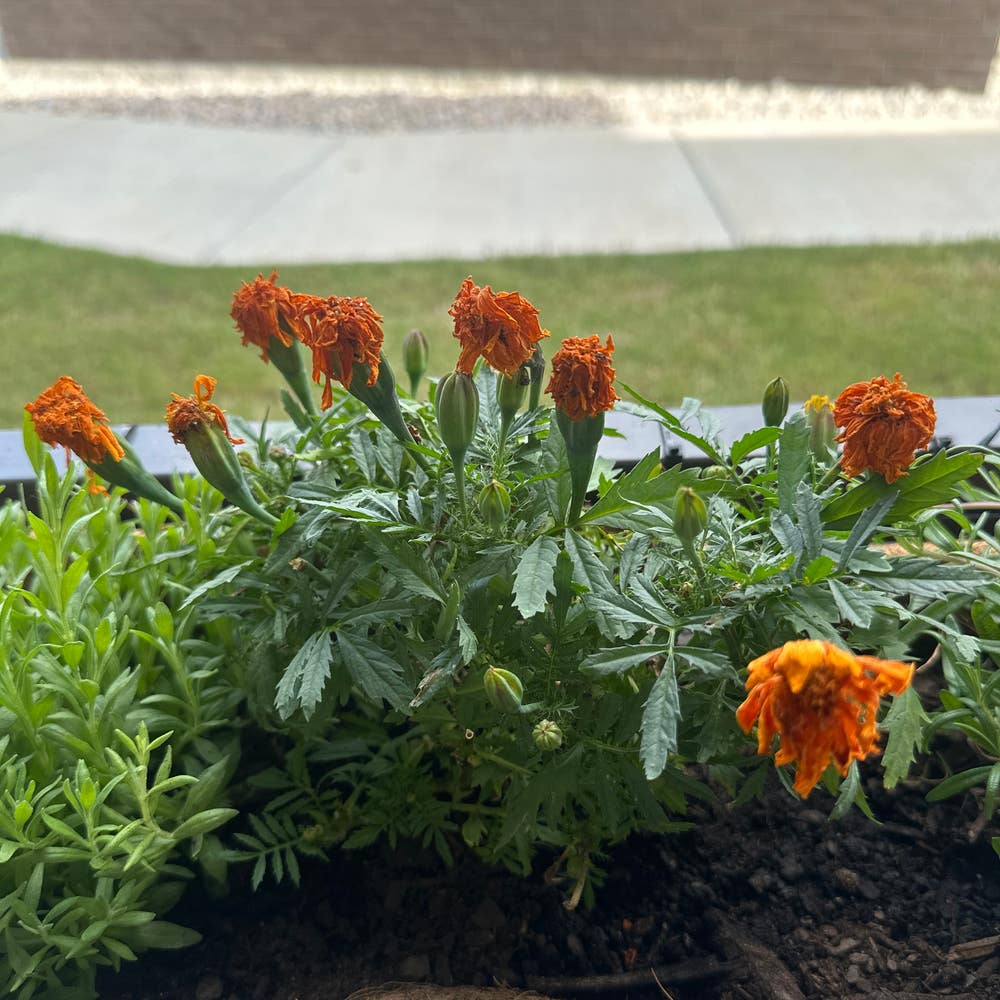
Overview of Dwarf Marigold 🌻
Tagetes tenuifolia
By the Greg Editorial Team
Jan 24, 2025•12 min read
This article was created with the help of AI so we can cover more plants for you. May contain errors. See one? Report it here.
- 🌞 Dwarf marigolds need 6-8 hours of sunlight daily for optimal growth.
- 🌱 Use well-draining soil with pH 6.0-7.0 for healthy marigold development.
- 🌼 Regular deadheading encourages more blooms and maintains a bushy appearance.
How to Grow
Choosing a Location 🌞
Dwarf marigolds thrive in full sun, requiring 6-8 hours of direct sunlight daily. Ideal spots include flower beds, borders, and container gardens, where they can showcase their vibrant colors.
Soil Preparation 🌱
For optimal growth, use well-draining, fertile soil with a pH between 6.0 and 7.0. This ensures that your marigolds have the nutrients they need to flourish.
Planting Techniques 🌼
When planting seeds, bury them at a depth of 1/4 inch. Space them 8-12 inches apart to allow for adequate air circulation and healthy growth.
Watering Requirements 💧
Keep the soil consistently moist but not waterlogged by watering regularly. Watch for signs of overwatering, such as yellowing leaves and wilting, which can indicate trouble.
Fertilizing Tips 🌿
Apply a balanced fertilizer every 4-6 weeks during the growing season. This will help your marigolds achieve their full potential and produce abundant blooms.
Pruning and Ongoing Care ✂️
Deadheading spent flowers encourages more blooms, so don’t forget to remove them regularly. Additionally, trim back any leggy growth to maintain a bushy appearance.
Outdoor vs. Container Growing 🏡
If you’re growing marigolds in containers, ensure your pots have drainage holes and use a quality potting mix. For outdoor gardens, consider companion planting to help manage pests naturally.
With these tips in hand, you're well on your way to cultivating beautiful dwarf marigolds. Next, let’s explore how to propagate these lovely plants for even more blooms!
Propagation
🌱 Seed Propagation
To start your dwarf marigolds from seeds, sow them indoors about 6-8 weeks before the last frost. This early start gives your plants a head start, ensuring they’re ready to thrive once the frost danger has passed.
Transplant your seedlings outdoors after the last frost date. This timing is crucial for their survival and growth, allowing them to adapt to their new environment without the risk of frost damage.
✂️ Cutting Propagation
If you prefer to propagate through cuttings, select healthy stems that are 4-6 inches long. This method can be a rewarding way to expand your marigold collection quickly.
For rooting, use a mix of perlite and peat moss. This combination provides excellent drainage and aeration, essential for healthy root development.
Propagation can be a fun and fulfilling process, allowing you to enjoy more of these vibrant flowers in your garden!
Lifecycle
Lifecycle Stages 🌱
Dwarf marigolds follow an annual growth cycle, completing their entire lifecycle within one growing season. This means you can enjoy their vibrant blooms from spring to fall without the need for perennial care.
Germination Time ⏳
Under optimal conditions, germination occurs within 5-10 days. This quick turnaround is one of the reasons why these flowers are so popular among gardeners.
Development of True Leaves 🍃
After germination, true leaves begin to develop about 2-3 weeks later. This stage marks the transition from seedling to a more established plant.
Growth Period 📈
During the growth period, dwarf marigolds experience rapid growth, which leads to flowering. This phase is exciting as you witness your plants flourish and fill your garden with color.
Flowering Time 🌼
Typically, flowering begins 8-10 weeks after planting. This means that with a little patience, you’ll soon be rewarded with a stunning display of blooms.
Overall Lifespan ⏲️
The overall lifespan of dwarf marigolds is approximately one growing season. They thrive in the right conditions, bringing joy and beauty to your garden for several months.
Full Growth Timeline 📅
From seed to maturity, dwarf marigolds take about 8-12 weeks. This relatively short timeline makes them an excellent choice for gardeners looking to add quick color to their spaces.
As you plan your garden, consider the lifecycle of dwarf marigolds to maximize your enjoyment of these delightful flowers. Next, let’s explore their size and growth characteristics to help you understand how they fit into your garden design.
Size
Mature Height and Spread 🌼
Dwarf marigolds typically reach a height of 6 to 12 inches. Their spread usually ranges from 8 to 12 inches, making them perfect for filling in flower beds or borders.
Growth Rate and Size Variability 📈
These plants have a moderate growth rate, achieving full size in about 8 to 12 weeks. However, their size can vary based on growing conditions, including soil quality and sunlight exposure.
Understanding these size characteristics helps you plan your garden layout effectively. Whether you're aiming for a vibrant border or a container display, knowing what to expect from your dwarf marigolds will ensure a stunning outcome.
Next, let’s explore the root system of these charming flowers and how it contributes to their overall health and growth.
Roots
Root System Characteristics 🌱
Dwarf marigolds feature a fibrous root system that enhances stability and nutrient uptake. This shallow root structure spreads horizontally, allowing the plant to efficiently absorb moisture and nutrients from the top layers of soil.
Common Root-Related Issues ⚠️
One of the most common problems faced by dwarf marigolds is root rot, which occurs due to overwatering and poor drainage. Healthy roots should be firm and white, spreading evenly throughout the soil, while unhealthy roots appear dark, mushy, or emit a foul smell.
Signs that your marigold may be rootbound include roots growing out of drainage holes or circling the pot. If you notice these symptoms, consider repotting the plant into a larger container or dividing it to promote healthier growth.
Maintaining a watchful eye on your marigold's root health can prevent many issues. With proper care, these vibrant flowers will thrive and bring joy to your garden.
As we explore further, let’s dive into the benefits of growing dwarf marigolds and how they can enhance your gardening experience.
Benefits
Top 5 Benefits 🌼
Dwarf marigolds are not just pretty flowers; they come with a host of benefits that make them a must-have in any garden. Here are the top five reasons to consider adding these vibrant blooms to your outdoor space.
Pest Repellent Properties
Dwarf marigolds are natural pest deterrents. They effectively repel nematodes and aphids, helping to protect your other plants from these common garden nuisances.Attracts Beneficial Insects
These flowers are a magnet for pollinators like bees and butterflies. By planting dwarf marigolds, you can create a thriving ecosystem that supports these essential creatures.Aesthetic Appeal
With their bright colors and cheerful blooms, dwarf marigolds can instantly brighten up any garden. They add a splash of color that enhances the overall beauty of your outdoor space.Easy to Grow
If you're looking for low-maintenance plants, dwarf marigolds fit the bill. They adapt well to various conditions and require minimal care, making them perfect for both novice and experienced gardeners.Cultural Significance
Beyond their beauty, marigolds hold cultural importance in many celebrations and rituals. They are often used in festivals and ceremonies, adding a layer of meaning to their presence in your garden.
Incorporating dwarf marigolds into your gardening routine not only beautifies your space but also supports a healthy ecosystem. Next, let’s explore how to propagate these delightful plants for even more blooms!
Companion Plants
Best Companion Plants 🌼
When it comes to growing dwarf marigolds, choosing the right companions can enhance your garden's health and beauty. Basil, tomatoes, and peppers are excellent companions, as they share similar care needs and can help deter pests that might otherwise target your marigolds.
Plants to Avoid 🚫
On the flip side, steer clear of planting dwarf marigolds near members of the cabbage family. These plants can attract pests that may harm your marigolds, undermining their vibrant contribution to your garden.
Companion planting not only promotes a thriving ecosystem but also adds layers of color and texture to your outdoor space. By selecting the right partners for your dwarf marigolds, you can create a flourishing garden that is both beautiful and resilient.
Next, let’s explore the potential toxicity of dwarf marigolds to humans and pets, ensuring you have all the information you need for a safe gardening experience.
Toxicity to Humans
Safety Overview 🌼
Dwarf marigolds are generally safe for humans and are not listed as toxic by major poison control centers. However, it's wise to be cautious, as consuming large quantities may lead to mild skin irritation or digestive discomfort.
Cautionary Measures ⚠️
Always exercise caution with any plant. If you experience unusual symptoms after contact or ingestion, seek medical advice promptly. It's better to be safe than sorry when it comes to plant interactions!
In summary, while dwarf marigolds can brighten your garden without posing significant risks, a little awareness goes a long way in ensuring a safe gardening experience. Now that we've covered human safety, let's explore how these vibrant flowers can impact our furry friends!
Edible
🌼 Edible Parts
Dwarf marigolds are not just pretty faces in the garden; their flowers and leaves are entirely edible. You can toss the vibrant blooms into salads or use them as garnishes to add a pop of color and flavor.
🌱 Harvesting
For the best taste, harvest the flowers when they are fully open. This ensures you get the most flavor and nutritional benefits.
🥗 Nutritional Value
These cheerful flowers pack a nutritional punch, containing antioxidants and vitamins A and C. Incorporating them into your meals not only brightens your plate but also boosts your health.
Dwarf marigolds are a delightful addition to your garden and your plate. Their edible nature makes them a versatile choice for both culinary and aesthetic purposes.
Toxicity to Dogs
Safety Overview 🐶
Dwarf marigolds are not listed as toxic by major pet poison control centers, making them a safe choice for dog owners. However, if your furry friend munches on a large quantity, they might experience mild gastrointestinal upset.
Monitoring Interactions 👀
To keep your dog safe, it's wise to keep dwarf marigolds out of reach. Always monitor your pet's interactions with plants, as curiosity can lead to unexpected snacking.
Conclusion 🏁
With proper precautions, you can enjoy the vibrant beauty of dwarf marigolds in your garden without worrying about your dog's health. Next, let’s explore how these cheerful flowers can impact your feline friends.
Toxicity to Cats
Safety Overview 🌿
Dwarf marigolds are not listed as toxic by major pet poison control centers, making them a safe choice for cat owners. However, if your feline friend munches on a few leaves, it could lead to mild gastrointestinal upset.
Monitoring Behavior 👀
It's wise to keep an eye on your cat's behavior around new plants. If you notice any unusual symptoms after contact or ingestion, consult your veterinarian for guidance.
Practical Tips 🏡
To minimize any potential issues, consider placing marigolds out of reach or in areas where your cat doesn't typically roam. This way, you can enjoy the vibrant blooms without worrying about your pet's health.
As you explore the joys of gardening with dwarf marigolds, remember that a little caution goes a long way in ensuring a harmonious home for both plants and pets.
Problems
Common Problems 🌱
Growing Dwarf Marigolds can be a rewarding experience, but like any plant, they can face challenges. Here are some common problems to watch out for.
Incorrect Watering 🚰
Watering is crucial for healthy marigolds. Overwatering can lead to yellowing leaves and wilting, while underwatering may cause the plant to droop and dry out.
Incorrect Light Conditions ☀️
Dwarf Marigolds thrive in full sun, but too much direct sunlight can scorch their leaves. Look for signs of leaf scorch, such as browning edges, to adjust their placement.
Diseases 🦠
Marigolds are generally resilient, but they can still fall victim to diseases. Powdery mildew and blight are common issues; keep an eye out for white powdery spots or dark patches on leaves.
Root Problems 🌿
Healthy roots are vital for plant stability and nutrient uptake. Root rot, often caused by overwatering, leads to mushy roots that can smell foul. If you notice this, it’s time to take action.
Leaf Issues 🍃
Leaf health is a good indicator of overall plant vitality. Yellowing leaves may signal nutrient deficiencies or improper watering, while leggy growth often indicates insufficient light.
Conclusion 📝
By being aware of these common problems, you can take proactive steps to ensure your Dwarf Marigolds thrive. Next, let’s explore the potential pest issues that could affect your plants.
Bugs
Potential Pest Issues 🐛
Dwarf marigolds are generally pest-resistant, making them a favorite among gardeners. However, they can still attract a few unwelcome guests.
Common Pests 🦠
The most common pests to watch for include spider mites, aphids, and whiteflies. These tiny intruders can wreak havoc on your marigolds if left unchecked.
Signs of Damage ⚠️
Look out for signs of damage such as leaf curling, discoloration, and stunted growth. These symptoms indicate that your plants may be under attack.
Effective Treatments 💊
To combat these pests, consider using insecticidal soap or neem oil. Both are effective treatments that can help restore your marigolds to their vibrant selves.
Prevention Tips 🛡️
Regularly inspect your plants to catch any infestations early. Keeping your marigolds healthy through proper care can also enhance their natural pest resistance.
With a little vigilance and the right treatments, your dwarf marigolds can thrive despite potential pest issues. Next, let’s explore what animals might be tempted to munch on these colorful blooms.
What Eats Dwarf Marigold
🦌 Common Animals
Dwarf marigolds can attract a variety of garden pests, including deer, rabbits, and squirrels. These critters may find your vibrant blooms irresistible, leading to chewed leaves and damaged plants.
🚨 Signs of Damage
Look out for telltale signs of animal activity in your garden. Chewed leaves, tracks, and droppings can indicate that your marigolds have become a snack for local wildlife.
🛡️ Deterrent Methods
To protect your marigolds, consider implementing a few deterrent strategies. Fencing around your garden can create a physical barrier, while repellents can discourage animals from munching on your plants.
Companion planting is another effective method. By pairing marigolds with plants that deer and rabbits dislike, you can create a less inviting environment for these hungry visitors.
With these strategies in place, you can enjoy your dwarf marigolds without the worry of them becoming a buffet for local wildlife. Next, let’s explore the potential pest issues that can affect your marigolds.
⚠️ Safety First
This content is for general information and may contain errors, omissions, or outdated details. It is not medical, veterinary advice, or an endorsement of therapeutic claims.
Always consult a qualified healthcare professional before using any plant as food, medicine, or supplement.
Never eat any plant (or feed one to pets) without confirming its identity with at least two trusted sources.
If you suspect poisoning, call Poison Control (800) 222-1222, the Pet Poison Helpline (800) 213-6680, or your local emergency service immediately.
Spotted an error? Please report it here.
Dwarf marigolds can bloom vibrantly 🌼 with the right care, and Greg's personalized watering alerts and fertilization tips will help you cultivate a stunning garden all season long!