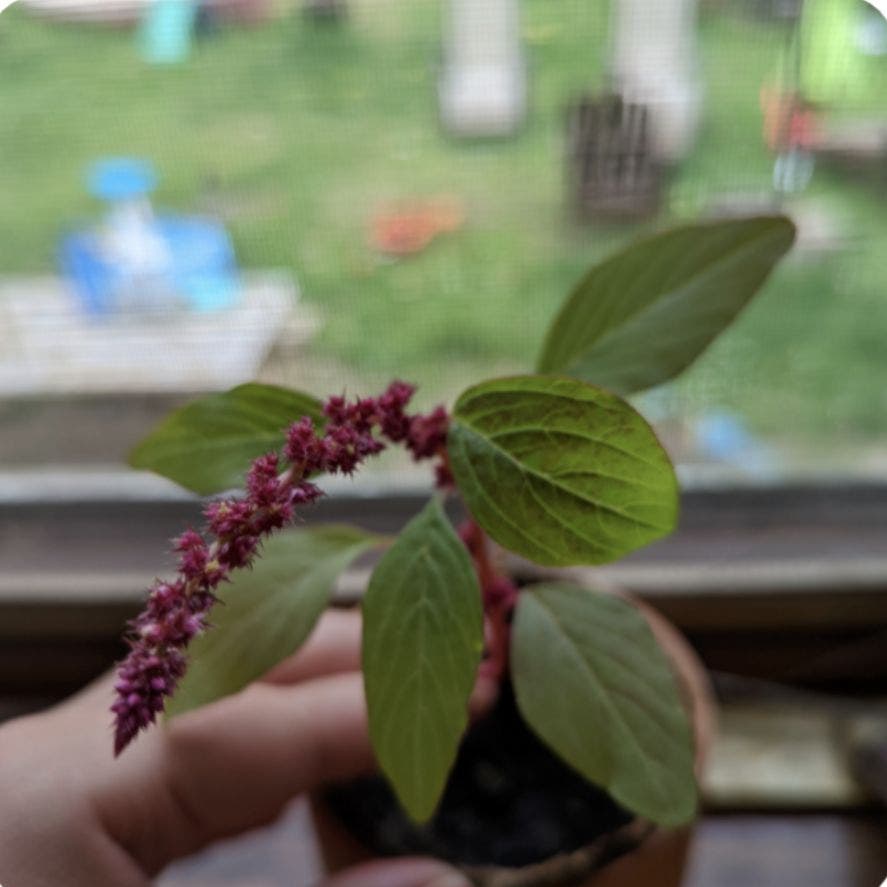
Sandhill Amaranth Explained: Key Information
Amaranthus arenicola
By the Greg Editorial Team
Jan 28, 2025•12 min read
This article was created with the help of AI so we can cover more plants for you. May contain errors. See one? Report it here.
- 🌞 Sandhill Amaranth needs 6-8 hours of sunlight daily for optimal growth.
- 🌱 Well-draining sandy or loamy soil with pH 6.0-7.5 is ideal for planting.
- 🐞 Attracts pollinators and improves soil health, making it great for biodiversity.
How to Grow
Choosing a Location 🌞
To grow Sandhill Amaranth successfully, start by selecting a location that receives full sun exposure for 6-8 hours daily. The ideal soil type is well-draining sandy or loamy soil, which helps prevent waterlogging and promotes healthy root development.
Soil Preparation 🧑🌾
Before planting, ensure your soil pH is between 6.0 to 7.5. Amending the soil with organic matter will enhance fertility and improve overall plant health.
Planting Techniques 🌱
When planting, sow seeds at a depth of 1/4 inch. Space them 12-18 inches apart to allow for adequate growth and air circulation.
Watering Requirements 🚰
Water your Sandhill Amaranth regularly until the plants are established. Once mature, they become drought-tolerant, requiring less frequent watering.
Fertilizing Tips 🍽️
Use a balanced NPK fertilizer during the growing season to support growth. Apply it every 4-6 weeks for optimal results.
Pruning and Ongoing Care ✂️
To encourage bushier growth, pinch back the tips of your plants. Regularly monitor for pests and diseases to keep your garden healthy.
Outdoor vs. Container Growing 🏡
If growing in containers, ensure they are at least 12 inches deep and have drainage holes. For outdoor planting, maintain adequate spacing between plants to promote air circulation and prevent disease.
With these tips, you’re well on your way to cultivating a thriving Sandhill Amaranth garden. Next, let’s explore how to propagate this resilient plant effectively.
Propagation
🌱 Seed Propagation
To successfully propagate Sandhill Amaranth, timing is crucial. Start your seeds indoors about 6-8 weeks before the last frost to give them a head start.
Germination typically takes between 7 to 14 days. Keep the soil warm and moist for the best results.
✂️ Cutting Propagation
Another effective method is through cuttings. Select healthy cuttings that are 4-6 inches long from established plants.
For rooting, use a mix of perlite and peat moss. This combination provides excellent drainage and aeration, promoting healthy root development.
With these propagation techniques, you can easily expand your Sandhill Amaranth collection. Whether you choose seeds or cuttings, both methods are rewarding and straightforward.
Next, let's explore the lifecycle of this fascinating plant.
Lifecycle
Lifecycle Stages 🌱
Sandhill Amaranth is an annual plant, meaning it completes its entire lifecycle within a single growing season. This rapid growth cycle allows gardeners to enjoy its benefits in a relatively short time.
Germination Process 🌡️
For optimal germination, maintain a temperature of around 70°F (21°C). This warm environment encourages seeds to sprout, typically within 7 to 14 days.
Seedling Stage 🌿
Once germinated, the seedling stage lasts about 2 to 3 weeks. During this time, the plant develops its first true leaves, marking the transition to more vigorous growth.
Vegetative Growth 🌳
The vegetative growth phase follows, lasting approximately 4 to 6 weeks. This is when the plant experiences rapid growth, establishing a strong foundation for future development.
Flowering and Seed Production 🌼
Flowering occurs in late summer to early fall, showcasing vibrant blooms. After flowering, seeds mature within 2 to 3 weeks, ready for harvest or natural dispersal.
Growth Timeline and Speed ⏳
From seed to maturity, Sandhill Amaranth takes about 10 to 12 weeks. Under optimal conditions, it grows quickly, making it a rewarding choice for gardeners seeking fast results.
This lifecycle not only highlights the plant's resilience but also its adaptability to various growing conditions. Understanding these stages can help you maximize your gardening efforts and enjoy a bountiful harvest.
Next, we’ll explore the size of Sandhill Amaranth, including its mature height and spread.
Size
Mature Height and Spread 🌱
Sandhill Amaranth typically reaches an average height of 2 to 4 feet, making it a striking addition to any garden. Its spread ranges from 1 to 2 feet wide, allowing for a compact yet impactful presence.
Growth Rate 🚀
This plant is known for its rapid growth, especially during the warm months. Under optimal conditions, you can expect it to flourish quickly, adding vibrant greenery to your space.
Size Variability 📏
Several factors can influence the size of Sandhill Amaranth. Soil quality, water availability, and sunlight exposure all play crucial roles in determining how tall and wide your plants will grow.
Understanding these size characteristics can help you plan your garden layout effectively. By considering these factors, you can ensure your Sandhill Amaranth thrives and contributes beautifully to your landscape.
Next, let’s explore the roots of this fascinating plant and their significance in its growth and health.
Roots
🌱 Root System Characteristics
Sandhill Amaranth features a fibrous root system that provides stability and support. This type of root structure is essential for the plant's overall health and growth.
📏 Depth and Spread
Typically, the roots extend 12-18 inches deep into the soil. They also spread laterally, which helps the plant absorb nutrients and water effectively.
⚠️ Common Root-Related Issues
One common problem is root rot, often caused by overwatering. Symptoms include wilting and yellowing leaves, signaling that the roots are struggling.
👀 Identifying Healthy vs. Unhealthy Roots
Healthy roots are firm, white, and spread evenly throughout the soil. In contrast, unhealthy roots appear dark, mushy, or may emit a foul smell, indicating decay.
🔒 Recognizing Rootbound Plants
If you notice roots growing out of drainage holes or circling the pot, your plant may be rootbound. The solution is simple: repot the plant into a larger container or amend the soil to give the roots more room to grow.
Understanding the root system of Sandhill Amaranth is crucial for its care and maintenance. With proper attention to root health, you can ensure a thriving plant that flourishes in your garden.
Next, let’s explore the benefits of growing Sandhill Amaranth and how it can enhance your gardening experience.
Benefits
Top 5 Benefits 🌟
1. Drought Tolerance
Sandhill Amaranth is a champion when it comes to drought resistance. It requires significantly less water than many traditional garden plants, making it a sustainable choice for water-conscious gardeners.
2. Nutritional Value
This plant is not just pretty; it’s packed with nutrients. Rich in vitamins and minerals, Sandhill Amaranth is a powerhouse for anyone looking to boost their diet.
3. Soil Improvement
Growing Sandhill Amaranth can enhance your soil's health. It helps prevent erosion, especially in sandy soils, contributing to a more stable and fertile garden environment.
4. Attracts Pollinators
The vibrant flowers of Sandhill Amaranth are a magnet for beneficial insects. By planting it, you can create a lively ecosystem that supports pollinators, which are crucial for many crops.
5. Cultural Significance
This plant holds a special place in various cultures. It has been used in traditional medicine and as a food source by indigenous peoples, showcasing its historical and nutritional importance.
These benefits make Sandhill Amaranth not only a practical addition to your garden but also a meaningful one. As you consider your planting options, think about how this resilient plant can enrich both your garden and your life.
Next, let’s explore the concept of companion planting and how Sandhill Amaranth can thrive alongside other plants.
Companion Plants
🌱 Concept of Companion Planting
Companion planting is all about creating a harmonious garden ecosystem. By pairing plants that support each other, you can enhance diversity and improve pest management.
🌼 Best Companion Plants
When growing Sandhill Amaranth, consider these beneficial companions:
- Basil: Thrives in similar conditions and repels pests.
- Marigolds: Their vibrant flowers attract pollinators and deter harmful insects.
- Beans: They fix nitrogen in the soil, benefiting nearby plants.
These companions not only share care needs but also work together to create a healthier garden environment.
🚫 Plants to Avoid
While companion planting can be beneficial, some plants should be avoided. Steer clear of other amaranth species, as they can compete for resources and hinder each other's growth.
By choosing the right companions, you can cultivate a thriving garden that supports Sandhill Amaranth and enhances your overall gardening experience. Next, let’s explore the potential toxicity of Sandhill Amaranth to humans.
Toxicity to Humans
⚠️ Potential Irritation
While Sandhill Amaranth is a resilient plant, its leaves and sap can cause irritation for some individuals. It's essential to be aware of these potential reactions when handling the plant.
🤕 Symptoms of Irritation
If irritation occurs, you might experience skin rashes, itching, or mild gastrointestinal upset. These symptoms can vary in intensity, so it's wise to monitor your body's response.
🧤 Handling Precautions
To minimize the risk of irritation, always wear gloves when handling Sandhill Amaranth. Afterward, wash your hands thoroughly to remove any residual sap or plant material.
Understanding these precautions can help you enjoy the benefits of this plant while keeping discomfort at bay. Now that you're equipped with this knowledge, let's explore the edible aspects of Sandhill Amaranth next!
Edible
Edible Parts 🌱
Sandhill Amaranth offers delicious young leaves and nutritious seeds. These parts are not only edible but also versatile in various dishes.
Identification and Harvesting Techniques 🌾
To enjoy the best flavor, pick young leaves before the plant flowers. For seeds, wait until they mature, which typically occurs in late summer to early fall.
Nutritional Value 🥗
This plant is a powerhouse of nutrition, boasting high levels of protein, fiber, and essential vitamins. Traditionally, Sandhill Amaranth has been used in diverse cuisines, celebrated for its health benefits and as a nutritious green.
With its rich nutritional profile and culinary versatility, Sandhill Amaranth is a fantastic addition to any garden. Now, let’s explore its potential toxicity to pets, ensuring a safe environment for your furry friends.
Toxicity to Dogs
Potential Irritation 🐶
Sandhill Amaranth can cause irritation in dogs, particularly from its leaves and sap. It's essential to be aware of these parts if your furry friend likes to explore the garden.
Symptoms of Discomfort 🤢
If a dog comes into contact with Sandhill Amaranth, symptoms may include drooling, pawing at the mouth, or mild vomiting. These signs can indicate that your pet is experiencing some discomfort.
When to Seek Veterinary Care 🚑
If you notice any of these symptoms persisting or worsening, it's best to consult your veterinarian. Quick action can ensure your dog's health and well-being.
This knowledge can help you keep your pets safe while enjoying your garden. Next, let’s explore the potential toxicity of Sandhill Amaranth to cats.
Toxicity to Cats
Potential Irritation 🐾
Sandhill Amaranth can cause irritation in cats, particularly from its leaves and sap. It's essential to be aware of these parts if you have curious feline friends.
Symptoms of Discomfort 😿
If your cat has ingested any part of the plant, watch for signs like drooling, pawing at the mouth, or mild vomiting. These symptoms can indicate that your cat is experiencing discomfort.
When to Seek Veterinary Care 🚑
If you notice any of these symptoms persisting or worsening, it's crucial to seek veterinary care. Quick action can ensure your cat receives the appropriate treatment and feels better soon.
Understanding the potential toxicity of Sandhill Amaranth helps you keep your pets safe while enjoying your garden. If you're considering adding this plant to your space, be mindful of your furry companions!
Problems
🐛 Common Problems
1. Incorrect Watering
Watering issues are a common pitfall for Sandhill Amaranth growers. Overwatering leads to wilting, while underwatering results in crispy leaves.
To remedy this, adjust your watering frequency based on the soil's moisture level. Regularly check the soil to find the right balance.
2. Incorrect Light Conditions
Light conditions play a crucial role in the health of your plants. If your Sandhill Amaranth is leggy or dropping leaves, it’s likely not getting enough sunlight.
Ensure your plants receive full sun exposure for at least 6-8 hours daily. This will promote robust growth and vibrant foliage.
3. Diseases
Diseases like powdery mildew and rust can affect your plants, especially in humid conditions. These issues often arise from poor air circulation and excessive moisture.
To combat this, improve air circulation around your plants and avoid overhead watering. Keeping the foliage dry can significantly reduce disease risk.
4. Root Problems
Root rot is a serious concern, often indicated by mushy roots. This condition typically results from overwatering and poor drainage.
To prevent root problems, ensure your pots have adequate drainage and avoid saturating the soil. Healthy roots are essential for a thriving plant.
5. Leaf Issues
Yellowing or scorching leaves can signal various issues, from nutrient deficiencies to pest infestations. These symptoms can be frustrating but are often manageable.
Adjust your watering practices and inspect for pests regularly. A little attention can go a long way in keeping your Sandhill Amaranth healthy.
🌱 Conclusion
By being mindful of these common problems, you can cultivate a thriving Sandhill Amaranth garden. Addressing these issues promptly will lead to healthier plants and a more rewarding gardening experience. Next, let’s explore the fascinating world of pests that may affect your plants.
Bugs
🐞 Potential Pest Issues
Sandhill Amaranth is generally robust and pest-resistant, but it can still face challenges from certain pests. Keeping an eye out for these invaders is crucial to maintaining a healthy plant.
🔍 Identifying Pests
Common pests that may target Sandhill Amaranth include:
- Spider mites: Tiny, often invisible to the naked eye, they can cause significant damage.
- Aphids: These small, soft-bodied insects cluster on new growth, sucking sap and weakening the plant.
- Whiteflies: Similar to aphids, they feed on the underside of leaves and can lead to yellowing.
🛠️ Treatment Options
If you notice any of these pests, don't panic! There are effective control methods available:
- Neem oil: A natural pesticide that disrupts the life cycle of pests without harming beneficial insects.
- Insecticidal soap: This can effectively suffocate soft-bodied insects like aphids and spider mites.
- Introducing beneficial insects: Ladybugs and lacewings can help keep pest populations in check naturally.
By staying vigilant and employing these strategies, you can protect your Sandhill Amaranth and enjoy its vibrant growth. Now, let’s explore how to maximize its benefits in your garden!
What Eats Sandhill Amaranth
🦌 Common Animals
Sandhill Amaranth, while resilient, can attract a variety of herbivores. Common culprits include deer, rabbits, squirrels, and birds, all of which may find the plant's tender leaves irresistible.
🕵️♂️ Signs of Animal Presence
If you suspect your Sandhill Amaranth is being munched on, look for telltale signs. Chewed leaves, droppings scattered around the base, or tracks in the soil can all indicate that animals are visiting your garden.
🚫 Deterrent Methods
To protect your plants, consider implementing a few deterrent strategies.
- Chemical options: Commercial repellents can effectively keep herbivores at bay.
- Organic options: Fencing is a solid barrier, while companion planting with strong-smelling herbs can confuse and deter pests.
By taking these steps, you can safeguard your Sandhill Amaranth and enjoy its beauty without the worry of unwanted nibblers.
⚠️ Safety First
This content is for general information and may contain errors, omissions, or outdated details. It is not medical, veterinary advice, or an endorsement of therapeutic claims.
Always consult a qualified healthcare professional before using any plant as food, medicine, or supplement.
Never eat any plant (or feed one to pets) without confirming its identity with at least two trusted sources.
If you suspect poisoning, call Poison Control (800) 222-1222, the Pet Poison Helpline (800) 213-6680, or your local emergency service immediately.
Spotted an error? Please report it here.
Cultivate a thriving garden 🌱 with Sandhill Amaranth by using Greg's tailored care reminders to ensure your plants get the sunlight, soil, and nutrients they need for success!