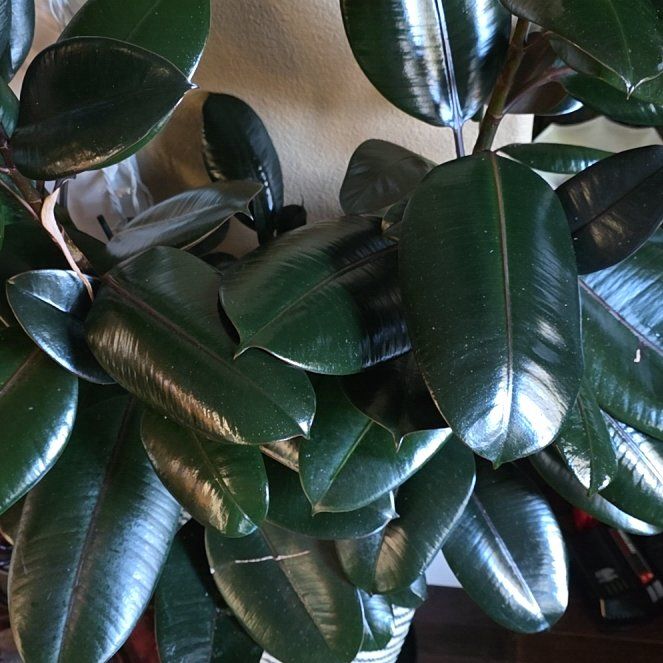
Best Soil for Rubber Plant
What Soil Does a Rubber Plant Need?
Ficus elastica grows naturally in the rainforest understory of Southeast Asia, where it develops a large root system in rich, well-aerated soil that receives regular rainfall but also dries between wet periods. As a container plant it wants a mix that replicates this balance: enough organic matter to hold some moisture, and enough drainage to prevent soggy conditions.
Rubber Plant has a fairly robust root system for a houseplant, and it grows into a substantial tree given space and time. It tolerates a range of soil conditions but thrives when the mix is airy and well-draining rather than dense and compacted. Heavy potting mixes that stay wet are the most common cause of root problems.
A good base is any quality all-purpose potting mix, amended with perlite to improve drainage and aeration. About 20–30% perlite is enough to open up the structure without making the mix too lean. If you want to add a bit more organic richness, a small amount of compost works well. Some growers also add a bit of orchid bark to improve texture, especially if the plant is in a plastic pot that holds moisture longer than terracotta.
Avoid moisture-retaining soils marketed for tropical plants, as these often hold too much water for Rubber Plant's root system. The goal is a mix that stays moist for a few days after watering, then dries enough that the top inch or two is noticeably dry before the next watering.
What Soil Mix Should I Use for My Rubber Plant?

What pH Does My Rubber Plant Need?
Rubber Plant prefers slightly acidic soil in the 6.0–6.5 range. This matches the naturally acidic tropical forest soils it evolved in and keeps nutrients like iron and manganese readily available. A $10 pH meter from a garden center is the easiest way to test your mix.
When pH drifts above 7.0, Rubber Plants often show interveinal chlorosis, leaves yellowing between the veins while the veins stay green, a sign that iron is becoming locked out. Below 5.5, excess soil acidity can make aluminum and manganese toxic to the roots. Both conditions are avoidable with regular repotting into fresh mix every couple of years.
When Should I Refresh My Rubber Plant's Soil?
Rubber Plant is a branching, long-lived tree that benefits from repotting every 2 years when young and actively growing. As the plant matures and growth slows, you can stretch this to every 3 years. The bark and organic components in the mix break down over time, and a compacted mix drains poorly and holds less air around the roots.
When repotting, move up one pot size to give the roots room to expand. Use spring as your timing guide, the plant is entering its active growth phase and will recover quickly from root disturbance. A fresh mix also restores the slightly acidic pH and nutrient base that supports healthy leaf production.
How Do I Prepare Garden Soil for a Rubber Plant?
Rubber Plants develop a strong, spreading root system that pushes through loose soil easily but struggles in compacted ground. They want soil that drains well but still holds some moisture, similar to a rich forest floor.
For clay soil, dig in plenty of aged compost and coarse bark to open up air pockets and prevent waterlogging around the roots. Sandy soil drains too fast for a Rubber Plant, so mix in compost and leaf mold to give it some body. Choose a spot with some room to spread, since these roots will claim their space over time.
Got More Questions?
About This Article
