Dealing with Pests on Your Rubber Tree πŸ›

Ficus elastica

By the Greg Editorial Team

Oct 09, 20246 min read

This article was created with the help of AI so we can cover more plants for you. May contain errors. See one? Report it here.

Safeguard your rubber tree from pests with essential tips for identification and treatment! πŸŒ±πŸ›‘οΈ

  1. πŸ› Identify common pests like spider mites and aphids to protect your rubber tree.
  2. πŸ” Regular inspections help catch infestations early, minimizing damage and treatment needs.
  3. 🌱 Use integrated pest management for a balanced approach combining cultural and chemical methods.

Common Pests Affecting Rubber Tree

πŸ•·οΈ Spider Mites

Identification

Spider mites are tiny, spider-like creatures often lurking on the undersides of leaves. Look for fine webbing and stippled or yellowing leaves as telltale signs of their presence.

Damage Caused

These pests weaken the plant, leading to leaf drop and reduced vigor. If left unchecked, they can significantly impact your rubber tree's health.

Treatment Options

For chemical solutions, use miticides specifically targeting spider mites. Organic options include neem oil, insecticidal soap, and increasing humidity around the plant to deter them.

🐞 Scale Insects

Identification

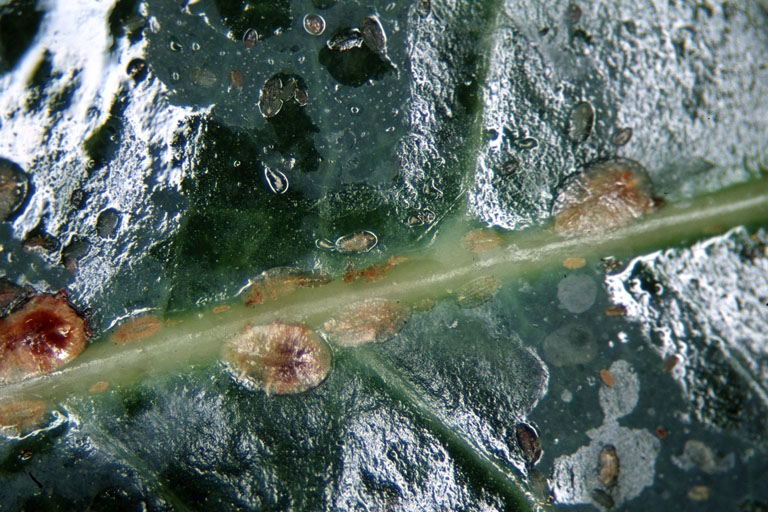
Scale insects are small, oval-shaped pests that appear as bumps on stems and leaves. Sticky leaves due to honeydew secretion are a clear indicator of their infestation.

Damage Caused

These pests sap the plant's energy, resulting in yellowing leaves and potential leaf drop. Their presence can severely affect your rubber tree's vitality.

Treatment Options

Chemical treatments involve systemic insecticides. For an organic approach, try rubbing alcohol on a cotton swab or insecticidal soap to eliminate them.

πŸ› Mealybugs

Identification

Mealybugs present as white, cottony masses found in leaf axils and on stems. Sticky leaves and potential sooty mold growth are common signs of their infestation.

Damage Caused

They weaken the plant and can lead to stunted growth, impacting the overall health of your rubber tree.

Treatment Options

Chemical options include insecticides targeting soft-bodied insects. Organic methods involve neem oil, insecticidal soap, or introducing natural predators like ladybugs.

🐜 Aphids

Identification

Aphids are small, soft-bodied insects that can be green, black, or brown. Look for curling leaves and sticky residue (honeydew) as signs of their activity.

Damage Caused

These pests sap the plant's strength, leading to distorted growth and potential disease transmission. Their rapid reproduction can quickly escalate an infestation.

Treatment Options

Chemical solutions include broad-spectrum insecticides. For organic control, use water sprays to dislodge them, neem oil, or introduce beneficial insects like lacewings.

πŸ¦‹ Whiteflies

Identification

Whiteflies are tiny, white flying insects found on the undersides of leaves. Yellowing leaves and honeydew secretion are common signs of their presence.

Damage Caused

They weaken the plant and can lead to sooty mold, which can further hinder your rubber tree's growth.

Treatment Options

Chemical treatments involve insecticides specifically for whiteflies. Organic alternatives include yellow sticky traps, insecticidal soap, or introducing parasitic wasps.

🦟 Fungus Gnats

Identification

Fungus gnats are small, dark flies often seen flying near the soil. Their larvae can be found in the soil, causing root damage.

Damage Caused

These pests weaken young plants and can lead to root rot, which can be detrimental to your rubber tree's health.

Treatment Options

Chemical solutions include larvicides targeting soil-dwelling larvae. For an organic approach, allow the soil to dry out between waterings or use beneficial nematodes.

🐞 Weevils

Identification

Weevils are small, hard-bodied beetles with elongated snouts. Look for holes in leaves and potential leaf drop as signs of their activity.

Damage Caused

Chewing on leaves can lead to significant damage, affecting the overall appearance and health of your rubber tree.

Treatment Options

Chemical treatments involve insecticides targeting beetles. For organic control, consider handpicking, neem oil, or diatomaceous earth to manage their population.

Understanding these common pests is crucial for maintaining a healthy rubber tree. With the right identification and treatment options, you can keep your plant thriving and pest-free. Next, let’s explore preventative measures to avoid infestations altogether.

Prevention

πŸ›‘οΈ Preventative Measures to Avoid Infestations

Regular inspections are your first line of defense against pests. Check your rubber tree frequently for any early signs of trouble, like discoloration or unusual spots.

Maintaining optimal growing conditions is equally crucial. A healthy plant is less susceptible to pests, so ensure it has the right light, water, and nutrients.

🧼 Plant Hygiene Tips

Keeping your rubber tree clean can significantly reduce pest risks. Wipe down the leaves regularly to remove dust and any potential pests that might be lurking.

Quarantining new plants is a smart move. Before introducing them to your existing collection, give them a couple of weeks to ensure they’re pest-free.

πŸ” Regular Inspection Routines

Establish a routine for checking your plants. Schedule weekly inspections to catch any signs of pests early on.

Documenting changes in plant health or appearance can be incredibly helpful. Keeping a record allows you to track any issues and respond promptly, ensuring your rubber tree remains vibrant and healthy.

General Pest Management

Integrated Pest Management (IPM) Principles for Rubber Tree 🌱

Integrated Pest Management (IPM) is a holistic approach to pest control that emphasizes prevention and minimal intervention. For rubber tree care, IPM combines cultural, biological, and chemical methods to create a balanced ecosystem.

Cultural practices include maintaining optimal growing conditions, such as proper watering and light exposure. Biological methods involve introducing natural predators, like ladybugs or lacewings, to keep pest populations in check. Chemical methods should be used sparingly and only when necessary, focusing on targeted treatments that minimize harm to beneficial insects.

Importance of Early Detection and Intervention πŸ”

Catching infestations early can save your rubber tree from significant damage. Early detection allows for quicker, more effective treatment, reducing the need for harsher chemicals.

To monitor plant health, establish a routine inspection schedule. Look for changes in leaf color, texture, or growth patterns. Keeping a journal of your observations can help you spot trends and potential issues before they escalate.

Distinguishing Between Similar Pests

Tips for Identifying Similar-Looking Pests πŸ•΅οΈβ€β™‚οΈ

Identifying pests can be tricky, especially when they look alike. For instance, aphids and mealybugs may both cause damage, but they have distinct features.

Aphids are typically small and soft-bodied, often green, black, or brown. In contrast, mealybugs present as white, cottony masses, making them easier to spot.

Understanding the life cycles of these pests is crucial. Knowing when they reproduce can help you catch infestations early, preventing more significant damage.

Visual Cues and Characteristics πŸ”

To differentiate between pests, pay attention to specific visual cues.

  • Aphids: Look for tiny, soft bodies and curled leaves. They often leave a sticky residue known as honeydew.

  • Mealybugs: Identify them by their white, waxy coating and the sticky leaves they produce. They often hide in leaf axils and on stems.

Recognizing these characteristics can save your rubber tree from unnecessary stress.

By honing your identification skills, you’ll be better equipped to manage pest problems effectively. This proactive approach not only protects your plant but also enhances your gardening experience.

Next, let's explore effective prevention strategies to keep your rubber tree healthy and pest-free.

⚠️ Safety First

This content is for general information and may contain errors, omissions, or outdated details. It is not medical, veterinary advice, or an endorsement of therapeutic claims.

Always consult a qualified healthcare professional before using any plant as food, medicine, or supplement.

Never eat any plant (or feed one to pets) without confirming its identity with at least two trusted sources.

If you suspect poisoning, call Poison Control (800) 222-1222, the Pet Poison Helpline (800) 213-6680, or your local emergency service immediately.

Spotted an error? Please report it here.

Keep your rubber tree thriving and pest-free 🌿 by using Greg's tailored care tips and pest identification tools to stay one step ahead of any infestations!