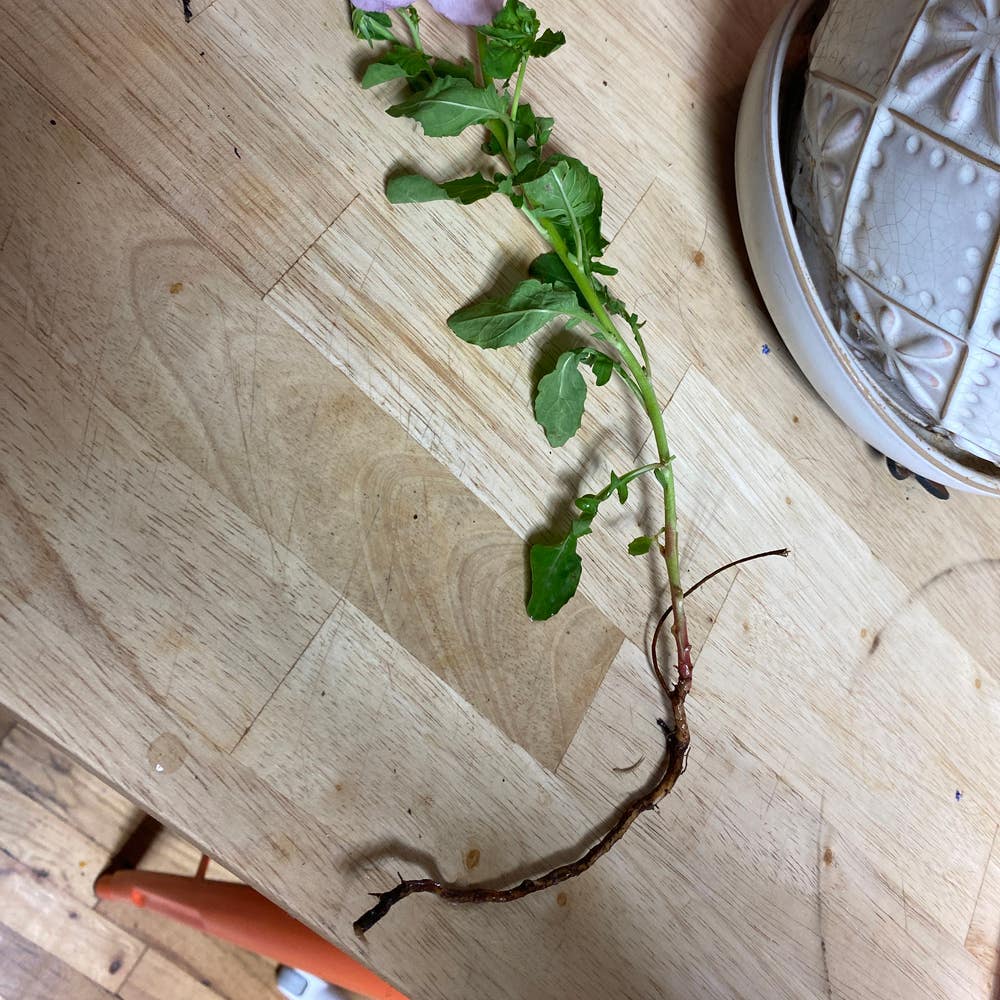
Why Are My Redsepal Evening Primrose Leaves Falling Over?
Oenothera glazioviana
By the Greg Editorial Team
Apr 09, 2024•3 min read
This article was created with the help of AI so we can cover more plants for you. May contain errors. See one? Report it here.
Prevent your primrose's pout 🌿 by mastering the moisture and light balance for perkier leaves!
- Over/underwatering affects leaf posture: aim for moist, not drenched soil.
- Sunlight and temperature matter: find the Goldilocks zone for your Primrose.
- Soil health is key: ensure proper drainage and nutrient-rich, well-draining mix.
When Leaves Lean: Identifying the Culprits
💧 Water Woes
Overwatering can turn your Redsepal Evening Primrose into an aquatic plant wannabe, with leaves that are more slouch than sprout. Check the soil; if it's soggy, it's time for an intervention. Conversely, underwatering leaves your plant looking like it's been on a desert trek. Aim for that moisture sweet spot where the soil feels like a wrung-out sponge—moist, not drenched.
🌞 Light and Temperature Tango
Your plant's leaves can be drama queens when it comes to their Goldilocks zone. Too much sun and they'll crisp up like they're sunbathing without SPF. Not enough, and they'll stretch out, reaching for a light that's just too far away. Keep the temperature steady; think of it as setting the thermostat for a guest who's always a little too hot or too cold.
Soil Secrets Unearthed
The soil is your plant's home, and you wouldn't want your home's foundation to be shaky. Ensure it's not too dense; roots need to breathe, not do a mud run. Drainage is your friend here, and so are nutrients. If your plant's leaves are falling over like they've given up on life, it might be time to check if they're starving for some soil TLC.
Turning the Tide on Tumbling Leaves
💧 Fine-Tuning Your Watering Technique
Adjusting your watering habits is crucial for the health of your Redsepal Evening Primrose. The plant's life rhythm dictates a flexible watering schedule. Less is more during the cool months, and a bit more hydration is needed when it's warmer. Overwatering can lead to root rot, while underwatering will leave your plant wilting.
Before watering, perform the touch test—if the soil feels dry, it's time to water. Use room-temperature water to prevent shocking the roots. Aim for the base to keep the leaves dry, as wet foliage can invite disease.
🌞 Creating the Perfect Plant Paradise
Finding the ideal location for your Primrose is a game of light and shadow. It needs a spot that offers the right balance of sunlight without the risk of scorching. Rotate your plant occasionally to ensure even growth and prevent leaning.
Protect your Primrose from extreme weather by placing it in a spot that shields it from harsh winds and direct, hot sunlight. Consider the use of sheer curtains or blinds to diffuse intense light.
🌱 Soil Solutions for Standing Strong
Aeration and soil amendments can revitalize your plant's roots. Ensure that the soil is not compacted, as this can smother the roots and prevent proper drainage. Incorporate perlite or coarse sand to improve drainage.
The right soil mix can make all the difference. It should be rich in nutrients but also well-draining to avoid waterlogging. Regularly check the soil's moisture and adjust your watering schedule as needed. Remember, a happy plant is one with the perfect balance of water and air in its soil.
⚠️ Safety First
This content is for general information and may contain errors, omissions, or outdated details. It is not medical, veterinary advice, or an endorsement of therapeutic claims.
Always consult a qualified healthcare professional before using any plant as food, medicine, or supplement.
Never eat any plant (or feed one to pets) without confirming its identity with at least two trusted sources.
If you suspect poisoning, call Poison Control (800) 222-1222, the Pet Poison Helpline (800) 213-6680, or your local emergency service immediately.
Spotted an error? Please report it here.
Achieve the ideal moisture and sunlight balance for your Redsepal Evening Primrose, and watch it thrive with Greg's 🌞 personalized care reminders and tips.