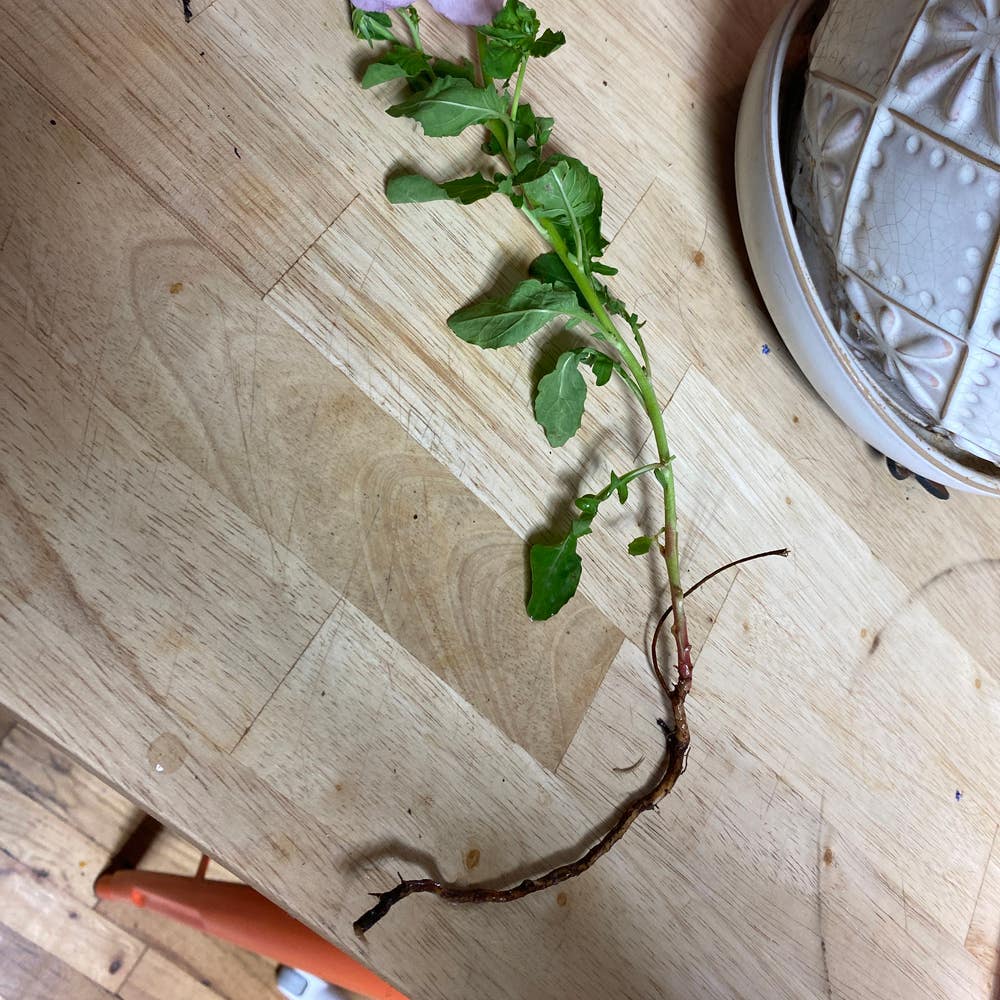
Propagating My Redsepal Evening Primrose: Step-by-Step Guide
Oenothera glazioviana
By the Greg Editorial Team
Apr 09, 2024•3 min read
This article was created with the help of AI so we can cover more plants for you. May contain errors. See one? Report it here.
Multiply your garden's beauty 🌺 by mastering Redsepal Evening Primrose propagation with our step-by-step guide!
- Harvest dry seed pods for successful seed propagation.
- Divide in spring/fall for optimal root development.
- Troubleshoot common issues with patience and care adjustments.
Sowing the Future: Propagating from Seeds
🌱 Collecting Your Primrose Seeds
Harvesting seeds from your Redsepal Evening Primrose is like hitting the jackpot, minus the flashing lights. Wait for the seed pods to dry on the plant, then crack them open to collect the seeds. Be gentle; these tiny dots are the future of your garden.
🌿 Prepping for Success
Before sowing, give your seeds the VIP treatment. Mix equal parts potting soil, coarse sand, and perlite for a well-draining concoction. Sow the seeds on the surface—burying them is a rookie mistake, as they crave light to kickstart germination. A light dusting of vermiculite can keep them cozy and moist.
🌱 Germination Station
Creating the perfect germination environment is like setting up a backstage pass for your seeds. Warmth and moisture are non-negotiable guests. Keep the soil consistently moist but not waterlogged. Once the sprouts appear, gradually remove any cover to introduce them to the real world. Keep the soil moist and provide bright, indirect light as they grow. Remember, no rush—seedlings have their own internal clocks.
Multiplying Magic: Propagating by Division
⏰ Timing is Everything
Spring and early fall are the optimal times for dividing your Redsepal Evening Primrose. This aligns with the plant's growth cycle, increasing the chances of successful root development. Avoid division during blooming or when new leaves are emerging, as the plant is more vulnerable.
✂️ Divide and Conquer
To divide your Evening Primrose, water the plant a couple of days in advance to hydrate the roots. This minimizes stress and damage during the process. With a clean, sharp tool, or your hands if the roots allow, gently separate the root ball into sections. Each division should have a good mix of roots and shoots. Think of it as creating mini versions of the mother plant.
🌱 Transplanting Tips
Replant your divisions at the same depth they were previously growing. Choose a spot with well-draining soil and provide ample water without causing a swamp. Bright, indirect light is your ally here. Keep the soil moist but not waterlogged to prevent root rot. Hold off on fertilizing until the plants are established and show new growth. If pests appear, act swiftly with insecticidal soap or neem oil. Remember, patience is key—give your new primroses time to adapt and grow.
Section
None
Aftercare: Ensuring Propagation Success
🌱 The Right Start for Seedlings and Cuttings
After the thrill of propagation, aftercare is your new focus. For seedlings, gentle watering is key; they're like tiny tots taking their first steps—handle with care. Keep the soil consistently moist, but never soggy.
Bright, indirect sunlight is your seedlings' best friend. It's the sweet spot between a sunburn and a cave-dweller's tan.
🛠 Troubleshooting Common Hiccups
Your plants are now in the real world, and it's not all sunshine and rainbows. Yellowing leaves? Could be overwatering. Dial it back.
Leggy stems? That's a cry for more light. Shuffle them closer to the window, but not too close.
If you spot roots peeking out of drainage holes, it's time for a bigger pot. Think of it as upgrading from a studio apartment to a one-bedroom.
Remember, patience is not just a virtue; it's a requirement. Watch, learn, and adjust. Your green babies will thank you with growth.
⚠️ Safety First
This content is for general information and may contain errors, omissions, or outdated details. It is not medical, veterinary advice, or an endorsement of therapeutic claims.
Always consult a qualified healthcare professional before using any plant as food, medicine, or supplement.
Never eat any plant (or feed one to pets) without confirming its identity with at least two trusted sources.
If you suspect poisoning, call Poison Control (800) 222-1222, the Pet Poison Helpline (800) 213-6680, or your local emergency service immediately.
Spotted an error? Please report it here.
Ensure your Redsepal Evening Primrose propagation is flawless 🌱 with Greg's custom reminders for watering and community advice for any troubleshooting you might need.