Propagating Marble Queen Pothos: The Ultimate Guide
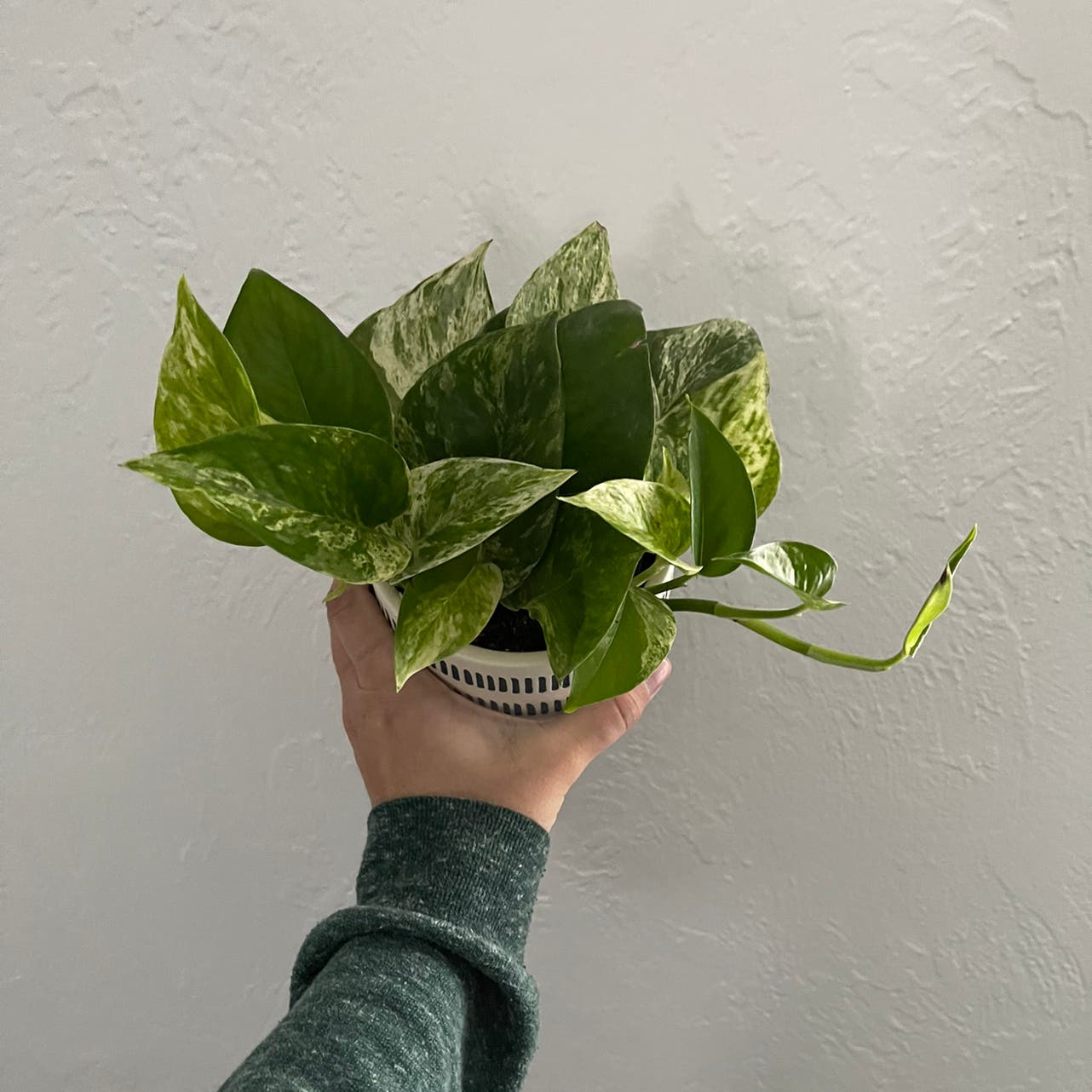
Epipremnum aureum 'Marble Queen'
By the Greg Editorial Team
Jun 15, 2024•10 min read
This article was created with the help of AI so we can cover more plants for you. May contain errors. See one? Report it here.
Propagate your own Marble Queen Pothos 🌿—a lush, cost-effective way to expand your green space! 🌱
- 🌱 Spring and summer best for propagation, but possible year-round indoors.
- Water or soil methods - choose based on preference and conditions.
- Troubleshoot common issues to ensure successful propagation and growth.
Tools and Materials for Propagation
✂️ Essential Tools
To kick off your Marble Queen Pothos propagation, scissors or shears are non-negotiable. Make sure they're as sharp as your wit; blunt tools are a no-go. They should be cleaned, too—think surgery-clean, because we're basically plant surgeons here.
🌱 Rooting Hormone: Yay or Nay?
Next up, rooting hormone. It's the secret sauce, but it's optional. If you're feeling lucky or just love to watch nature do its thing, skip it. If you're all about that success rate, dab a bit on the cut ends.
🏺 The Vessel for New Life
Now, for the container. It could be a jar, a vase, or any transparent vessel that lets you spy on those roots as they emerge. It's like reality TV for plant lovers. If you're going the soil route, grab a pot that's small but dreams big, and a soil mix that's light and airy—think the pothos equivalent of a down comforter.
💧 The Medium: Water or Soil
Water propagators, just fill your chosen container with room temp H2O. Soil enthusiasts, mix peat moss with perlite for a cozy rooting experience. Either way, you're setting the stage for a root growth miracle.
🛍️ The Extras
Finally, consider a moisture meter if you're into gadgets, or just use your finger to check the soil's dampness. Gloves are handy if you want to keep your hands as clean as your conscience. And that's it—you're equipped for propagation domination.

Propagation Methods
💧 Water Propagation
Snip, submerge, and wait—water propagation is that straightforward. Choose a healthy stem with at least one node and a couple of leaves.
- Cut: With clean scissors, make your cut just below a node.
- Submerge: Place the stem in a jar of water, ensuring nodes are underwater but leaves are not.
- Wait: Change the water every few days to prevent mold. In 1-2 months, you'll see roots.
Tip: Keep your water-propagated pothos in indirect sunlight to encourage growth without algae issues.
🌱 Soil Propagation
For those with a bit more patience, soil propagation might be your jam. It's a tad more hands-on, but it pays off with stronger, soil-ready roots.
- Prepare: Mix peat moss with perlite for a well-draining yet moist environment.
- Plant: Dip your cutting's node in rooting hormone (optional but helpful), then plant it in the mix.
- Maintain: Keep the soil consistently moist and cover loosely with plastic to create a greenhouse effect.
Moisture is key: Overwatering is a no-go, but don't let the soil go bone dry either. Balance is the name of the game.
Propagation Timing
🌱 Best Time of Year for Propagation
Spring and summer are the prime seasons for Marble Queen Pothos propagation. These months provide the optimal conditions for quick rooting, thanks to the plant's natural growth cycle. Indoor propagation, however, is a year-round possibility, just ensure your cuttings get plenty of indirect sunlight.
🌿 Choosing Healthy Stems
Vigorous stems are your ticket to propagation success. Look for stems with active growth and at least one node—those little bumps where leaves emerge. A 6-8 inch cutting is ideal, ensuring it has a few nodes for the roots to sprout from. Remember, even a leafless stem can surprise you by sprouting new life once planted.

Care for Propagated Cuttings
Once your Marble Queen Pothos cuttings have roots, it's showtime for their solo debut in the world of soil. Here's how to keep them alive and kicking.
🌞 Light
These babies are like moths to a flame when it comes to light—indirect light, to be precise. Too much sun and they'll fry; too little and they'll sulk. Find that sweet spot where the sun is bright but not burning, and they'll thrive.
🚰 Water
When it comes to hydration, think of your cuttings as teenagers at a dance—eager but awkward. Let the top inch of soil dry out before you give them a drink. Overwatering is the equivalent of an embarrassing parent at the dance; it's well-intentioned but ultimately suffocating.
💦 Humidity
Humidity is the secret handshake of the plant world. Your Marble Queen Pothos cuttings are in on it and prefer the air on the moist side. A pebble tray or a misting session can be the difference between a plant that's surviving and one that's throwing a party.
Transitioning to Soil
When roots are about 2 inches long, it's time to graduate from water to soil. Be gentle—these are young roots, full of dreams. Nestle them in a well-draining mix and keep the soil consistently moist as they acclimate to their new digs.
Monitoring Root Development
Keep an eye on the root growth like a hawk. If you see roots that are brown or mushy, it's an SOS. Healthy roots are like the plant's version of a firm handshake—they're strong, robust, and a sign of good things to come.
Remember, these cuttings are like little plant teenagers—awkward, a bit needy, but full of potential. Give them the right balance of light, water, and humidity, and they'll grow up to be the lush, trailing beauties you're aiming for.
Benefits of Propagation
🌱 Creating New Plants
Cost-effective and personal, propagating Marble Queen Pothos lets you expand your indoor jungle without breaking the bank. Snip a stem, pop it in water, and watch the magic happen. It's like printing your own money, if money were beautiful, leafy, air-purifying treasures.
🎁 Sharing the Love
Propagation turns one plant into many, making it a cinch to share the wealth. Gift a cutting to a friend, and you're not just giving them a plant—you're handing them a new hobby, a piece of your own sanctuary.
🌿 Satisfaction Guaranteed
There's a unique satisfaction in seeing new roots sprout from cuttings you nurtured. It's a green thumb's badge of honor, a testament to your care and connection to the natural world.
📚 Learning and Understanding
Each cutting is a living lesson in botany. Propagating Marble Queen Pothos offers insights into plant growth and development, deepening your understanding of your leafy companions.
🔄 Rejuvenation
Older plants can get leggy and sparse. Propagation lets you rejuvenate your Marble Queen Pothos, encouraging new growth and vitality. It's like a fountain of youth for your foliage.
📏 Space Management
Got a plant that's outgrowing its pot? Propagation to the rescue! Divide and conquer, creating more manageable plant sizes and better space distribution. It's like a home renovation, but for plants.
🌍 Ecological Awareness
By propagating at home, you're doing the environment a solid. You reduce the demand for commercially grown plants, which often come with a hefty carbon footprint. Plus, you're literally growing more air purifiers—how cool is that?
🧪 The Joy of Experimentation
Propagation is a playground for plant enthusiasts. Water or soil? Rooting hormone or not? It's a chance to experiment and find what works best for you and your Marble Queen Pothos. Science fair, but make it green.
Troubleshooting Propagation Issues
When propagating Marble Queen Pothos, 🍂 rotting stems can be a telltale sign of trouble. If the stem feels mushy, you're likely dealing with excess moisture. Trim the affected part and let the cutting air dry before attempting to root again.
🕵️ Identifying Root Rot
Root rot is the bane of propagation. If roots look brown and sludgy, it's time to act. Remove the rotted parts and change the water or soil to prevent further damage.
🌱 Dealing with Slow Root Development
Patience is key, but if roots are taking their sweet time, ensure your cuttings are in warm conditions with indirect light. Cold temps are root growth's nemesis.
🍂 Yellowing Leaves and Leaf Drop
Yellow leaves could mean too much sun or nutrient deficiency. Dial back the light and consider a diluted fertilizer. Dropping leaves? Check your watering habits—overwatering is often the culprit.
🎨 Loss of Variegation
If your propagated pothos starts to revert to green, it's craving more light. Variegation needs sunlight to maintain its stunning contrast.
🛡️ Preventing Infection
Use sterilized scissors for cutting to avoid introducing pathogens. A clean cut is less likely to invite unwanted guests like bacteria and fungi.
Remember, propagation is as much an art as it is a science. Keep experimenting, and don't let setbacks dampen your green-thumbed enthusiasm.
Potting Propagated Cuttings
After your Marble Queen Pothos cuttings have sprouted healthy roots, it's time to give them a more permanent home. Here's how to pot them up like a pro.
🌱 Selecting the Right Pot
Choose a pot with a drainage hole to prevent waterlogging—a death sentence for tender roots. A small pot is ideal, as a large one could lead to overwatering and root rot. Think snug, not spacious.
🌿 Potting Mix
Use a well-draining potting mix. A blend of peat, perlite, and orchid bark will do wonders. It's like a comfy bed for roots—airy and just moist enough.
🏡 Potting Process
Gently place the cutting in the pot and cover the roots with soil. Firm the soil around the stem to stabilize the plant, but don't compact it—roots need to breathe.
🌞 Acclimation
Bright, indirect light is your cutting's best friend at this stage. Direct sun is a no-go—it's like throwing a newbie into the deep end without floaties.
💧 Watering
Water the soil just enough to settle it around the roots. Then, ease up. Overenthusiastic watering is the fast track to root rot. Treat it like a mature plant, letting the soil dry out between waterings.
🕰 Patience is Key
Resist the urge to tug at the plant to check for root growth. Remember, good things come to those who wait. And in this case, waiting means a lush, variegated pothos that's worth the suspense.
Growth and Maintenance of Propagated Plants
After your Marble Queen Pothos cuttings have taken root, it's time to shift gears from propagation to maintenance. This is where your green thumb gets to shine, ensuring those variegated beauties thrive.
💧 Watering
Consistency is key when it comes to watering your newly propagated plants. Wait until the top 2-3 inches of soil are dry before giving them a drink. Overwatering is a no-go; soggy roots spell disaster for your pothos.
🌱 Fertilization
While not a diva for nutrients, your Marble Queen will appreciate a boost during the growing season. Fertilize monthly with a balanced liquid fertilizer in spring and summer. Skip the extra food in the cooler months when growth slows down.
✂️ Pruning
Don't shy away from snipping. Pruning encourages fuller growth and keeps your plant looking lush. If you notice any leggy vines, it's time to give them a trim. Remember, those cuttings can start the propagation cycle anew.
🌞 Light and Environment
Your pothos craves bright, indirect light. Too much sun can bleach those stunning leaves, while too little light can diminish the variegation. Aim for that sweet spot with a well-lit room without direct sunlight.
🐜 Pest Control
Keep an eye out for uninvited guests like mealybugs or spider mites. Regular inspections and a quick response can prevent a full-blown infestation. If pests show up, show them out with a gentle insecticidal soap.
💦 Humidity and Temperature
Marble Queen Pothos enjoys a bit of humidity, so aim for that 40% to 60% range. Temperature-wise, keep it cozy between 65 to 85 degrees Fahrenheit. Avoid drafts and sudden temperature changes to keep your pothos happy.
🎨 Variegation Vigilance
To maintain that striking variegation, don't let your plant get too comfortable. If the white starts to fade, it's a sign to adjust the light. Too much green and not enough white? Your pothos might be craving more light.
By staying on top of these care elements, your propagated Marble Queen Pothos will not only survive but flourish. And let's be real, there's nothing quite like the satisfaction of nurturing a cutting into a full-grown, variegated spectacle.
⚠️ Safety First
This content is for general information and may contain errors, omissions, or outdated details. It is not medical, veterinary advice, or an endorsement of therapeutic claims.
Always consult a qualified healthcare professional before using any plant as food, medicine, or supplement.
Never eat any plant (or feed one to pets) without confirming its identity with at least two trusted sources.
If you suspect poisoning, call Poison Control (800) 222-1222, the Pet Poison Helpline (800) 213-6680, or your local emergency service immediately.
Spotted an error? Please report it here.
Propagate your Marble Queen Pothos 🌿 with Greg's tailored reminders, turning cuttings into lush plants with ease and joy!


