Propagating My Lithops optica: Step-by-Step Guide
Lithops optica
By the Greg Editorial Team
Apr 08, 2024•5 min read
This article was created with the help of AI so we can cover more plants for you. May contain errors. See one? Report it here.
- Division vs. Seeds: Quick cloning or growth from scratch.
- Sterilize and Prepare: Use well-draining soil, proper light, and stable temperatures.
- Consistent Care: Overcome pests and root rot with the right measures.
Picking Your Propagation Path
🌱 Choosing Between Division and Seeds
In the realm of Lithops optica propagation, your choice boils down to division or seeds. Division is the go-to for a quick clone of your current plant, ideal when you have mature clusters ready to be separated. It's the express lane to more lithops. Opt for seeds if you're in it for the long haul, ready to witness the full cycle from tiny speck to stone-like succulent. Seeds are a gamble, but they can pay off with unique variations and the satisfaction of growth from scratch.
🌿 Preparing Your Propagation Station
Before diving into propagation, set the stage for success. Sterilize your tools to ward off unwanted microbial guests. Choose a well-draining soil mix, crucial for preventing the dreaded root rot. Ensure your pots are small but mighty, with enough room for growth yet cozy enough to encourage it. Lighting should mimic the soft glow of a desert dawn, while humidity starts high then tapers off, like a receding tide. Keep temperatures steady, avoiding the shock of a sudden chill. Now, with your station prepped, you're ready to embark on the propagation journey.
The Division Dance: A Step-by-Step Guide
💣 Splitting Up the Party
Unpot your Lithops optica with care, as if defusing a bomb. Shake off the excess soil to expose the roots and the plant's natural lines of fracture. If they're playing coy, use a sterilized knife to separate the clusters. Ensure each new plant has its own roots.
Post-Division Care
Once separated, pot each Lithops into its own space with a well-draining mix. Water sparingly, like you're rationing water in a desert. Bright, indirect light is their jam. Watch for signs of distress and be ready to adjust their care. Remember, each division is a mini Lithops optica waiting to flourish.
Sowing Success: Seed Propagation Steps
🌱 From Pod to Potting Mix
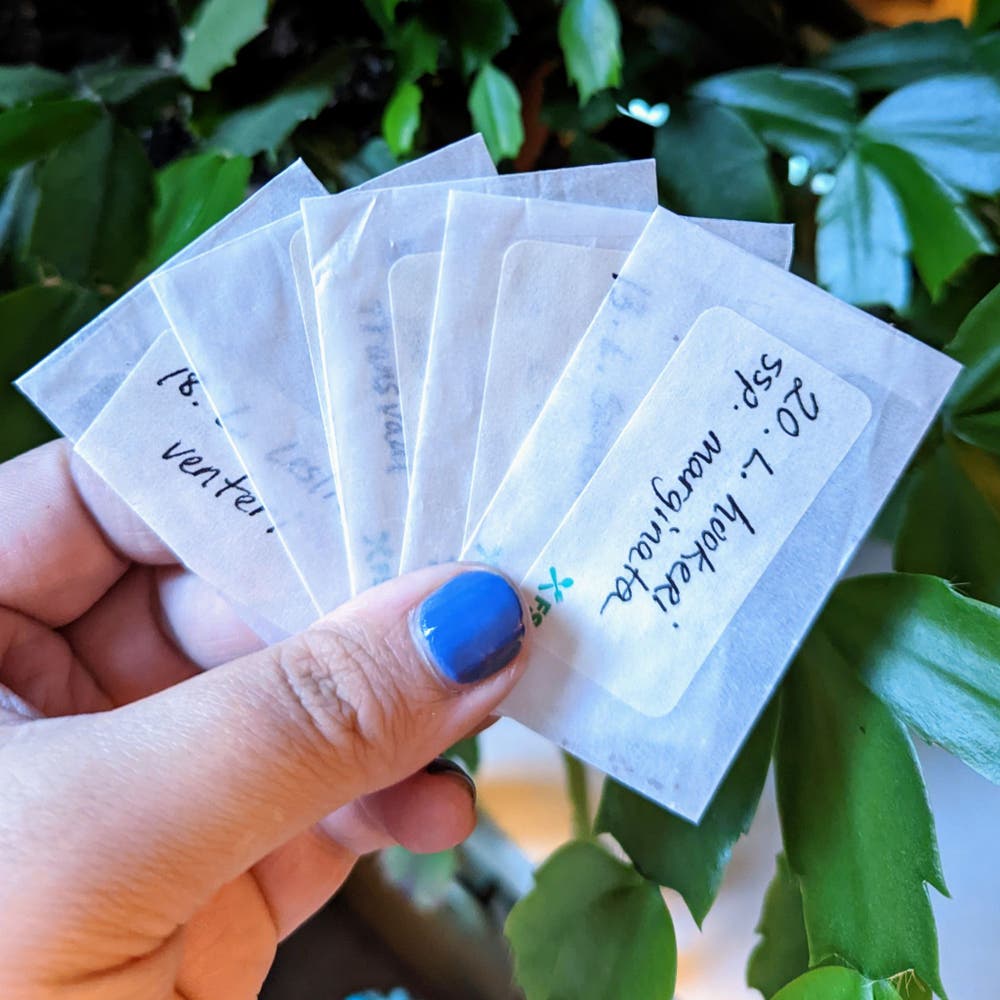
Harvesting Lithops optica seeds is a game of timing. Wait for the fruit to dry on the plant, then collect the seeds with the precision of a surgeon. You'll want to ensure they're free from any plant debris—cleanliness isn't just next to godliness; it's essential for preventing fungal issues. Mix your potting medium with equal parts potting soil, coarse sand, and perlite to create a well-draining paradise for your future seedlings.
🌱 Germination Game Plan
Creating the perfect germination conditions is like setting up a backstage for a rock concert; every detail matters. Sow the seeds on the surface of your soil mix—they need light to kickstart their life, so don't bury them. Mist them with the gentleness of a butterfly's wingbeat to keep the soil moist without causing a seed tsunami. Cover the pots with clear plastic to maintain a humid microclimate, but don't let things get swampy. Patience is your new best friend—germination is a marathon, not a sprint. Once you see those green shoots, it's time to slowly introduce them to the less humid air, like easing into a cold pool on a hot day.
Overcoming Propagation Pitfalls
🌵 Common Hiccups and How to Handle Them
In the delicate dance of Lithops optica propagation, missteps can occur. Temperature consistency is crucial; fluctuations can shock your plant babies. Keep the environment stable, like your favorite comfort food – reliable and satisfying.
🛠 Quick Fixes for Common Issues
Pests are the uninvited guests at your propagation party. If mealybugs, aphids, or thrips crash it, show them the door with insecticidal soap or neem oil. Lighting needs are precise – too much and your Lithops will crisp, too little and they'll stretch like they're in a yoga class. Aim for that perfect balance of brightness.
Root rot is a silent killer, sneaking up like a ninja. Prevent it by ensuring your soil drains well and you're not overwatering. If rot strikes, perform plant surgery – cut above the rot and repot in drier conditions.
🧼 Sterilization and Patience
Sterilization is your shield; clean your tools to prevent introducing diseases. And remember, patience is key. Roots grow at their own pace, and rushing them is as effective as yelling at paint to dry.
Keeping Your Cool with Troublesome Trends
When propagation problems persist, it's time for a strategy shift. Document everything – it's like having a map in a maze. Patterns will emerge, guiding you to better practices.
🎯 Long-term Strategies
If you're facing continuous issues, reassess your approach. Sometimes, starting over with the lessons learned is the best course of action. Keep tweaking the conditions and give your plants the time they need to recover.
Fungal infections love a damp party. Ensure good airflow and moderate humidity to keep them at bay. If your seedlings are doing the limbo and keep falling over, it's likely damping off – keep the soil damp, not wet, and provide gentle warmth.
Remember, each challenge is a lesson in disguise. Embrace the trials and errors; they're the stepping stones to your propagation prowess.
⚠️ Safety First
This content is for general information and may contain errors, omissions, or outdated details. It is not medical, veterinary advice, or an endorsement of therapeutic claims.
Always consult a qualified healthcare professional before using any plant as food, medicine, or supplement.
Never eat any plant (or feed one to pets) without confirming its identity with at least two trusted sources.
If you suspect poisoning, call Poison Control (800) 222-1222, the Pet Poison Helpline (800) 213-6680, or your local emergency service immediately.
Spotted an error? Please report it here.
Ensure your Lithops optica seeds sprout 🌱 by leveraging Greg's environmental tracking and custom care reminders from this propagation guide!