Propagating My Lithops optica 'Rubra': Step-by-Step Guide
Lithops optica 'Rubra'
By the Greg Editorial Team
Jun 18, 2024•5 min read
This article was created with the help of AI so we can cover more plants for you. May contain errors. See one? Report it here.
Propagate your 'living stone' 🪴 with ease using this fail-proof guide to multiplying Lithops optica 'Rubra'.
- Division propagation: Separate clusters gently, ensuring each has roots.
- Seed sowing: Mix soil with sand, cover seeds lightly, maintain humidity.
- Grafting technique: Clean cuts, snug fit, protect and monitor aftercare.
Step-by-Step Division Propagation
🔍 Identifying Division-Ready Clusters
To spot division-ready clusters of Lithops optica 'Rubra', look for plants that have naturally formed clusters or offsets. These are your green light for division.
✂️ The Division Process
Unpot your Lithops carefully, shaking off excess soil to reveal the root system. Use a sterilized knife to separate the clusters, ensuring each new plant has its own roots.
🌱 Post-Division Care
After division, plant each Lithops in its own container with a well-draining soil mix. Water sparingly and provide bright, indirect light to encourage root establishment.

Sowing the Future: Seed Propagation
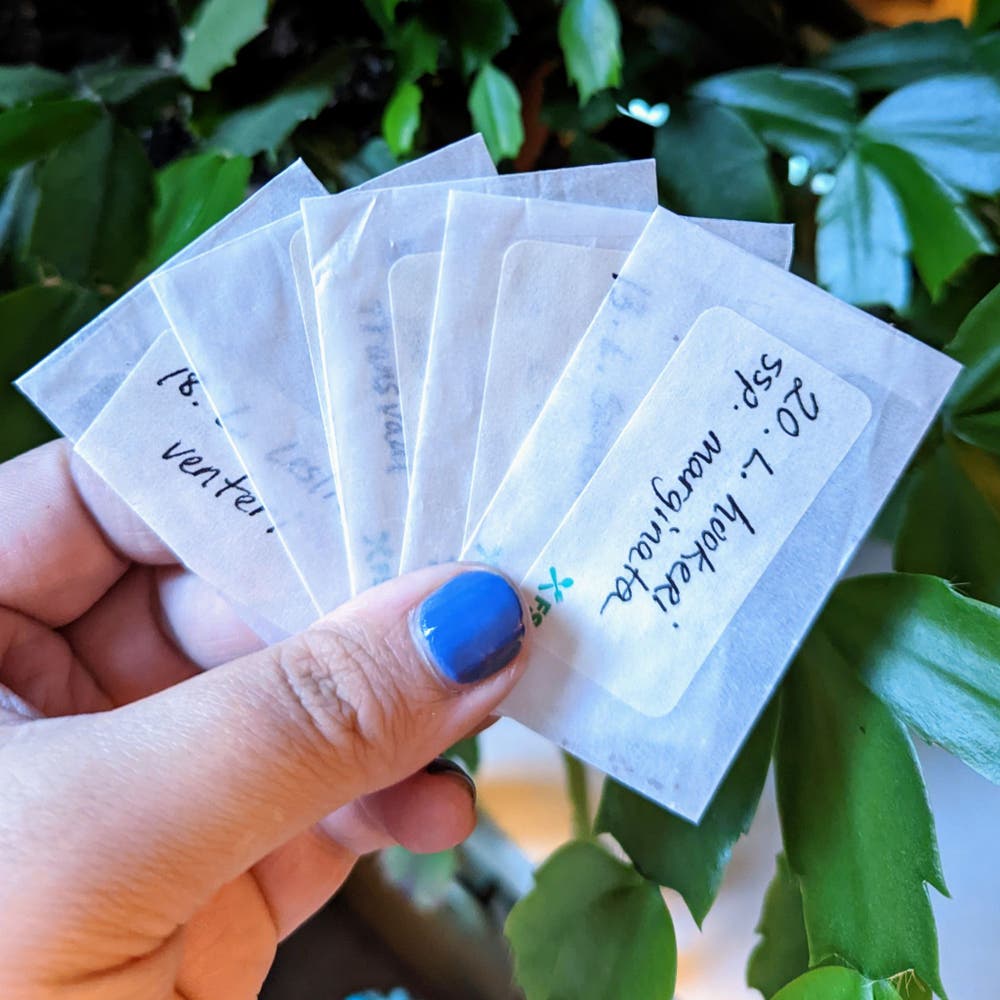
🌱 Collecting and Preparing Seeds
Harvesting your Lithops optica 'Rubra' seeds is a delicate dance. Timing is everything; wait for the flowers to fade and the seed pods to mature. Gently tap out the seeds onto a clean surface. Sterilization of your potting mix is a must to prevent a tragic seedling demise from soil-borne pathogens. Microwave your soil mix for a couple of minutes and let it cool before sowing—think of it as a microbial eviction notice.
🌱 The Sowing Process
Sowing Lithops seeds is like sprinkling a pinch of future across the soil. Mix your sterilized soil with sand and perlite for a well-draining bed, then broadcast the seeds on top. A light dusting of soil over them is the blanket they need. Moisture is their lifeline, but too much is a death sentence. Aim for consistently damp, not a swamp.
🌱 Germination and Early Seedling Care
Germination is the plant equivalent of a moon landing—a small step that's a giant leap for plant-kind. Create a mini greenhouse with a plastic cover to maintain humidity. Once they sprout, introduce them to the world gradually. Begin with soft lighting, then slowly increase to full sun to avoid a botanical sunburn. Watering should be a gentle affair; let the soil's top inch dry out before the next watering. Keep the faith—these living stones test your patience but reward you with growth.

Grafting for Growth
🌱 Choosing Your Graft
In the world of Lithops optica 'Rubra', not all rootstocks are created equal. Compatibility is the cornerstone of a successful graft. Stick to the family tree – closely related species or even the same species ensure the best shot at a thriving union. Think of it as a botanical bloodline; the closer the kin, the better the graft. Remember, a mismatched pair is about as useful as a screen door on a submarine.
🛠️ The Grafting Technique
Grafting is like surgery – precision is paramount. Start with a clean cut on both the scion and the rootstock. Think of it as a puzzle; the pieces must fit snugly. A cleft graft is your go-to move here, simple yet effective. It's like a handshake between the scion and rootstock – firm and aligned. Secure the bond with grafting tape, but don't strangle them. The goal is to hold them together, not cut off circulation.
🌿 Grafting Aftercare
Post-graft, it's all about the TLC. Protection from the elements is key. A cozy spot with indirect light and a stable temperature sets the stage for success. Keep the graft joint as dry as a good martini – moisture is the enemy here. Patience is the name of the game; give the graft time to heal and bond. It's like waiting for dough to rise – no peeking, no poking, just let it do its thing.

Troubleshooting Propagation Pitfalls
🌱 Division Difficulties
🍝 Root Rot Ruckus
Root rot is the bane of many propagation attempts. If your Lithops optica 'Rubra' has roots that resemble overcooked spaghetti, it's time to act. Trim the dead weight and let the survivors dry before replanting in a well-draining mix. Remember, water with care, not with a heavy hand.
🧬 Cloning Conundrums
When splitting your Lithops, you might find the "mini-me" offsets are too eager to stay attached. Gentle separation is key—think surgical precision, not brute force. Each piece needs a good chunk of root to stand a chance.
🌱 Seed Sowing Snags
🌱 Germination Guesswork
Seeds can be finicky; they're the introverts of the plant world. If they're not sprouting, consider whether they're too cozy—depth matters. They need a light cover, not a burial. And keep the soil moist, not drenched.
🌱 Seedling Swoon
Your seedlings might be falling over like fainting fans at a rock concert. This could be a sign of "damping off," a fungal fan club you didn't invite. Airflow is your security guard here. Keep things breezy and clean to prevent unwanted backstage guests.
🌱 Grafting Glitches
💔 Union Unhappiness
Grafting is like a plant marriage; sometimes, it doesn't take. If your Lithops graft isn't sticking, check the cut—it should be clean, like a samurai's sword strike. And keep them snug; think firm handshake, not a suffocating hug.
🌿 Aftercare Anxiety
Post-graft, your plant is vulnerable. It needs the right balance of hydration and humidity—like a spa day, not a swim meet. Watch for wilting or discoloration, signs your plant is stressing out more than a college student during finals.
⚠️ Safety First
This content is for general information and may contain errors, omissions, or outdated details. It is not medical, veterinary advice, or an endorsement of therapeutic claims.
Always consult a qualified healthcare professional before using any plant as food, medicine, or supplement.
Never eat any plant (or feed one to pets) without confirming its identity with at least two trusted sources.
If you suspect poisoning, call Poison Control (800) 222-1222, the Pet Poison Helpline (800) 213-6680, or your local emergency service immediately.
Spotted an error? Please report it here.
Achieve propagation perfection 🌵 with your Lithops optica 'Rubra' using Greg's tailored reminders and care tips for each crucial step!