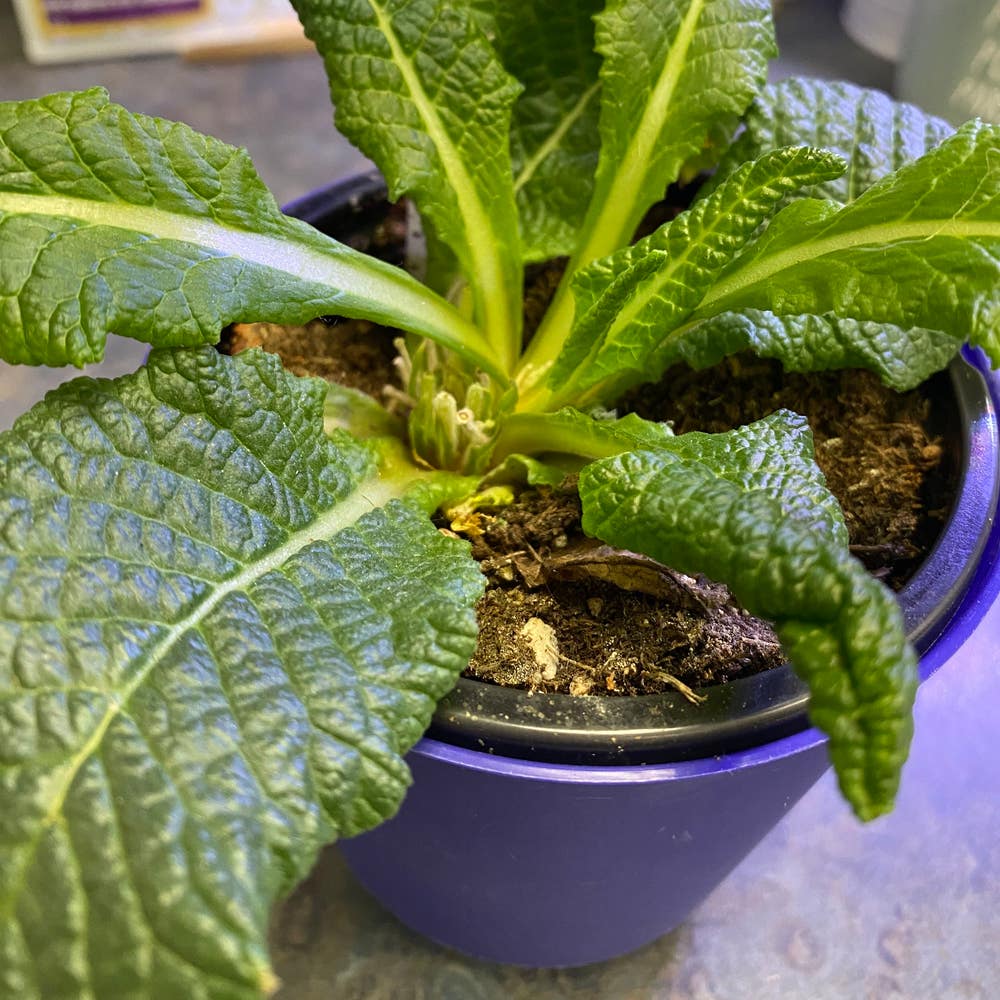
All About Primula tsaiana: Essential Facts 🌸
Primula tsaiana
By the Greg Editorial Team
Jan 31, 2025•11 min read
This article was created with the help of AI so we can cover more plants for you. May contain errors. See one? Report it here.
Elevate your garden's charm with Primula tsaiana, the perfect splash of color for shaded spots! 🌼
- 🌱 Primula tsaiana thrives in partial shade and cooler climates, perfect for shadier gardens.
- ❄️ Frost-tolerant and low-maintenance, it flourishes in chillier weather with proper care.
- 🌼 Encourage blooming by deadheading flowers and using balanced fertilizer every 4-6 weeks.
How to Grow
🌳 Choosing a Location
Primula tsaiana thrives in partial shade, making it an excellent choice for those shadier spots in your garden. It prefers cooler climates and is frost-tolerant, so you can enjoy its beauty even in chillier weather.
Moderate humidity levels are ideal for this plant, ensuring it remains healthy and vibrant. Finding the right balance in your garden's microclimate will set the stage for successful growth.
🌱 Soil Preparation
For optimal growth, Primula tsaiana requires moist, well-drained soil. Aim for a slightly acidic to neutral pH level, ideally between 6.0 and 7.0, to create the perfect environment for your plants.
Incorporating organic matter into the soil is crucial. It enhances soil fertility and drainage, providing your plants with the nutrients they need to flourish.
🌼 Planting Techniques
When planting, space your Primula tsaiana 12-18 inches apart to allow for optimal growth. This spacing helps prevent overcrowding and ensures each plant has enough room to thrive.
Plant at the same depth as in the nursery pot. This simple technique helps maintain the plant's health and encourages robust growth.
💧 Watering Requirements
Keep the soil consistently moist but avoid waterlogging. Regular watering is essential, especially during dry spells, to keep your Primula tsaiana happy.
Watering at the base of the plant is the best method. This approach helps prevent leaf rot, ensuring your plants stay healthy and vibrant.
🌿 Fertilizing
Use a balanced, slow-release fertilizer to provide your Primula tsaiana with the nutrients it needs. This type of fertilizer supports steady growth without overwhelming the plants.
Fertilize every 4-6 weeks during the growing season. This schedule will keep your plants nourished and ready to produce those stunning blooms.
✂️ Pruning and Ongoing Care
Deadheading is an important practice for encouraging new blooms. Regularly remove spent flowers to promote continuous flowering throughout the season.
Additionally, trim any dead or damaged leaves. This maintenance not only improves the plant's appearance but also promotes overall health and vigor.
With these tips, you'll be well on your way to cultivating a thriving garden filled with beautiful Primula tsaiana. Next, let’s explore how to propagate this lovely plant for even more blooms!
Propagation
🌱 Seed Propagation
To propagate Primula tsaiana from seeds, start by sowing them on the surface of moist soil. The ideal time for this is late winter to early spring, ensuring optimal germination conditions.
✂️ Division of Established Plants
Dividing established plants is another effective propagation method. Aim to do this every 2-3 years, preferably in early spring or fall, to keep your plants healthy and thriving.
When dividing, carefully separate the roots and replant them in new locations. This not only helps manage plant size but also encourages vigorous growth in both the parent and new plants.
With these propagation techniques, you can easily expand your Primula tsaiana collection while maintaining the health of your garden. Next, let’s explore the lifecycle of this beautiful plant and how it develops over time.
Lifecycle
🌱 Lifecycle Stages
Primula tsaiana begins its journey as a seed, quietly waiting for the right conditions to sprout. Once germination occurs, it transitions into the seedling stage, where it starts to develop its first leaves and roots.
As the plant matures, it enters the vegetative growth phase, focusing on building a robust structure. In spring, it bursts into life, producing its signature bright yellow flowers, which are a delight to behold.
After flowering, the plant shifts its energy towards seed production, ensuring the continuation of its lifecycle. This natural progression showcases the resilience and beauty of Primula tsaiana.
⏳ Growth Timeline
The time to maturity for Primula tsaiana is approximately 1-2 years, depending on environmental factors. Its moderate growth rate can be influenced by light, soil quality, and moisture levels, making care practices crucial for optimal development.
Understanding this lifecycle not only enhances your gardening skills but also deepens your appreciation for this remarkable plant. With the right conditions, you can witness the full beauty of Primula tsaiana unfold in your garden.
Size
Mature Height and Spread 🌱
Primula tsaiana typically reaches an average height of 12-18 inches and can spread between 12-24 inches wide. This compact size makes it an excellent choice for borders or as a focal point in shaded garden areas.
Growth Rate and Factors Affecting Size 📈
The growth rate of Primula tsaiana is moderate and can be influenced by several factors. Key elements include light exposure, soil quality, and moisture levels, all of which play a crucial role in determining how robust and healthy your plants will be.
Size Variability Based on Growing Conditions 🌍
It's important to note that the size of Primula tsaiana can vary significantly based on environmental conditions and care practices. Factors such as temperature fluctuations, humidity, and nutrient availability can lead to differences in growth, making each plant unique in its development.
As you cultivate this beautiful flower, remember that providing optimal conditions will help it thrive and reach its full potential. Next, let’s explore the fascinating root system of Primula tsaiana and how it contributes to the plant's overall health.
Roots
🌱 Root System Characteristics
Primula tsaiana features a fibrous root system that is both shallow and extensive. This design allows the plant to efficiently absorb nutrients from the upper layers of the soil.
⚠️ Common Root-Related Issues
One common problem is root rot, which occurs due to overwatering. Symptoms include mushy roots that can lead to plant decline.
Another issue is being rootbound, where the roots become cramped in their pot. Signs of this condition include stunted growth and roots circling around the pot's edges.
👀 Visual Cues for Healthy vs. Unhealthy Roots
Healthy roots are typically firm and white, indicating good vitality. In contrast, unhealthy roots appear brown and mushy, often signaling root rot or rootbound conditions.
By keeping an eye on these root characteristics, you can ensure your Primula tsaiana remains healthy and vibrant. Proper root care is essential for the overall well-being of your plant, setting the stage for beautiful blooms and robust growth.
Next, let’s explore the numerous benefits of cultivating this delightful plant in your garden.
Benefits
Aesthetic Appeal 🌼
Primula tsaiana is a stunning addition to any garden, boasting bright yellow flowers that bring a splash of color to shaded areas. Their vibrant blooms not only catch the eye but also create a cheerful atmosphere.
Ecological Benefits 🌍
These plants are more than just pretty faces; they play a crucial role in the ecosystem. By attracting pollinators like bees and butterflies, Primula tsaiana supports local biodiversity and contributes to a healthier environment.
Erosion Control 🌱
With their robust root systems, Primula tsaiana helps stabilize soil, making them excellent for erosion control. This is particularly beneficial in gardens prone to soil washout, ensuring your landscape remains intact.
Medicinal Uses 🌿
Traditionally, Primula tsaiana has been utilized in herbal remedies. Its leaves and flowers have been known to provide various health benefits, showcasing the plant's versatility beyond mere decoration.
Cultural Significance 🎉
In many cultures, Primula tsaiana symbolizes renewal and resilience. Its ability to thrive in challenging conditions resonates with themes of hope and perseverance, making it a meaningful addition to any garden.
These benefits make Primula tsaiana not just a beautiful plant, but also a valuable one for both the environment and cultural heritage. As we move forward, let’s explore how to propagate this remarkable plant for your garden.
Companion Plants
🌱 Explanation of Companion Planting Benefits
Companion planting is a fantastic way to enhance your garden's diversity and improve pest management. By strategically placing plants together, you can create a more resilient ecosystem that supports healthy growth.
🌿 List of Compatible Companion Plants
Primula tsaiana thrives alongside a variety of shade-loving plants. Consider pairing it with:
- Hostas: These leafy beauties share similar moisture and light requirements.
- Ferns: Their lush foliage complements Primula while enjoying the same partial shade.
- Other shade-loving plants: Look for companions that can tolerate similar conditions.
These plants not only share care needs but also help repel pests, creating a harmonious garden environment.
🚫 Plants to Avoid Near
While companion planting can be beneficial, it's essential to avoid heavy feeders near Primula tsaiana. These plants can compete for nutrients, potentially stunting growth and reducing overall health. Keep an eye out for plants that demand more resources than Primula can provide, ensuring a thriving garden for all your green companions.
As you plan your garden, think about how these companion plants can work together. This approach not only fosters a vibrant ecosystem but also simplifies your gardening routine. Next, let’s explore the potential toxicity of Primula tsaiana to humans and pets.
Toxicity to Humans
Potential for Irritation 🌿
Primula tsaiana can cause irritation, particularly from its leaves and flowers. Symptoms may include skin rashes, itching, and mild gastrointestinal upset if ingested.
How Irritation Can Occur ⚠️
Irritation typically arises from skin contact with the plant's sap or pollen. Ingesting any part of the plant can also lead to discomfort.
Guidance on Handling and When to Seek Medical Care 🩺
Most irritations are self-limiting and resolve without intervention. However, if symptoms persist or worsen, it's advisable to seek medical care for further evaluation.
Understanding these potential irritations can help you enjoy your Primula tsaiana while minimizing any risks. Now, let’s explore how this plant interacts with our furry friends, particularly dogs.
Toxicity to Dogs
Safety Around Dogs 🐶
Primula tsaiana is considered non-toxic to dogs, according to major organizations. However, if consumed in large quantities, it may cause mild gastrointestinal upset.
Tips for Introducing in Homes with Dogs 🏡
To keep your furry friends safe, place Primula tsaiana out of reach of curious dogs. It's also wise to monitor their behavior around the plant for any unusual reactions, ensuring a harmonious home environment.
With these precautions, you can enjoy the beauty of Primula tsaiana without worry. Next, let’s explore how this plant interacts with our feline companions.
Toxicity to Cats
🐱 Safety Around Cats
Primula tsaiana is considered non-toxic to cats, according to major organizations. However, if consumed in large amounts, it may cause mild gastrointestinal upset.
🏠 Tips for Introducing in Homes with Cats
When bringing Primula tsaiana into your home, place it in areas that are less accessible to your feline friends.
Keep an eye on your cat's behavior to catch any unusual reactions early on. This way, you can ensure a harmonious coexistence with your new plant.
With the right precautions, you can enjoy the beauty of Primula tsaiana without worrying about your furry companions.
Problems
Common Problems Faced 🌱
Growing Primula tsaiana can be rewarding, but it’s not without its challenges. Here are some common issues you might encounter.
Incorrect Watering 🚰
Watering is crucial for your plant's health. Overwatering can lead to root rot, while underwatering will cause wilting and stress.
Incorrect Light Conditions 💡
Light plays a significant role in growth. Insufficient light can result in leggy growth, making your plant look weak and stretched.
Diseases 🦠
Fungal diseases can be a real headache. Look out for issues like powdery mildew and blight, which can spread quickly if not addressed.
Leaf Issues 🍃
Environmental stress can manifest in leaf problems. Yellowing or scorching leaves often indicate that your Primula tsaiana is unhappy with its conditions.
Growth Problems 📉
Finally, keep an eye on growth patterns. Stunted growth or leaning plants may signal poor conditions that need to be corrected.
By staying vigilant and addressing these common problems, you can ensure your Primula tsaiana thrives in your garden. Next, let’s explore the potential pests that could disrupt your plant's health.
Bugs
🐛 Potential Pest Issues
Primula tsaiana is generally resilient against pests, but it can still fall victim to a few common nuisances. Keeping an eye out for these pests is crucial to maintaining the health of your plants.
🔍 Identification and Treatment of Relevant Pests
Spider Mites
Look for fine webbing and stippled leaves, which are telltale signs of spider mites. Treat these pests effectively with insecticidal soap to eliminate them.
Mealybugs
These pests appear as cotton-like masses on leaves. You can remove them by hand or apply neem oil for a more thorough treatment.
Aphids
Aphids are small green insects that can wreak havoc on your plants. Control their population using insecticidal soap or introduce ladybugs, which are natural predators.
By staying vigilant and addressing pest issues promptly, you can ensure your Primula tsaiana thrives beautifully in your garden. Next, let’s explore the common problems that may arise while caring for this lovely plant.
What Eats
🦌 Common Animals That May Damage
Primula tsaiana can attract a few hungry visitors. Deer are notorious for munching on the leaves and stems, leaving behind telltale signs of their feasting.
Rabbits also enjoy nibbling on the lower leaves, while squirrels may dig around the base of the plant, causing further disruption.
👀 Signs of Animal Presence and Damage
Keep an eye out for signs of animal activity. Missing leaves and chewed stems are clear indicators that your Primula is being targeted.
Additionally, disturbed soil around the base can signal that critters are making themselves at home in your garden.
🚫 Deterrent Methods
To protect your plants, consider using chemical control methods like repellents or sprays. These can help keep unwanted visitors at bay.
For a more natural approach, plant barriers or companion plants can deter pests effectively. This way, you can maintain a thriving garden while minimizing damage from hungry animals.
⚠️ Safety First
This content is for general information and may contain errors, omissions, or outdated details. It is not medical, veterinary advice, or an endorsement of therapeutic claims.
Always consult a qualified healthcare professional before using any plant as food, medicine, or supplement.
Never eat any plant (or feed one to pets) without confirming its identity with at least two trusted sources.
If you suspect poisoning, call Poison Control (800) 222-1222, the Pet Poison Helpline (800) 213-6680, or your local emergency service immediately.
Spotted an error? Please report it here.
Nurture your Primula tsaiana to thrive in shady spots 🌿 with Greg's personalized care tips and watering reminders, ensuring vibrant blooms season after season!