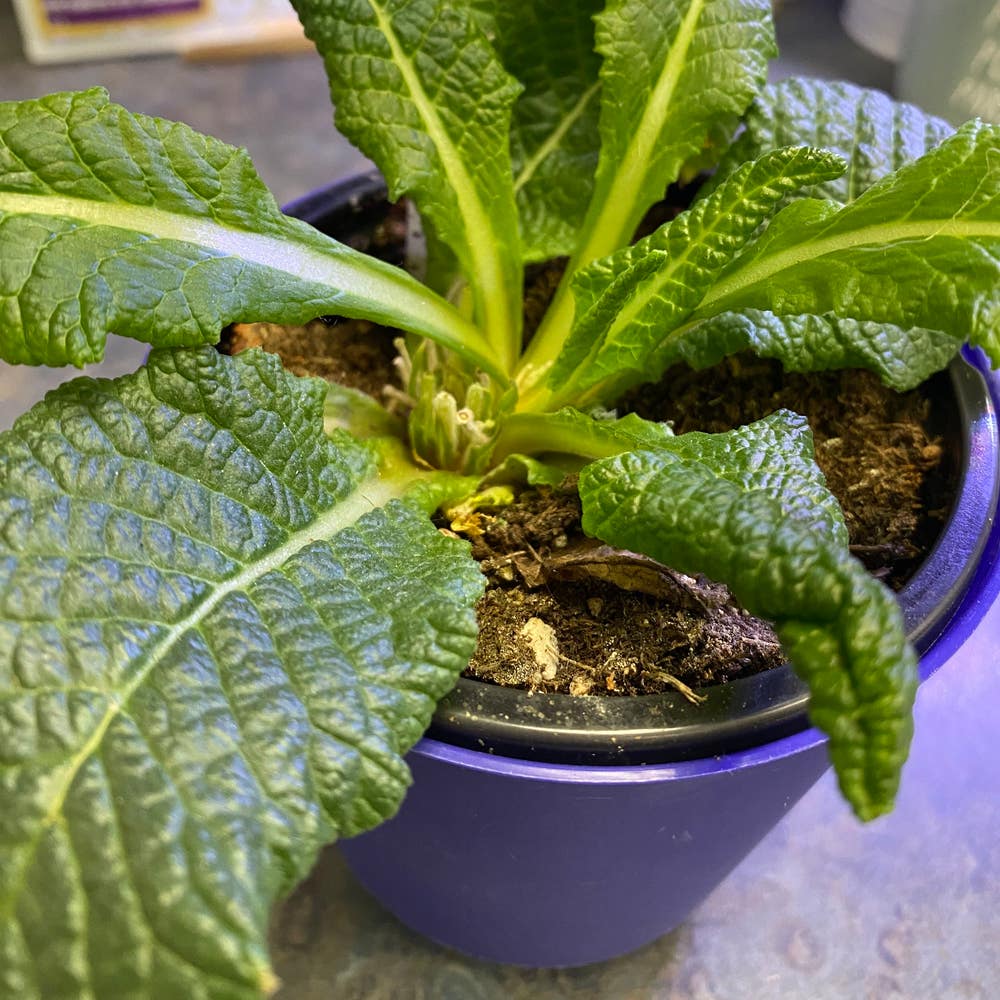
What is a Primula 'Indian Reds Group'? Complete Guide 🌸
Primula 'Indian Reds Group'
By the Greg Editorial Team
Feb 15, 2025•12 min read
This article was created with the help of AI so we can cover more plants for you. May contain errors. See one? Report it here.
Unlock the secret to a stunning garden with vibrant Primula 'Indian Reds Group' blooms! 🌸
- 🌞 Primula 'Indian Reds Group' thrives in partial shade to full sun, perfect for diverse gardens.
- 🌱 Optimal growth requires moist, well-drained soil with slightly acidic to neutral pH.
- 🌼 Deadheading spent flowers boosts blooms and enhances the plant's vibrant appearance.
How to Grow
Choosing a Location 🌞
Primula 'Indian Reds Group' thrives in light conditions ranging from partial shade to full sun. When deciding between outdoor and container growing, consider the space and light availability in your garden.
Soil Preparation 🌱
For optimal growth, use moist, well-drained soil that retains some moisture without becoming soggy. Aim for a pH level that is slightly acidic to neutral, ensuring your plants have the best environment to flourish.
Planting Techniques 🌼
The best time to plant these beauties is in early spring or fall. Space your plants 12-15 inches apart to allow for proper air circulation and growth.
Watering Requirements 🚰
Consistency is key; keep the soil moist but avoid waterlogging. Regularly check the soil moisture to ensure your Primula is getting the hydration it needs.
Fertilizing Schedule 🍽️
Use a balanced, slow-release fertilizer to nourish your plants. Apply it in early spring and again in mid-summer for sustained growth and vibrant blooms.
Pruning and Ongoing Care ✂️
Deadheading flowers encourages more blooms, so don’t forget to snip off spent flowers. Seasonal care tips include mulching to retain moisture and weeding to reduce competition for nutrients.
Outdoor vs. Container Growing 🏡
If you choose container gardening, select pots that are at least 12 inches deep. Ensure proper drainage in containers to prevent root rot and promote healthy growth.
With these guidelines, you're well on your way to cultivating a stunning display of Primula 'Indian Reds Group'. Next, let’s explore how to propagate these lovely plants for even more vibrant blooms!
Propagation
🌱 Seed Propagation
To start your Primula 'Indian Reds Group' from seeds, timing is crucial. Sow seeds in early spring for the best results.
Germination requires specific conditions: provide a light covering of soil and maintain consistent moisture. This will help ensure a successful sprouting process.
✂️ Division Method
Dividing your Primula plants is another effective propagation method. The best time for division is either early spring or fall.
To successfully divide, carefully separate the clumps and replant them immediately. This helps minimize stress on the plants and promotes healthy growth.
🌿 Cuttings
Taking cuttings is a great way to propagate new plants. Select healthy stems that are about 4-6 inches long for the best chance of success.
For rooting, use a mix of peat and perlite as your medium. This combination provides the right balance of moisture retention and drainage, encouraging strong root development.
With these propagation techniques, you can expand your garden and enjoy more of those stunning red blooms!
Lifecycle
Overview of Lifecycle Stages 🌱
Primula 'Indian Reds Group' is a perennial plant, meaning it lives for multiple years. This longevity allows it to thrive in gardens, providing vibrant blooms season after season.
Germination Process 🌧️
Seeds typically germinate within 14 to 30 days, given the right conditions. Consistent moisture and light covering are essential for successful sprouting.
Seedling Stage 🌿
During the seedling stage, you'll notice small leaves emerging alongside a developing root system. This phase is crucial as the plant establishes itself in its environment.
Vegetative Growth 🌳
As the plant enters vegetative growth, it showcases lush foliage and begins to increase in height. This growth phase is vital for building the energy reserves needed for flowering.
Flowering Phase 🌸
Primula 'Indian Reds Group' usually blooms in spring, displaying its stunning red flowers. This is the highlight of its lifecycle, attracting pollinators and adding beauty to any garden.
Seed Production 🌾
After flowering, the plant produces seed pods, which are essential for propagation. This process ensures the continuation of the species and the potential for new plants.
Growth Timeline and Speed ⏳
The time to maturity for Primula 'Indian Reds Group' is approximately 1 to 2 years. Its growth rate is moderate, influenced by factors like light, water, and soil quality.
Understanding the lifecycle of Primula 'Indian Reds Group' helps gardeners appreciate its growth patterns and care needs. With the right attention, this perennial can flourish beautifully in your garden.
Size
Mature Height and Spread 🌱
Primula 'Indian Reds Group' typically reaches a height of 12 to 18 inches. Its spread usually ranges from 12 to 15 inches, making it a compact yet vibrant addition to any garden.
Growth Rate 📈
This plant exhibits a moderate growth rate, which can be influenced by the care it receives. With the right conditions, you can expect it to flourish beautifully.
Size Variability Based on Conditions 🌦️
Several factors can affect the size of your Primula. Light exposure, water availability, and soil quality all play crucial roles in determining how robust your plants will grow.
Understanding these elements can help you create the ideal environment for your Primula, ensuring it reaches its full potential. As you nurture your plants, keep an eye on these conditions to maximize their growth and beauty.
Roots
Root System Characteristics 🌱
Primula 'Indian Reds Group' features a fibrous root system. This structure is essential for moisture retention and provides stability to the plant.
Depth and Spread 📏
Typically, the roots grow to a depth of 6-12 inches. Their spread is proportional to the size of the plant, allowing for adequate nutrient absorption.
Common Root-Related Issues ⚠️
One of the most common problems is root rot, often caused by overwatering. Signs of unhealthy roots include discoloration and a mushy texture.
Identifying Healthy vs. Unhealthy Roots 🔍
Healthy roots are firm and exhibit a white or light tan color. In contrast, unhealthy roots appear dark, soft, or may even emit a foul smell.
Recognizing Rootbound Plants 🪴
Rootbound plants have roots that circle the pot, indicating they need more space. Signs include stunted growth and water pooling on the surface of the soil.
Solutions for Rootbound Plants 🔧
To remedy rootbound conditions, repot the plant into a larger container. This will allow the roots to spread out and promote healthier growth.
Understanding the root system of Primula 'Indian Reds Group' is crucial for ensuring its health and vitality. With proper care, these plants can thrive beautifully in your garden or home.
Benefits
🌺 Aesthetic Appeal
Primula 'Indian Reds Group' is a showstopper in any garden. Its bright red flowers add a vibrant splash of color, making it a favorite among gardeners looking to enhance their outdoor spaces.
🐝 Attracting Pollinators
These stunning blooms are not just pretty; they play a crucial role in attracting pollinators. Bees and butterflies flock to Primula, helping to support local ecosystems and promote biodiversity.
📜 Cultural Significance
Historically, Primula has been valued in traditional medicine. Its anti-inflammatory properties have made it a staple in various cultures, showcasing its importance beyond mere aesthetics.
💊 Medicinal Uses
The potential health benefits of Primula extend to soothing properties. Many people appreciate its natural remedies for minor ailments, adding another layer of value to this beautiful plant.
🌍 Environmental Benefits
In addition to its beauty and medicinal uses, Primula contributes to garden biodiversity. By planting these flowers, you support a healthier ecosystem, making your garden a sanctuary for various wildlife.
With all these benefits, it's clear that Primula 'Indian Reds Group' is more than just a pretty face in the garden. Its role in supporting pollinators, cultural practices, and environmental health makes it a worthwhile addition to any landscape.
Next, let’s explore the concept of companion planting and how Primula can thrive alongside other plants.
Companion Plants
🌱 Concept of Companion Planting
Companion planting is a gardening strategy that pairs plants together for mutual benefits. This technique can enhance pest management and promote improved growth, making your garden more resilient and vibrant.
🌼 Best Companion Plants
When growing Primula 'Indian Reds Group', consider adding ferns, hostas, and other shade-loving plants. These companions share similar care needs and provide a visually appealing contrast with their lush foliage.
🚫 Plants to Avoid
Be cautious of aggressive weeds or plants with high nutrient demands. These can compete with your Primula for resources, hindering their growth and overall health.
By selecting the right companions, you can create a thriving garden ecosystem that supports your Primula while enhancing its beauty. Next, let’s explore the potential toxicity of Primula to humans and pets.
Toxicity to Humans
⚠️ Potential Irritants
Primula 'Indian Reds Group' can be a beautiful addition to your garden, but it's important to be aware of its potential irritants. The leaves and flowers of this plant may cause irritation if handled improperly.
🤕 Symptoms of Irritation
If you come into contact with these parts, you might experience skin rashes or mild gastrointestinal upset. While these symptoms are generally not severe, they can be uncomfortable.
🧤 Handling Precautions
To minimize any risk, it's wise to wear gloves when handling Primula. This simple precaution can help you enjoy your gardening experience without worry.
🚑 When to Seek Medical Care
If you do experience irritation, monitor your symptoms closely. Seek medical care if they persist or worsen, ensuring your health remains a priority.
Understanding these aspects of Primula 'Indian Reds Group' will help you appreciate its beauty while staying safe. Next, let's explore how this plant interacts with our furry friends.
Toxicity to Dogs
Safety of Primula Around Dogs 🐶
Primula 'Indian Reds Group' is generally safe for dogs. Major organizations do not list it as toxic, making it a worry-free addition to your garden.
Minor Issues from Consumption 🍽️
While not harmful, consuming large quantities of Primula may lead to mild gastrointestinal upset in dogs. It's always good to keep an eye on your furry friends if they decide to nibble on your plants.
Tips for Introducing to Homes with Dogs 🏡
To ensure a harmonious home, place Primula out of reach of curious dogs. Regularly monitor their behavior around the plants to prevent any unwanted snacking.
With a little care, you can enjoy the beauty of Primula while keeping your canine companions safe.
Toxicity to Cats
Safety of Primula Around Cats 🐱
Primula 'Indian Reds Group' is generally safe for cats. Major organizations do not list it as toxic, so you can enjoy these vibrant flowers without worrying about your feline friends.
Minor Issues from Consumption 🍽️
While Primula isn't harmful, consuming large quantities may lead to mild gastrointestinal upset in cats. It's always best to keep an eye on your pet's behavior after they nibble on any plant.
Tips for Introducing to Homes with Cats 🏠
When introducing Primula into your home, place the plants out of reach of curious paws. Regularly monitor your cat's behavior to ensure they aren't getting into the flowers, keeping your garden and your pet safe.
As you enjoy the beauty of these flowers, remember that a little precaution goes a long way in maintaining a harmonious home.
Problems
Common Problems Faced 🌱
Primula 'Indian Reds Group' can encounter several issues that may hinder its growth and flowering. Understanding these problems is key to maintaining a healthy plant.
Identifying Unhealthy Plants 🧐
Look for signs of distress such as wilting leaves or discoloration. These symptoms often indicate that your Primula needs immediate attention.
Solutions for Specific Issues 🛠️
If you notice incorrect watering, adjust your frequency based on the soil's moisture level. Overwatering can lead to root rot, while underwatering can cause wilting.
For plants in the wrong light conditions, simply move them to a spot with appropriate exposure. Primula thrives in partial shade to full sun, so finding the right balance is crucial.
If diseases arise, treat them promptly with fungicides or by removing affected parts. Keeping a close eye on your plants will help you catch these issues early and ensure they remain vibrant and healthy.
Bugs
🐞 Common Pests Affecting Primula
Primula 'Indian Reds Group' can attract a variety of pests. While they are relatively resilient, they can still fall victim to common nuisances.
🔍 Identification of Pests
Keep an eye out for these frequent offenders:
- Aphids: Tiny, soft-bodied insects that cluster on new growth.
- Spider Mites: Microscopic pests that create fine webs and cause stippling on leaves.
- Mealybugs: White, cottony masses found in leaf axils or on stems.
Identifying these pests early can save your plants from significant damage.
⚠️ Damage Caused by Pests
Pest infestations can lead to noticeable symptoms:
- Leaf Curling: Leaves may twist or curl due to sap extraction.
- Discoloration: Yellowing or browning of leaves indicates stress from pest activity.
If you notice these signs, it’s time to take action.
🧪 Treatment Options
Addressing pest problems can be straightforward. Consider these treatment options:
- Organic Treatments: Insecticidal soap and neem oil are effective and eco-friendly choices.
- Chemical Treatments: For severe infestations, stronger pesticides may be necessary.
Always follow application instructions to protect your Primula and the surrounding environment.
By staying vigilant and acting quickly, you can keep your Primula thriving and beautiful. Next, let’s explore what animals might be munching on your plants.
What Eats Primula
🦌 Common Animals That Damage Primula
Primula 'Indian Reds Group' can attract a variety of herbivores. Common culprits include deer, rabbits, and squirrels, all of which may find these vibrant flowers irresistible.
🕵️♂️ Signs of Animal Presence
To identify if animals are munching on your Primula, look for chewed leaves and tracks around the plant. These signs can help you determine which critters are causing the damage.
⚠️ Types of Damage Caused
The damage from these animals can be quite noticeable. You may find missing foliage or stunted growth, which can hinder the overall health and beauty of your Primula.
🚫 Deterrent Methods
To protect your plants, consider using both chemical and organic deterrents. Options include repellents and physical barriers, such as fencing, to keep these hungry visitors at bay.
By being proactive, you can enjoy the beauty of your Primula without the worry of unwanted nibblers.
⚠️ Safety First
This content is for general information and may contain errors, omissions, or outdated details. It is not medical, veterinary advice, or an endorsement of therapeutic claims.
Always consult a qualified healthcare professional before using any plant as food, medicine, or supplement.
Never eat any plant (or feed one to pets) without confirming its identity with at least two trusted sources.
If you suspect poisoning, call Poison Control (800) 222-1222, the Pet Poison Helpline (800) 213-6680, or your local emergency service immediately.
Spotted an error? Please report it here.
Transform your garden with the vibrant blooms of Primula 🌺 by using Greg's tailored watering reminders and care tips to keep your plants thriving all season long!