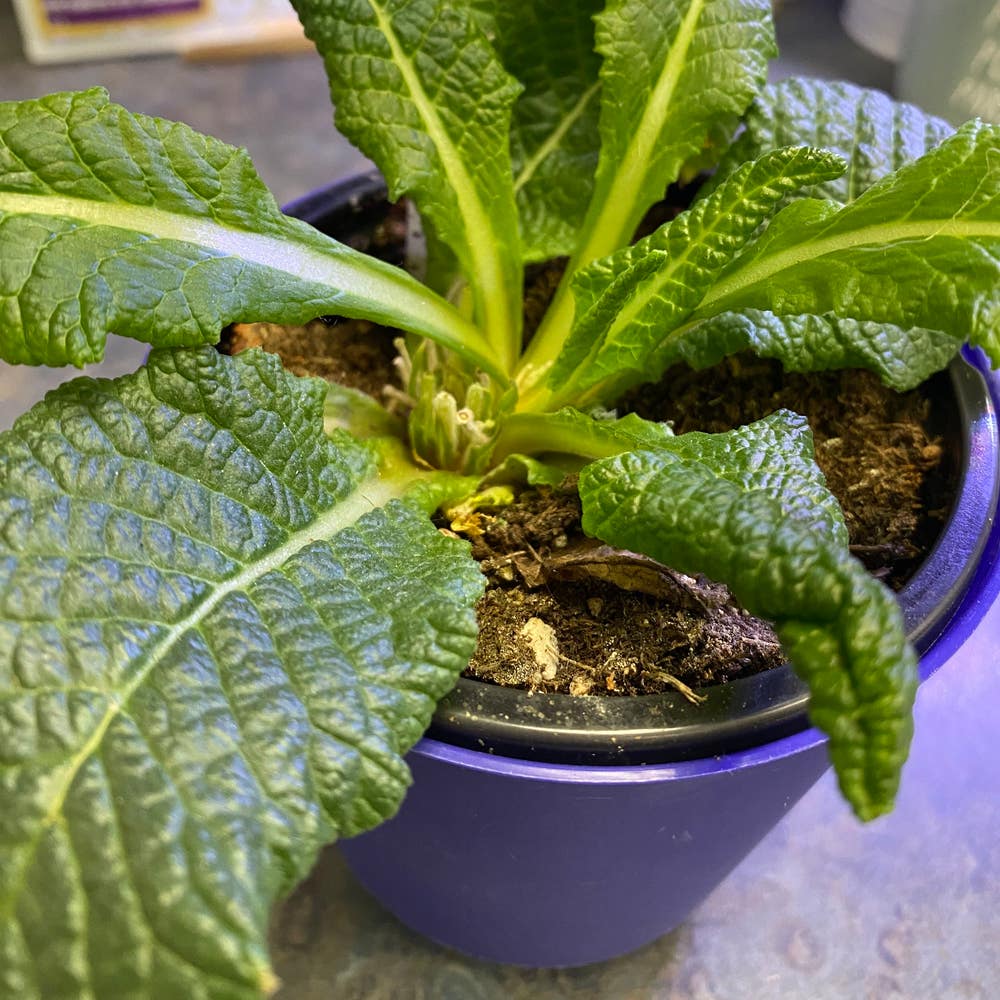
❄️ Primula 'Everest Blue': A Comprehensive Overview
Primula auricula 'Everest Blue'
By the Greg Editorial Team
Feb 14, 2025•12 min read
This article was created with the help of AI so we can cover more plants for you. May contain errors. See one? Report it here.
Unlock the secrets to thriving Primula 'Everest Blue' blooms 🌼 and elevate your garden's beauty effortlessly!
- 🌱 Primula 'Everest Blue' thrives in partial shade and well-drained, organic-rich soil.
- 🌼 Plant in spring or fall, spacing 12-15 inches apart for healthy growth.
- 🐞 Manage pests like spider mites with insecticidal soap for optimal plant health.
How to Grow
Choosing a Location 🌳
Primula 'Everest Blue' thrives in partial shade, making it an excellent choice for those shadier spots in your garden. Pay attention to microclimates; areas with dappled sunlight or protection from harsh winds can significantly enhance growth.
Soil Preparation 🌱
For optimal growth, ensure the soil is well-drained and rich in organic matter. Aim for a soil pH between 6.0 and 7.0, which is slightly acidic to neutral, to create the best environment for your plants.
Planting Techniques 🌼
The best time to plant is in early spring or fall when temperatures are mild. Space your plants 12-15 inches apart to allow for healthy growth and airflow.
Watering Requirements 💧
Keep the soil consistently moist but avoid waterlogging, which can harm the roots. Watch for signs of overwatering, like yellowing leaves, or underwatering, indicated by wilting.
Fertilizing Schedule 🌾
Use a balanced, slow-release fertilizer to nourish your Primula. Fertilize in early spring and again in mid-summer to support robust growth throughout the seasons.
Pruning Methods ✂️
Prune after flowering to encourage new growth and maintain plant health. Techniques include deadheading spent flowers and removing any dead leaves to keep your plant looking its best.
Ongoing Care 🪴
If you're growing Primula in containers, ensure they have drainage holes and use a quality potting mix. For outdoor plants, apply mulch to retain moisture and suppress weeds, creating a thriving environment for your flowers.
With these tips, you'll be well on your way to cultivating a beautiful display of Primula 'Everest Blue'. Next, let's explore how to propagate this stunning plant to share its beauty with others.
Propagation
Seed Propagation 🌱
To propagate Primula 'Everest Blue' from seeds, the best time to sow is late winter to early spring. Ensure the seeds are lightly covered and maintain consistent moisture for optimal germination.
Division Method ✂️
Dividing the plant is most effective in early spring or fall. Carefully separate clumps and replant them immediately to encourage healthy growth.
Cuttings Technique 🌿
For cuttings, select healthy stems that have several leaves. Use a rooting medium composed of peat and perlite to promote successful rooting.
This propagation knowledge will help you expand your Primula collection and enjoy its vibrant blooms in various areas of your garden. Next, let’s explore the lifecycle of this beautiful perennial.
Lifecycle
Lifecycle Overview 🌱
Primula 'Everest Blue' is a perennial plant, meaning it lives for multiple years and goes through several growth phases. This lifecycle includes stages from germination to flowering, each contributing to the plant's overall health and beauty.
Germination Process 🌧️
Seeds typically take 14 to 30 days to germinate under the right conditions. Providing consistent moisture and light covering is crucial during this phase to ensure successful sprouting.
Seedling Development 🌿
Once germinated, seedlings develop into small rosettes of leaves. These rosettes are essential for photosynthesis and overall growth, setting the foundation for future development.
Flowering and Seed Production 🌸
The flowering period for Primula 'Everest Blue' occurs from late spring to early summer. After flowering, the plant produces seeds, usually in late summer, allowing for propagation and continued growth.
Lifespan and Growth Rate ⏳
This plant has an overall lifespan of several years, typically ranging from 3 to 5 years. It grows at a moderate rate, reaching maturity in about 1 to 2 years, making it a rewarding addition to any garden.
As we explore the next section, we'll delve into the size characteristics of Primula 'Everest Blue' and how they can impact your gardening experience.
Size
Mature Height and Spread 🌱
Primula 'Everest Blue' typically reaches a height of 12-18 inches and spreads about 12-15 inches. This compact size makes it an excellent choice for borders, containers, or as a focal point in shaded garden areas.
Growth Rate Specifics ⏳
Expect your Primula to reach its full size in approximately 1-2 years. This moderate growth rate allows for a gradual establishment, giving you time to appreciate its beauty as it matures.
Size Variability 📏
The size of your Primula can vary based on several factors, including light, water, and soil quality. Providing optimal conditions will enhance its growth potential, ensuring a vibrant display of blue flowers.
Roots
🌱 Root System Characteristics
Primula 'Everest Blue' features a fibrous root system that is both shallow and extensive. This structure is crucial for effective moisture absorption, allowing the plant to thrive in various conditions.
⚠️ Common Root-Related Issues
One of the most common problems is root rot, which occurs due to overwatering. Signs include wilting and yellowing leaves, indicating that the roots are struggling.
🛡️ Prevention of Root Rot
To prevent root rot, ensure your soil is well-draining and adopt proper watering techniques. This will help maintain a healthy environment for your plant's roots.
👀 Identifying Healthy vs. Unhealthy Roots
Healthy roots are firm, white, and spread out, indicating robust growth. In contrast, unhealthy roots appear brown, mushy, or foul-smelling, signaling potential issues.
🔒 Recognizing Rootbound Conditions
Rootbound conditions occur when roots circle the pot, limiting growth. Signs include stunted growth and water pooling on the surface, which can hinder your plant's overall health.
🌿 Solutions for Rootbound Conditions
If you notice your Primula 'Everest Blue' is rootbound, consider repotting it into a larger container. This simple step can rejuvenate your plant, allowing it to flourish once again.
With a solid understanding of root health, you're better equipped to nurture your Primula 'Everest Blue.' Next, let's explore the numerous benefits this stunning plant brings to your garden.
Benefits
Aesthetic Appeal 🌸
Primula 'Everest Blue' captivates with its striking bright blue flowers. These blooms not only add a pop of color to your garden but also create a stunning visual contrast against lush green foliage.
Attracting Pollinators 🐝
This plant plays a vital role in supporting local ecosystems. Its vibrant flowers attract bees, butterflies, and other pollinators, making your garden a lively hub of activity.
Erosion Control 🌍
The fibrous root system of Primula 'Everest Blue' is excellent for stabilizing soil. This characteristic helps prevent erosion in garden beds, ensuring your plants thrive in a secure environment.
Cultural Significance 📜
Historically, Primula species have been used in traditional medicine and folklore. Their presence in gardens often reflects a rich cultural heritage, connecting us to the past.
Medicinal Uses 🌿
Beyond their beauty, these plants may offer potential health benefits. Some herbal remedies derived from Primula have been noted for their anti-inflammatory properties, making them a fascinating addition to both gardens and herbal practices.
Incorporating Primula 'Everest Blue' into your garden not only enhances its beauty but also contributes to ecological health and cultural richness. Next, let's explore the concept of companion planting and discover which plants thrive alongside this stunning perennial.
Companion Plants
🌱 Concept of Companion Planting
Companion planting is all about creating a harmonious garden environment. By pairing plants that support each other's growth, you can enhance overall health, manage pests naturally, and boost garden diversity.
🌼 Best Companion Plants
For Primula 'Everest Blue', consider planting alongside ferns, hostas, and other shade-loving plants. These companions thrive in similar moisture and light conditions, ensuring a thriving garden ecosystem.
🚫 Plants to Avoid
Be cautious of aggressive plants like mint. They can easily outcompete Primula 'Everest Blue' for resources, stunting its growth and overall health.
By choosing the right companions, you can create a flourishing garden that not only looks beautiful but also supports the health of your Primula 'Everest Blue'. Next, let’s explore the potential toxicity of this plant to humans.
Toxicity to Humans
⚠️ Potential Irritants
Primula 'Everest Blue' can cause irritation, particularly from its leaves and flowers. While beautiful, it's essential to handle them with care.
🤒 Symptoms of Irritation
If contact occurs, you might experience skin rashes or mild gastrointestinal upset. These reactions, though generally mild, can be uncomfortable.
🧤 Safe Handling Tips
To minimize risks, always wear gloves when handling the plant. Afterward, wash your hands thoroughly to remove any potential irritants.
🏥 When to Seek Medical Care
If symptoms persist or worsen, it's wise to consult a healthcare professional. Staying informed and cautious ensures a safe gardening experience.
This knowledge empowers you to enjoy your Primula 'Everest Blue' while keeping safety in mind. Next, let’s explore its effects on our furry friends, particularly dogs.
Toxicity to Dogs
Safety for Dogs 🐶
Primula 'Everest Blue' is not listed as toxic by major organizations, making it a relatively safe choice for dog owners. This means you can enjoy its beauty without worrying too much about your furry friends.
Minor Issues from Consumption 🤢
However, if your dog decides to munch on a few leaves, it may experience mild gastrointestinal upset. This could manifest as a bit of an upset stomach, but it's generally nothing to panic about.
Tips for Introducing to Homes with Dogs 🏡
To keep things safe, place your Primula out of reach of curious pups. It's also a good idea to monitor their interactions with the plant to ensure they don’t overindulge.
As you enjoy the vibrant blooms of Primula 'Everest Blue', rest easy knowing your canine companions can coexist with this lovely perennial. Next, let’s explore how this plant interacts with our feline friends.
Toxicity to Cats
🐱 Safety for Cats
Primula 'Everest Blue' is not considered toxic by major organizations. This means you can enjoy these beautiful plants without worrying about your feline friends.
⚠️ Minor Issues from Consumption
While generally safe, consuming large quantities may lead to mild gastrointestinal upset in cats. It's always best to keep an eye on your pet's behavior after they nibble on anything new.
🏡 Tips for Introducing to Homes with Cats
When introducing Primula 'Everest Blue' into your home, consider placement carefully. Monitor your cat's interactions with the plant and ensure it’s out of reach to prevent any unwanted snacking.
With these precautions, you can enjoy the vibrant blooms of Primula 'Everest Blue' while keeping your furry companions safe. Next, let’s explore how to address common problems that may arise with this lovely plant.
Problems
🐛 Common Issues
Growing Primula 'Everest Blue' can come with its share of challenges. The most common issues include incorrect watering, improper light conditions, and diseases like powdery mildew.
💧 Incorrect Watering
Overwatering can lead to root rot, while underwatering causes wilting. Signs of overwatering include yellowing leaves and a soggy soil texture. Conversely, underwatered plants often exhibit drooping foliage and dry soil.
☀️ Incorrect Light Conditions
Primula 'Everest Blue' thrives in partial shade. Too much sunlight can scorch the leaves, leading to browning edges, while insufficient light results in leggy growth and fewer blooms.
🦠 Diseases
Fungal diseases, particularly powdery mildew, can affect your plants. This manifests as a white, powdery coating on leaves, often exacerbated by high humidity and poor air circulation.
🔍 Identifying Symptoms
Recognizing symptoms early can save your plants. Look for wilting leaves, yellowing foliage, and stunted growth as key indicators of distress.
🛠️ Solutions for Common Problems
To tackle these issues effectively:
- Watering: Adjust your watering schedule. Ensure the soil remains consistently moist but not soggy.
- Light Conditions: Relocate your plants to a shadier spot if they show signs of sunburn.
- Disease Management: Improve air circulation around your plants and apply fungicides if necessary.
By staying vigilant and responsive to these common problems, you can help your Primula 'Everest Blue' flourish beautifully. Next, let's explore the fascinating world of pests that might threaten your plants.
Bugs
🐞 Potential Pest Issues
Primula 'Everest Blue' can face a few pest challenges, but it generally shows good resistance. However, vigilance is key, as certain pests can still cause significant damage if left unchecked.
🔍 Identification of Pests
Common pests that may target your Primula include:
- Spider Mites: Tiny and often hard to see, they create fine webs on the plant.
- Aphids: Small, soft-bodied insects that cluster on new growth, sucking sap.
- Mealybugs: White, cottony masses that can be found in leaf axils and on stems.
⚠️ Damage Caused by Pests
Each pest leaves its mark in different ways:
- Spider Mites: Look for stippling on leaves and webbing.
- Aphids: They cause curling leaves and a sticky residue known as honeydew.
- Mealybugs: These pests can lead to yellowing leaves and stunted growth.
🛠️ Treatment Options
To combat these pests effectively, consider these methods:
- Insecticidal Soap: A safe and effective way to eliminate soft-bodied insects.
- Neem Oil: This natural pesticide disrupts the life cycle of pests without harming beneficial insects.
- Beneficial Insects: Introduce ladybugs or lacewings to naturally control pest populations.
By staying proactive and monitoring your plants, you can keep Primula 'Everest Blue' thriving and beautiful. Next, let’s explore what animals might be interested in munching on your lovely blooms.
What Eats
Common Animals 🦌
Primula 'Everest Blue' can attract a variety of herbivores. The most common culprits include deer, rabbits, and squirrels, all of which may find these vibrant flowers irresistible.
Signs of Animal Presence 🐾
Detecting these visitors is often straightforward. Look for tracks, droppings, or visible damage to the plants, which can indicate that your garden is being snacked on.
Types of Damage 🐇
Each animal leaves its unique mark. Deer may nibble on the tops of the plants, while rabbits often take bites from the leaves. Squirrels might dig around the base, disrupting the soil and roots.
Deterrent Methods 🚧
Protecting your Primula 'Everest Blue' can be achieved through various methods. Consider using chemical repellents or organic options like garlic spray to keep these animals at bay.
Additionally, physical barriers such as fencing can effectively deter larger animals like deer. Monitoring your garden regularly will help you catch any signs of trouble early, ensuring your plants thrive.
⚠️ Safety First
This content is for general information and may contain errors, omissions, or outdated details. It is not medical, veterinary advice, or an endorsement of therapeutic claims.
Always consult a qualified healthcare professional before using any plant as food, medicine, or supplement.
Never eat any plant (or feed one to pets) without confirming its identity with at least two trusted sources.
If you suspect poisoning, call Poison Control (800) 222-1222, the Pet Poison Helpline (800) 213-6680, or your local emergency service immediately.
Spotted an error? Please report it here.
Unlock the beauty of Primula 'Everest Blue' 🌼 in your garden with Greg's tailored care tips and reminders, ensuring your plants thrive effortlessly!