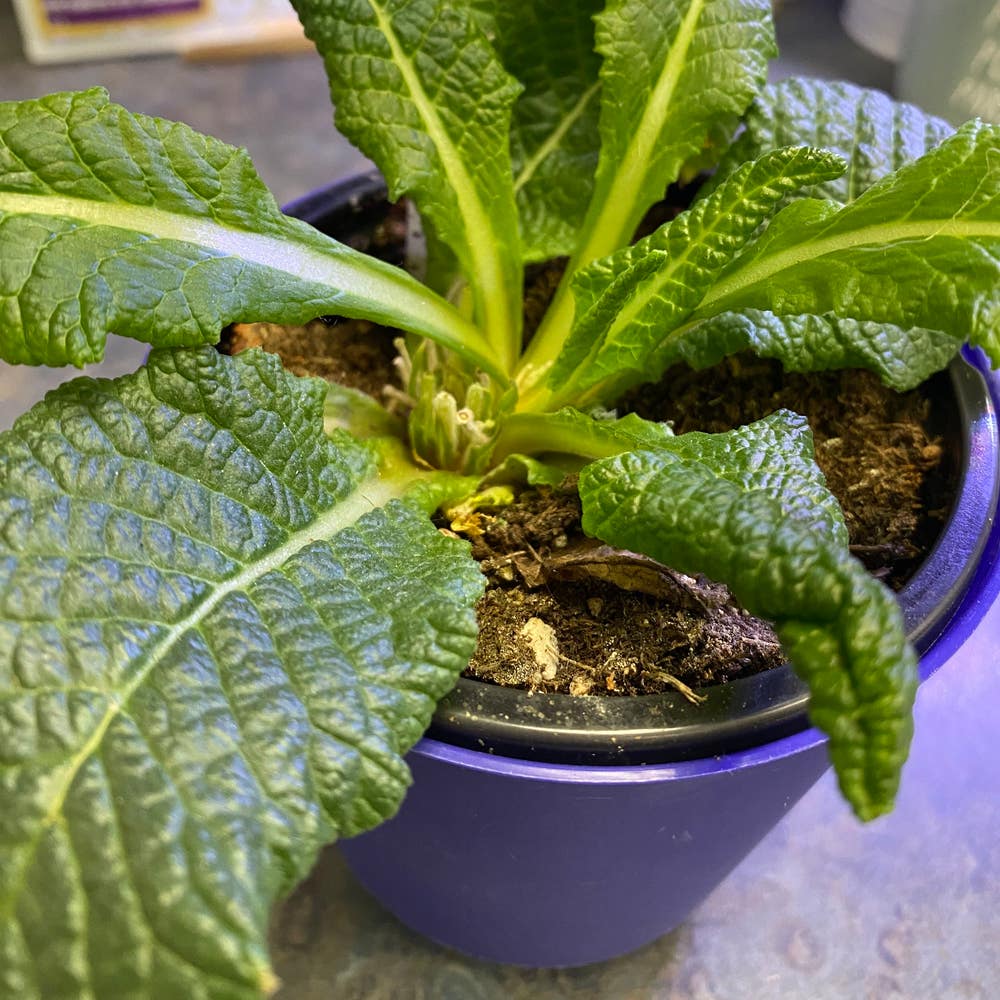
What You Should Know About Primula 'Elsie' 🌸
Primula auricula 'Elsie'
By the Greg Editorial Team
Feb 14, 2025•13 min read
This article was created with the help of AI so we can cover more plants for you. May contain errors. See one? Report it here.
- 🌱 Primula 'Elsie' thrives in partial shade with consistently damp, well-draining soil.
- 🌼 Plant in early spring or fall, spacing 12 inches apart for optimal growth.
- 🐾 Generally safe for pets, but monitor for mild gastrointestinal upset from excess consumption.
How to Grow
Choosing a Location 🌳
Primula 'Elsie' thrives in partial shade, making it essential to select a spot that avoids harsh direct sunlight. Additionally, ensure the location retains moisture, as this plant prefers a consistently damp environment.
Soil Preparation 🏞️
For optimal growth, use well-draining soil rich in organic matter. Aim for a soil pH between 6.0 and 7.0, which is slightly acidic to neutral, to create the best conditions for your Primula.
Planting Techniques 🌱
The best time to plant Primula 'Elsie' is in early spring or fall. Space each plant about 12 inches apart to allow for healthy growth and airflow.
Watering Requirements 💧
Keep the soil consistently moist but avoid waterlogging, which can harm the roots. Watch for signs of overwatering, such as yellowing leaves, or underwatering, indicated by wilting.
Fertilizing Schedule 🌼
Use a balanced, slow-release fertilizer to nourish your plants. Apply it in early spring and again in mid-summer for sustained growth and vibrant blooms.
Pruning Methods ✂️
Prune Primula 'Elsie' after flowering to encourage new growth. This includes deadheading spent flowers and removing any damaged leaves to keep the plant healthy.
Ongoing Care 🌿
For container care, ensure adequate drainage and regularly monitor moisture levels. In outdoor settings, mulching helps retain moisture and suppress weeds, creating a thriving environment for your Primula.
With these growing tips, you’ll set the stage for a flourishing display of Primula 'Elsie' in your garden. Next, let’s explore how to propagate this beautiful plant for even more blooms!
Propagation
🌱 Seed Propagation
To propagate Primula 'Elsie' from seeds, timing is crucial. Sow seeds in late winter to early spring for the best results.
For successful germination, maintain a temperature between 65-70°F (18-21°C). This warmth encourages the seeds to sprout and thrive.
✂️ Division Method
Dividing your Primula 'Elsie' is another effective propagation method. The best time for division is in early spring or fall when the plant is less stressed.
To divide, carefully separate the clumps and replant them immediately. This helps ensure the new plants establish quickly and successfully.
🌿 Cuttings
Taking cuttings is a straightforward way to propagate this lovely perennial. Select healthy stems in spring for the best chance of success.
Use a rooting medium that consists of a mix of peat and perlite. This combination provides the right balance of moisture and drainage for healthy root development.
With these propagation techniques, you can expand your Primula 'Elsie' collection and enjoy its beauty in multiple spots around your garden. Next, let’s explore the lifecycle of this charming plant.
Lifecycle
Lifecycle Stages 🌱
Primula 'Elsie' is classified as a perennial, meaning it will return year after year, bringing vibrant blooms to your garden.
Germination Process 🌱
Seeds typically take about 14-21 days to germinate. This patience pays off as you watch new life emerge.
Seedling Stage 🌱
Once germinated, seedlings require approximately 4-6 weeks to grow strong enough for transplanting. This stage is crucial for establishing a healthy plant.
Vegetative Growth 🌱
The vegetative growth period usually lasts until late spring. During this time, the plant focuses on developing leaves and roots, setting the stage for flowering.
Flowering Phase 🌸
Primula 'Elsie' begins to bloom in late spring to early summer. These colorful flowers are a highlight of the growing season, attracting pollinators and adding beauty to your garden.
Seed Production 🌱
After flowering, seed formation occurs, typically in late summer. This is when the plant ensures its legacy continues for future generations.
Growth Timeline and Speed ⏳
It takes about 1-2 years for Primula 'Elsie' to reach full maturity. The growth rate is moderate, with noticeable progress in the first season, making it a rewarding addition to your garden.
As you nurture your Primula 'Elsie', you'll witness its lifecycle unfold, from seed to stunning flower. Next, let’s explore how to propagate this beautiful perennial for even more blooms!
Size
Mature Height and Spread 🌱
Primula 'Elsie' typically reaches a height of 12 to 18 inches, making it a charming addition to any garden. Its spread is around 12 inches, allowing it to fill in spaces without overwhelming neighboring plants.
Growth Rate Specifics 📈
This perennial exhibits a moderate growth rate, achieving its full size within 1 to 2 years. With proper care, you can expect to see noticeable growth in the first season.
Size Variability Based on Conditions 🌦️
Several factors influence the size of Primula 'Elsie'. Soil quality, moisture levels, and light exposure all play crucial roles in determining how robust your plants will become.
Understanding these elements can help you create the ideal environment for your Primula, ensuring they thrive and reach their full potential.
As you consider the size and growth of your Primula 'Elsie', keep in mind how these factors will affect your overall garden design.
Roots
Root System Characteristics 🌱
Primula 'Elsie' features a fibrous root system that plays a crucial role in its overall health. This type of root structure allows the plant to absorb nutrients efficiently and provides stability in the soil.
Depth and Spread of Roots 📏
The roots typically grow to a depth of 6-12 inches, which is ideal for moisture retention. They also spread beyond the plant's canopy, helping to anchor the plant securely while accessing a wider range of nutrients.
Growth Patterns 🌿
These roots thrive in moist soil, growing densely to enhance stability. This characteristic is vital for the plant's resilience, especially in varying environmental conditions.
Common Root-Related Issues ⚠️
One of the most common problems faced by Primula 'Elsie' is root rot, often caused by overwatering. Signs of this issue include wilting and yellowing leaves, indicating that the roots are struggling to function properly.
Identifying Healthy vs. Unhealthy Roots 🔍
Healthy roots are firm, white, and spread evenly throughout the soil. In contrast, unhealthy roots appear dark, mushy, or may emit a foul smell, signaling that the plant is in distress.
Recognizing Rootbound Conditions 🪴
If you notice stunted growth or roots emerging from the drainage holes, your Primula 'Elsie' may be rootbound. To remedy this, consider repotting the plant into a larger container or dividing it to promote healthier growth.
Understanding the root system of Primula 'Elsie' is essential for its care and maintenance. With proper attention to its roots, you can ensure a thriving and vibrant plant in your garden.
Next, let’s explore the benefits of this beautiful perennial, from its aesthetic appeal to its role in attracting pollinators.
Benefits
Aesthetic Appeal 🌸
Primula 'Elsie' boasts bright, colorful flowers that can transform any garden into a vibrant oasis. Their cheerful blooms add a splash of color, making them a favorite among gardeners looking to enhance their outdoor spaces.
Attracting Pollinators 🐝
These lovely flowers are not just pretty; they also play a vital role in attracting pollinators like bees and butterflies. By planting Primula 'Elsie', you contribute to local biodiversity and support the essential work of these creatures.
Cultural Significance 🌼
In various cultures, Primula 'Elsie' symbolizes spring and renewal. This connection to new beginnings makes it a meaningful addition to gardens, especially during the transition from winter to warmer months.
Medicinal Uses 🌿
Some cultures have harnessed the anti-inflammatory properties of Primula for traditional medicinal uses. While not a substitute for professional medical advice, this aspect adds another layer of interest to this charming plant.
Environmental Benefits 🌍
Beyond aesthetics, Primula 'Elsie' improves soil health and supports local ecosystems. Its presence can help create a more balanced environment, making it a smart choice for eco-conscious gardeners.
Incorporating Primula 'Elsie' into your garden not only beautifies your space but also contributes positively to the environment and local wildlife. Next, let’s explore the concept of companion planting and how it can further enhance your gardening experience.
Companion Plants
🌱 Concept of Companion Planting
Companion planting is a gardening strategy that enhances growth, improves pest management, and boosts overall garden diversity. By selecting the right plants to grow together, you can create a thriving ecosystem that benefits all its inhabitants.
🌼 Best Companion Plants
For Primula 'Elsie', consider pairing it with ferns, hostas, and other shade-loving plants. These companions share similar care needs and create a visually appealing harmony in your garden.
🚫 Plants to Avoid
Be cautious of aggressive plants that compete for nutrients and space. Avoid planting alongside species that may overshadow or outcompete your Primula 'Elsie', ensuring it has the resources it needs to flourish.
With the right companions, your Primula 'Elsie' can thrive, adding beauty and vibrancy to your garden. Next, let’s explore the potential toxicity of this charming plant to humans and pets.
Toxicity to Humans
Potential Irritants 🌿
Primula 'Elsie' can cause irritation, particularly through its leaves and flowers. While beautiful, it's essential to handle these plants with care.
Symptoms of Irritation 🤕
If contact occurs, you might experience skin rashes, itching, or mild gastrointestinal upset. These symptoms are generally mild but can be uncomfortable.
Handling Precautions 🧤
To stay safe, always wear gloves when handling Primula 'Elsie'. Afterward, wash your hands thoroughly to avoid any irritation.
When to Seek Medical Care 🚑
If symptoms persist or worsen, it’s wise to seek medical attention. Better safe than sorry when it comes to your health!
This section highlights the importance of being cautious while enjoying the beauty of Primula 'Elsie'. Next, we’ll explore its safety for our furry friends, particularly dogs.
Toxicity to Dogs
Safety of Primula 'Elsie' for Dogs 🐶
Primula 'Elsie' is generally considered safe for dogs. Major pet poison control centers do not list it as toxic, so you can breathe a sigh of relief if your furry friend sniffs around your garden.
Minor Issues from Consumption 🤢
While not toxic, consuming large amounts of Primula 'Elsie' may lead to mild gastrointestinal upset in dogs. Symptoms could include a bit of nausea or an upset stomach, but these are usually not serious.
Tips for Introducing to Homes with Dogs 🏡
To keep your dog safe, place Primula 'Elsie' out of reach. It's also wise to monitor your dog's interactions with the plant, ensuring they don't munch on it excessively.
With these precautions, you can enjoy the beauty of Primula 'Elsie' without worrying about your canine companion!
Toxicity to Cats
🐱 Safety of Primula 'Elsie' for Cats
Primula 'Elsie' is generally safe for cats. Major pet poison control centers do not list it as toxic, which is great news for cat owners who love to garden.
🚫 Minor Issues from Consumption
While it's not harmful, excessive consumption of Primula 'Elsie' may lead to mild gastrointestinal upset in cats. Symptoms could include slight vomiting or diarrhea, but these are usually not severe.
🏡 Tips for Introducing to Homes with Cats
When introducing Primula 'Elsie' into a home with cats, placement is key. Keep the plant out of reach to prevent any nibbling, and monitor your cat's interactions to ensure they don’t develop a habit of munching on it.
This way, you can enjoy the beauty of your flowers while keeping your feline friends safe.
Problems
Common Issues Faced 🌱
Growing Primula 'Elsie' can be rewarding, but it comes with its share of challenges.
Incorrect Watering: One of the most common problems is improper watering. Overwatering can lead to root rot, while underwatering causes wilting.
Incorrect Light Conditions: These plants thrive in partial shade. If they receive too much direct sunlight, you may notice signs of stress, such as scorched leaves.
Incorrect Temperature: Primula 'Elsie' prefers moderate temperatures. Extreme heat or cold can lead to stunted growth or even death.
Diseases: Fungal issues like powdery mildew and rust can plague your plants. Keeping an eye out for these diseases is crucial for maintaining plant health.
Leaf Issues: Yellowing, scorching, or fuzzy growth on leaves often indicates underlying problems. Addressing these symptoms promptly can save your plant.
Identifying Symptoms of Unhealthy Plants 🔍
Recognizing when your Primula 'Elsie' is struggling is key to effective care.
Visual Cues: Look for wilting, discoloration, or stunted growth. These signs often indicate that something is off with your plant's environment or care routine.
Solutions for Top Problems 🛠️
Fortunately, many common issues have straightforward solutions.
Overwatering: If you suspect overwatering, adjust your watering schedule and improve drainage. Allow the soil to dry out between waterings.
Light Issues: If your plant is not thriving, consider relocating it to a spot with better light conditions. Partial shade is ideal for optimal growth.
Disease Management: For fungal diseases, apply appropriate fungicides or remove affected parts of the plant. Regular monitoring can help catch issues early.
By staying vigilant and addressing these common problems, you can ensure your Primula 'Elsie' remains healthy and vibrant. Next, let’s explore the fascinating world of pests that may affect your plant.
Bugs
🛡️ Pest Resistance
Primula 'Elsie' is generally resilient but can attract a few pesky pests. Staying vigilant can help you maintain the health of your plants.
🐜 Common Pests
- Spider Mites: Look for webbing and stippled leaves as telltale signs of these tiny invaders.
- Mealybugs: These pests appear as cotton-like masses on stems and leaves, making them easy to spot.
- Aphids: Small green insects that cause leaf curling can quickly become a nuisance.
🔍 Identification and Damage
Pests can lead to significant damage, including stunted growth and leaf discoloration. If you notice overall decline in your Primula 'Elsie', it might be time to investigate further.
⚔️ Treatment Options
Combat these pests with organic methods for a healthier garden. Consider using insecticidal soap, neem oil, or introducing beneficial insects to keep the pest population in check.
By staying proactive and addressing pest issues early, you can ensure your Primula 'Elsie' thrives beautifully in your garden. Next, let’s explore what animals might be interested in snacking on your lovely plants.
What Eats Primula 'Elsie'
🦌 Common Animals That May Damage
Primula 'Elsie' can attract a variety of garden visitors, some of which may cause harm.
Deer: These graceful creatures often leave behind chewed leaves and broken stems, indicating their presence.
Rabbits: Look for clipped stems and missing foliage, as rabbits can quickly munch through your plants.
Squirrels: These energetic critters may dig around the base of your plants, uprooting them in their quest for food.
⚠️ Types of Damage Caused
The damage inflicted by these animals can vary significantly.
Browsing: This refers to the act of nibbling on leaves and stems, which can stunt growth and reduce flowering.
Uprooting: Squirrels, in particular, may uproot plants, leading to severe damage or even death.
General Destruction: All three animals can contribute to a general decline in plant health, making it crucial to monitor your garden.
🚫 Deterrent Methods
To protect your Primula 'Elsie', consider implementing a few deterrent strategies.
Chemical Deterrents: Use commercial repellents or homemade solutions to make your plants less appealing to these animals.
Physical Barriers: Fencing and netting can provide a physical barrier, keeping deer, rabbits, and squirrels at bay.
By taking these steps, you can help ensure your Primula 'Elsie' thrives in your garden, free from unwanted nibblers.
⚠️ Safety First
This content is for general information and may contain errors, omissions, or outdated details. It is not medical, veterinary advice, or an endorsement of therapeutic claims.
Always consult a qualified healthcare professional before using any plant as food, medicine, or supplement.
Never eat any plant (or feed one to pets) without confirming its identity with at least two trusted sources.
If you suspect poisoning, call Poison Control (800) 222-1222, the Pet Poison Helpline (800) 213-6680, or your local emergency service immediately.
Spotted an error? Please report it here.
Nurture your Primula 'Elsie' to bloom beautifully 🌼 with Greg's tailored watering reminders and expert care tips that ensure your garden thrives with springtime joy!