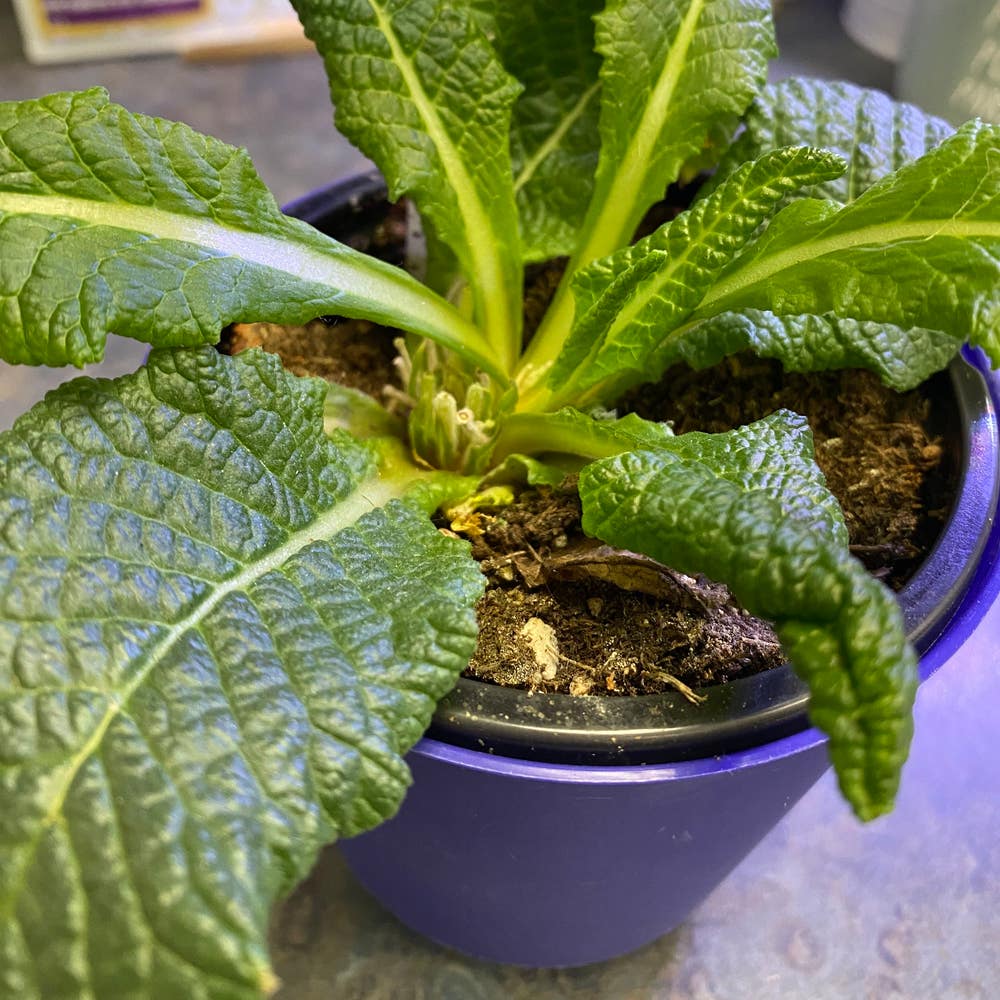
🌼 Ultimate Guide to Primula 'Darent Tiger'
Primula auricula 'Darent Tiger'
By the Greg Editorial Team
Feb 14, 2025•12 min read
This article was created with the help of AI so we can cover more plants for you. May contain errors. See one? Report it here.
Cultivate stunning Primula 'Darent Tiger' blooms 🌸 effortlessly with our expert gardening tips for vibrant success! 🌱
- 🌞 Primula 'Darent Tiger' thrives in partial shade to full sun for optimal growth.
- 💧 Moist, well-drained soil with pH 6.0-7.0 is essential for healthy roots.
- 🌱 Prune after flowering to encourage new growth and maintain plant health.
How to Grow
Choosing a Location 🌞
Primula 'Darent Tiger' thrives in a range of light conditions, from partial shade to full sun. For optimal growth, aim for cool to moderate climates, as these conditions best support the plant's needs.
Soil Preparation 🌱
This plant prefers moist, well-drained soil to flourish. A slightly acidic to neutral pH, ideally between 6.0 and 7.0, will help create the perfect environment for its roots.
Planting Techniques 🌼
The best time to plant Primula 'Darent Tiger' is either early spring or fall. Ensure you space the plants 12-15 inches apart to allow for healthy growth and air circulation.
Watering Requirements 💧
Keep the soil consistently moist, but avoid waterlogging, which can harm the roots. Watch for signs of overwatering, like yellowing leaves, or underwatering, indicated by wilting or dry soil.
Fertilizing Schedule 🌿
Use a balanced, slow-release fertilizer to nourish your plants. Apply it every 4-6 weeks during the growing season to promote vigorous growth and vibrant blooms.
Pruning Methods ✂️
Prune your Primula after flowering to encourage new growth. Techniques include deadheading spent flowers and removing any damaged leaves to keep the plant healthy.
Ongoing Care 🪴
For container care, ensure proper drainage and regularly monitor moisture levels. In outdoor settings, mulching is beneficial as it retains moisture and suppresses weeds, creating a healthier environment for your plants.
With these guidelines, you’re well on your way to cultivating a thriving Primula 'Darent Tiger'. Next, let’s explore how to propagate this beautiful plant effectively.
Propagation
🌱 Seed Propagation
To start your Primula 'Darent Tiger' from seeds, timing is crucial. Sow seeds in early spring for the best results, ensuring they receive a light covering of soil and consistent moisture to encourage germination.
✂️ Division Method
Dividing your plants is another effective propagation method. The best time to do this is in early spring or fall; simply carefully separate clumps and replant them in suitable locations to thrive.
🌿 Cutting Propagation
If you prefer cuttings, select healthy stems that are 4-6 inches long. Use a well-draining rooting medium and keep the cuttings moist to promote successful rooting.
This propagation guide offers you multiple avenues to expand your Primula collection. Whether you choose seeds, division, or cuttings, each method can lead to vibrant new plants ready to brighten your garden. Next, let’s explore the lifecycle of this beautiful perennial.
Lifecycle
Lifecycle Stages 🌱
Primula 'Darent Tiger' is classified as a perennial plant, meaning it lives for multiple years. Its lifecycle includes several distinct stages: germination, seedling, vegetative growth, flowering, and seed production.
Germination Process 🌼
The germination process typically takes 14-21 days under optimal conditions. Providing consistent moisture and light covering will enhance the chances of successful sprouting.
Seedling Stage 🌿
Once germinated, the seedling stage lasts about 4-6 weeks before the young plants are ready for transplanting. During this time, ensure they receive adequate light and moisture to thrive.
Vegetative Growth 🌳
The vegetative growth phase occurs from spring to early summer. This is when the plant focuses on developing its leaves and roots, setting the stage for a robust flowering period.
Flowering Phase 🌸
Primula 'Darent Tiger' blooms in late spring to early summer, showcasing its vibrant flowers. This is the highlight of its lifecycle, attracting pollinators and adding beauty to your garden.
Growth Timeline and Lifespan ⏳
The total lifespan of this plant is typically 3-5 years, with full maturity reached in approximately 1-2 years. With proper care, you can enjoy its stunning blooms for several seasons.
This lifecycle overview highlights the importance of understanding each stage for successful cultivation. Next, we’ll explore how to propagate this beautiful perennial for even more blooms in your garden.
Size
Mature Height and Spread 🌱
Primula 'Darent Tiger' typically reaches a height of 12 to 18 inches. Its spread ranges from 12 to 15 inches, making it a compact yet vibrant addition to any garden.
Growth Rate Specifics ⏳
This plant exhibits a moderate growth rate, achieving its full size within 1 to 2 years. Patience is key, as the wait will be rewarded with stunning blooms.
Size Variability Based on Conditions 🌦️
The size of Primula 'Darent Tiger' can vary based on several factors. Light exposure, soil quality, and moisture levels all play crucial roles in determining how robust your plants will grow.
Understanding these elements can help you create the ideal environment for your Primula, ensuring they thrive and reach their full potential.
As we delve deeper into the care of this beautiful plant, let’s explore its roots and how they contribute to its overall health.
Roots
🌱 Root System Characteristics
Primula 'Darent Tiger' features a fibrous root system that is essential for its growth. These roots are shallow and spread out, allowing the plant to efficiently absorb moisture and nutrients from the soil.
📏 Depth and Spread of Roots
The roots typically extend beyond the plant's canopy, creating a wide network. This characteristic helps the plant stabilize and thrive in various soil conditions.
⚠️ Common Root-Related Issues
One common issue is rootbound conditions, which occur when roots grow too densely in a pot. Signs include stunted growth and roots emerging from drainage holes, indicating that the plant needs more space.
🧐 Identifying Healthy vs. Unhealthy Roots
Healthy roots are firm, white, and well-structured, showcasing a robust plant. In contrast, unhealthy roots appear dark, mushy, or foul-smelling, signaling potential problems that need addressing.
🔍 Recognizing Rootbound Conditions
To recognize rootbound conditions, look for signs like stunted growth or roots pushing through drainage holes. Solutions include repotting the plant into a larger container or performing root pruning to encourage healthy growth.
This understanding of root systems is crucial for maintaining the health of your Primula 'Darent Tiger'. Next, we will explore the benefits of this stunning plant, enhancing your garden's appeal and biodiversity.
Benefits
Aesthetic Appeal 🌸
Primula 'Darent Tiger' boasts vibrant flowers that can transform any garden into a visual delight. Their striking colors and unique patterns create a stunning focal point, making them a favorite among garden enthusiasts.
Attracting Pollinators 🐝
These flowers are not just pretty; they play a crucial role in attracting pollinators like bees and butterflies. By planting them, you contribute to the health of local ecosystems and support the vital work of these creatures.
Cultural Significance 📜
Historically, Primula species have been cherished in traditional gardens. They symbolize renewal and beauty, often featured in folklore and cultural practices, adding depth to your gardening experience.
Medicinal Uses 🌿
Beyond their beauty, Primula 'Darent Tiger' may offer potential benefits in herbal remedies. Some cultures have utilized parts of the plant for their soothing properties, making them a fascinating addition to any herbalist's collection.
Environmental Benefits 🌍
Planting Primula 'Darent Tiger' contributes to garden biodiversity. They support various wildlife and help maintain a balanced ecosystem, making your garden not just beautiful but also environmentally friendly.
Companion Plants
🌱 Concept of Companion Planting
Companion planting is a gardening strategy that pairs plants together for mutual benefits. This technique can enhance pest management, promote improved growth, and increase overall garden diversity.
🌼 Best Companion Plants
For Primula 'Darent Tiger', consider planting alongside ferns and hostas. These shade-loving plants thrive in similar conditions, creating a harmonious and visually appealing garden space.
🚫 Plants to Avoid
Be cautious of aggressive weeds or plants that have conflicting needs. These can compete for resources, ultimately harming the growth and health of your Primula 'Darent Tiger'.
Transitioning to companion planting not only enriches your garden but also fosters a thriving ecosystem. Next, let’s explore the potential toxicity of Primula 'Darent Tiger' to pets and humans.
Toxicity to Humans
⚠️ Potential Irritants
Primula 'Darent Tiger' can be a beautiful addition to your garden, but it's important to be aware of its potential irritants. The leaves and flowers of this plant may cause irritation if handled improperly.
🤕 Symptoms of Irritation
If you come into contact with these parts, you might experience skin rashes, itching, or even mild gastrointestinal upset. It's crucial to recognize these symptoms early to avoid further discomfort.
🧤 Handling Precautions
To ensure safe handling, always wear gloves when working with Primula 'Darent Tiger'. After gardening, wash your hands thoroughly to remove any residual irritants.
🚑 When to Seek Medical Care
If you notice persistent or worsening symptoms, don't hesitate to seek medical care. It's better to be safe and get professional advice if you're unsure about your reaction.
Understanding these safety measures will help you enjoy the beauty of Primula 'Darent Tiger' while minimizing any risks. Now, let’s explore how to keep your plants thriving!
Toxicity to Dogs
Safety for Dogs 🐶
Primula 'Darent Tiger' is generally safe for dogs. Major organizations do not list it as toxic, which is a relief for pet owners who want to enjoy this beautiful plant without worry.
Minor Issues from Excessive Consumption 🤢
While the plant isn't toxic, excessive consumption can lead to mild gastrointestinal upset in dogs. Symptoms may include vomiting or diarrhea, but these are usually not severe.
Tips for Introducing to Homes with Dogs 🏡
When introducing Primula 'Darent Tiger' to your home, consider its placement carefully. Keep it out of reach of curious pups and monitor their behavior around the plant to ensure they don't nibble on it.
This way, you can enjoy the vibrant blooms while keeping your furry friends safe. Now, let’s explore how to care for your Primula to ensure it thrives in your garden!
Toxicity to Cats
Safety for Cats 🐱
Primula 'Darent Tiger' is not listed as toxic by major organizations, making it a relatively safe choice for cat owners. You can enjoy its vibrant blooms without worrying about your feline friends.
Minor Issues from Excessive Consumption 🤢
While generally safe, excessive consumption of the plant may lead to mild gastrointestinal upset in cats. Symptoms could include vomiting or diarrhea, but these are typically not severe.
Tips for Introducing to Homes with Cats 🏡
When introducing Primula 'Darent Tiger' to your home, consider strategic placement. Keep the plant out of reach to minimize any temptation and monitor your cat's behavior around it to ensure they don’t nibble on the leaves.
This thoughtful approach allows you to enjoy the beauty of your Primula while keeping your curious cats safe. Next, let's explore the potential problems that can arise when growing this delightful plant.
Problems
Common Issues 🐛
Primula 'Darent Tiger' can face several challenges that may hinder its growth and flowering. Here are the top five common problems to watch out for:
- Overwatering: This can lead to root rot and other fungal diseases.
- Underwatering: Insufficient moisture can cause wilting and stunted growth.
- Pest Infestation: Pests like aphids and spider mites can damage leaves and flowers.
- Nutrient Deficiency: Lack of essential nutrients can result in poor growth and yellowing leaves.
- Disease: Fungal infections can manifest as spots on leaves or wilting.
Identifying Symptoms 🔍
Recognizing the symptoms of these issues early can save your plant from serious damage.
- Overwatering: Look for yellowing leaves and a mushy stem.
- Underwatering: Signs include drooping leaves and dry soil.
- Pest Infestation: Check for webbing or tiny insects on the undersides of leaves.
- Nutrient Deficiency: Yellowing leaves, especially older ones, can indicate a lack of nutrients.
- Disease: Watch for dark spots or wilting that doesn’t improve with watering.
Solutions for Common Problems 🛠️
Addressing these issues promptly can help your Primula thrive.
- Overwatering: Allow the soil to dry out before watering again. Ensure proper drainage.
- Underwatering: Increase watering frequency, especially in hot weather.
- Pest Infestation: Use insecticidal soap or neem oil to treat affected areas.
- Nutrient Deficiency: Apply a balanced fertilizer to replenish nutrients.
- Disease: Remove affected leaves and improve air circulation around the plant.
By staying vigilant and addressing these common problems, you can enjoy a healthy and vibrant Primula 'Darent Tiger'. Next, let’s explore the fascinating world of pests that may affect your plant.
Bugs
🐜 Potential Pest Issues
Primula 'Darent Tiger' can face several pest challenges. Understanding their resistance and susceptibility is key to maintaining healthy plants.
🔍 Identification of Common Pests
Common pests that may target your Primula include:
- Spider Mites: Tiny, often invisible to the naked eye, these pests can cause significant damage.
- Aphids: Small, soft-bodied insects that cluster on new growth.
- Mealybugs: White, cotton-like pests that can be found in leaf axils and on stems.
⚠️ Damage Caused by Pests
Pests can wreak havoc on your Primula. Look for signs such as:
- Yellowing Leaves: Often a result of aphid feeding.
- Webbing: A telltale sign of spider mites.
- Sticky Residue: This can indicate mealybug infestations, often accompanied by sooty mold.
🛠️ Treatment Options
Managing pest populations is essential for the health of your Primula. Here are effective methods:
- Insecticidal Soap: A safe option for controlling soft-bodied insects like aphids and mealybugs.
- Neem Oil: This natural pesticide disrupts the life cycle of pests without harming beneficial insects.
- Regular Monitoring: Keep an eye on your plants to catch infestations early.
By staying vigilant and employing these strategies, you can protect your Primula 'Darent Tiger' from pests and ensure its vibrant growth. Next, let's explore what animals might be interested in munching on your beautiful plants.
What Eats
🦌 Common Animals
Primula 'Darent Tiger' can attract a variety of herbivores. Common culprits include deer, rabbits, and squirrels, all of which may find these vibrant plants irresistible.
🕵️♂️ Signs of Animal Presence
Identifying signs of animal activity is crucial for protecting your plants. Look for tracks, droppings, and specific damage patterns on the leaves or flowers that indicate a munching visitor.
⚠️ Types of Damage Caused
Herbivores typically target the tender leaves and flowers of Primula. You may notice chewed edges, missing petals, or even entire plants disappearing overnight.
🚫 Deterrent Methods
To keep these hungry animals at bay, consider both chemical and organic deterrents. Options include using repellents, planting companion plants that deter herbivores, or employing physical barriers like fencing to protect your garden.
With a proactive approach, you can enjoy the beauty of Primula 'Darent Tiger' while minimizing the impact of local wildlife. Now that you know what eats these plants, let’s explore how to manage common problems that may arise in your garden.
⚠️ Safety First
This content is for general information and may contain errors, omissions, or outdated details. It is not medical, veterinary advice, or an endorsement of therapeutic claims.
Always consult a qualified healthcare professional before using any plant as food, medicine, or supplement.
Never eat any plant (or feed one to pets) without confirming its identity with at least two trusted sources.
If you suspect poisoning, call Poison Control (800) 222-1222, the Pet Poison Helpline (800) 213-6680, or your local emergency service immediately.
Spotted an error? Please report it here.
Watch your Primula 'Darent Tiger' thrive 🌼 with Greg's personalized watering reminders and tailored fertilization tips that ensure your plant gets the care it needs!