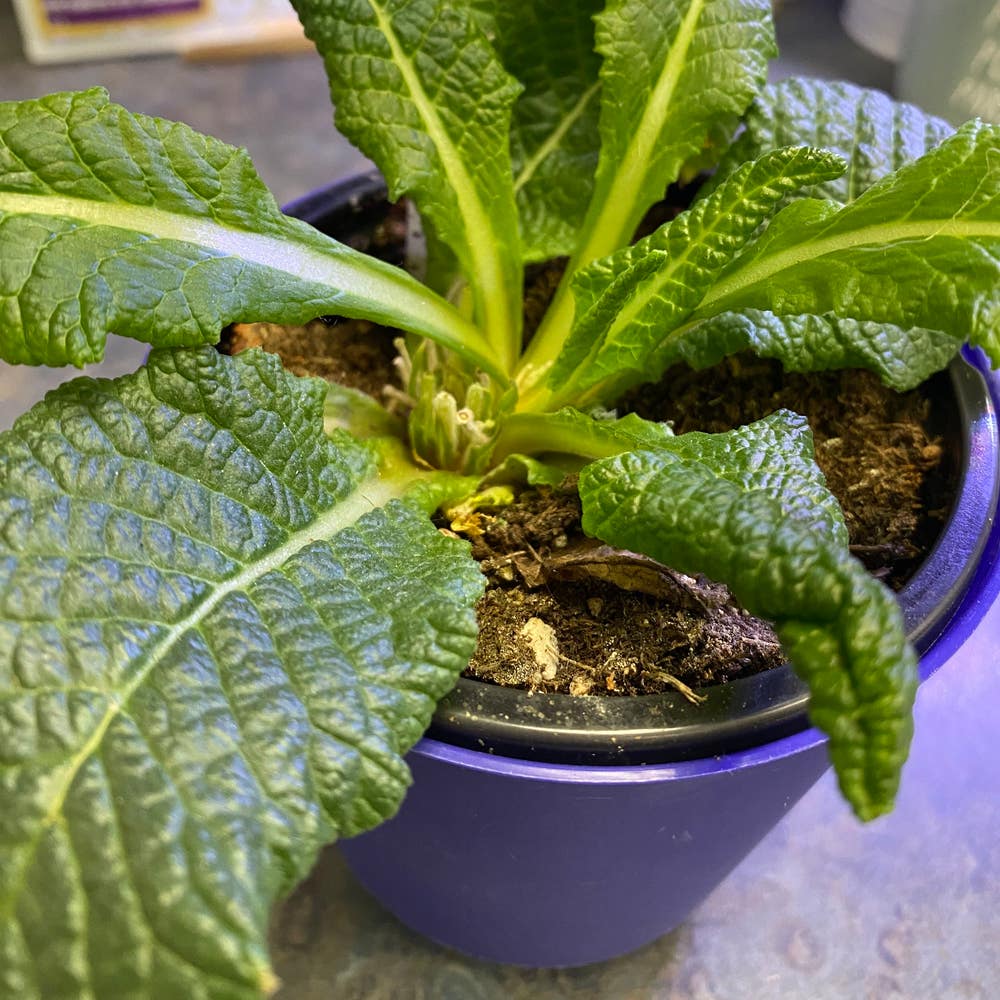
🌸 All About Primula 'Ceri Nicolle': Essential Facts
Primula auricula 'Ceri Nicolle'
By the Greg Editorial Team
Feb 14, 2025•12 min read
This article was created with the help of AI so we can cover more plants for you. May contain errors. See one? Report it here.
Elevate your garden effortlessly with the stunning, low-maintenance Primula 'Ceri Nicolle' blooms! 🌼
- 🌱 Primula 'Ceri Nicolle' thrives in partial shade, perfect for low-light gardens.
- 🌼 Low maintenance and pest-resistant, ideal for beginner gardeners seeking beauty.
- 🌿 Propagate through seeds or division for unique growth benefits and garden diversity.
How to Grow
Choosing a Location 🌳
Primula 'Ceri Nicolle' thrives in partial shade, making it an excellent choice for those tricky spots in your garden where sunlight is limited. Whether you're planting outdoors or in containers, ensure the location provides some shelter from harsh afternoon sun.
Soil Preparation 🏞️
For optimal growth, use well-draining soil rich in organic matter. Aim for a soil pH between 6.0 and 7.0, as Primula prefers slightly acidic to neutral conditions.
Planting Techniques 🌱
The best time to plant is either early spring or fall, allowing the roots to establish before extreme temperatures hit. Space your plants about 12 inches apart to give them room to flourish.
Watering Requirements 💧
Keep the soil consistently moist, but be cautious to avoid waterlogging, which can harm the roots. Regularly check the soil moisture to ensure your Primula is happy and hydrated.
Fertilizing Schedule 🌼
Use a balanced, slow-release fertilizer to nourish your plants. Apply it every 4-6 weeks during the growing season for the best results.
Pruning Methods ✂️
After flowering, it's time to prune! Deadhead spent flowers and remove any damaged leaves to encourage new growth and keep your plants looking their best.
Ongoing Care 🔍
Stay vigilant by monitoring for pests and diseases that could affect your Primula. Adjust your care routine based on seasonal changes to ensure your plants thrive year-round.
With these tips, you'll be well on your way to cultivating a beautiful display of Primula 'Ceri Nicolle' in your garden. Next, let's explore how to propagate this stunning perennial!
Propagation
🌱 Seed Propagation Steps
To propagate Primula 'Ceri Nicolle' from seeds, start by collecting them after flowering. Allow the seed pods to mature fully before harvesting, ensuring the seeds are viable.
Next, sow the seeds at a depth of 1/4 inch in seed trays. This depth helps protect the seeds while allowing them to germinate effectively.
✂️ Division Method
The best time to divide your Primula plants is in early spring or fall. This timing ensures minimal stress on the plant and promotes healthy regrowth.
To divide, carefully separate the clumps of roots and replant them immediately. This method not only helps manage plant size but also encourages new growth.
🌿 Cuttings Method
For the cuttings method, select healthy stems that are 4-6 inches long. This length is ideal for rooting and ensures a better chance of success.
Use a rooting medium that consists of a mix of peat and perlite. This combination provides excellent drainage and aeration, crucial for healthy root development.
By employing these propagation techniques, you can easily expand your Primula 'Ceri Nicolle' collection. Each method offers a unique way to enjoy this beautiful perennial in your garden.
Next, let’s explore the lifecycle of this charming plant and understand its growth stages.
Lifecycle
🌱 Lifecycle Stages
Primula 'Ceri Nicolle' is a perennial plant, meaning it lives for multiple years. This characteristic allows it to thrive in gardens, returning each season to delight with its vibrant blooms.
🌱 Germination Process
Under optimal conditions, the germination process takes about 14 to 30 days. This timeframe is crucial for ensuring healthy seedlings that can establish themselves effectively.
🌱 Seedling Stage Development
During the seedling stage, you'll notice small rosettes of leaves forming. These early leaves are essential for photosynthesis and growth as the plant prepares for its next stages.
🌱 Vegetative Growth Phase
The vegetative growth phase typically lasts 1 to 2 years. During this time, the plant focuses on developing a robust structure and foliage, setting the stage for future flowering.
🌱 Flowering and Seed Production
Primula 'Ceri Nicolle' blooms from late spring to early summer. After flowering, the plant produces seeds, ensuring the continuation of its lifecycle and the potential for new plants.
🌱 Lifespan and Growth Timeline
The overall lifespan of this perennial ranges from 3 to 5 years. Its growth rate is moderate, with full size typically reached within 1 to 2 years, making it a rewarding addition to any garden.
This lifecycle overview highlights the resilience and beauty of Primula 'Ceri Nicolle', paving the way for understanding its care and cultivation. Next, we will explore the various benefits this plant brings to your garden.
Size
Mature Height and Spread 🌱
Primula 'Ceri Nicolle' typically reaches a height of 12 to 18 inches, making it a lovely addition to any garden. Its spread is approximately 12 inches, allowing it to fill in spaces without overwhelming neighboring plants.
Growth Rate Specifics ⏳
This perennial takes about 1 to 2 years to reach its full size. Patience is key, as the gradual growth allows for a robust and healthy plant.
Size Variability Based on Conditions 🌦️
Several factors can influence the size of your Primula 'Ceri Nicolle.' Soil quality, light exposure, and moisture levels all play significant roles in determining how well your plants thrive.
Ensuring optimal conditions can lead to lush, vibrant growth, while neglecting these factors may result in smaller, less vigorous plants. Keep an eye on these elements to maximize your gardening success.
As you nurture your Primula, remember that each plant is unique, and slight variations in size can be perfectly normal. Now that you understand its size, let’s explore the roots that support this beautiful perennial.
Roots
🌱 Root System Characteristics
Primula 'Ceri Nicolle' features a fibrous root system that is both shallow and extensive. This design allows the plant to efficiently absorb moisture from the top layers of soil.
⚠️ Common Root-Related Issues
One of the most common problems is root rot, which occurs due to overwatering. Healthy roots should feel firm and white, while unhealthy roots will appear brown and mushy.
🔒 Recognizing Rootbound Conditions
If you notice stunted growth or roots pushing out of drainage holes, your plant may be rootbound. The solution is simple: repot it into a larger container to give those roots room to thrive.
This understanding of root health is crucial for maintaining a vibrant Primula 'Ceri Nicolle.' Next, let’s explore the benefits of this beautiful plant and why it deserves a spot in your garden.
Benefits
Top 5 Benefits 🌟
Primula 'Ceri Nicolle' offers a range of benefits that make it a fantastic addition to any garden. Here are the top five reasons to consider this delightful perennial.
Attracts Pollinators
These vibrant flowers are a magnet for bees and butterflies, enhancing biodiversity in your garden. By planting Primula 'Ceri Nicolle', you contribute to a healthier ecosystem.Aesthetic Appeal
With their bright colors, these flowers bring life to shaded areas. They can transform dull spots into lively displays, making your garden a visual treat.Low Maintenance
Perfect for beginner gardeners, Primula 'Ceri Nicolle' requires minimal care. Once established, they thrive with little intervention, allowing you to enjoy your garden without the stress.Versatile Use
Whether in containers or garden beds, these plants adapt well to various settings. Their flexibility makes them suitable for any gardening style or space.Cultural Significance
Often associated with spring and renewal, Primula 'Ceri Nicolle' carries a sense of hope and freshness. Incorporating them into your garden can evoke feelings of joy and rejuvenation.
Incorporating Primula 'Ceri Nicolle' into your gardening plans not only beautifies your space but also supports local wildlife and adds a touch of cultural richness. Next, let’s explore the concept of companion planting and how it can enhance your gardening experience.
Companion Plants
Concept of Companion Planting 🌱
Companion planting is a gardening strategy that enhances biodiversity and pest management. By pairing plants with complementary needs, you can create a thriving ecosystem in your garden.
Best Companion Plants 🌼
For Primula 'Ceri Nicolle', consider planting alongside ferns, hostas, and other shade-loving plants. These companions share similar care requirements and create a visually appealing harmony in your garden.
Plants to Avoid 🚫
Be cautious of aggressive plants that may outcompete Primula for resources. Keeping these invasive species at bay ensures your Primula can flourish without unnecessary competition.
Incorporating the right companions can elevate your gardening experience. As you plan your garden, think about how these relationships can enhance both aesthetics and plant health.
Toxicity to Humans
⚠️ Potential Irritants
Primula 'Ceri Nicolle' can cause irritation if its leaves or flowers are handled improperly. Symptoms may include skin rashes, itching, and mild gastrointestinal upset.
🧤 Safe Handling Tips
To minimize risks, always wear gloves when handling these plants. Afterward, be sure to wash your hands thoroughly to remove any potential irritants.
🏥 When to Seek Medical Care
If you experience persistent or worsening symptoms after contact, it's wise to seek medical attention. Better safe than sorry when it comes to your health!
This knowledge about toxicity helps ensure a safe and enjoyable gardening experience. Now, let's explore how to keep your Primula thriving with proper care.
Toxicity to Dogs
Safety for Dogs 🐶
Primula 'Ceri Nicolle' is not listed as toxic by major organizations, making it a relatively safe choice for dog owners. However, if dogs consume excessive amounts, they may experience mild gastrointestinal upset.
Tips for Introducing to Homes with Dogs 🏡
When bringing Primula 'Ceri Nicolle' into a home with dogs, it's wise to keep the plant out of reach. Regularly monitor interactions to ensure your furry friends stay safe and healthy.
This plant can add beauty to your space without posing significant risks to your canine companions. If you're considering adding it to your garden, rest assured that with a little caution, you can enjoy its vibrant blooms alongside your pets.
As we explore further, let’s look at how this plant interacts with our feline friends.
Toxicity to Cats
🐱 Safety for Cats
Primula 'Ceri Nicolle' is not listed as toxic by major organizations, making it a safe choice for cat owners. However, if your feline friend indulges a bit too much, they might experience mild gastrointestinal upset.
🏡 Tips for Introducing to Homes with Cats
When introducing this plant into your home, it's wise to keep it out of reach of curious paws. Monitoring interactions can help ensure your cat stays safe while enjoying the beauty of your garden.
As you cultivate your Primula 'Ceri Nicolle,' remember that a little caution goes a long way in creating a harmonious environment for both your plants and pets. Next, let’s explore the potential problems that can arise when growing this lovely perennial.
Problems
Common Problems 🌱
1. Incorrect Watering
Watering can make or break your Primula 'Ceri Nicolle.' If you notice yellowing leaves or wilting, it’s a sign that your watering routine needs adjustment.
To remedy this, regularly check the soil moisture and modify your watering frequency accordingly. Aim for consistent moisture without waterlogging.
2. Incorrect Light Conditions
Light plays a crucial role in plant health. If your Primula is exhibiting leggy growth or poor flowering, it might be getting too much sun.
Consider relocating it to a shadier spot where it can thrive in partial shade, which is its preferred light condition.
3. Incorrect Temperature
Temperature fluctuations can stress your plants. Stunted growth is often a signal that your Primula is not happy with the current temperature.
To protect it from extreme heat, ensure it has some shade during the hottest parts of the day.
4. Diseases
Diseases like powdery mildew and rust can plague your Primula. Keep an eye out for these common issues, as they can spread quickly.
Improving air circulation around the plant and applying fungicides can help manage these problems effectively.
5. Leaf Issues
Leaf problems can manifest as scorching or fuzzy growth. These symptoms often indicate that your plant is not receiving the right balance of water and light.
Adjusting your watering schedule and light exposure can help restore your Primula to its vibrant self.
By staying vigilant and addressing these common problems, you can ensure your Primula 'Ceri Nicolle' remains healthy and beautiful. Next, let’s explore the potential pest issues that could affect your plant.
Bugs
Potential Pest Issues 🐛
Primula 'Ceri Nicolle' is generally pest-resistant, but it can still face challenges from certain pests. Keeping an eye on your plants will help you catch any issues early.
Identification of Pests 🔍
Common pests that may invade include spider mites, aphids, and mealybugs. Identifying these pests early can save your plants from significant damage.
Damage Caused by Pests ⚠️
Look for symptoms like leaf discoloration and stunted growth, which indicate a pest problem. If your plants start showing these signs, it’s time to investigate further.
Treatment Options 🧴
To combat pests, consider using insecticidal soap or neem oil. Both are effective treatments that can help restore your Primula to health without harsh chemicals.
By staying vigilant and treating any pest issues promptly, you can ensure your Primula 'Ceri Nicolle' thrives in your garden. Next, let’s explore what animals might be munching on your plants and how to deter them.
What Eats
🦌 Common Animals
Primula 'Ceri Nicolle' can attract a variety of hungry critters. The most common culprits include deer, rabbits, and squirrels, all of which may find your vibrant flowers irresistible.
👀 Signs of Animal Presence
Keep an eye out for telltale signs of these visitors. Chewed leaves and droppings nearby are clear indicators that your plants have caught the attention of local wildlife.
⚠️ Types of Damage
The damage caused by these animals can be quite noticeable. They often browse on flowers and leaves, leaving behind a trail of destruction that can diminish the beauty of your garden.
🚫 Deterrent Methods
To protect your precious Primula, consider a few deterrent methods.
- Chemical methods: Commercial repellents can be effective in keeping animals at bay.
- Organic methods: Alternatively, planting deterrent species nearby can create a natural barrier that discourages these pests.
By being proactive, you can enjoy the beauty of your Primula 'Ceri Nicolle' without the worry of unwanted nibblers.
⚠️ Safety First
This content is for general information and may contain errors, omissions, or outdated details. It is not medical, veterinary advice, or an endorsement of therapeutic claims.
Always consult a qualified healthcare professional before using any plant as food, medicine, or supplement.
Never eat any plant (or feed one to pets) without confirming its identity with at least two trusted sources.
If you suspect poisoning, call Poison Control (800) 222-1222, the Pet Poison Helpline (800) 213-6680, or your local emergency service immediately.
Spotted an error? Please report it here.
Transform your garden into a low-light paradise 🌱 with Greg's tailored care tips and watering reminders for thriving Primula 'Ceri Nicolle'!