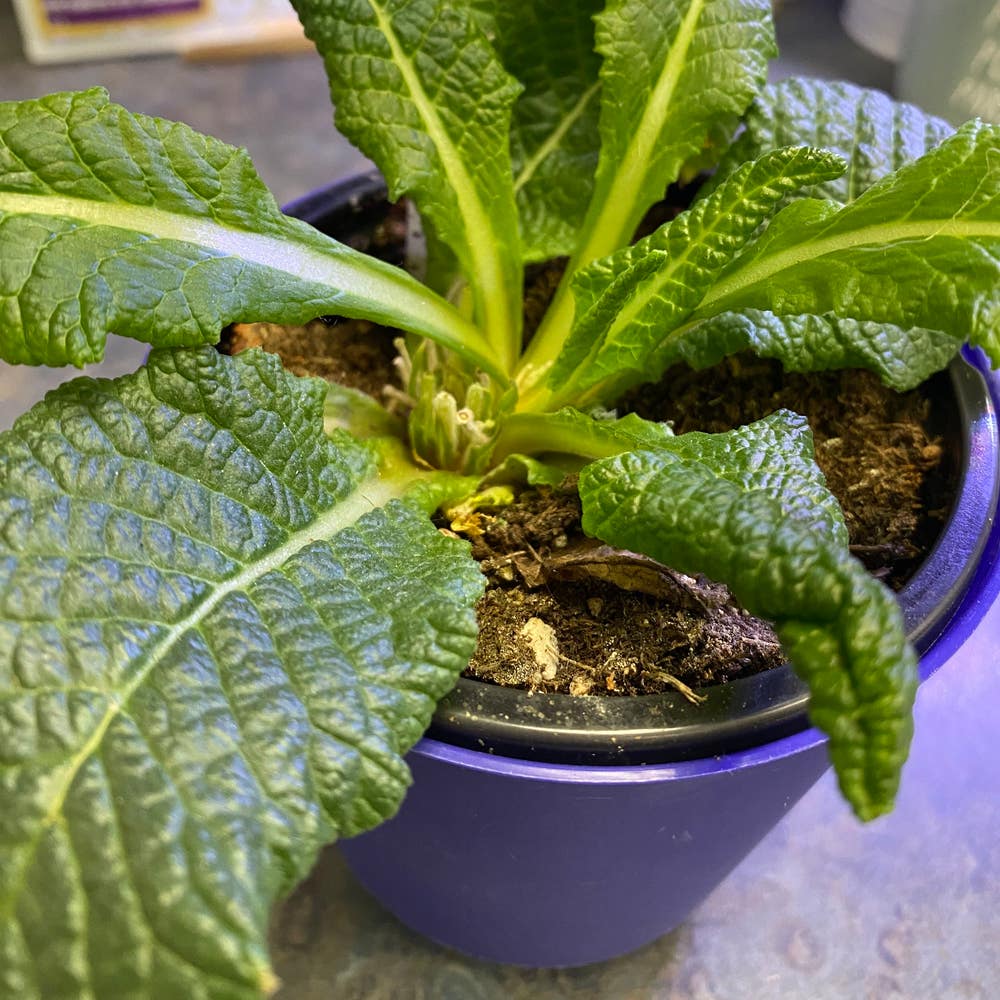
🌻 What You Should Know About Primula 'Belarina Yellow Ruffles'
Primula vulgaris 'Belarina Yellow Ruffles'
By the Greg Editorial Team
Feb 15, 2025•11 min read
This article was created with the help of AI so we can cover more plants for you. May contain errors. See one? Report it here.
- 🌞🌿 Primula 'Belarina Yellow Ruffles' thrives in partial shade to full sun for optimal growth.
- 💧 Consistent moisture is key; avoid overwatering to prevent yellow leaves and root rot.
- 🌼 Prune after flowering to encourage new growth and maintain plant health.
How to Grow
Choosing a Location 🌞
Primula 'Belarina Yellow Ruffles' thrives in a range of light conditions, from partial shade to full sun. Selecting a spot that retains moisture is crucial for the plant's health and growth.
Soil Preparation 🏞️
For optimal growth, use well-draining soil rich in organic matter. Aim for a slightly acidic to neutral pH, between 6.0 and 7.0, and consider adding compost or well-rotted manure before planting.
Planting Techniques 🌱
The best time to plant is early spring or fall. Space your plants 12-18 inches apart and ensure the crown is level with the soil surface for healthy development.
Watering Requirements 🚰
Keep the soil consistently moist, but avoid waterlogging. Watch for signs of overwatering, like yellowing leaves, or underwatering, which can lead to wilting.
Fertilizing Schedule 🍽️
Use a balanced, slow-release fertilizer to nourish your plants. Apply it in early spring and again in mid-summer for the best results.
Pruning Methods ✂️
Prune your Primula after flowering to promote new growth. Techniques include deadheading spent flowers and removing any damaged leaves to keep the plant healthy.
Ongoing Care for Outdoor and Container Growth 🌿
For container growth, ensure adequate drainage and maintain moisture levels. In outdoor settings, mulching helps retain moisture and suppress weeds, creating a thriving environment for your plants.
With these guidelines, you'll be well on your way to cultivating vibrant Primula 'Belarina Yellow Ruffles' in your garden or containers. Next, let’s explore how to propagate this stunning perennial.
Propagation
🌱 Seed Propagation Steps
To propagate Primula 'Belarina Yellow Ruffles' from seeds, timing is key. Sow seeds in late winter to early spring for the best results.
Maintaining cool temperatures and consistent moisture is crucial during germination. This environment encourages healthy seedling development.
✂️ Division Method
Dividing your plants is another effective propagation method. The best time for division is early spring or fall when the plants are actively growing.
To divide, carefully separate clumps and replant them immediately. This ensures that the new plants establish quickly and thrive.
🌿 Cuttings Method
For a more advanced propagation technique, consider taking cuttings. Select healthy, non-flowering stems to ensure the best chance of success.
Use a rooting medium that combines peat and perlite. This mix provides the right balance of moisture and aeration for rooting.
With these methods, you can easily expand your collection of Primula 'Belarina Yellow Ruffles' and enjoy their vibrant blooms in your garden. Next, let’s explore the lifecycle of this beautiful perennial.
Lifecycle
Lifecycle Stages 🌱
Primula 'Belarina Yellow Ruffles' is classified as a perennial. This means it will return year after year, bringing joy with its vibrant blooms.
Germination Process 🌼
The germination process for these plants typically takes 14-30 days under optimal conditions. Providing the right environment is crucial for successful sprouting.
Seedling Stage Characteristics 🌿
During the seedling stage, true leaves begin to develop alongside root establishment. This is a vital phase where the plant starts to gain strength.
Vegetative Growth Phase 🌳
In the vegetative growth phase, you'll notice rosette formation and leaf expansion. This stage is essential for building the plant's structure and preparing for flowering.
Flowering Period 🌸
Primula 'Belarina Yellow Ruffles' blooms in early spring, showcasing its bright yellow flowers. The flowering period lasts several weeks, providing a stunning display.
Seed Production and Lifespan 🌾
These plants typically have a lifespan of 3-5 years in optimal conditions. After flowering, they produce seeds, ensuring the continuation of their beautiful lineage.
Growth Timeline and Speed ⏳
Expect a time to maturity of approximately one year. The growth rate is moderate, influenced by environmental factors like light and moisture.
With this understanding of the lifecycle, you can better appreciate the journey of Primula 'Belarina Yellow Ruffles' from seed to stunning flower. Next, we’ll explore how to effectively propagate this delightful perennial.
Size
Mature Height and Spread 🌱
Primula 'Belarina Yellow Ruffles' typically reaches a height of 12 to 18 inches. Its spread ranges from 12 to 15 inches, making it a lovely addition to garden beds or containers.
Growth Rate Specifics 📈
This perennial exhibits a moderate growth rate, which can vary based on environmental conditions. Factors such as light, water, and soil quality play significant roles in how quickly it flourishes.
Size Variability Based on Conditions 🌦️
The size of your Primula can change depending on several factors. Adequate sunlight, consistent moisture, and nutrient-rich soil will encourage optimal growth, while neglecting these needs may stunt its development.
Understanding these size characteristics can help you plan your garden layout effectively. With the right care, your Primula 'Belarina Yellow Ruffles' will thrive and bring vibrant color to your space.
Roots
🌱 Root System Characteristics
Primula 'Belarina Yellow Ruffles' features a fibrous root system that is both shallow and wide-spreading. This structure allows the plant to efficiently absorb moisture and nutrients from the upper soil layers.
⚠️ Common Root-Related Issues
One of the most common problems is root rot, which occurs due to overwatering. Signs of unhealthy roots include a mushy texture and discoloration, indicating that immediate action is needed.
✅ Identifying Healthy vs. Unhealthy Roots
Healthy roots are firm, white, and well-structured, showcasing the plant's vitality. In contrast, unhealthy roots appear dark, mushy, or may even emit a foul smell, signaling distress.
🔒 Recognizing Rootbound Conditions
If you notice stunted growth or roots emerging from drainage holes, your plant may be rootbound. The solution is simple: repot the plant into a larger container to give those roots room to thrive.
Understanding the root system of Primula 'Belarina Yellow Ruffles' is crucial for its overall health. By keeping an eye on root conditions, you can ensure your plant flourishes beautifully.
Benefits
Aesthetic Appeal 🌼
Primula 'Belarina Yellow Ruffles' boasts stunning bright yellow flowers that can instantly uplift any garden space. Their vibrant hue adds a splash of color, making them a delightful focal point in both outdoor and container settings.
Attracting Pollinators 🐝
These cheerful blooms are not just pretty; they play a vital role in supporting biodiversity. By attracting bees and butterflies, they contribute to a healthier ecosystem, making your garden a haven for these essential pollinators.
Cultural Significance 🌱
Often associated with renewal and the arrival of spring, Primula 'Belarina Yellow Ruffles' carries a sense of hope and rejuvenation. Their presence can evoke feelings of joy and optimism, reminding us of nature's cycles.
Edibility and Culinary Uses 🥗
Did you know that the young leaves of this plant are edible? They can be tossed into salads, adding a fresh, slightly peppery flavor that enhances your culinary creations.
Therapeutic Benefits 🌈
Gardening with Primula 'Belarina Yellow Ruffles' can be a therapeutic experience. Engaging with plants not only beautifies your space but also promotes mental well-being and stress relief, making it a rewarding hobby for many.
As you explore the benefits of this charming perennial, consider how it can enhance your garden's beauty and contribute to your overall well-being. Next, let’s dive into the fascinating world of companion planting and discover which plants thrive alongside this lovely flower.
Companion Plants
🌱 Concept of Companion Planting
Companion planting is a gardening strategy that enhances plant growth and health. It promotes biodiversity, improves pest management, and creates a more vibrant garden ecosystem.
🌼 Best Companion Plants
When growing Primula 'Belarina Yellow Ruffles', consider pairing it with ferns, hostas, and other shade-loving plants. These companions thrive under similar moisture and light conditions, ensuring a harmonious garden environment.
🚫 Plants to Avoid
Be cautious of aggressive plants that compete for nutrients and space. Avoid planting alongside species that may overshadow or outcompete your Primula, as this can hinder its growth and flowering potential.
By selecting the right companions, you can create a thriving garden that showcases the beauty of Primula 'Belarina Yellow Ruffles' while supporting overall plant health. Next, let’s explore the potential toxicity of this charming perennial to both humans and pets.
Toxicity to Humans
⚠️ Potential Irritants
Primula 'Belarina Yellow Ruffles' can be a delightful addition to your garden, but it's essential to be aware of its potential irritants. The leaves and flowers may cause irritation if handled improperly.
🤕 Symptoms of Irritation
If contact occurs, you might experience skin rashes or mild gastrointestinal upset. These symptoms are generally not severe but can be uncomfortable.
🧤 Handling Precautions
To ensure a safe gardening experience, it's wise to wear gloves when handling the plant. Always wash your hands thoroughly afterward to avoid any irritation.
🏥 When to Seek Medical Care
If you notice that symptoms persist or worsen, don't hesitate to seek medical care. It's better to be cautious and get professional advice if you're unsure about your reaction.
Being informed about these potential irritants allows you to enjoy your gardening endeavors while minimizing risks. Now that you know how to handle this beautiful plant safely, let’s explore its effects on our furry friends!
Toxicity to Dogs
Safety for Dogs 🐶
Primula 'Belarina Yellow Ruffles' is generally safe for dogs. Major organizations do not list it as toxic, making it a worry-free addition to your garden.
Minor Issues from Consumption 🤢
While the plant is not harmful, consuming large quantities may lead to mild gastrointestinal upset. It's always best to monitor your furry friends around any plants.
Tips for Introducing to Homes with Dogs 🏡
When bringing this plant into your home, consider its placement. Keep it out of reach of curious paws and observe your dog's behavior to ensure they don't nibble on it.
This plant can brighten your space without posing a risk to your canine companions. Next, let’s explore how to keep your Primula thriving in your garden!
Toxicity to Cats
Safety for Cats 🐱
Primula 'Belarina Yellow Ruffles' is generally safe for cats. Major organizations do not list it as toxic, making it a suitable choice for homes with feline companions.
Minor Issues from Consumption 🤢
While the plant is non-toxic, consuming large quantities may lead to mild gastrointestinal upset. It's always wise to monitor your cat's behavior after any new plant introduction.
Tips for Introducing to Homes with Cats 🏡
To ensure safety, place the Primula out of reach of curious paws. Regularly observe your cat's interactions with the plant to prevent any potential mishaps.
With these precautions, you can enjoy the beauty of Primula 'Belarina Yellow Ruffles' without worry. Next, let’s explore the common problems that can arise when caring for this delightful perennial.
Problems
🌼 Common Problems with Primula 'Belarina Yellow Ruffles'
Growing Primula 'Belarina Yellow Ruffles' can be rewarding, but it's essential to recognize and address common problems that may arise.
💧 Incorrect Watering
One of the most frequent issues is incorrect watering. Overwatering can lead to root rot, while underwatering may cause wilting and stress.
🔍 Identifying Symptoms
Watch for yellowing leaves, which often indicate overwatering, or wilting, a sign of underwatering. Stunted growth can also signal that something is amiss.
🛠️ Causes and Solutions
- Overwatering: Ensure the soil drains well and avoid letting the plant sit in water. Adjust your watering schedule to keep the soil consistently moist but not soggy.
- Incorrect Light Conditions: Primula prefers partial shade to full sun. If your plant isn't thriving, consider relocating it to a spot with better light exposure.
- Diseases: Fungal infections can occur in overly wet conditions. If you notice unusual spots or mold, treat with appropriate fungicides and improve air circulation around the plant.
By staying vigilant and addressing these issues promptly, you can enjoy a healthy and vibrant Primula 'Belarina Yellow Ruffles' in your garden. Next, let’s explore the potential pest problems that can affect your plant's health.
Bugs
🐛 Potential Pest Issues
Primula 'Belarina Yellow Ruffles' is generally pest-resistant, but it can still face challenges. Keeping an eye out for common pests is essential to maintain the health of your plants.
🔍 Identification of Pests
Aphids, spider mites, and mealybugs are the usual suspects when it comes to pest problems. Identifying these pests early can save your plants from significant damage.
⚠️ Damage Caused by Pests
Watch for symptoms like leaf curling, discoloration, and stunted growth. These signs often indicate that pests are wreaking havoc on your Primula.
🧪 Treatment Options
For treatment, consider using organic methods such as insecticidal soap or neem oil. Introducing beneficial insects can also help keep pest populations in check, ensuring your plants thrive.
By staying vigilant and proactive, you can protect your Primula 'Belarina Yellow Ruffles' from unwanted pests. This will allow you to enjoy their vibrant blooms without worry.
What Eats
🦌 Common Animals
Primula 'Belarina Yellow Ruffles' can attract a variety of garden visitors. Common culprits include deer, rabbits, and squirrels, all of which may find these vibrant flowers irresistible.
🕵️♂️ Signs of Animal Presence
Identifying animal activity is crucial for protecting your plants. Look for signs such as chewed leaves, tracks, or droppings around your garden, which indicate that these animals have been feasting on your Primula.
⚠️ Types of Damage
The damage caused by these animals can be quite noticeable. You may find missing leaves or broken stems, which can detract from the beauty of your plants and hinder their growth.
🚫 Deterrent Methods
To safeguard your Primula, consider employing a mix of chemical and organic control methods. Effective strategies include installing fencing, using repellents, and practicing companion planting to create a less inviting environment for these hungry visitors.
By being proactive, you can enjoy the beauty of your Primula 'Belarina Yellow Ruffles' while minimizing the impact of wildlife. Next, let’s explore the potential pest issues that could affect your plants.
⚠️ Safety First
This content is for general information and may contain errors, omissions, or outdated details. It is not medical, veterinary advice, or an endorsement of therapeutic claims.
Always consult a qualified healthcare professional before using any plant as food, medicine, or supplement.
Never eat any plant (or feed one to pets) without confirming its identity with at least two trusted sources.
If you suspect poisoning, call Poison Control (800) 222-1222, the Pet Poison Helpline (800) 213-6680, or your local emergency service immediately.
Spotted an error? Please report it here.
Keep your Primula 'Belarina Yellow Ruffles' thriving 🌼 with Greg's tailored watering alerts and expert care tips for a vibrant garden all season long!