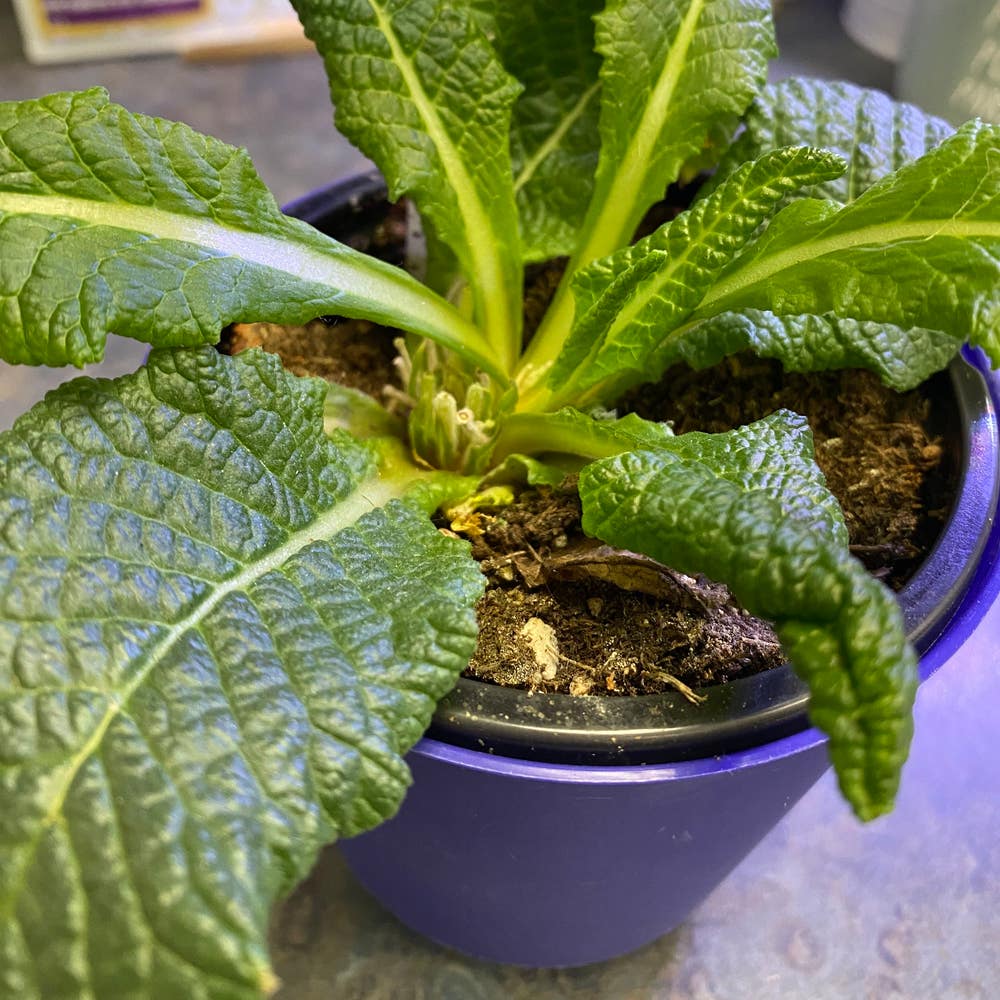
Introduction to Primula 'Allionii Edinburgh' 🌸
Primula allionii 'Edinburgh'
By the Greg Editorial Team
Feb 14, 2025•10 min read
This article was created with the help of AI so we can cover more plants for you. May contain errors. See one? Report it here.
- 🌞🌿 Primula 'Allionii Edinburgh' thrives in partial shade to full sun for versatile gardening.
- 💧 Maintain consistent soil moisture without waterlogging to prevent root damage.
- 🌸 Best planting times are early spring or fall; space plants 12-18 inches apart.
How to Grow
Choosing a Location 🌞
Primula 'Allionii Edinburgh' thrives in ideal light conditions ranging from partial shade to full sun. When deciding between outdoor planting or container growth, consider the space and light availability in your garden.
Soil Preparation 🌱
For optimal growth, use well-draining, moisture-retentive soil. Aim for a pH level between slightly acidic and neutral, ideally between 6.0 and 7.0, to create the perfect environment for your plants.
Planting Techniques 🌼
The best time to plant is during early spring or fall, allowing the roots to establish before extreme weather sets in. Space your plants 12-18 inches apart to ensure they have enough room to grow and flourish.
Watering Requirements 💧
Keep the soil consistently moist but avoid waterlogging, which can harm the roots. Watch for signs of overwatering, like yellowing leaves, or underwatering, indicated by wilting foliage.
Fertilizing Schedule 🌿
Use a balanced, slow-release fertilizer to nourish your Primula. Apply it in early spring and again in mid-summer to support healthy growth throughout the seasons.
Pruning Methods ✂️
Prune your plants after flowering to encourage new growth and maintain their shape. Techniques include deadheading spent flowers and removing any damaged leaves to keep your plants looking their best.
Ongoing Care 🕵️♀️
Regularly monitor moisture levels, especially in containers, to prevent drying out. Adjust your care routine seasonally based on weather conditions, ensuring your Primula remains healthy and vibrant.
With these growing tips, your Primula 'Allionii Edinburgh' will thrive, bringing beauty and joy to your garden. Next, let’s explore how to propagate this lovely plant for even more blooms!
Propagation
🌱 Seed Propagation Steps
To propagate Primula 'Allionii Edinburgh' from seeds, timing is crucial. Sow seeds in early spring, ensuring they are kept moist and warm for optimal germination.
✂️ Division Method
Dividing your plants is another effective propagation method. The best time for division is early spring or fall; carefully separate clumps and replant them to encourage new growth.
🌿 Cutting Techniques
For those interested in cutting techniques, select healthy stems that are 4-6 inches long. Use a rooting medium composed of peat and perlite to promote successful rooting.
This section on propagation sets the stage for understanding how to cultivate and expand your Primula collection. Next, let’s explore the lifecycle of this beautiful perennial plant.
Lifecycle
Lifecycle Stages 🌱
Primula 'Allionii Edinburgh' is classified as a perennial plant, meaning it can live for multiple years. This longevity allows gardeners to enjoy its beauty season after season.
Germination Process 🌱
Seeds typically germinate within 2-3 weeks under optimal conditions. Keeping the soil moist and warm is crucial during this stage.
Seedling Stage 🌱
Once germination occurs, seedlings develop true leaves and establish their root systems. This early growth phase is vital for future health and vigor.
Vegetative Growth Phase 🌱
During the vegetative phase, the plant forms rosettes of leaves. This growth habit helps maximize sunlight absorption and prepares the plant for flowering.
Flowering Period 🌸
Primula 'Allionii Edinburgh' usually blooms in late spring to early summer. The vibrant flowers are a highlight of the garden, attracting pollinators and adding color.
Seed Production 🌱
After flowering, the plant produces seeds, ensuring its continuation. Under optimal conditions, it can live for several years, contributing to the garden's ecosystem.
Growth Timeline ⏳
The time to reach full maturity is approximately 1-2 years. Growth rates can vary, influenced by environmental factors like light and moisture levels.
This lifecycle overview highlights the resilience and beauty of Primula 'Allionii Edinburgh.' Understanding these stages can help you nurture your plants effectively and enjoy their vibrant presence in your garden.
Size
Mature Height and Spread 🌱
Primula 'Allionii Edinburgh' typically reaches a height of 6 to 12 inches. At maturity, its spread can extend from 12 to 18 inches, creating a lovely, lush appearance in your garden.
Growth Rate Specifics 📈
This plant has a moderate growth rate, which can vary based on environmental conditions. Factors such as light, moisture, and soil quality play a significant role in how quickly it develops.
Size Variability 📏
The size of your Primula can fluctuate due to several factors. Soil quality, light exposure, and moisture levels all contribute to how robust your plants will grow, so keep these elements in mind for optimal results.
As you cultivate your Primula 'Allionii Edinburgh', understanding its size and growth patterns will help you provide the best care. Next, let's explore the roots of this fascinating plant and how they contribute to its overall health.
Roots
🌱 Root System Characteristics
Primula 'Allionii Edinburgh' features a fibrous root system that is essential for its growth. This type of root structure is shallow yet extensive, allowing the plant to efficiently absorb moisture from the soil.
📈 Growth Patterns
These plants adapt well to various soil conditions, making them versatile in different gardening environments. Their ability to thrive in diverse settings is a key factor in their popularity among gardeners.
⚠️ Common Root Issues
Overwatering is a common problem that can lead to root rot, a serious condition for any plant. Healthy roots are firm and white, while unhealthy roots appear brown and mushy, indicating a need for immediate attention.
🔄 Recognizing Rootbound Conditions
When a plant becomes rootbound, its roots start to circle the pot, restricting growth. Signs of this condition include stunted growth and water pooling on the surface, which can be frustrating for gardeners.
To remedy rootbound conditions, consider repotting the plant into a larger container or performing root pruning. This will encourage healthier growth and allow the plant to flourish.
With a solid understanding of root systems, you can ensure your Primula 'Allionii Edinburgh' remains healthy and vibrant. Next, let's explore the various benefits this beautiful plant brings to your garden.
Benefits
Aesthetic Appeal 🌸
Primula 'Allionii Edinburgh' boasts vibrant flowers that can truly elevate the beauty of any garden. Their striking colors and unique shapes create a stunning visual display, making them a favorite among gardeners.
Attracting Pollinators 🐝
These plants play a crucial role in attracting pollinators like bees and butterflies. Their blossoms provide essential nectar, supporting local ecosystems and promoting biodiversity.
Cultural Significance 📜
Historically, Primula species have been celebrated in folklore and traditional medicine. They carry cultural stories and uses that enrich our understanding of plant life.
Medicinal Uses 🌿
In herbal remedies, Primula 'Allionii Edinburgh' has potential applications. While not widely studied, some believe it may offer health benefits, adding another layer to its appeal.
Environmental Benefits 🌍
Beyond beauty, these plants contribute positively to soil health and biodiversity. They help create a balanced ecosystem, making them a valuable addition to any garden.
With these benefits in mind, it's clear that Primula 'Allionii Edinburgh' is more than just a pretty face in the garden. Its role in supporting wildlife and enhancing cultural practices makes it a plant worth considering for your green space.
Companion Plants
🌱 Concept of Companion Planting
Companion planting is a gardening strategy that pairs plants together for mutual benefits. This technique can enhance pest management and promote improved growth, creating a thriving ecosystem in your garden.
🌼 Best Companion Plants
When selecting companions for Primula 'Allionii Edinburgh', consider shade-loving plants like ferns and hostas. These plants share similar care needs and contribute to a harmonious aesthetic, making them ideal partners in your garden.
🚫 Plants to Avoid
It's essential to steer clear of plants that require full sun or dry conditions. Such companions can compete for resources and create stress for your Primula, hindering its growth and overall health.
By thoughtfully choosing companion plants, you can create a vibrant and supportive environment for your Primula 'Allionii Edinburgh'. This not only enhances the beauty of your garden but also fosters a healthy ecosystem that benefits all plants involved.
Toxicity to Humans
⚠️ Potential Irritation
Primula 'Allionii Edinburgh' can cause mild to moderate irritation. While it's not highly toxic, caution is still advised when handling this beautiful plant.
🌿 Specific Parts Causing Irritation
The leaves and flowers are the primary culprits for skin irritation. Contact with these parts may lead to discomfort, so it's best to be aware.
🤕 Symptoms of Discomfort
If irritation occurs, symptoms may include skin rashes or mild gastrointestinal upset. These reactions are generally not severe but can be bothersome.
🧤 Handling Precautions
To minimize risk, always wear gloves when handling Primula. Afterward, wash your hands thoroughly to remove any potential irritants.
🏥 When to Seek Medical Care
If symptoms persist or worsen, it's wise to seek medical advice. Better safe than sorry, especially when it comes to skin reactions!
This knowledge empowers you to enjoy your gardening experience while staying safe. Now, let’s explore the common problems you might encounter with Primula 'Allionii Edinburgh'.
Problems
Common Issues 🌱
Growing Primula 'Allionii Edinburgh' can be rewarding, but it comes with its share of challenges. The most common problems include overwatering, inadequate light, and various diseases.
Identifying Unhealthy Plants 🧐
Recognizing when your plant is in distress is crucial for its recovery. Look for signs like wilting or yellowing leaves, which often indicate that something is amiss.
Solutions for Watering Issues 💧
If you suspect watering issues, start by assessing the soil moisture. Adjust your watering practices based on whether the soil feels too dry or overly saturated.
Light and Temperature Issues 🌡️
Inadequate light or temperature stress can significantly affect your plant's health. Signs include leggy growth or leaf drop, signaling that your Primula needs a better spot.
Disease Management 🦠
Common diseases like powdery mildew and rust can plague your Primula. Treat these issues promptly with appropriate fungicides or by improving air circulation around the plant.
By staying vigilant and addressing these problems early, you can ensure your Primula thrives. Next, let’s explore the pests that might threaten your beautiful blooms.
Bugs
🛡️ Pest Resistance
Primula 'Allionii Edinburgh' is generally resilient, but it can fall prey to specific pests. Understanding these vulnerabilities is key to maintaining a healthy plant.
🐜 Common Pests
The most common pests that target this plant include spider mites, aphids, and mealybugs. Each of these pests can cause significant damage if not addressed promptly.
🔍 Identification of Pests
Identifying an infestation early can save your plant. Look for signs such as webbing from spider mites, sticky residue from aphids, or the presence of visible insects like mealybugs.
⚠️ Damage Caused by Pests
Pests can lead to various types of damage, including leaf curling and stunted growth. These symptoms can severely impact the overall health of your Primula.
💧 Treatment Options
To combat these pests, consider using insecticidal soap or neem oil. Both options are effective and help restore your plant's vitality without harsh chemicals.
By staying vigilant and addressing pest issues promptly, you can ensure your Primula thrives. Next, let’s explore what garden animals might pose a threat to your plants.
What Eats
🦌 Common Garden Animals
In your garden, a few furry friends might be lurking around, ready to munch on your Primula 'Allionii Edinburgh'. Deer, rabbits, and squirrels are the main culprits that can wreak havoc on your plants.
👀 Signs of Animal Presence
Keep an eye out for telltale signs of these garden visitors. Chewed leaves and droppings are clear indicators that your plants have attracted some unwanted attention.
⚠️ Types of Damage
The damage caused by these animals can vary. You might notice browsing on foliage or even uprooted plants, which can be quite disheartening for any gardener.
🛡️ Deterrent Methods
To protect your precious Primula, consider employing both chemical and organic control methods. Repellents can deter animals, while physical barriers like fences or netting can provide an effective shield against these hungry pests.
By staying vigilant and taking proactive measures, you can enjoy the beauty of your garden without the worry of it becoming a buffet for local wildlife.
⚠️ Safety First
This content is for general information and may contain errors, omissions, or outdated details. It is not medical, veterinary advice, or an endorsement of therapeutic claims.
Always consult a qualified healthcare professional before using any plant as food, medicine, or supplement.
Never eat any plant (or feed one to pets) without confirming its identity with at least two trusted sources.
If you suspect poisoning, call Poison Control (800) 222-1222, the Pet Poison Helpline (800) 213-6680, or your local emergency service immediately.
Spotted an error? Please report it here.
Unlock a blooming garden paradise 🌸 with Greg's tailored care tips and reminders, ensuring your Primula 'Allionii Edinburgh' thrives beautifully in any setting!