
OMG new growth in my ficus and Homalomena!
OMG OMG
For my fellow #moonshiners and #FicusGang …please enjoy the cutest teeniest new leaves I may have ever seen!! 😱
Both of these I got as baby plants from Etsy and are finally settling in and ready to grow! First is a ficus Altissima and the second is the ficus moonshine.
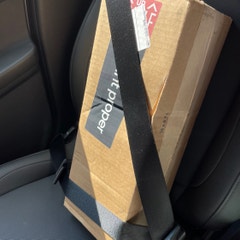
It’s been an exciting week of growth over here. In addition to those cuties, my #Homalomena (from #plantproper) flowered and actually opened! I had read many of them never do so wasn’t optimistic. So it was even more of a surprise to see it open this morning 🥰
The joys of plant parenthood…hope you all had a great week and lots of new growth yourselves! Let’s just pretend this was posted in time for #FreshLeafFriday
#NewGrowth #HappyPlants #PlantsMakePeopleHappy #PlantAddict #PlantTherapy #lemrobslovesgreg
For my fellow #moonshiners and #FicusGang …please enjoy the cutest teeniest new leaves I may have ever seen!! 😱
Both of these I got as baby plants from Etsy and are finally settling in and ready to grow! First is a ficus Altissima and the second is the ficus moonshine.
It’s been an exciting week of growth over here. In addition to those cuties, my #Homalomena (from #plantproper) flowered and actually opened! I had read many of them never do so wasn’t optimistic. So it was even more of a surprise to see it open this morning 🥰
The joys of plant parenthood…hope you all had a great week and lots of new growth yourselves! Let’s just pretend this was posted in time for #FreshLeafFriday
#NewGrowth #HappyPlants #PlantsMakePeopleHappy #PlantAddict #PlantTherapy #lemrobslovesgreg


 10
10





@lemrobs they are gorgeous plants. I also noticed brown spots on yours.
How to Get Rid of Brown Spots on Rubber Plant leaves: Prune away diseased or heavily affected leaves so that green, healthy foliage can thrive. Use pruning shears or scissors and disinfect with alcohol between trims. You should also remedy watering, light, humidity, temperature, pests/diseases, and other conditions that caused brown spots.
Before I walk you through the various potential causes and treatment options, let’s talk about where these spots are found and how they appear.
What Portions of the Plant Are Infected?
Rubber plants are currently hot and trendy for their charming personality, character, and beauty. That’s why it can be nerve-wracking to see them freckled with brown spots.
These are dark brown patches or blotches, prominently on the leaves. The browning usually starts from the leaf tips and edges. And depending on the cause, they can start as small brown spots on the center or near the edges.
Some pests and diseases may attack the base of the leaf. Some may appear where the leaf meets the stem. In either case, you may see brown spots on the leaf underside and stems.
If the issue isn’t dealt with in the early stages, brown spots will appear on new leaves, shoots, and new stems.
What Causes Brown Spots on Rubber Plants?
Brown spots on Indoor potted rubber plant leaves
Rubber Plant Algal Leaf Spot
The rubber plant algal leaf spot is caused by parasitic algae called Cephaleuros virescens. It thrives in warm, humid conditions. It’s sometimes known as green scurf.
Symptoms
The leaf spot disease is characterized by small rough, mesh-like brown spots on the leaves of your rubber plant. They can be pale green, gray, or orange. These small spots can expand and merge into larger brown blotches.
Stunted growth and appearance
Reddish-brown lesions on twigs or branches (on large plants)
Leaf yellowing and falling off prematurely
Control and Management
Luckily, algal leaf spot is rarely a lethal disease. Instead, the damage is usually cosmetic, and organic control methods should be enough.
Encourage dry leaves by pruning excess foliage, improving aeration, and spacing out your houseplants. Also, avoid overhead watering – instead, water at the base or use self-watering pots.
Remove and discard diseased or dead parts of your rubber plant
Ensure your plant is healthy so that it can fend off infections. Water, fertilize and provide light as needed. Ensure the soil is well-drained, aerated, and fertile.
If the infection is too severe, apply copper-based fungicide or Bordeaux mixture biweekly until you get rid of the algal leaf spots.
Alternaria
Alternaria is a fungal disease that leaves plaque-like spots on the leaves of your rubber plant.
Symptoms
Alternaria is a fungal disease that leaves plaque-like spots on the leaves of your rubber plant. They often start as small (around half-inch in diameter) dark circular brown spots. They may change in color as they spread from dark brown or black to gray or tan, usually encircled by yellow halos around the outside.
A stunted or weak plant
Sunburned, wilted, and dropping leaves
Fuzzy-textured spots
Control and Management
Start by isolating your infected rubber plant.
Prune away and discard diseased, dead, or heavily affected plant materials
Treat your rubber plant by spraying with copper-based fungicides
Keep your plant as healthy as possible.
Anthracnose
Anthracnose is one of the most severe fungal diseases that can affect your rubber plant. It’s caused by Colletotrichum, which blooms in damp conditions.
Rubber Plant Brown Spots Due to Anthracnose
Rubber Plant Brown Spots Due to Anthracnose
Symptoms
When Anthracnose infects your rubber plant, you will see reddish-brown or tan lesions along the veins. The infect areas will die and sink in, leading to the following symptoms:
New, younger leaves to curl up
Distorted growth
Some parts of the leaves die rather than the whole leaf
Greasy yellow halos encircling the brown spots
Leaves drop prematurely
Control and Management
Isolate your affected rubber plant.
Make sure to remove and discard any diseased parts, debris, and fallen leaves.
Stay away from overhead watering.
Spray your Ficus elastica with copper-based fungicides. If the case is too severe, consider using chemical fungicides, such as those containing chlorothalonil.
Septoria Leaf Spot
If you leave your Ficus elastica in wet, humid conditions for long, it may develop Septoria leaf spots. This is a fungal disease characterized by small, irregular (about 1/8-1/4-inch in diameter) brown spots on both leaf tops and undersides.
Leaves may shrivel, blacken, and drop off.
Control and Management
Poor aeration and overcrowding act as a fan for the spread of septoria leaf spot disease. That’s why it’s crucial that you quarantine affected houseplants immediately.
Prune and destroy diseased, dropped, or dead parts
Space out your houseplants to improve aeration
Spray using captan, copper, or sulfur-based fungicide
How to Get Rid of Brown Spots on Rubber Plant leaves: Prune away diseased or heavily affected leaves so that green, healthy foliage can thrive. Use pruning shears or scissors and disinfect with alcohol between trims. You should also remedy watering, light, humidity, temperature, pests/diseases, and other conditions that caused brown spots.
Before I walk you through the various potential causes and treatment options, let’s talk about where these spots are found and how they appear.
What Portions of the Plant Are Infected?
Rubber plants are currently hot and trendy for their charming personality, character, and beauty. That’s why it can be nerve-wracking to see them freckled with brown spots.
These are dark brown patches or blotches, prominently on the leaves. The browning usually starts from the leaf tips and edges. And depending on the cause, they can start as small brown spots on the center or near the edges.
Some pests and diseases may attack the base of the leaf. Some may appear where the leaf meets the stem. In either case, you may see brown spots on the leaf underside and stems.
If the issue isn’t dealt with in the early stages, brown spots will appear on new leaves, shoots, and new stems.
What Causes Brown Spots on Rubber Plants?
Brown spots on Indoor potted rubber plant leaves
Rubber Plant Algal Leaf Spot
The rubber plant algal leaf spot is caused by parasitic algae called Cephaleuros virescens. It thrives in warm, humid conditions. It’s sometimes known as green scurf.
Symptoms
The leaf spot disease is characterized by small rough, mesh-like brown spots on the leaves of your rubber plant. They can be pale green, gray, or orange. These small spots can expand and merge into larger brown blotches.
Stunted growth and appearance
Reddish-brown lesions on twigs or branches (on large plants)
Leaf yellowing and falling off prematurely
Control and Management
Luckily, algal leaf spot is rarely a lethal disease. Instead, the damage is usually cosmetic, and organic control methods should be enough.
Encourage dry leaves by pruning excess foliage, improving aeration, and spacing out your houseplants. Also, avoid overhead watering – instead, water at the base or use self-watering pots.
Remove and discard diseased or dead parts of your rubber plant
Ensure your plant is healthy so that it can fend off infections. Water, fertilize and provide light as needed. Ensure the soil is well-drained, aerated, and fertile.
If the infection is too severe, apply copper-based fungicide or Bordeaux mixture biweekly until you get rid of the algal leaf spots.
Alternaria
Alternaria is a fungal disease that leaves plaque-like spots on the leaves of your rubber plant.
Symptoms
Alternaria is a fungal disease that leaves plaque-like spots on the leaves of your rubber plant. They often start as small (around half-inch in diameter) dark circular brown spots. They may change in color as they spread from dark brown or black to gray or tan, usually encircled by yellow halos around the outside.
A stunted or weak plant
Sunburned, wilted, and dropping leaves
Fuzzy-textured spots
Control and Management
Start by isolating your infected rubber plant.
Prune away and discard diseased, dead, or heavily affected plant materials
Treat your rubber plant by spraying with copper-based fungicides
Keep your plant as healthy as possible.
Anthracnose
Anthracnose is one of the most severe fungal diseases that can affect your rubber plant. It’s caused by Colletotrichum, which blooms in damp conditions.
Rubber Plant Brown Spots Due to Anthracnose
Rubber Plant Brown Spots Due to Anthracnose
Symptoms
When Anthracnose infects your rubber plant, you will see reddish-brown or tan lesions along the veins. The infect areas will die and sink in, leading to the following symptoms:
New, younger leaves to curl up
Distorted growth
Some parts of the leaves die rather than the whole leaf
Greasy yellow halos encircling the brown spots
Leaves drop prematurely
Control and Management
Isolate your affected rubber plant.
Make sure to remove and discard any diseased parts, debris, and fallen leaves.
Stay away from overhead watering.
Spray your Ficus elastica with copper-based fungicides. If the case is too severe, consider using chemical fungicides, such as those containing chlorothalonil.
Septoria Leaf Spot
If you leave your Ficus elastica in wet, humid conditions for long, it may develop Septoria leaf spots. This is a fungal disease characterized by small, irregular (about 1/8-1/4-inch in diameter) brown spots on both leaf tops and undersides.
Leaves may shrivel, blacken, and drop off.
Control and Management
Poor aeration and overcrowding act as a fan for the spread of septoria leaf spot disease. That’s why it’s crucial that you quarantine affected houseplants immediately.
Prune and destroy diseased, dropped, or dead parts
Space out your houseplants to improve aeration
Spray using captan, copper, or sulfur-based fungicide


@KikiGoldblatt thanks! They’ve always been there since the plant came to me as a starter baby and fortunately aren’t on the newer leaves. I’m keeping an eye on them and they haven’t spread, so optimistic for now. Lots of good info you’ve put here for me to refer back to if it changes 🤞🏼

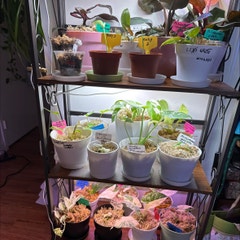
@clairsheart it’s the best! Sometimes I feel like I have an addiction…constantly checking my plants for new growth 🤪

I did the same thing honey