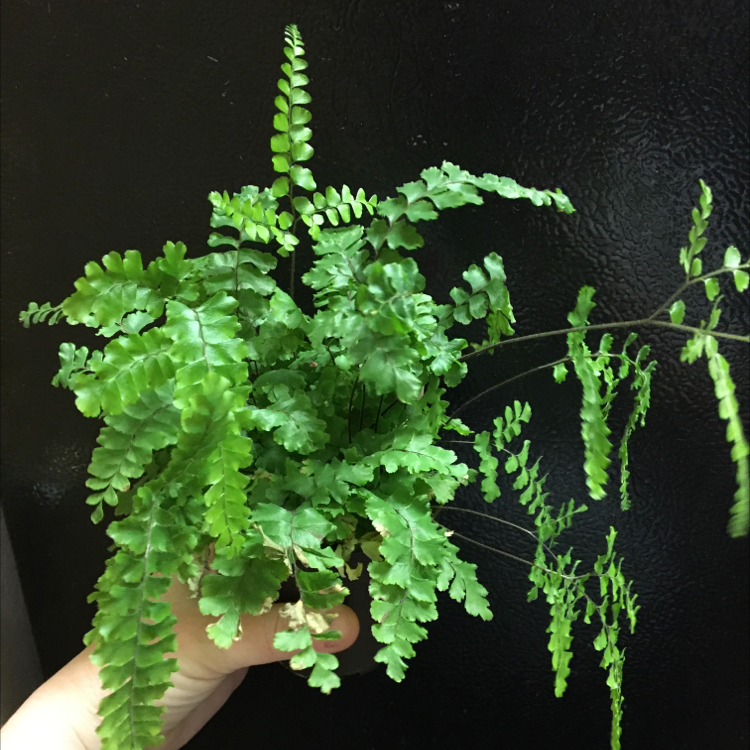
Best Soil for Boston Fern
What Soil Does a Boston Fern Need?
Boston Ferns are native to humid tropical forests where the ground stays perpetually damp under a thick layer of organic matter. They need soil that holds consistent moisture without ever becoming waterlogged, with enough organic material to keep roots cool and supplied with nutrients. Their fibrous root system is dense but fine, and it needs a soft, airy medium to spread through.
Boston Ferns come from the forest floor, where fallen leaves and decaying plant matter create a spongy, moisture-retaining layer just above the soil. Standard potting mix dries out too fast and lacks the organic richness these ferns want. You need a mix that holds water like a sponge but still lets air move through it so roots don't suffocate.
Peat moss or coconut coir forms the backbone of a good fern mix because both hold moisture extremely well while staying light enough for roots to penetrate. Adding compost brings in the organic nutrients ferns pull from the forest floor. A small amount of perlite keeps the mix from packing down over time, which would cut off airflow to the root zone.
Avoid any mix marketed for cacti or succulents. Those mixes drain too fast and will leave a Boston Fern wilting between waterings. Also skip mixes with added fertilizer granules. Ferns have fine, sensitive roots that can burn from concentrated fertilizer. Feed them separately with a diluted liquid feed during the growing season instead.
What Soil Mix Should I Use for My Boston Fern?

What pH Does My Boston Fern Need?
Boston Ferns prefer a slightly acidic pH of 5.0–6.5. Most peat-based mixes naturally fall in this range, which is one reason peat works so well for ferns. You can check your mix's pH with a simple meter or test strips from the garden center, which cost just a few dollars.
When the pH climbs above 6.5, iron and manganese become less available, and you'll notice the fronds turning yellow or pale green with a washed-out look. Alkaline tap water used over time can gradually push the pH up, which is why ferns in hard-water areas often benefit from occasional watering with rainwater or filtered water. Below 5.0, the mix becomes too acidic and root function slows, causing fronds to brown and growth to stall.
When Should I Replace My Boston Fern's Soil?
Boston Ferns are moderate to fast growers and their peat-based mix breaks down within 1–2 years. As the organic matter decomposes, the soil loses its structure, packs down, and holds less air. Drainage slows, and you'll notice it taking longer for water to soak in. Refresh or fully repot every 12–18 months in spring, when new growth is beginning.
Because ferns are watered frequently, salt buildup from tap water also accumulates in the mix over time. This can burn the fine roots and cause tip browning on fronds. Repotting with fresh mix flushes out those salts and gives the plant a clean start.
How Do I Amend Garden Soil for a Boston Fern?
Boston Ferns grow fast and put out a dense tangle of roots that need consistently moist, humus-rich soil. They are forest-floor plants at heart and do best in ground that feels like soft, crumbly leaf litter.
Clay soil needs compost, aged bark, and perlite to stay loose and breathable around those crowded roots. Sandy soil lets moisture slip away too quickly for a fern this thirsty, so mix in plenty of compost and leaf mold. Plant in a shaded spot where the soil stays damp without becoming muddy.
Got More Questions?
About This Article
