What To Do About Bugs on My Boston Fern? π
Nephrolepis exaltata
By the Greg Editorial Team
Jun 08, 2024•8 min read
This article was created with the help of AI so we can cover more plants for you. May contain errors. See one? Report it here.
- Look for discoloration, webbing, and stickiness as signs of pests on Boston Ferns.
- Neem oil and horticultural soap are effective, plant-safe pest treatments.
- Prevent pests with clean surroundings and proper humidity and watering.
Identifying General Signs of Pest Infestation
π Visual Indicators
Discoloration or wilting? Your Boston Fern might be throwing up red flags about uninvited guests. Pests often leave clues like speckled leaves, sticky residue, or the dreaded webbing that screams spider mites.
π΅οΈββοΈ Physical Evidence
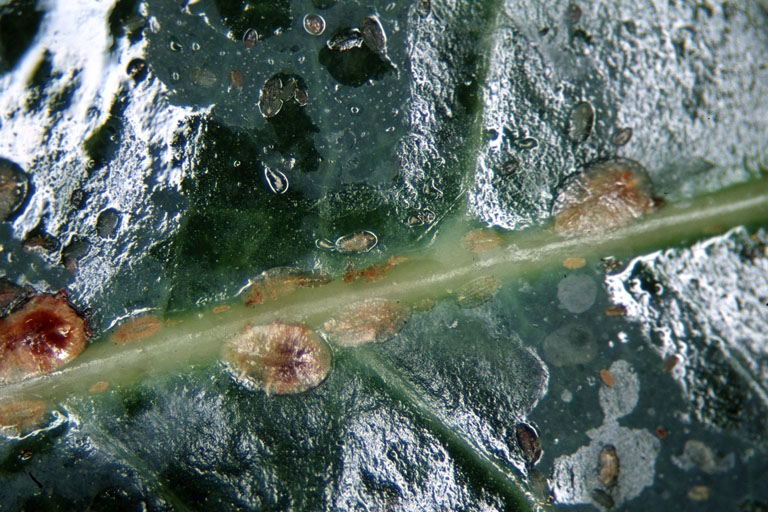
Holes in the fronds? Could be caterpillars playing hide and seek. Tiny brown shells? That's scale, not to be mistaken for the harmless spores that signal a happy, mature fern.
π Behavioral Changes
A fern that's usually perky but suddenly looks as droopy as a teenager asked to do chores might be under siege. Overwatering can lead to root rot, but if you're sure your watering game is on point, pests could be the culprits.
π΅οΈββοΈ The Unseen Culprits
Sometimes the pests are sneaky. No visible munchers? Check the underside of leaves for whiteflies or the telltale signs of mealybugs. They're like the ninjas of the pest world, often invisible until it's too late.
π¨ Early Intervention
Catch them early, and you can avoid the whole "my plant's turned into a bug buffet" scenario. Regular checks are your best defense. Spot something? Quarantine your fern faster than you'd unfriend someone oversharing on social media.
π The Right Treatment
Natural remedies are your go-to. Think neem oil, not nuclear options. Harsh chemicals are a no-no; they're like using a sledgehammer to swat a fly. Plus, you don't want to harm your fern's delicate fronds.
π‘οΈ Prevention is Key
Keep your fern's environment clean, and you might just avoid the pest party altogether. Remember, pests are like that one friend who always overstays their welcome. Don't give them a reason to settle in.
Common Pests Affecting Boston Fern
π·οΈ Spider Mites
Identification and Impact
Spider mites are tiny critters that treat your Boston Fern like an all-you-can-eat buffet. These pests suck the life out of your plant, leaving behind telltale signs of yellowing leaves and fine webbing.
Remedies and Control
To show them the door, isolate your plant to prevent a full-blown mite party. Wipe down leaves with a damp cloth and apply insecticidal soap or neem oil with gusto. Repeat weekly until your fern breathes easy again.
Prevention Tactics
Prevent future invasions by keeping humidity on the up. Spider mites hate a moist environment, so misting your fern can be as deterring as garlic to vampires.
π¦ Scale Insects
Understanding Scale
Scale insects are like tiny, stubborn squatters on your Boston Fern, latching on and refusing to leave. They cause yellowing leaves and stunted growth, a real downer for your plant's vibe.
Detection and Treatment
Spot these clingy pests as bumpy brown spots on leaves and stems. If they've made themselves at home, dab them with alcohol or go full-on with horticultural oil to evict them for good.
Prevention Strategies
Keep your fern's environment clean and check regularly for freeloaders. A healthy, well-cared-for fern is less of a target, so stick to the care script.
π¦ Fungus Gnats / Fruit Flies
Recognizing the Buzz
Fungus gnats and fruit flies are like those annoying guests that hover around your food. They're attracted to moist soil and can stress out your Boston Fern.
Solutions for Infestations
Cut off their party supply by letting the soil dry out between waterings. Sticky traps are like a no-entry sign, and a sprinkle of diatomaceous earth tells them the bar's closed.
π¦ Mealybugs
Mealybug Mayhem
Mealybugs are the couch potatoes of the pest world, setting up camp in leaf crevices and under stems. They leave a white cottony residue and sap the energy from your fern.
Combat and Prevention
Evict these lazy bugs by cleaning them off with a Q-tip and alcohol. Keep the atmosphere around your fern less inviting by maintaining proper humidity and airflow.
Additional Common Pests
The Usual Suspects
Aphids, thrips, and whiteflies might also drop by uninvited. These pests are like the pickpockets of the plant world, sneaking in and causing mayhem before you know it.
Management and Strategy
Regular inspections are your best defense. Spot them early and hit them with insecticidal soap or neem oil. Remember, a happy fern is your best defense, so keep up with that TLC.
Preventative Measures
π‘ Creating a Pest-Discouraging Environment
Humidity is key. Boston Ferns crave a moist atmosphere, so think tropical, not desert. Use a humidifier or place the pot on a tray of pebbles and water, ensuring the pot doesn't take a dip. Keep the air moving but avoid drafts; stagnant air is a bug's best friend, and drafts are the frenemy of ferns.
π° Watering Wisdom
Overwatering is an open invitation to pests, especially fungus gnats. Let the topsoil dry out before giving your fern another drink. Remember, soggy equals buggy.
π Natural Deterrents and Barriers
Neem oil is the bouncer for your Boston Fern club. Apply it as a preventative measure to keep the pests from party-crashing. Sticky traps can snag those adult gnats looking to boogie in the soil. And don't forget to remove any fallen leaves; cleanliness is next to pestlessness.
π‘οΈ Quarantine New Plants
New plants could be carrying stowaway bugs. Isolate them for a couple of weeks, just like a suspenseful scene in a sci-fi flick, but with plants. Regular inspections during this time are crucial.
π Regular Inspections: The Pest Patrol
Make it a habit to inspect your fern. Check the undersides of leaves and the nooks and crannies. Catching pests early is like catching typos before hitting sendβsaves a lot of trouble.
π Sunlight and Soil: The Dynamic Duo
Keep your fern in bright, indirect light. Direct sun is a no-no; it's like a bad tan for your plant. And ensure your pot drains well; waterlogged soil is a bug's playground.
πΏ Humor in Humidity
Keep the humidity high without drowning your plant. Think of it as creating a spa for your fern, where the air is steamy, and pests are not on the guest list.
Safe Pest Control Practices
π Importance of Safe Methods
Safety firstβwhen it comes to pest control for your Boston Fern, gentle is the game. Harsh chemicals? They're the bull in a china shop, potentially more destructive than the pests themselves.
π Choosing Pest Control Products
Read the Label
Before you play mixologist with pest control potions, read the label. It's like the rulebook for not killing your plant.
Go for Mild Solutions
Insecticidal soaps and neem oil are your fern's BFFsβeffective yet non-toxic. They're the equivalent of sending pests a polite yet firm "no thank you" note.
πΏ Applying Pest Control Products
Suit Up
Don your best mad scientist gloves. Safety isn't just for the fernβit's for you too.
Targeted Application
When applying treatments, think sniper, not shotgun. Directly target the pests, and avoid a free-for-all spray.
Follow Instructions
Each product is a unique snowflake with its own set of rules. Follow them. Overdoing it is like pouring the entire bottle of hot sauce on your tacoβregrettable.
Monitor and Repeat
One and done? Not in the pest world. Keep an eye out and reapply as needed. Pests can be clingy.
π Environmental Considerations
Keep It Clean
A tidy environment is like a cold shoulder to pests. They'll look for messier places to crash.
Secure Your Fern
Ensure your hanging Boston Fern is more secure than Fort Knox. Heavy-duty hooks can prevent a plant-and-pot avalanche.
Pet and Child Safety
Boston Ferns are non-toxic party guests. But like any good host, make sure your plant's hangout spot is out of reach from curious paws and hands.
π― Final Tips
Stay Vigilant
Regular check-ups are the secret handshake to keeping your fern healthy. Spot a pest? Act fast, like you just saw someone double-dip at a party.
Avoid Overkill
Less is often more. Don't go nuclear with treatmentsβyour fern isn't hosting a pest rave, it's just an unwanted plus-one.
Remember, the goal is a happy, healthy fern, not a chemical wasteland.
Remedies and Prevention
π‘οΈ Integrated Pest Management (IPM)
IPM is the strategic blending of various pest control techniques. It's about being smart, not just strong, against pests. Cultural, biological, and chemical methods are combined to minimize harm while maximizing effectiveness.
πΏ Natural Treatment Options
Neem oil and horticultural soap are your go-to warriors in the natural pest control arsenal. These solutions are widely legal and can be effective when used correctly. Remember, it's about using the right tool for the job, not just any tool.
π Chemical Treatment Options
When nature's fighters need backup, chemical pesticides enter the scene. Check your local regulations to ensure you're using legal and appropriate products. Safety first β for both your fern and the environment.
π« Preventing Future Infestations
Prevention is better than cure. Remove fallen leaves and debris to deny pests a home. Rotate your plant's location if possible, and keep an eye on the company it keeps β pests can spread from plant to plant.
π± Plant Care Adjustments
Healthy plants are less inviting to pests. Build strong soil, choose resistant varieties, and space your plants to promote good air circulation. Timing is everything β even planting at different times can throw pests off your scent.
π‘οΈ Environmental Adjustments
Create an environment that bugs hate. Humidity and watering practices can deter pests, so adjust these to make your Boston Fern less appealing. It's like setting up a 'No Vacancy' sign for pests.
β οΈ Safety First
This content is for general information and may contain errors, omissions, or outdated details. It is not medical, veterinary advice, or an endorsement of therapeutic claims.
Always consult a qualified healthcare professional before using any plant as food, medicine, or supplement.
Never eat any plant (or feed one to pets) without confirming its identity with at least two trusted sources.
If you suspect poisoning, call Poison Control (800) 222-1222, the Pet Poison Helpline (800) 213-6680, or your local emergency service immediately.
Spotted an error? Please report it here.