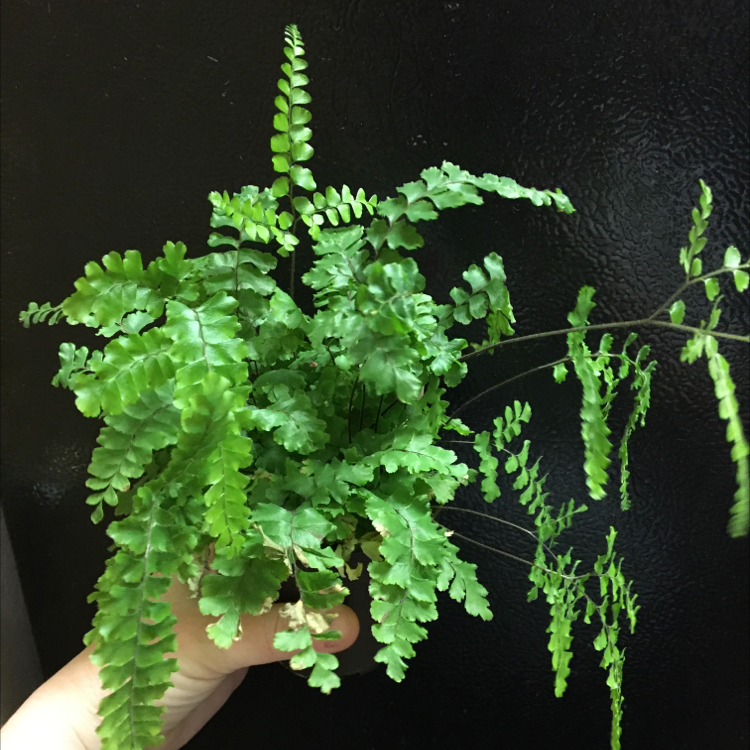
Should I Repot My Boston Fern And If So, How?

Nephrolepis exaltata

By the Greg Editorial Team

Dec 16, 20238 min read

This article was created with the help of AI so we can cover more plants for you. May contain errors. See one? Report it here.

Boston fern
  1. 🌱 Repot when roots escape or soil dries fast, not just when the pot cracks.
  2. 🌤️ Spring repotting aids recovery, but repot anytime if the fern is suffering.
  3. 🌿 Choose the right pot and soil for moisture balance and healthy growth.

Signs That Your Boston Fern Needs Repotting

Your Boston Fern's living quarters might be getting a bit cramped. Here's how to tell if it's time to upgrade its digs.

🌱 Root-Bound Rundown

If you spot roots poking through the drainage holes or spiraling at the bottom, that's the plant's version of sticking a leg out of the bed. It's uncomfortable and a clear sign it's time for a change.

💧 Thirsty Much?

When water zips through the soil like a kid on a waterslide—too fast and too soon—it's because there's more roots than soil. Your fern is thirsty and not getting its fill.

🌿 Stunted Growth: The Silent Scream

A fern's silence on stunted growth speaks volumes. If it's not sprouting with its usual gusto, it's likely feeling the pinch of its pot.

🏺 The Cracked Pot Phenomenon

A pot that's cracking under pressure—quite literally—is your fern's dramatic way of saying, "Get me outta here!"

🕰️ The Two-to-Three-Year Itch

Even if your fern plays it cool, repotting every couple of years is like a spa retreat for its roots. It's not just about space; it's about fresh soil and new nutrients.

Remember, your Boston Fern won't send you a memo when it's feeling cramped. Keep an eye out for these signs and give it the room it needs to flourish.

alex user_upload image

Ideal Timing for Repotting

Spring ushers in the prime time for repotting your Boston Fern. It's when your plant is in its growth spurt, making it more resilient to the change of scenery.

🌱 Why Spring?

During spring, the fern's metabolism kicks into high gear, preparing for a season of growth. This natural cycle means the plant can recover quickly from the stress of repotting.

❄️ Winter Woes

Avoid winter repotting like you'd avoid a cold draft—it's the plant's downtime. The fern's growth is on pause, and disturbing it could lead to a stunted recovery.

🚫 Exceptions to the Rule

If your fern is suffering—roots making a break for it out of the drainage holes or the soil drying faster than a witty retort—repot regardless of the season. Desperate times call for desperate measures.

🌿 Aftercare

Once repotted, don't throw your fern into the spotlight. Give it a gentle transition back to its usual spot to prevent post-repotting drama.

Selecting the Right Pot and Soil

When it comes to repotting your Boston Fern, size matters. Choose a pot that's only 1 to 2 inches larger in diameter than the current one. This isn't the time for your fern to swim in a sea of soil; too much space can lead to waterlogged conditions and the dreaded root rot. Ensure the pot has drainage holes—non-negotiable for evicting excess water.

🏺 Pot Material

Plastic pots hold moisture longer, while terracotta's porous nature offers a drier environment. Your choice should reflect your fern's thirst and the humidity of its home.

🌱 Soil Selection

The right potting mix is like a good life partner for your fern: supportive, yet freeing. Aim for a blend that balances moisture retention with drainage—think peat moss or coco coir for that hydration hug, and perlite or orchid bark for the 'letting go' part. This mix should be the plant equivalent of a breathable cotton tee, not a suffocating polyester suit.

🌱 Mixing Your Own

If you're feeling like a soil sommelier, mixing your own can be a rewarding endeavor. A concoction of potting soil, peat moss or coco coir, and a dash of perlite or horticultural grit will give your fern the aeration and drainage it craves. Just remember, like a good cocktail, the mix should be just right—too much of any ingredient and you'll spoil the party for your plant's roots.

Preparing for Repotting

Before you dive into the repotting process, it's crucial to set the stage for your Boston Fern's new abode. Here's how to get your hands dirty—figuratively and literally.

🌱 Step-by-Step Pot Preparation

  1. Choose the right pot—one that's a snug 1-2 inches larger than the current one. Remember, too big and you're asking for soggy, rotten roots.
  2. Ensure it has adequate drainage holes. No one likes wet feet, especially not your fern.
  3. Fill the new pot about one-third with a quality potting mix. Think well-draining but moisture-retentive—like a sponge that doesn't like to stay soggy.

🌿 Fern Extraction and Root Inspection

  1. Water your fern a day before the big move. It's like a pre-game hydration for plants.
  2. Gently coax the fern out of its current pot. No yanking—treat it like a treasure you're excavating.
  3. Observe the root ball. Trim any straggly or dead roots—think of it as giving your plant a pedicure.
  4. If the roots are circling the pot, give them a gentle tease apart. It encourages them to explore their new digs.

Remember, the goal is to make your Boston Fern feel like it's been upgraded to first class without the trauma of a turbulent flight.

Repotting Process

🌱 Positioning and Soil Filling

Once you've chosen the right pot and your Boston Fern is begging for a new home, it's time to get your hands dirty. Fill the new pot one-third with a quality potting mix. Carefully lift your fern from its current pot and center it in the new one. If the root ball's top isn't about an inch below the rim, adjust the soil level. Then, fill in around the roots with more soil, but don't pack it down like you're stuffing a turkey—gentle firmness is key.

💧 Watering and Aftercare

After tucking your fern into its new abode, water it with lukewarm water until it drains out the bottom. No saucer swimming—empty excess water to avoid root rot. Hold off on the fertilizer; your fern needs time to settle in, not bulk up. Keep it in a spot that mimics its previous conditions to avoid a plant tantrum. Remember, aftercare is like a spa for your fern—keep it comfy and stress-free.

Post-Repotting Care and Benefits

After repotting your Boston Fern, it's crucial to nail the aftercare to ensure your plant thrives. Water the fern thoroughly to settle the soil around the roots and eliminate air pockets. This is a no-brainer but make sure you don't drown the poor thing in your enthusiasm.

💡 Maintaining Optimal Conditions

Light is like the coffee of the plant world—it's essential. Place your fern in a spot with indirect sunlight to avoid the leaves turning into crispy critters. And remember, these plants love some humidity. Think of the steamy environment of a bathroom post-shower—that's the vibe you're aiming for.

🌱 The Perks of Repotting

Let's talk benefits. Repotting gives your Boston Fern a new lease on life. Fresh soil equals a buffet of nutrients for your green buddy, promoting lush, vibrant growth. Plus, more room for roots means your plant won't feel like it's living in a shoebox apartment.

🚰 Watering Wisdom

Adjust your watering game. The new soil will retain water differently, so don't stick to the old routine. Stick your finger in the soil—if it's damp, hold off on the H2O.

🍽️ Fertilizer: Not Yet

Hold off on fertilizing for at least six months. Your fern doesn't need the extra food while it's settling into its new digs. Think of it as avoiding a heavy meal right after moving house.

🥶 Winter Watering Woes

Come winter, when the sun goes on a bit of a vacation, water less. Less light means your fern isn't guzzling water like it's happy hour.

👀 Keep an Eye Out

Monitor your fern like it's the season finale of your favorite show. Look out for signs of stress—yellowing leaves, drooping fronds—and adjust care as needed. It's all about keeping that Boston Fern looking like it belongs on the cover of a plant magazine.

Troubleshooting and Additional Tips

🕵️ Monitoring for Stress

Post-repotting, keep a close eye on your Boston Fern. Signs of stress may manifest as wilting or yellowing leaves. It's crucial to maintain a consistent care routine during the adjustment period. If these symptoms persist beyond a few weeks, it's time to play detective and pinpoint the cause.

🛠️ Addressing Common Issues

Wilting Leaves

If your fern's leaves droop post-repotting, ensure it's not just throwing a tantrum due to the change. Consistent watering is key. Stick your finger in the soil; if it's dry at your second knuckle, it's time to water.

Yellowing Leaves

Yellowing can signal overwatering or poor drainage. Check that the pot isn't holding a pool party for the roots. If it's more like a swamp than a well-drained pot, consider a soil switch-up or double-check those drainage holes.

Root Rot

Got a mushy root ball on your hands? This is the plant equivalent of a bad flu. Trim the affected roots and treat with a fungicide if necessary. Remember, well-draining soil is your best friend here.

Fertilizer Fiascos

Hold off on the fertilizer for a bit post-repotting. If you've been a bit heavy-handed, flush the soil with water to dilute the excess nutrients.

🌿 Additional Tips

  • Avoid overpotting: A pot only 1-2 inches larger than the previous one will prevent your fern from drowning in soil and sorrow.
  • Plastic vs. Terracotta: Plastic pots retain moisture longer, which can be a boon or bane. Choose wisely based on your fern's thirst level.
  • Lighting: Boston Ferns aren't sun worshippers. Keep them in partial to deep shade to avoid the leaf scorch of a harsh sunburn.
  • Humidity: These plants love a good spa day. Ensure the humidity is just right to keep them lush and green.

Remember, repotting is like moving houses for your fern. It takes time to settle in. Be patient, provide the right care, and your fern will be back to its pre-move glory in no time.

⚠️ Safety First

This content is for general information and may contain errors, omissions, or outdated details. It is not medical, veterinary advice, or an endorsement of therapeutic claims.

Always consult a qualified healthcare professional before using any plant as food, medicine, or supplement.

Never eat any plant (or feed one to pets) without confirming its identity with at least two trusted sources.

If you suspect poisoning, call Poison Control (800) 222-1222, the Pet Poison Helpline (800) 213-6680, or your local emergency service immediately.

Spotted an error? Please report it here.

Ensure your Boston Fern's success 🌿 by using Greg's tailored reminders for the perfect repotting season and tapping into our expert community for potting mix tips.