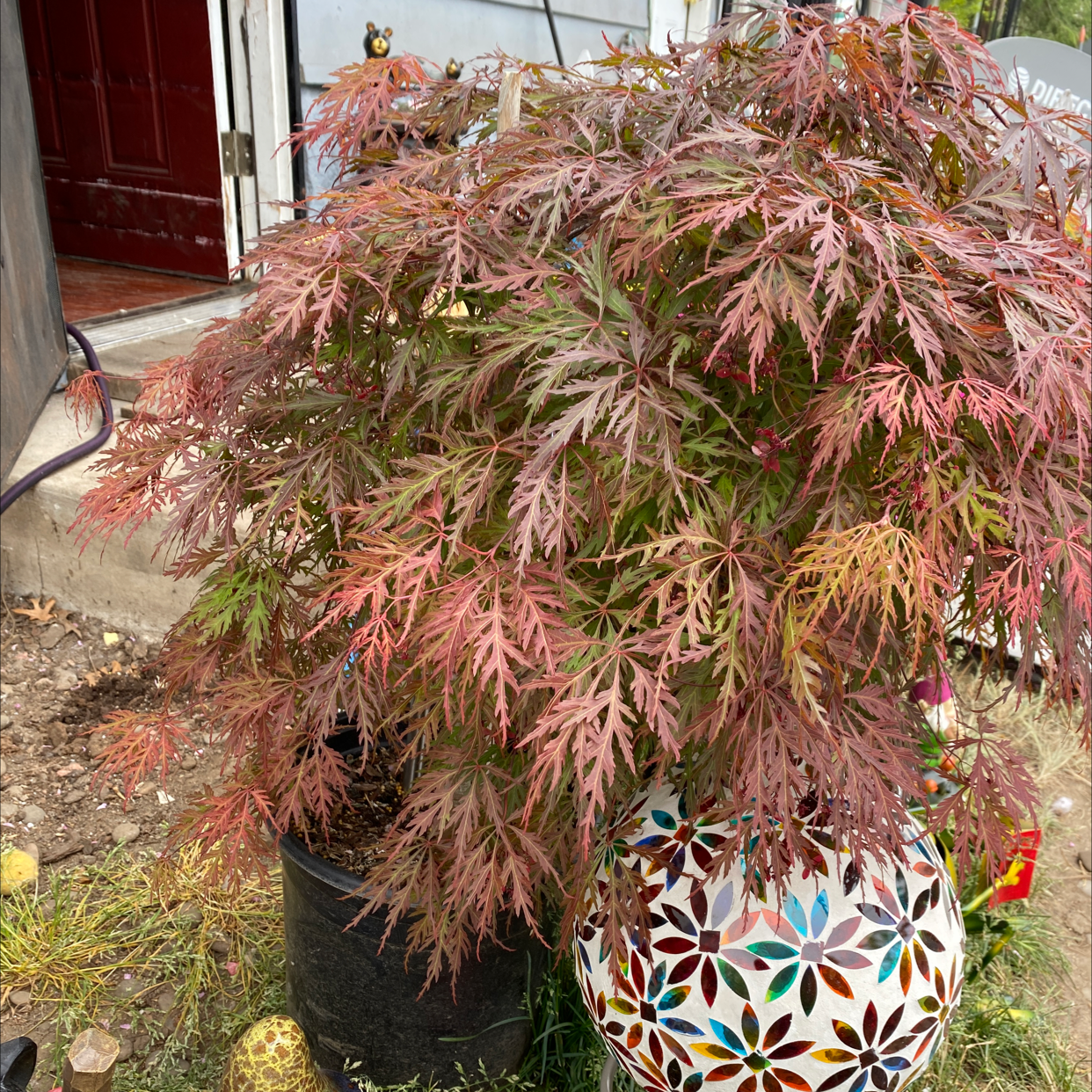
When to Repot a Japanese Maple
Container Japanese Maples need a fresh pot every two to three years while they're young, stretching to every three to five years once mature. Repot in late winter while the tree is still dormant, moving up by two to three inches in pot diameter. Use a gritty, slightly acidic mix of two parts standard potting soil to one part coarse sand or pumice with a handful of compost.

How to Know It's Time to Repot
Every Japanese Maple is a little different, so the two-to-three-year cadence is a starting point rather than a strict rule. The tree itself gives you a few clear signals when the roots are running out of room, and late winter is the time to check before the buds break.
-
1Roots are visible at the drainage holes or have started circling the bottom of the pot.
-
2The tree has roughly doubled in size since you last potted it up.
-
3Soil dries out within a day or two of watering, even in cool weather.
-
4Leaf size has shrunk noticeably or the fall color looks duller than past seasons.
A single sign on its own is worth keeping an eye on, while two or more together mean it's time to plan the next late-winter repot. Mature trees in their final container can usually stretch to three to five years between true repots, as long as you root-prune lightly each time to keep the root system compact.
The Best Time of Year to Repot
Late winter through very early spring is the sweet spot for repotting a Japanese Maple, right before the buds swell and the first leaves emerge. The tree is fully dormant at this point, so the roots tolerate disturbance far better than at any other time of year. Repotting after leaf-out, on the other hand, often leads to scorched new leaves and a season of weak growth. The exact window shifts by climate region, so use the map below to find yours.

How to Choose a Pot and Soil Mix
Pot Size
Move up by two to three inches in diameter, or stay in the same pot with root pruning once the tree reaches its mature container size. Japanese Maple has a fibrous root system that fills space evenly, so a 12-inch pot suits a 2-foot tree nicely, while a 20 to 24-inch pot will hold a mature 6-foot container tree for years at a time. Both width and depth matter, since the roots want lateral spread and the canopy needs a stable footprint to ride out summer wind.
Pot Material
Heavy ceramic and thick-walled plastic both work beautifully for the stability they give a top-heavy tree. Glazed ceramic and plastic hold moisture longer than terracotta, which suits a thirsty Japanese Maple in summer heat, while terracotta dries too quickly for most container maples outside the Pacific Northwest. Whichever you pick, the pot needs drainage holes and ideally pot feet to keep the bottom off cold or wet surfaces in winter.
Soil Mix
A simple recipe of two parts standard potting soil, one part coarse sand or pumice, and a handful of compost gives Japanese Maple the gritty, slightly acidic mix it prefers. The roots want sharp drainage with a pH between 5.5 and 6.5, which mirrors the forest-floor conditions where these trees grow wild. Skip lime-amended mixes and dense garden soil, since both push the pH up and compact within a few months in a container.
How to Repot a Japanese Maple, Step by Step
-
1Wait for full dormancy. Repot only after the leaves drop in fall and before the buds swell in spring. Working with a dormant tree minimizes shock and gives the roots a few weeks to settle in before the spring growth push begins.
-
2Water the day before. Give the tree a light drink the day before you plan to repot, so the soil is just moist rather than soggy. Lightly moist soil releases the root ball cleanly without tearing the fine fibrous roots that Japanese Maples depend on.
-
3Lay the tree on its side. Mature container Japanese Maples are heavy and top-heavy, so lay the pot on its side on a towel before you try to extract the tree. Squeeze and tap the sides to loosen the root ball, then slide the tree out by gripping the base of the trunk, never by the thin branches.
-
4Comb and root-prune. Tease apart the outer roots with a chopstick or root rake to free any tightly circling sections. Trim up to one-third of the outer root mass with clean, sharp scissors. This bonsai-style root pruning is what lets a Japanese Maple thrive in a container for decades rather than slowly declining once the pot fills up.
-
5Set, fill, water deeply. Add three to four inches of gritty mix to the bottom of the new pot, then position the tree so the soil line sits at the same level as before, with any graft union staying above the soil. Fill mix around the root ball, press gently to remove air pockets, and water deeply until it drains through the holes. A shredded bark mulch on top keeps the roots cool and moist as growth resumes.
What to Expect After Repotting
Weeks 1 to 4
The dormant tree won't show much above-ground change yet, which is exactly what you want. Keep the pot in a sheltered outdoor spot with morning sun and afternoon shade, and water lightly only when the top two inches of soil feel dry. The dormant roots aren't drinking much yet, so soggy soil at this stage causes more trouble than it solves. Hold off on any fertilizer until after leaf-out.
Weeks 5 to 12
Buds swell and the first delicate leaves emerge as spring warms up. Resume normal watering once the top inch of soil dries between sessions, and apply a balanced slow-release fertilizer at half rate to support the new growth. Once frost danger has passed, move the tree to its summer spot with afternoon shade, since direct afternoon sun on freshly repotted roots is the most common cause of leaf scorch.
Got More Questions?
About This Article
